








YMHC impact at Ortega Middle School

For 12-year-old students navigating middle school in rural Colorado, challenges extend far beyond homework and social dynamics. Many face unstable housing, language barriers, and limited access to mental health resources. For them, the Youth Mental Health Corps (YMHC) can be a lifeline.
Berkeley Wall, a second-year YMHC member at Ortega Middle School in Alamosa, has spent countless hours building trust with students who might otherwise fall through the cracks.
“I really just wanted to be back working with the same students because it seems like there’s a clear need,” she said. “I think my students and I have been able to really build on our relationships from last year and just realize that I am around and I really do care about what happens for them.”
Wall’s day-to-day work is highly personalized. She moves from classroom to classroom, focusing on students’ individual needs, especially Spanish-speaking students who need help integrating academically and socially.
“Whenever they are receiving a huge packet in English, I work on putting it in Spanish or in a bilingual format for them so that they can actually understand,” she said. “A lot of it is just trying to make connections with the Spanish-speaking population.”
“We have 468 kids total right now, sixth through eighth grade. Berkeley probably services, gosh, just being in the classroom, probably over 200 kids a day … at least a hundred kids she’s helping out directly,” said Nate Gonzales, the principal at Ortega Middle School.
To serve those 468 students, Ortega has two full-time counselors, 2 part-time counselors in training under supervision and then Wall as an additional near peer support through YMHC.
One student’s story exemplifies the program’s impact. Last year, a girl experiencing homelessness confided in Wall as her first trusted adult. Together, they navigated the complex process of securing housing for the girl and her family. “She couldn’t stand me some days,” Wall said, “but I wouldn’t trade our relationship for the world. I know that I’m an important adult in her life and that she’s a really important kid in my life.”
Simple interventions can also be transformative. A student struggling to see the board in class had gone years without proper glasses. Teachers had assumed she was simply performing poorly. Wall advocated for her, secured the glasses, and witnessed a dramatic turnaround in her grades.
“Children aren’t bad, they just have bad situations,” she said. “Being able to be the first person to really listen to her and meet her where she is. Her grades have skyrocketed this year.”
Beyond academics, Wall helps students develop social-emotional skills, offering support for everyday challenges such as regulating emotions and navigating interpersonal conflicts.
“Having an authentic human being that can really relate to them and regulate them is extremely important,” she said. “It’s more impactful than a meditation app or a 30-minute yoga session. They’re getting a trusted adult who’s invested in them.”
Principal Gonzales agreed: “I think our building’s in a better place than it was a couple years ago. Our staff is happier, our climate’s better, and our kids are happier.”
The Corps’ student-centered approach extends statewide. Lt. Gov. Dianne Primavera recounted instances where AmeriCorps members provided crucial support. A mother and her daughter, a gang violence survivor, were connected with therapy and tutoring through their school-based Corps member. Another grieving student remained engaged in school because the Corps member was available on demand. “Students didn’t need to make an appointment. They had someone right there,” Primavera said.
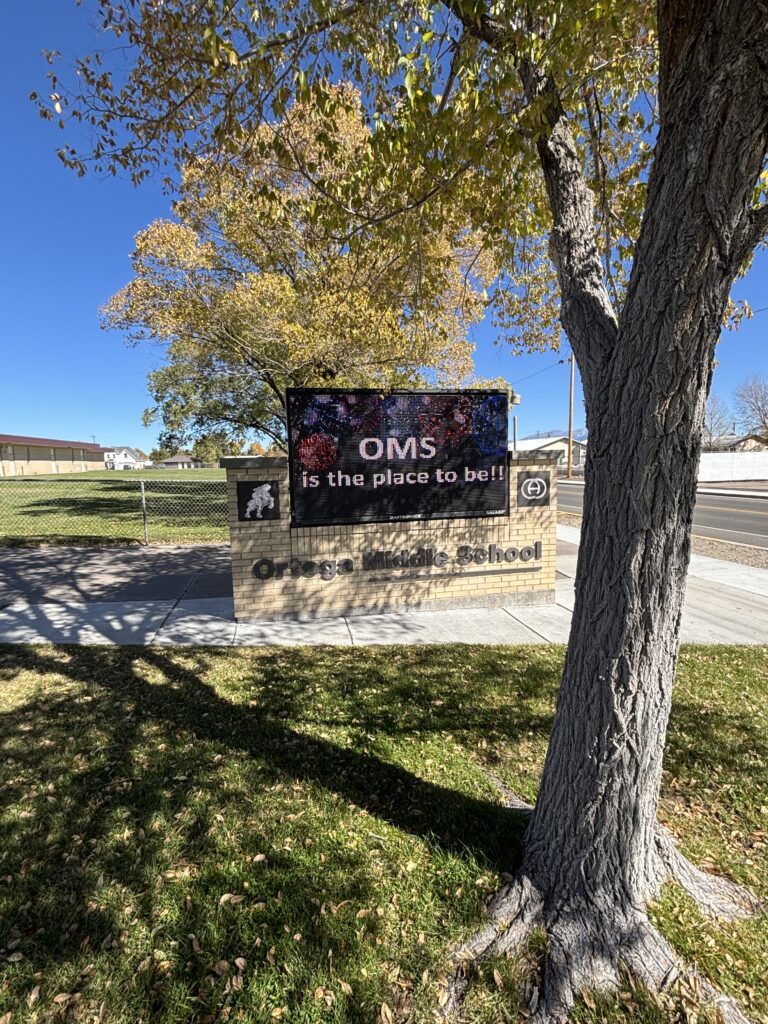
Serve Colorado notes that the program is essential, not extra. By providing early interventions to students who require lower levels of care, YMHC increases the capacity of licensed behavioral health specialists to focus on complex cases, reduces emergency behavioral health costs, boosts attendance and graduation rates, and lowers long-term spending in juvenile justice, child welfare and Medicaid.
The program also builds future leaders.
“It’s providing a very clear trajectory for young adults like me to get involved in the field,” Wall said. “They back up all of their people to get certified to stay in these communities and benefit them directly in a place where support is extremely scarce.”
Even with funding challenges, such as AmeriCorps cuts that reduced the first-year cohort from 145 to 80 members, the Corps continues to deliver for students. “Students are getting a direct trusted adult,” Wall said. “It matters that they’re getting a human resource versus another capital resource. Having a real person care about them is invaluable.”
From advocating for language access to providing hands-on support for basic needs, YMHC members like Wall create meaningful, measurable change. In small rural schools, their presence ensures that students who are most vulnerable have someone in their corner, an adult who believes in them, invests in their success, and gives them a path toward a brighter future.

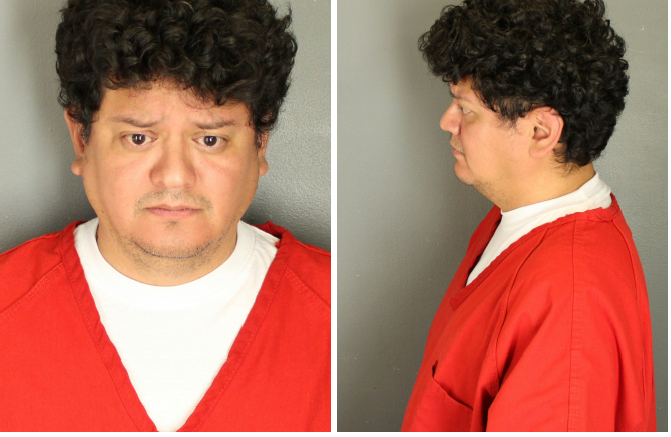
Former Arvada teacher arrested for allegedly creating child sex exploitation material
Sage Kelley and Bernadette Berdychowski The Denver Gazette
sage.kelley@denvergazette.com
Updated 3 days ago
Boulder police arrested a former Arvada high school teacher for allegedly filming sexual exploitation videos of juveniles and distributing them on various websites. The Boulder County Sheriff’s Office arrested 39-year-old Patricio Alejandro Illanes after a four-month investigation by Boulder County...

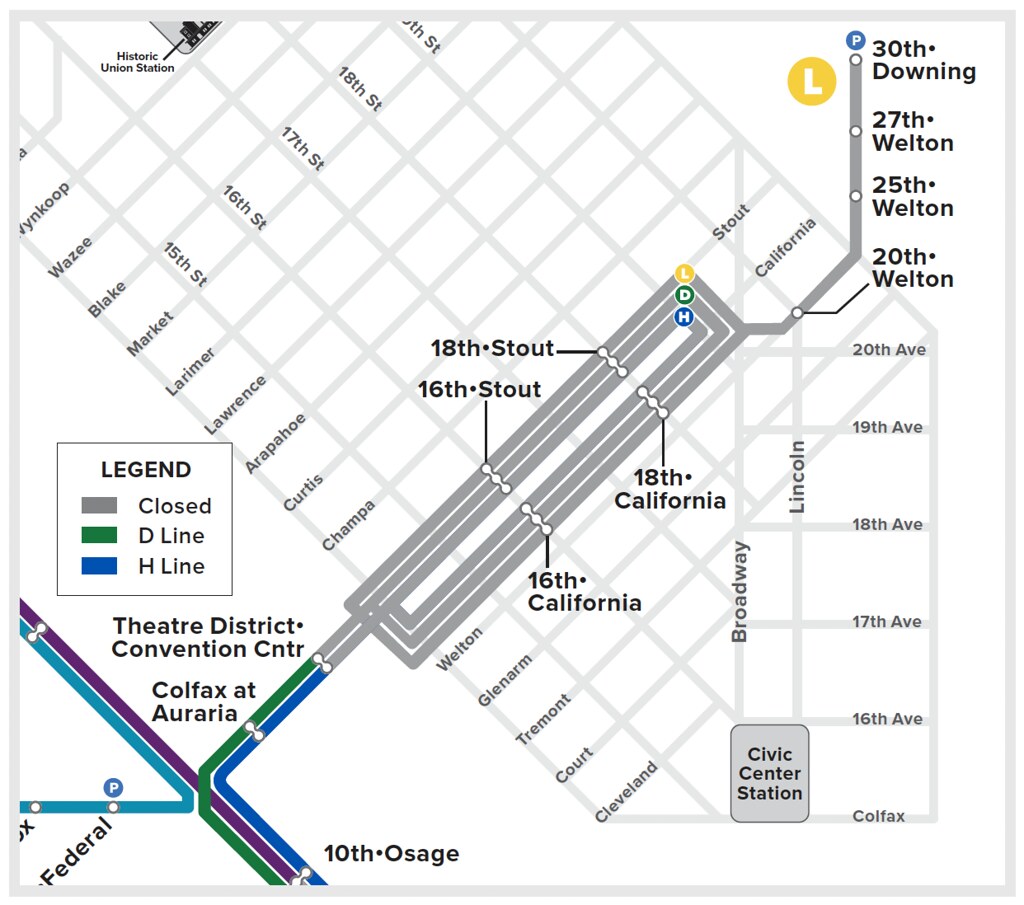
RTD to pause downtown light rail Thursday for Stock Show Parade
Scott Weiser
scott-weiser@denvergazette.com
Updated 5 days ago
The Regional Transportation District will pause L Line light rail service and modify D and H line service in downtown Denver beginning at 11 a.m. on Thursday, during the National Western Stock Show Parade, through about 2 p.m. when the...

Scott Weiser
Reporter
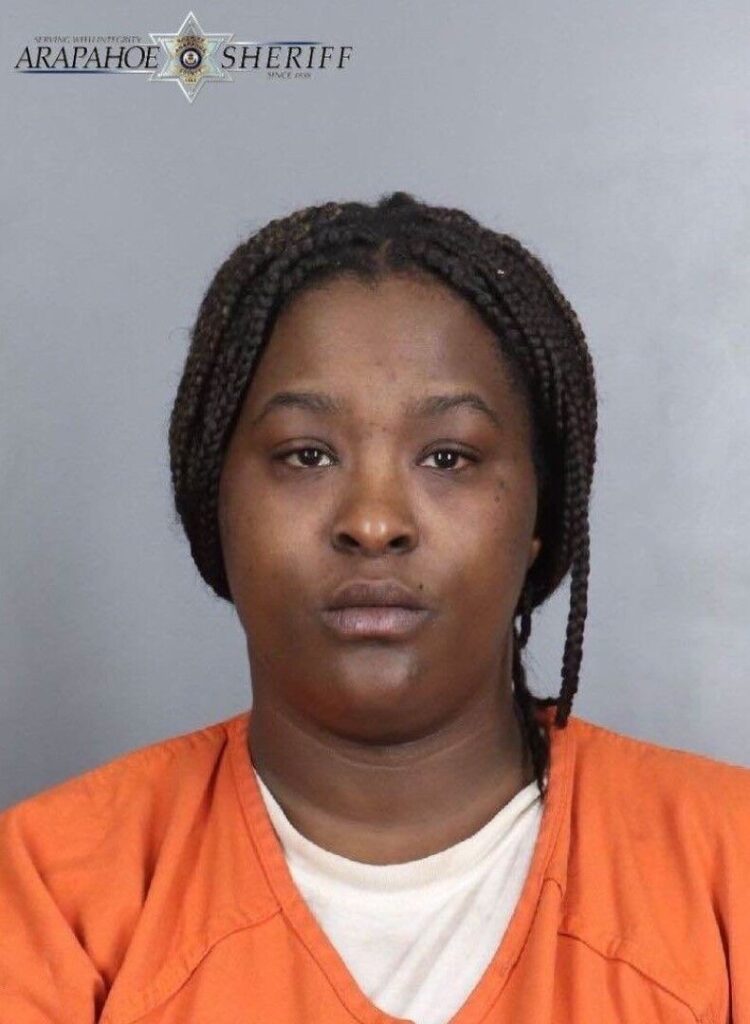
Ex-Littleton bus aide pleads guilty in abuse case involving nonverbal student
Sage Kelley
sage-kelley@denvergazette.com
Updated 6 days ago
A former Littleton bus aide pleaded guilty to more than 10 child abuse charges almost two years after a video captured her striking a nonverbal student on a school bus. Kiarra Jones, 29, pleaded guilty to 12 counts on Monday...

Sage Kelley
Reporter
Transparency and debt defined Denver’s education stories in 2025
Nico Brambila
nico-brambila@denvergazette.com
Updated 2 weeks ago
Denver Public Schools’ officials entered 2025 promising greater transparency and left the year defending how often they broke it. Board members on two-member committees — which must hold public meetings — met without notice to renegotiate the superintendent’s contract, and...

Nico Brambila
Reporter
Colorado sees record early applications for universal preschool
Nico Brambila
nico-brambila@denvergazette.com
Updated 3 weeks ago
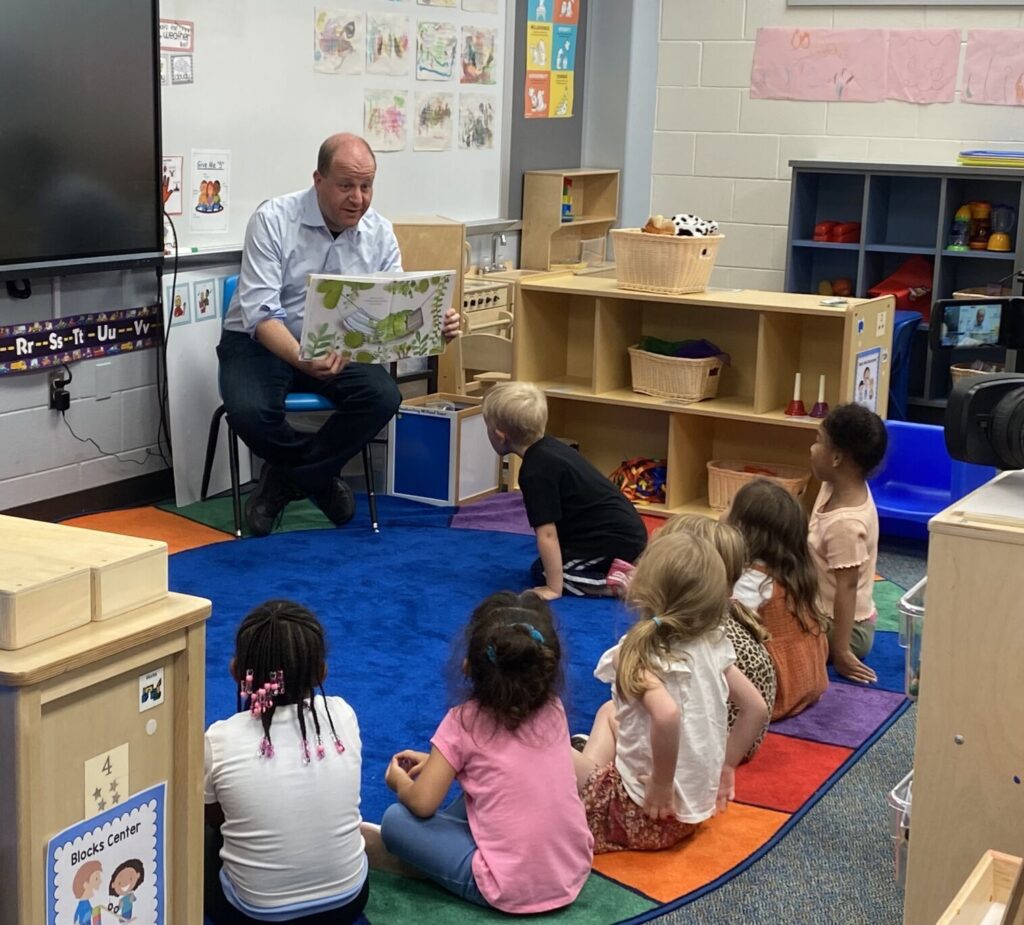
Early preschool applications for the upcoming school year are breaking records for a program with 42,862 4-year-olds enrolled statewide. As of Monday, the program had received 12,886 applications. “Investing in high-quality early education is one of the most effective ways...
Nico Brambila
Reporter
Fort Lewis College student proud of new Turning Point USA chapter despite backlash
Elizabeth Pond, Special to The Denver Gazette
elizabeth.pond@gazette.com
Updated 3 weeks ago
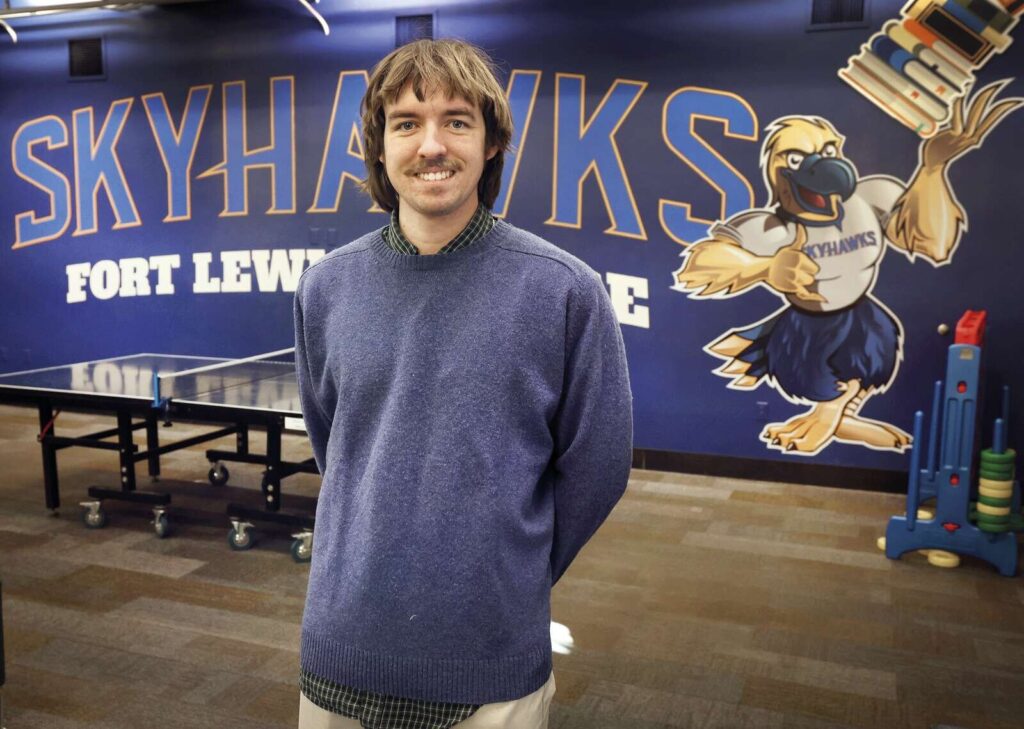
Before Fort Lewis College senior Jonah Flynn became president of the newly formed FLC Turning Point USA chapter, he described himself as a liberal-leaning atheist. Flynn, a senior studying philosophy and Spanish, gained local and national attention after the Associated...

Jeffco Public Schools parents thank school resource officers with gifts
Sage Kelley
sage-kelley@denvergazette.com
Updated 4 weeks ago
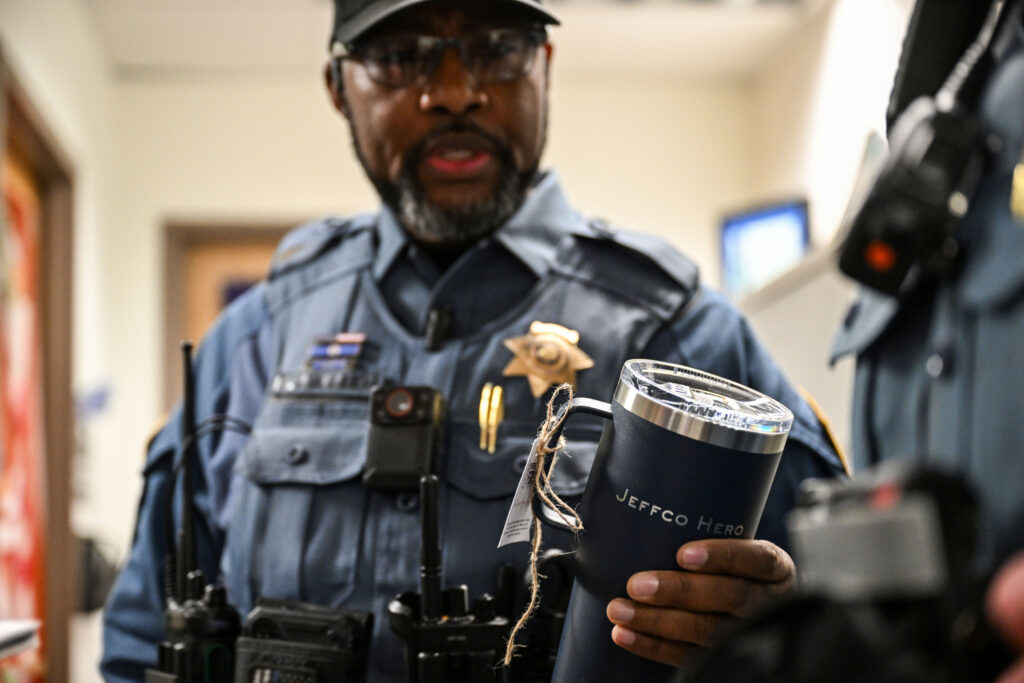
Those working to keep Jeffco Public Schools safe received a thank you gift Tuesday — a YETI mug with “Jeffco Hero” inscribed on it. Local organization Jeffco Kids First collected over $8,000 in two weeks to create around 200 mugs...
Sage Kelley
Reporter
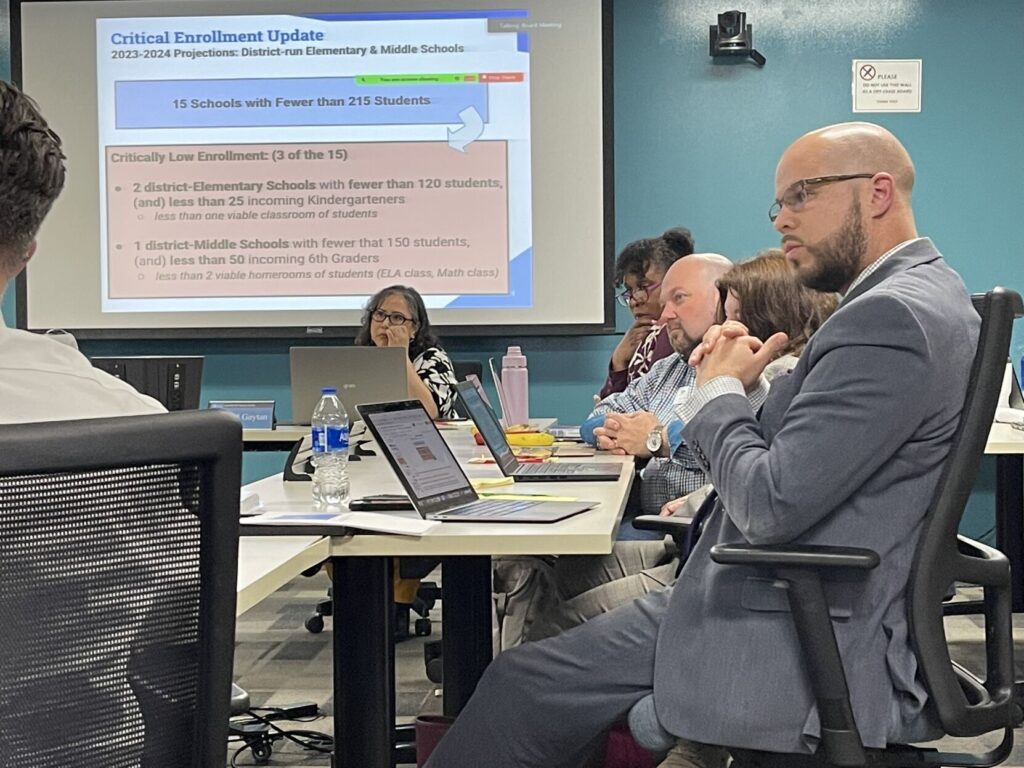
Denver Public Schools enrollment losses outpace school closures
Nico Brambila
nico-brambila@denvergazette.com
Updated 4 weeks ago
Enrollment losses in Denver now outpace what school closures alone can address. Denver Public Schools (DPS) Superintendent Alex Marrero is expected to present an update on the district’s enrollment to the board at its meeting this Thursday. During an October...
Nico Brambila
Reporter
Jeffco Public Schools workers to find about layoffs this week
Sage Kelley
sage-kelley@denvergazette.com
Updated 4 weeks ago
Jeffco Public Schools employees received a voicemail from Superintendent Tracy Dorland Monday morning warning them of potential job cuts in the next year. “My holiday message this year is a more somber and serious one,” Dorland said in a voicemail...
Sage Kelley
Reporter
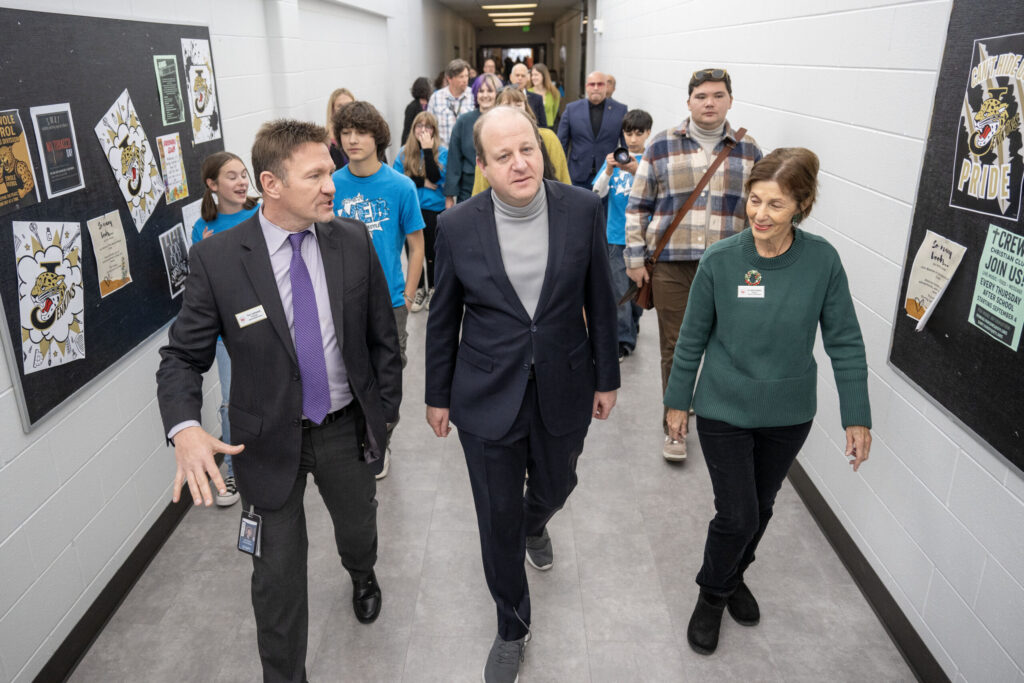
Suddenly, Colorado has a private school choice program │ Vince Bzdek
Vince Bzdek
vince-bzdek@denvergazette.com
Updated 4 weeks ago
By Vince Bzdek When I was a kid going to St. John’s Catholic grade school in Denver, I remember asking my mom if she and dad minded paying taxes for public schools since all her kids attended Catholic ones. We...

Vince Bzdek
Reporter
PREV
PREVIOUS

Boulder County DA indicts six in connection with crime ring responsible for nearly $1 million in stolen and damaged property
After a lengthy investigation involving over 20 law enforcement agencies, 20th Judicial District Attorney Michael Dougherty indicted six adults Wednesday in connection with a crime ring responsible for nearly $1 million in stolen and damaged property. The ring affected over 55 victims over the past 18 months while committing 26 burglaries and 15 motor vehicle […]
FBI seeking additional victims of former Aurora school resource officer
The FBI, in partnership with the Denver Police Department, is looking to identify additional victims of a former Aurora school resource officer charged with the sexual exploitation of a child. Former Sgt. Aaron “Jake” Bunch, who had worked as a school resource officer and SRO supervisor in multiple Aurora schools since 2005, was arrested by […]