







Friday Faceoff: Has legalized gambling ruined sports as we knew it?

Friday Faceoff: In the wake of the latest sports gambling scandal, and an FBI investigation featuring Denver’s own Chauncey Billups involving an illegal poker operation, has legalized betting ruined sports as we knew it?
Kyle Fredrickson, Broncos beat reporter
Answer: No
Whatever happened to the virtue of personal responsibility?
There are quite literally millions of people in the United States who responsibly (and legally) enjoy sports gambling as part of their experience as fans. Did the $20 buy-in for your fantasy football league ruin it for everyone this season? Of course not.
There is no doubt recent headlines note the hidden dangers of sports gambling and illegal betting of all types. The FBI investigation into Chauncey Billups, which is centered around an illegal poker operation, NBA player Terry Rozier and others is a warning to everyone. Actions have consequences.
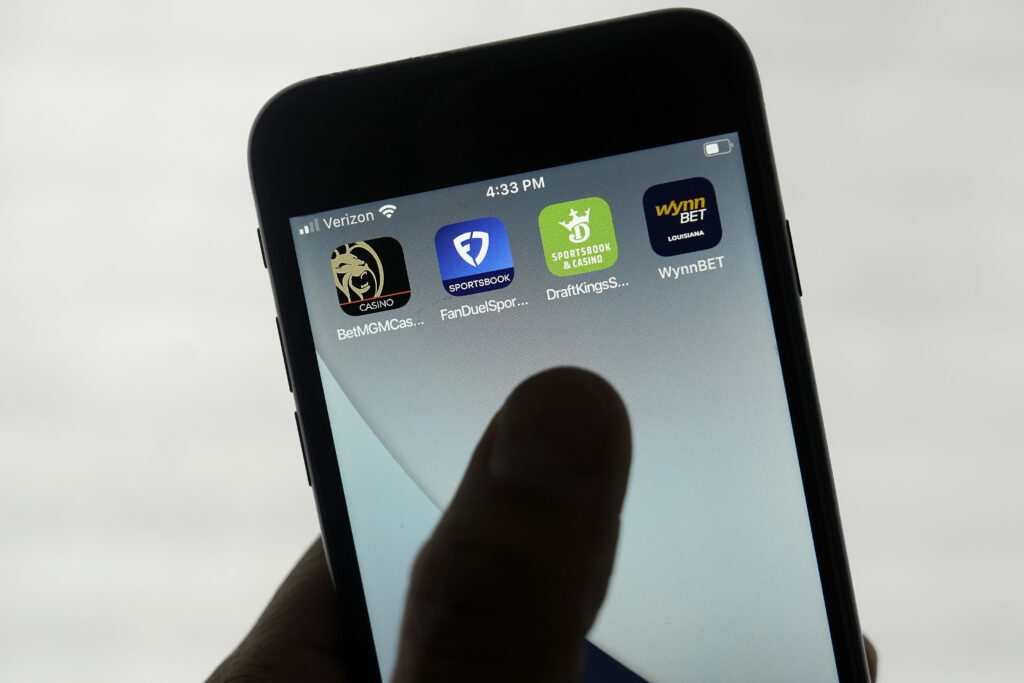
College and professional athletes are held to a higher standard as members of a team. There is typically a sign in every pro locker room that specifically outlines how players are prohibited from sports betting and other illicit activities. They’re subject to many team rules to uphold the integrity of their game.
Now, I’ll admit the oversaturation of television advertising for sports gambling makes me borderline nauseous. But that’s capitalism in action. Sports gambling is a multi-billion-dollar industry in the U.S. and leagues are tapping into that revenue — even if their coaches and players fall victim to negative side effects. Help is available for those with gambling addictions.
But it’s narrow-minded to say that legalized gambling has ruined sports. You have control over your experience as a fan. Make smart choices or wait for a knock from the FBI.
It’s not a difficult choice.
Tyler King, college sports reporter
Answer: Yes
Don’t let the NBA fool you with the return of “Roundball Rock” on NBC broadcasts or reports that the giant Larry O’Brien trophy logo is returning to courts for the NBA Finals. The old era of sports is gone. Long gone.
Just about every facet of sports media these days is associated with gambling. ESPN has its own sportsbook. Just about every major professional team has a sports betting partner of some kind. Shoot, FanDuel even owns a network that broadcasts local games for dozens of teams across the country.

Just about everywhere you look on the internet, someone is trying to give you their favorite “same-game parlay” for the marquee game on national television that night.
Now, are we naive enough to believe this is all brand new? No. As Thursday’s FBI investigation and subsequent arrests showed, this has been an ongoing issue that has existed long before a large portion of the nation legalized sports betting. Over the last few decades, we’ve seen many of our favorite athletes suffer varying degrees of consequences for gambling addictions.
Nor am I naive enough to believe we can go back to the old ways. As Houston basketball coach Kelvin Sampson aptly put it this week at Big 12 media days, “The toothpaste is out of the tube.”
But — even above the explosion of NIL in college sports — I understand the amount of advertisements for sports betting being too much for some people. We live in a society of overconsumption, and gambling is the latest aspect to explode with very few guardrails. We’ll continue to learn about more high-profile sports figures involved in scams like this — while countless other lives will be ruined without their story being told.

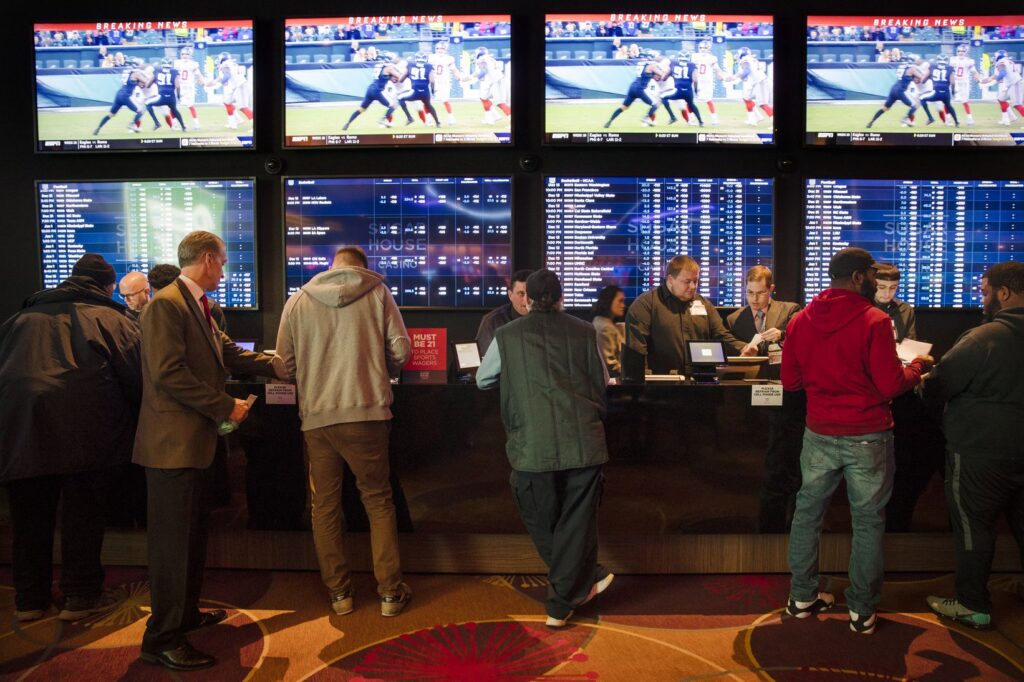
Colorado lawmakers want to crack down on sports betting companies
Marissa Ventrelli
marissa-ventrelli@denvergazette.com
Updated 2 weeks ago
A coalition of legislators has introduced a bill that backers said would help combat sports gambling addiction, particularly among children. Colorado voters approved Proposition DD in 2019, legalizing sports betting statewide. The majority of the state’s sports betting revenue goes...

Marissa Ventrelli
Reporter
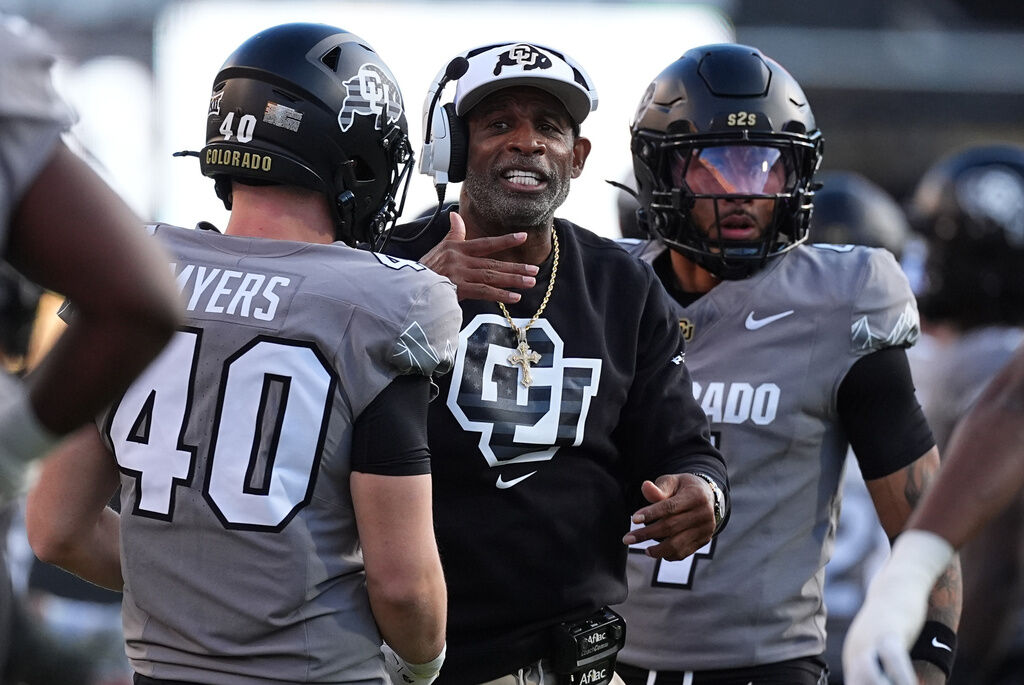
Kickin’ It with Kiz: Curt Cignetti is the football coach Deion Sanders should want to be if Prime ever grows up
Mark Kiszla
mark-kiszla@denvergazette.com
Updated 3 months ago
Put some respect on Indiana’s name in the college football playoffs. – J.C., rocks on Kiz: The Hoosiers are the Cinderella football story that CU Buffs faithful only wish they could tell. Deion Sanders and Curt Cignetti were hired less...

Mark Kiszla
Reporter
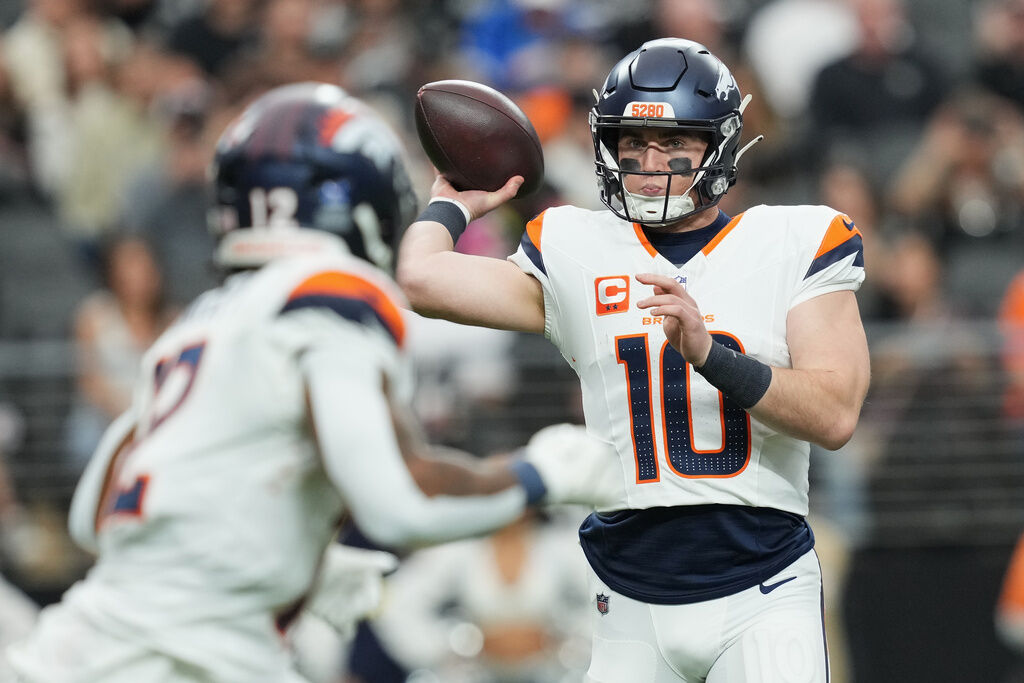
Mark Kiszla: How Bo Nix has become the Wayne Newton of NFL QBs, singing all the hits he knows by heart
Mark Kiszla
mark-kiszla@denvergazette.com
Updated 3 months ago
LAS VEGAS – Paying tribute to Mr. Las Vegas, Broncos quarterback Bo Nix followed the tried-and-true showbiz rule of Wayne Newton. When bringing your act to the bright lights of the Strip, the audience demands you play the greatest hits....
Mark Kiszla
Reporter

New charitable gaming board meets following Gazette series
David Migoya
david-migoya@denvergazette.com
Updated 5 months ago
The latest iteration of Colorado’s long-defunct advisory board for charitable gaming met Friday for the first time since legislators revived it more than 18 months ago. The Charitable Gaming Board did little more than elect its chairman, Maytham Alshadood, the...

David Migoya
Reporter
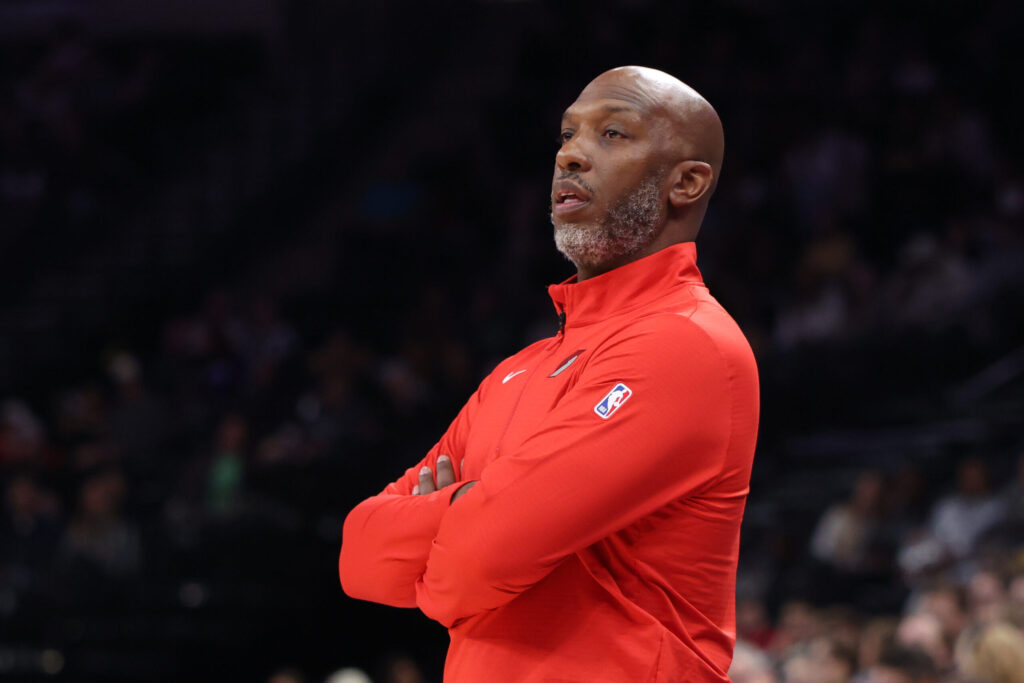
Former Denver Nuggets guard and current Trail Blazers head coach Chauncey Billups arrested in federal gambling probe
Alanna Durkin Richer
alanna.durkin.richer@associatedpress.com
Updated 5 months ago
Former Denver Nuggets guard and current Portland Trail Blazers head coach Chauncey Billups, and Miami Heat guard Terry Rozier have been arrested in connection with a federal investigation into sports betting, people familiar with the matter told The Associated Press...

Alanna Durkin Richer
Reporter
Felons engaged in Colorado’s charitable gaming industry
David Migoya
david-migoya@denvergazette.com
Updated 5 months ago
Editor’s note: This is the second in a three-part series examining Colorado’s $110 million charitable gaming industry. Howard Geller told police that Big Dog wanted Geller to get some people and head to Akron, Colo., so he hopped into his...
David Migoya
Reporter
Colorado bingo night: It’s all about the prizes, not so much the charity
David Migoya
david-migoya@denvergazette.com
Updated 5 months ago
It’s a Thursday night at Bingo Oasis in Northglenn. Located on the outer edge of a nondescript strip mall just west of I-25, it has a simple façade sign advertising what goes on behind the mirrored and postered windows: BINGO. ...
David Migoya
Reporter
Colorado’s $110M bingo industry is littered with loopholes — and hardly anyone is watching
David Migoya
david-migoya@denvergazette.com
Updated 5 months ago
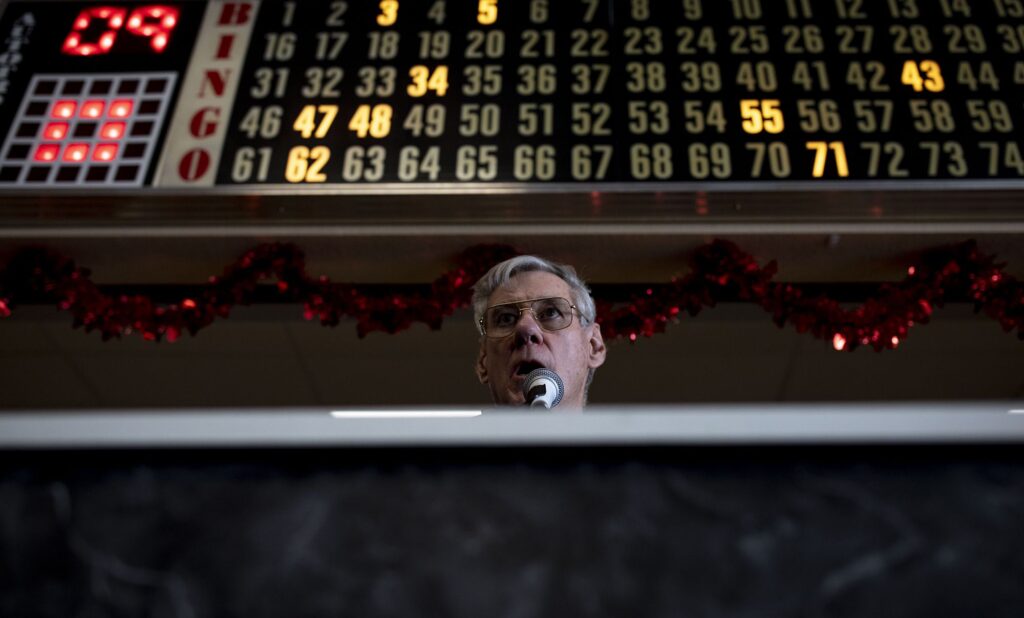
Editor’s note: This is the first in a three-part series examing Colorado’s $110 million charitable gaming industry. Colorado’s charitable gaming industry – hundreds of bingo nights and raffle drawings across the state – is a $110-million-a-year enterprise that for decades...
David Migoya
Reporter
The Denver Gazette’s best bets for Super Bowl LVIII
Chris Schmaedeke
chris.schmaedeke@denvergazette.com
Updated 6 months ago
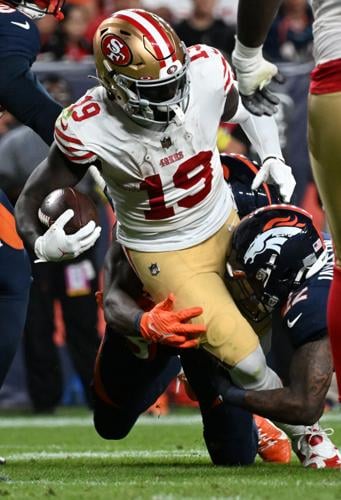
Here are our best bets for Super Bowl LVIII: Point spread: Chiefs +2.5 Over/under: Under 47.5 points Super Bowl MVP: Christian McCaffrey (+450) Anytime TD scorer: Travis Kelce (+100) Passing prop: Patrick Mahomes under 262.5 yards (-110) Rushing prop: Deebo Samuel...

Chris Schmaedeke
Reporter

Nuggets vs. Heat: Best bets for NBA Finals Game 4
Chris Schmaedeke
chris.schmaedeke@denvergazette.com
Updated 8 months ago
Some of the best bets for Game 4 of the NBA Finals. 1. Nuggets (-3.5, -108) at Heat: Denver is on a mission after the tough Game 2. The Nuggets get both games in Miami. 2. Michael Porter Jr. over 1.5...
Chris Schmaedeke
Reporter
PREV
PREVIOUS

Nuggets vs. Warriors | 3 takeaways from Denver's season-opening defeat
The Nuggets and Warriors opened the season with a bang, but Denver was on the wrong side of its season opener. Here are three takeaways from the Nuggets’ 137-131 overtime loss Thursday at the Chase Center in San Francisco: NUGGETS 137, WARRIORS 131 What happened: Denver wasted little time erasing Golden State’s 10-0 run to […]
Vacant once again following Jay Norvell’s firing, how good is the CSU Rams coaching job? | College Football Insider
FORT COLLINS — John Weber is shooting for the stars. For what feels like the first time ever, Colorado State has an athletic director not satisfied with mediocrity. Past iterations of the Rams athletic department may have let Jay Norvell ride out the rest of his contract (which expired at the end of the 2026 […]