







Denver considers commissioning civic assembly
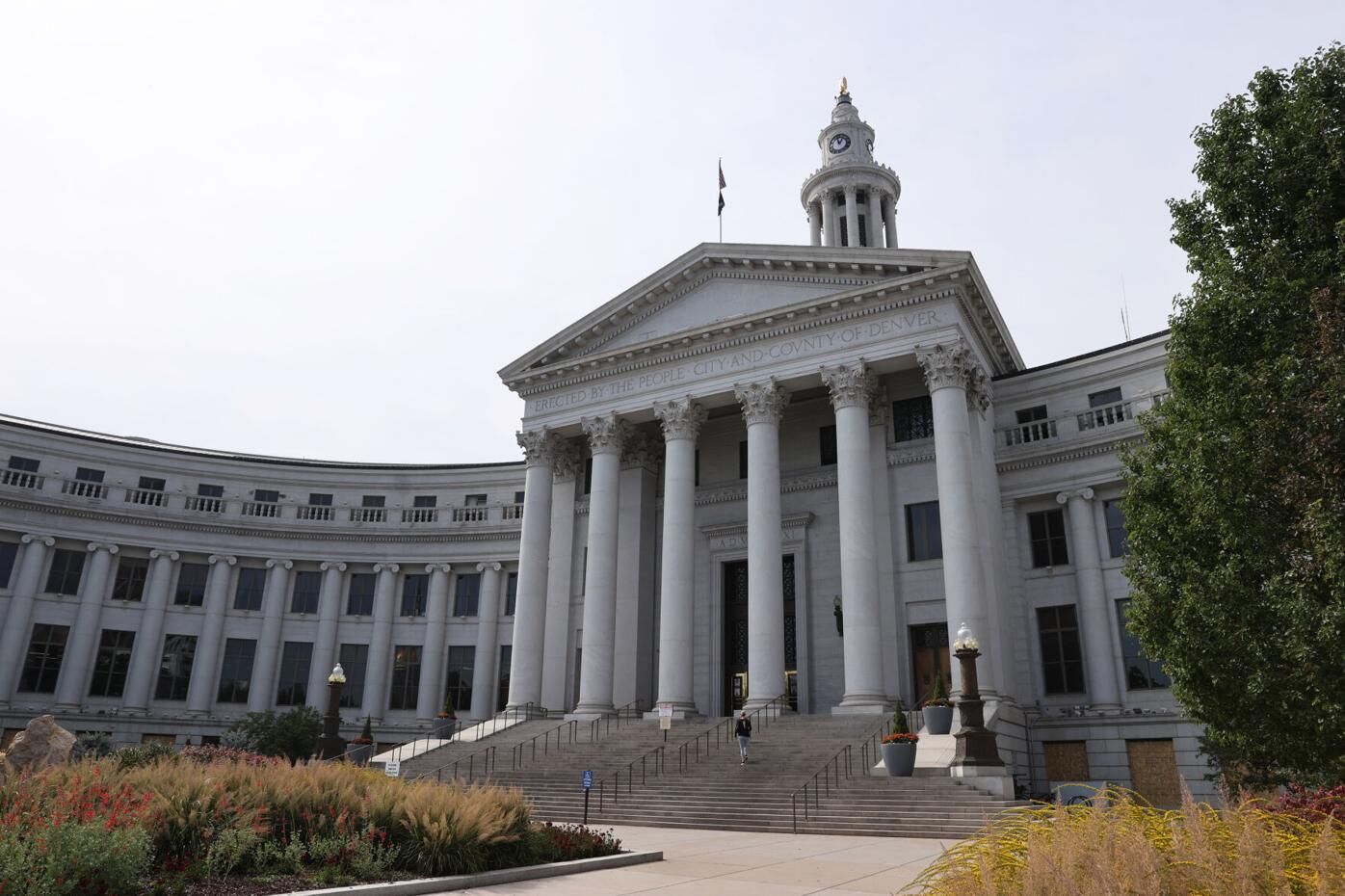
By next spring, Denver could be among the first major U.S. cities to commission a “civic assembly” if the City Council moves forward with an ordinance to establish it.
The concept comes with a sizable price tag – the assembly would be composed of citizens who would get paid for participating – at a time when Denver is looking to conserve cash and fill a $200 million hole in the city budget.
District 8 Councilmember Shontel Lewis led an informational presentation to the City Council Policy and Budget Committee on Monday, discussing the concept of bringing together a group of residents — selected at random — to learn about and discuss city issues, with the aim of crafting more “informed recommendations.”
“A civic assembly is like a legislative body of everyday citizens,” Lewis said. “Its makeup ought to be representative of the people, and its recommendations ought to be implemented as if they were a part of a decision-making body. This is not an advisory body. This is meaningful public participation and engagement.”
Lewis said civic assemblies tend to be flexible in their recommendations, ranging from short-term fixes to long-term solutions.
“For example, say we have a civic assembly on housing here in Denver,” Lewis said. “The Civic assembly could, after hearing from experts, make recommendations on how to build more affordable housing in Denver in the short term, while also making recommendations on land use changes that may be needed in the future.”
The City of Fort Collins recently formed a civic assembly to explore the future of the former Hughes Stadium land.
“The (Fort Collins Civic Assembly) came together to deliberate long and hard, and, very fairly, came up with a recommended solution that we feel is probably a better one that fits most of Fort Collins than if the City Council had just listened to several different activist groups that are highly engaged,” Fort Collins Mayor Jeni Arndt said in a previous statement.
No official decision has been made on the concept.
Denver’s interest in a civic assembly is currently in the early exploratory stage.
Lewis said that, if the civic assembly were to be implemented, close to 30,000 invitations would be sent to community members in targeted areas.
From those who responded to the invitation, 60 participants — also known as delegates — would be selected by lottery for the civic assembly, Lewis explained.
Delegates would then be given sufficient time to learn about the assigned issues, hear from subject matter experts, and engage in in-depth deliberation on the matter.
Recommendations from the assembly would be created with a supermajority, or 70% in agreement.
Delegates would be paid a proposed “living wage” of $35.25 per hour for 50-55 hours of work over three weekends.
Following the proposed timeline, the assembly would report its findings to the City Council and Mayor Mike Johnston.
As envisioned, city leadership would then act on the recommendations.
Lewis estimated the costs for the civic assembly to be between $350,000 and $450,000.
Costs would cover stipends, staffing, facilities, lottery design, mailings, and support for delegates, including meals, accessibility and child care.
Other cities that have used civic assemblies include Bend, Oregon; Petaluma, California; and Montrose, Colorado.
In Paris and Brussels, civic assemblies have become a permanent part of government decision-making.
No action was taken by the committee Monday but the idea is expected to return.