







Temple Grandin’s autism became her strength

Seeing the world from a different perspective adds insight into how we interpret our lives. For Temple Grandin, it meant first understanding why she saw the world in such a unique way.
Born in 1947 in Boston, Grandin arrived at a time when little was known about autism. She was diagnosed at the age of 2, and doctors advised that she be institutionalized. She was socially withdrawn, didn’t speak until she was 4 years old, had sensitivity to touch and sound and engaged in repetitive behavior.
Yet her mother had an unwavering belief in Grandin. She provided speech therapy, occupational therapy and a nurturing home environment. The challenge of raising Grandin would test the best of mothers: Classmates misunderstood her. Other children bullied her. And teachers did not understand her unique way of thinking.
Eventually, her mother enrolled her in boarding school, where Grandin found a supportive environment that encouraged her intellectual curiosity and fostered her interest in science and engineering. She went on to earn a bachelor’s degree in psychology from Franklin Pierce College, a master’s degree in animal science from Arizona State, and a PhD in animal science at the University of Illinois. In 1990, she joined Colorado State University as a professor in the College of Agricultural Sciences.
Perhaps Grandin’s nurturing mother left the deepest impression, one that encouraged Grandin to view her autism as an advantage —a unique gift. Her empathy for animals was shaped by her own distinctive sensory way of experiencing the world. This different way of looking at things led her to innovations in livestock management and more humane ways of treating animals.
Her most notable innovation is the “squeeze machine,” a device she originally designed for herself to calm her own anxiety. The machine applies gentle, evenly distributed pressure, which Grandin found soothing. Recognizing the calming effect of gentle pressure, she adapted this principle to improve livestock handling equipment. Her innovative curved chute design and other handling systems reduce animal stress and minimize injuries.
Grandin never lost sight of how unique she is, or of the gifts autism can offer. Her impact as an advocate for people with autism is just as recognized as her work with animals. At the core of each is empathy. When you treat, teach and encourage others from an empathetic place, you connect with the best parts of them. You instill in them a belief that they can be more, and in the process, you give them joy.
“Autism is who I am,” Grandin writes. “I had people in my life who didn’t give up on me: my mother, my aunt, my science teacher. I cannot emphasize enough the importance of a good teacher.”
The Foundation for a Better Life promotes positive values to live by and pass along to others. Go to PassItOn.com.

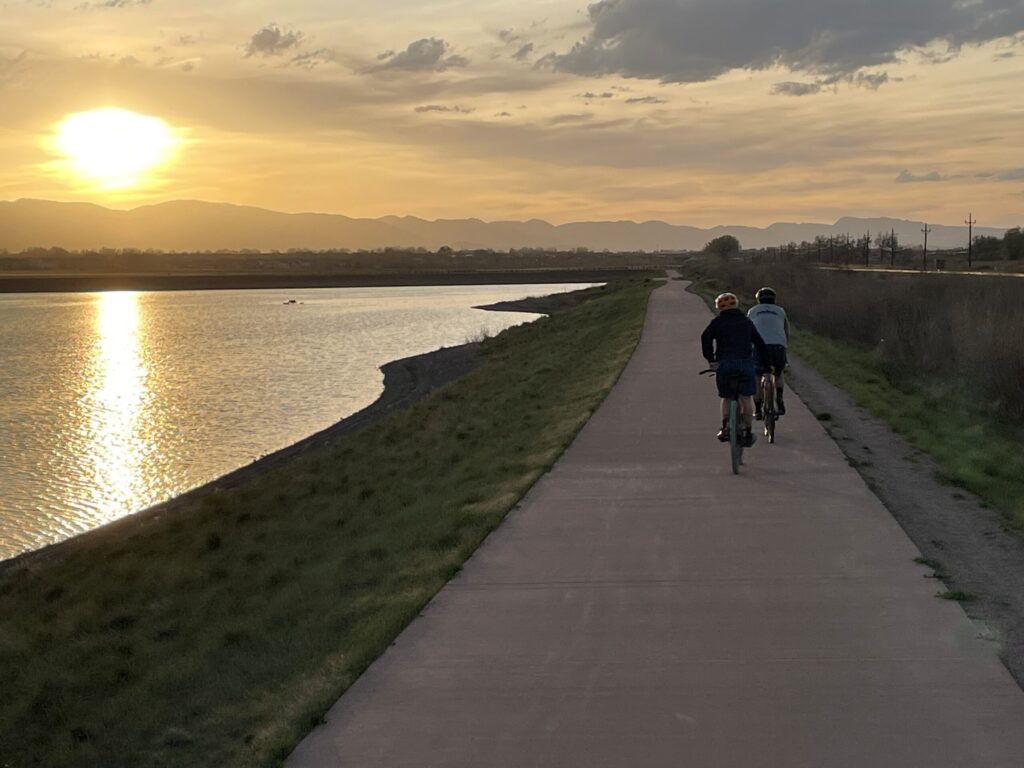
‘A major accomplishment’: Poudre River Trail nears completion, touring 45 miles in northern Colorado
Seth Boster
seth-boster@denvergazette.com
Updated 8 hours ago
In northern Colorado, around a leafy preserve fed by the Poudre River and old farmland left between ever-growing neighborhoods, crews have been building a trail that will stretch about a mile. Only about a mile ー fairly small in one...

Seth Boster
Reporter
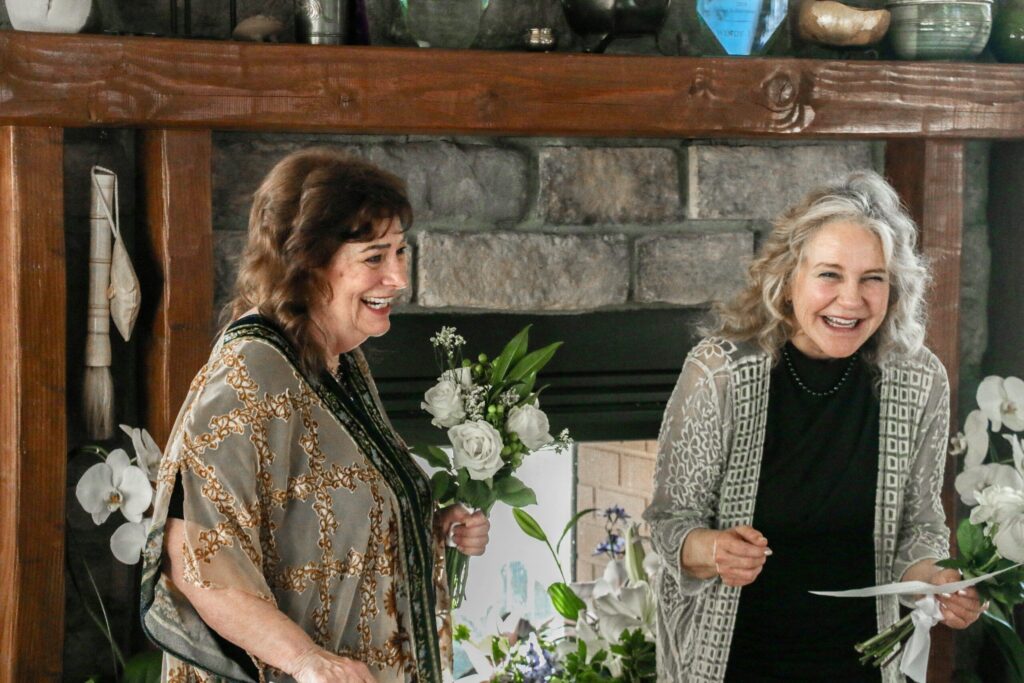
Why two widows who loved the same man married each other
John Moore
john.moore@denvergazette.com
Updated 2 hours ago
The marriage of Wendy Ishii and Bo Dimon is the story of creative conflict resolution, forgiveness and financial pragmatism LAPORTE – When Bo Dimon learned that Wendy Ishii keeps a voodoo doll of her on her fireplace mantle – and she...

John Moore
Reporter
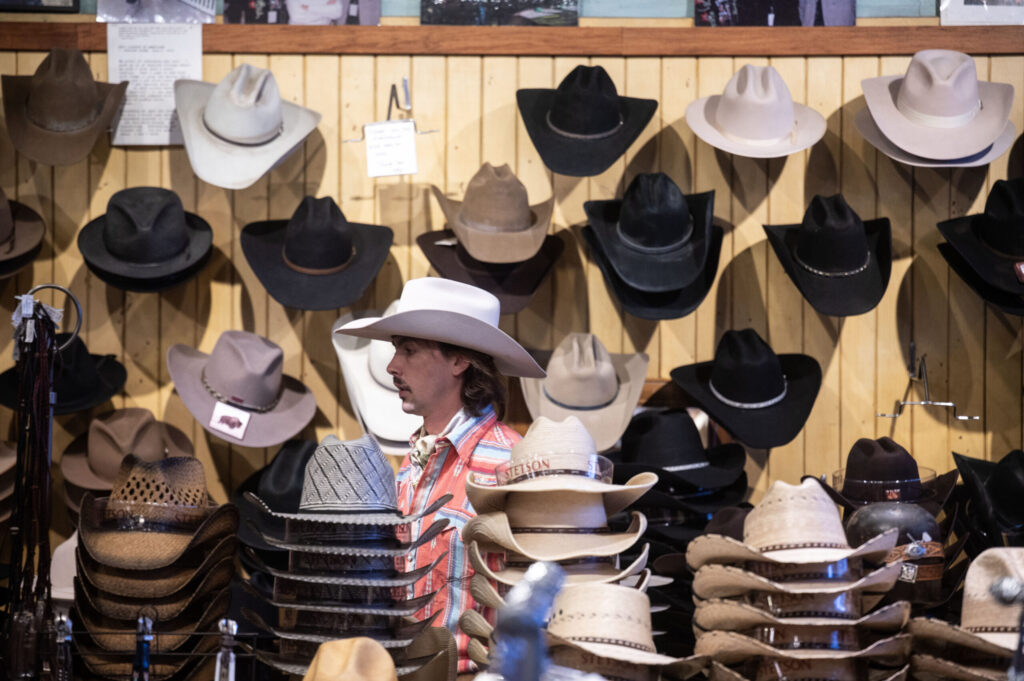
Rockmount — maker of Western wear for rock stars and truckers — turns 80 this year
Bernadette Berdychowski
bernadette.berdychowski@denvergazette.com
Updated 2 days ago
While most clothing labels follow the latest trends or aim to make new ones, Rockmount Ranch Wear is content with the Western style it fashioned nearly 80 years ago. Its Lower Downtown shop — showcasing the Western wear it spread...

Bernadette Berdychowski
Reporter

This winter, treat yourself to theater with music, mirth or meat on its bones
John Moore
john.moore@denvergazette.com
Updated 4 days ago
The top 2026 trend in local theater: Companies are moving their plays from city to city staged for your enjoyment and convenience There is an embarrassment of riches on Colorado theater stages this winter. And, to a growing degree, you...
John Moore
Reporter
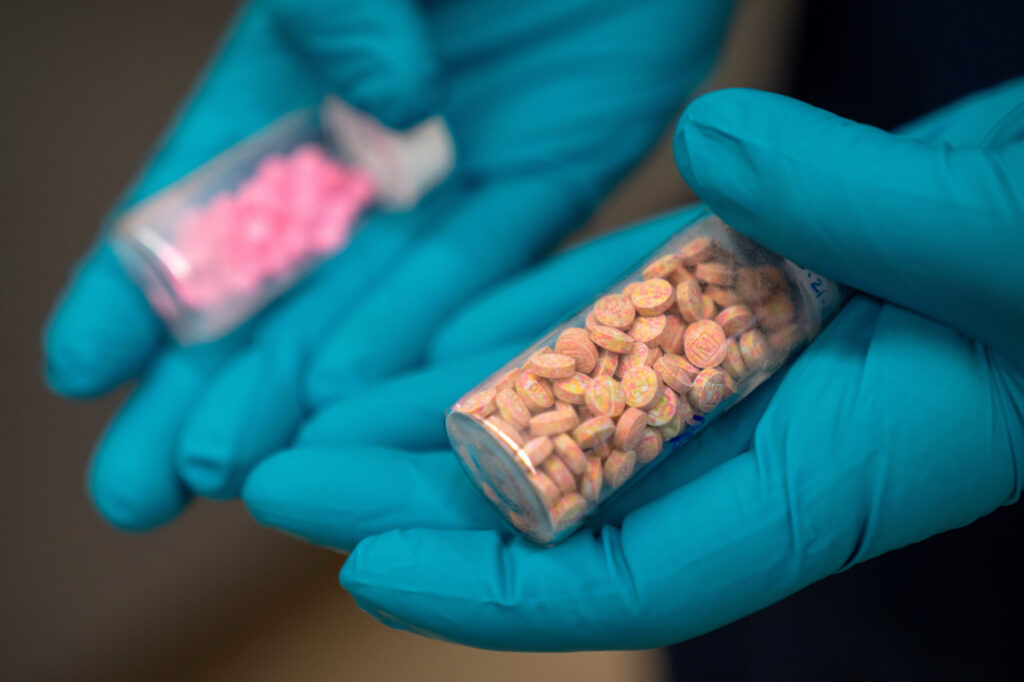
U.S. overdose deaths fell through most of 2025, federal data reveals
The Associated Press
the-associated-press@denvergazette.com
Updated 5 days ago
NEW YORK — U.S. overdose deaths fell through most of last year, suggesting a lasting improvement in an epidemic that had been worsening for decades. Federal data released Wednesday showed that overdose deaths have been falling for more than two...

The Associated Press
Reporter

Doctors: Changes to U.S. vaccine recommendations are confusing parents
Bob Smith
bob.smith@gazette.com
Updated 6 days ago
Dr. Molly O’Shea has noticed growing skepticism about vaccines at both of her Michigan pediatric offices and says this week’s unprecedented and confusing changes to federal vaccine guidance will only make things worse. One of her offices is in a...

Bob Smith
Reporter

PHOTOS: Mexican Rodeo Extravaganza
Jerilee Bennett
jerilee-bennett@denvergazette.com
Updated 6 days ago

Jerilee Bennett
Reporter

Grateful Dead founding member Bob Weir dies at 78
The Associated Press
the-associated-press@denvergazette.com
Updated 1 week ago
LOS ANGELES — Bob Weir, the guitarist and singer who as an essential member of the Grateful Dead helped found the sound of the San Francisco counterculture of the 1960s and kept it alive through decades of endless tours and...
The Associated Press
Reporter

Snow farming: How some Colorado ski areas combat a dry winter
Seth Boster
seth-boster@denvergazette.com
Updated 1 week ago
When the snow isn’t falling at some Colorado ski areas, the directive is simple. Go find it. “We gotta do what we gotta do,” said Tim Kerrigan, vice president of mountain maintenance at Ski Cooper. And it might sound simple,...
Seth Boster
Reporter

AROUND TOWN: Holiday Debutante Ball has 58-year tradition
Linda Navarro
linda-navarro@denvergazette.com
Updated 2 weeks ago
Ten young women in traditional formal white gowns, long gloves and pearls were presented as the 2025 Colorado Springs Debutantes in a sparkling December ball in Broadmoor International Center. The evening’s floral theme was “Velvet and Vines” and special flowers...

Linda Navarro
Reporter
PREV
PREVIOUS
Avalanche forecasting begins in Colorado, with new education tool available
While snow has yet to significantly pack across Colorado’s mountains, a careful watch has begun. With the start of November came the start of Colorado Avalanche Information Center’s daily forecasts — meant to inform skiers, snowmobilers, snowshoers and all backcountry travelers of terrain prone to sliding. When it comes to avalanches, the state is known […]

Sisters spread their wings through the joy of art in the ashes of Guatemalan tragedy
DISPATCH FROM THE DENVER FILM FESTIVAL • DAY 6 There were only three words to describe the atmosphere at MCA Denver’s Holiday Theatre on Monday afternoon: Joy. Ebullience. Gratitude. Astonishing, given the road young sisters Lupe and Lesli Perez have taken from the rugged outskirts of Guatemala City to the Denver Film Festival, which just welcomed […]