







Colombian artists transform Pablo Escobar’s hippos and excesses into art

BOGOTA, Colombia — Colombian photographer Édgar Jiménez walks around a room exhibiting “Adam and Eve,” his portrait of two of the first hippopotamuses that were brought to Colombia by late drug kingpin Pablo Escobar in the 1980s.
Jiménez, who once served as Escobar’s personal photographer, recalls taking the picture from only four meters (13 feet) away, without any kind of protection and unaware of the danger they posed. That same pair of hippos later attacked and killed a camel.
“The hippos were bought from a zoo in the United States that buys and captures animals from Africa,” recalls the 75-year-old photographer, who was also tasked with keeping an inventory of all the animals housed at Escobar’s Hacienda Nápoles in the country’s northeast.
Escobar continued adding to his hippo collection until his death in 1993. The population has since exploded to more than 160 specimens, which have been declared an invasive species in Colombia.
Jiménez, who considers his photos of Escobar’s life to be documentaries, doesn’t typically exhibit them but he was invited to participate in “Microdoses to Tame the Inner Hippopotamus,” a new exhibition in Bogotá featuring 20 artists who offer a political critique of what the hippos represent.
Santiago Rueda, curator of the exhibition, said the show does not intend to be moralizing but invites people to see how such a paradoxical figure as Escobar’s hippos can be the subject of a political critique. The exhibit features everything from oil paintings and graffiti to photographs and a unique cultivation of psychoactive mushrooms grown in hippo dung.
Rueda pointed to a tapestry by artist Carlos Castro as a prime example. Depicting Escobar alongside wild animals descending two by two from a large military aircraft — an allusion to Noah’s Ark — Rueda explained the piece is called “The Great Narco Ark” (“La gran narco arca”).


Colorado Springs officials oppose Space Command lawsuit; AG won’t back down
Mary Shinn
mary-shinn@denvergazette.com
Updated 4 hours ago
As Colorado Springs and El Paso County officials oppose a lawsuit against the Trump administration over relocating Space Command to Alabama, the state Attorney General’s Office says it won’t back down. “Some elected officials may choose to accommodate the Trump...

Mary Shinn
Reporter

Denver approves new police uniforms, construction of Cuernavaca Park building
Deborah Grigsby
deborah.smith@denvergazette.com
Updated 4 hours ago
Denver City Councilmembers made quick work of Tuesday’s agenda, approving resolutions for the purchase of new police uniforms and the construction of a new Denver Parks and Recreation facility at Cuernavaca Park. The $1.5 million contract with Skaggs Companies is...

Deborah Grigsby
Reporter

Fort Carson soldier’s wife could be deported
Carol McKinley
carol-mckinley@denvergazette.com
Updated 4 hours ago
As the country’s largest immigration enforcement crackdown continues in Minnesota’s Twin Cities, a Fort Carson sergeant is fighting a personal immigration crisis — one that may implode his family. Sgt. Tyler Garza’s wife, Jennifer Maradiaga Baca, is not a legal...

Carol McKinley
Reporter

Federal judge recommends dismissing trans athletics lawsuit by area school districts
Eric Young
eric-young@denvergazette.com
Updated 5 hours ago
A judge has recommended dismissing a federal lawsuit filed by multiple school districts against the Colorado Attorney General’s and Civil Rights Offices over their policies dictating students’ participation in athletics and activities based on their biological sex rather than gender...

Eric Young
Reporter

Vice President JD Vance and his wife Usha Vance say they are expecting their fourth child
Ali Swenson
ali.swenson@associatedpress.com
Updated 5 hours ago
WASHINGTON (AP) — Vice President JD Vance and his wife, second lady Usha Vance, are expecting a son in late July, they announced in a social media post on Tuesday. The couple said they were excited to share the news...

Ali Swenson
Reporter
Appeals judge asks Colorado Supreme Court to once again clarify magistrate rules
Michael Karlik
michael-karlik@denvergazette.com
Updated 6 hours ago
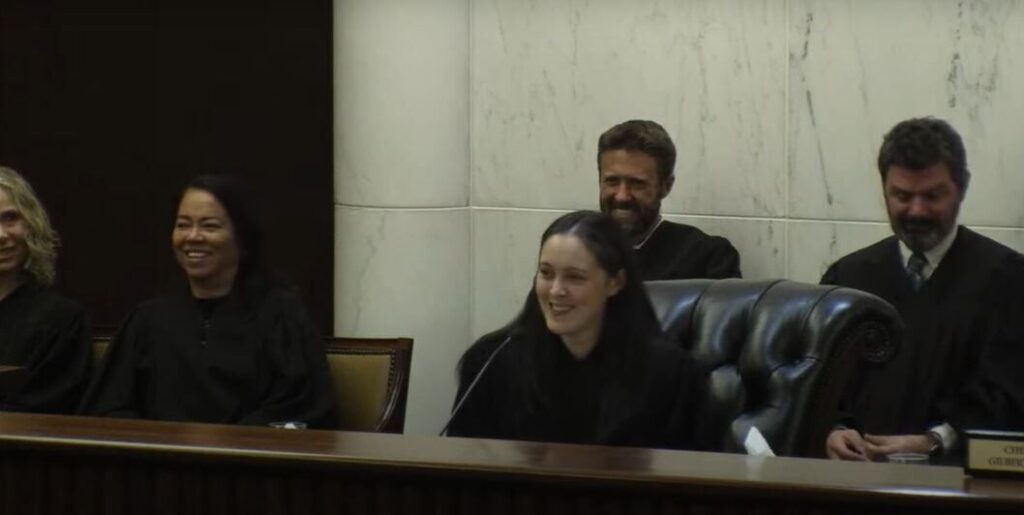
A member of Colorado’s second-highest court urged the state Supreme Court last week to revise confusing language in the rules governing magistrates, less than two weeks after an attempted cleanup of the rules took effect. Magistrates are judicial employees who are...

Michael Karlik
Reporter
Douglas County Board of Commissioners selects new chairman
Sage Kelley
sage.kelley@denvergazette.com
Updated 6 hours ago
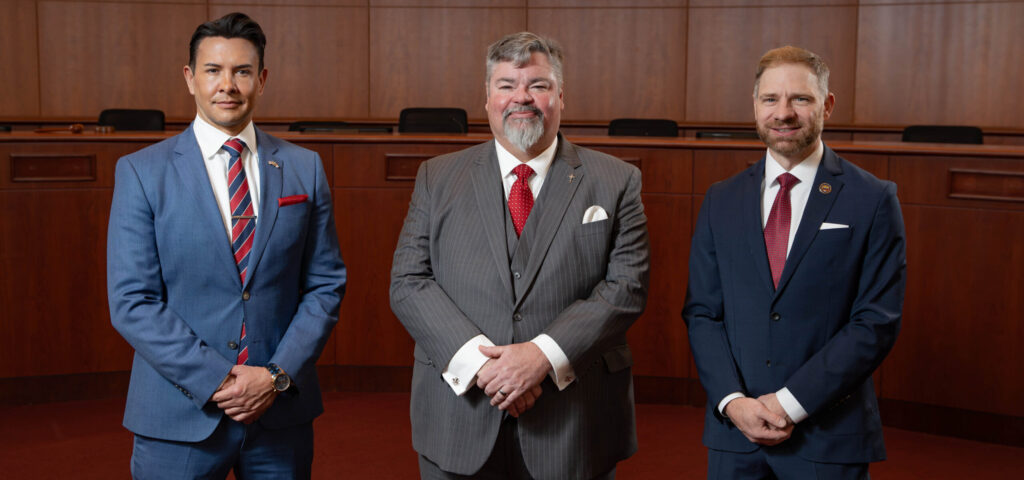
The Douglas County Board of Commissioners will have a new chairman in 2026, but not a new face. Commissioner George Teal was chosen to serve as chairman on Jan. 13 after serving on the board since 2021, according to a...

Sage Kelley
Reporter
PUC to hold public meeting on El Paso County rejection of Power Pathway permits
Scott Weiser
scott-weiser@denvergazette.com
Updated 5 hours ago
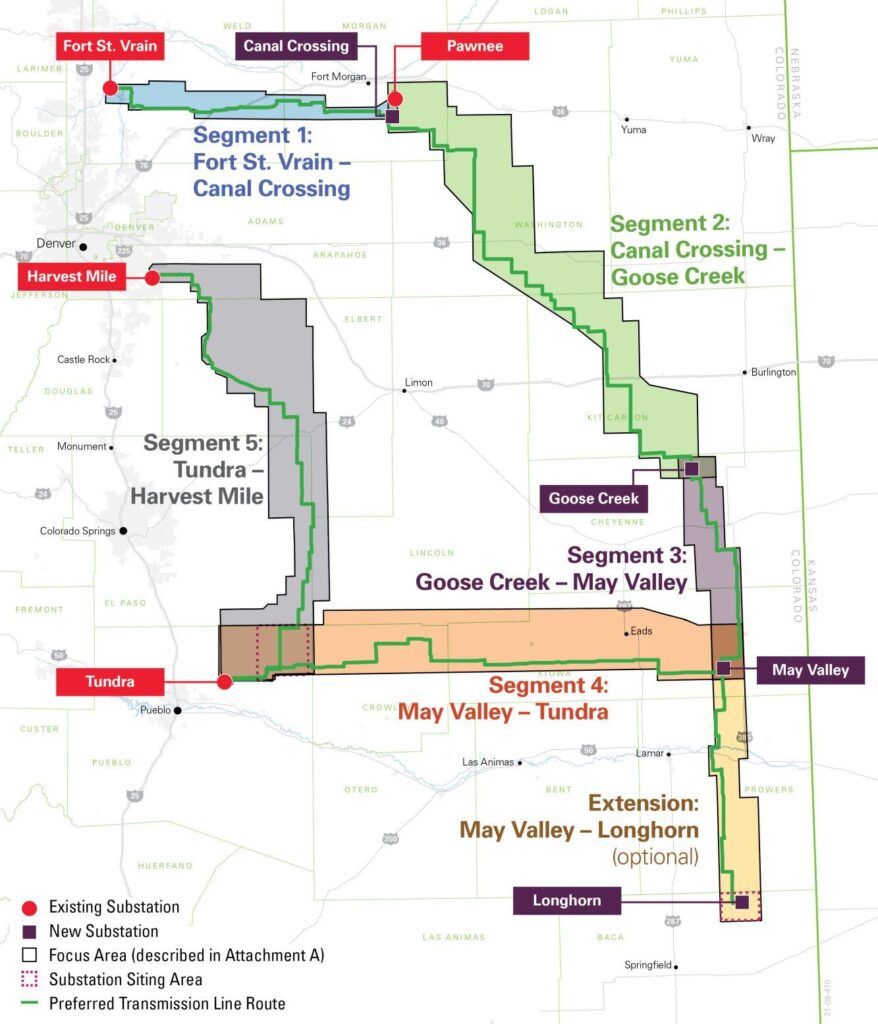
Colorado regulators plan a public hearing next week on Xcel Energy’s appeal to override El Paso County’s rejection of permits for a major transmission line segment. The hearing renews debate over a statewide renewable energy project that rural residents argue...

Scott Weiser
Reporter
PUC to hold public meeting on El Paso County rejection of Power Pathway permits
Scott Weiser
scott-weiser@denvergazette.com
Updated 5 hours ago
Colorado regulators plan a public hearing next week on Xcel Energy’s appeal to override El Paso County’s rejection of permits for a major transmission line segment. The hearing renews debate over a statewide renewable energy project that rural residents argue...
Scott Weiser
Reporter
Yo-Yo Ma to perform at Red Rocks with Colorado Symphony this summer
Stephen Barr
stephen.barr@gazette.com
Updated 5 hours ago
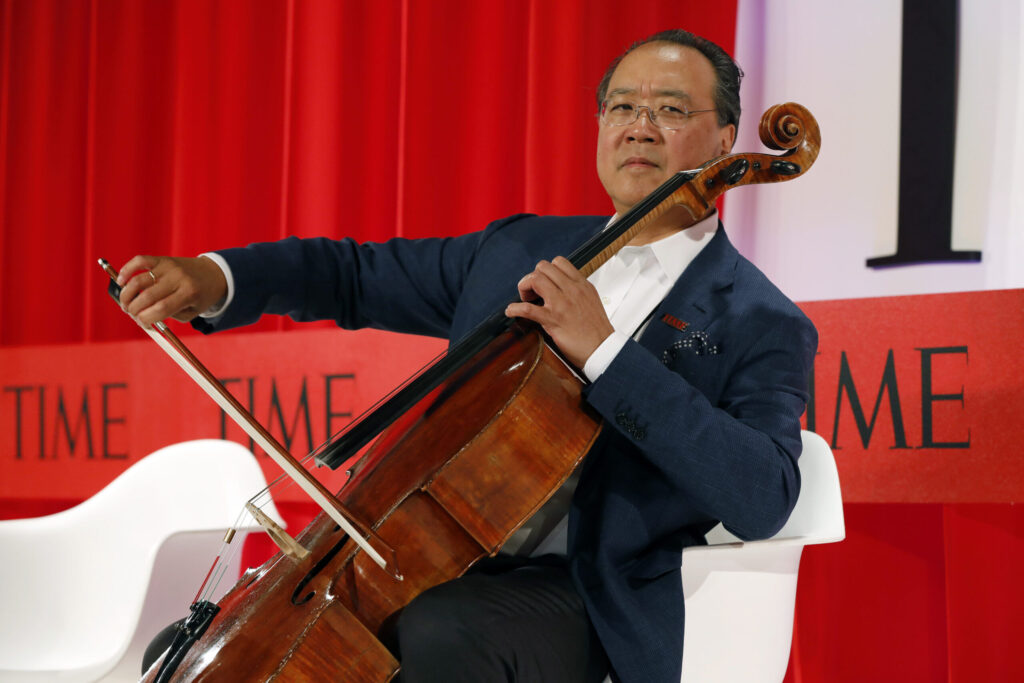
World-renowned cellist Yo-Yo Ma will join the Colorado Symphony under the stars at Red Rocks Amphitheatre June 3, the symphony announced Tuesday. The evening will begin with a “vibrant, all-American–inflected repertoire” performed by the Colorado Symphony and will close with “Dvořák’s Cello Concerto in B...

Stephen Barr
Reporter
PREV
PREVIOUS

Trump administration demands states 'undo' full SNAP payouts as states warn of 'catastrophic impact'
President Donald Trump’s administration is demanding states “undo” full SNAP benefits paid out under judges’ orders last week, now that the U.S. Supreme Court has stayed those rulings, marking the latest swing in a seesawing legal battle over the anti-hunger program used by 42 million Americans. The demand from the U.S. Department of Agriculture came […]
6 mountain communities increase lodging taxes, 2 reject the tax hike
Six mountain communities across Colorado voted on Tuesday to raise their lodging taxes after the state legislature passed a bill allowing counties to triple such taxes and spend the money on a wider range of projects, including public infrastructure, childcare and housing for workers. Lodging tax increases passed in Eagle, Gilpin, Hinsdale, Ouray, Routt and […]