Senate votes to ban intoxicating hemp products nationally
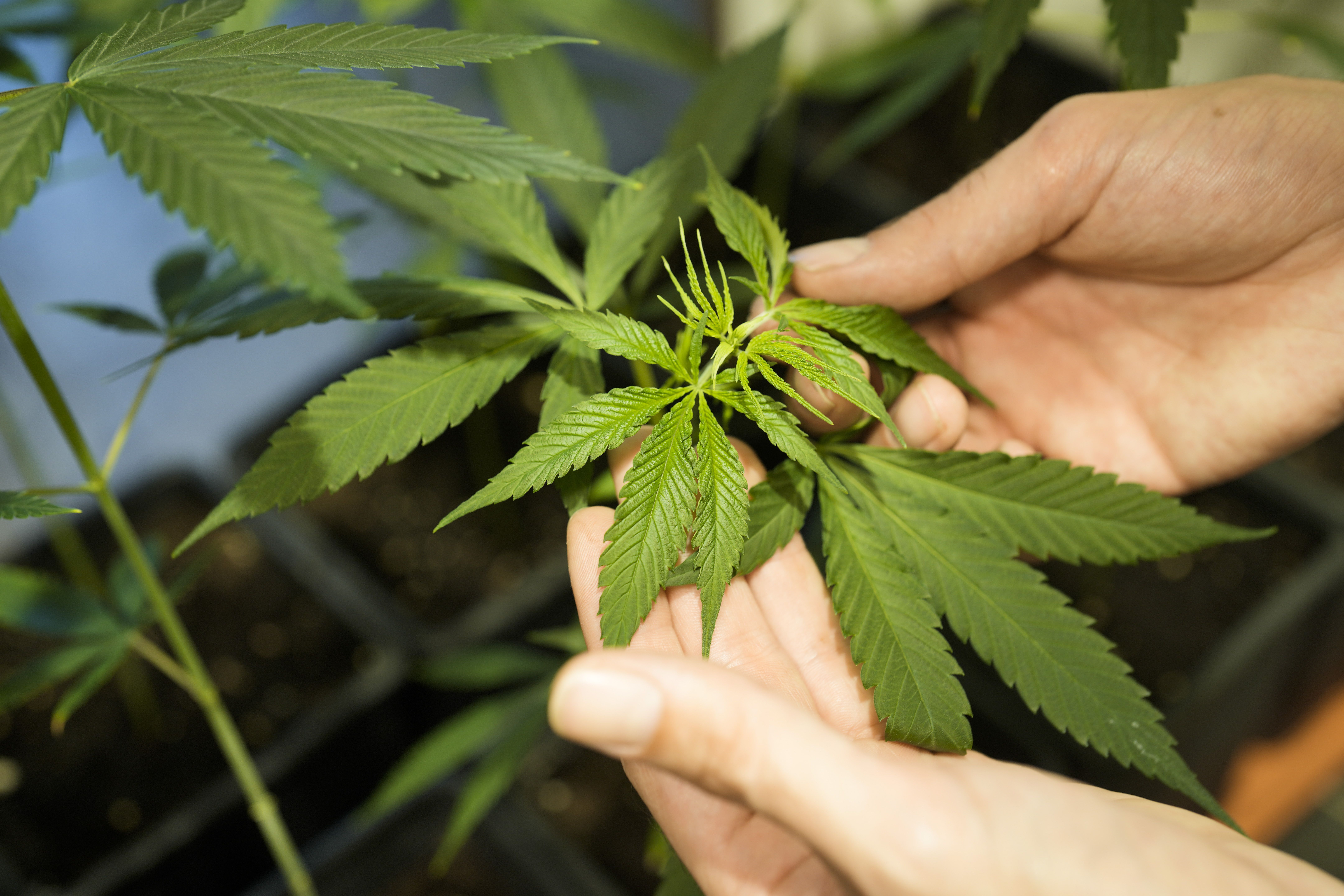
Legislation passed by the U.S. Senate late Monday will ban nearly all hemp-derived THC products, despite Kentucky GOP Sen. Rand Paul’s attempts to block the hemp-ban language from a part of the GOP-proposed deal designed to end the government shutdown.
Eight Democrats joined with GOP senators to support a Republican-led stopgap funding deal Sunday, which includes a continuing resolution to reopen the government through Jan. 30, 2026, as well as three full-year fiscal 2026 appropriations bills. One of the three bills includes proposed changes to federal hemp policy that would ban the unregulated sale of hemp-derived THC products.
The proposed bill adds various parameters to the definition of hemp, which would prevent “the unregulated sale of intoxicating hemp-based or hemp-derived products, including Delta-8, from being sold online, in gas stations, and corner stores, while preserving non-intoxicating CBD and industrial hemp products,” according to the bill’s summary.
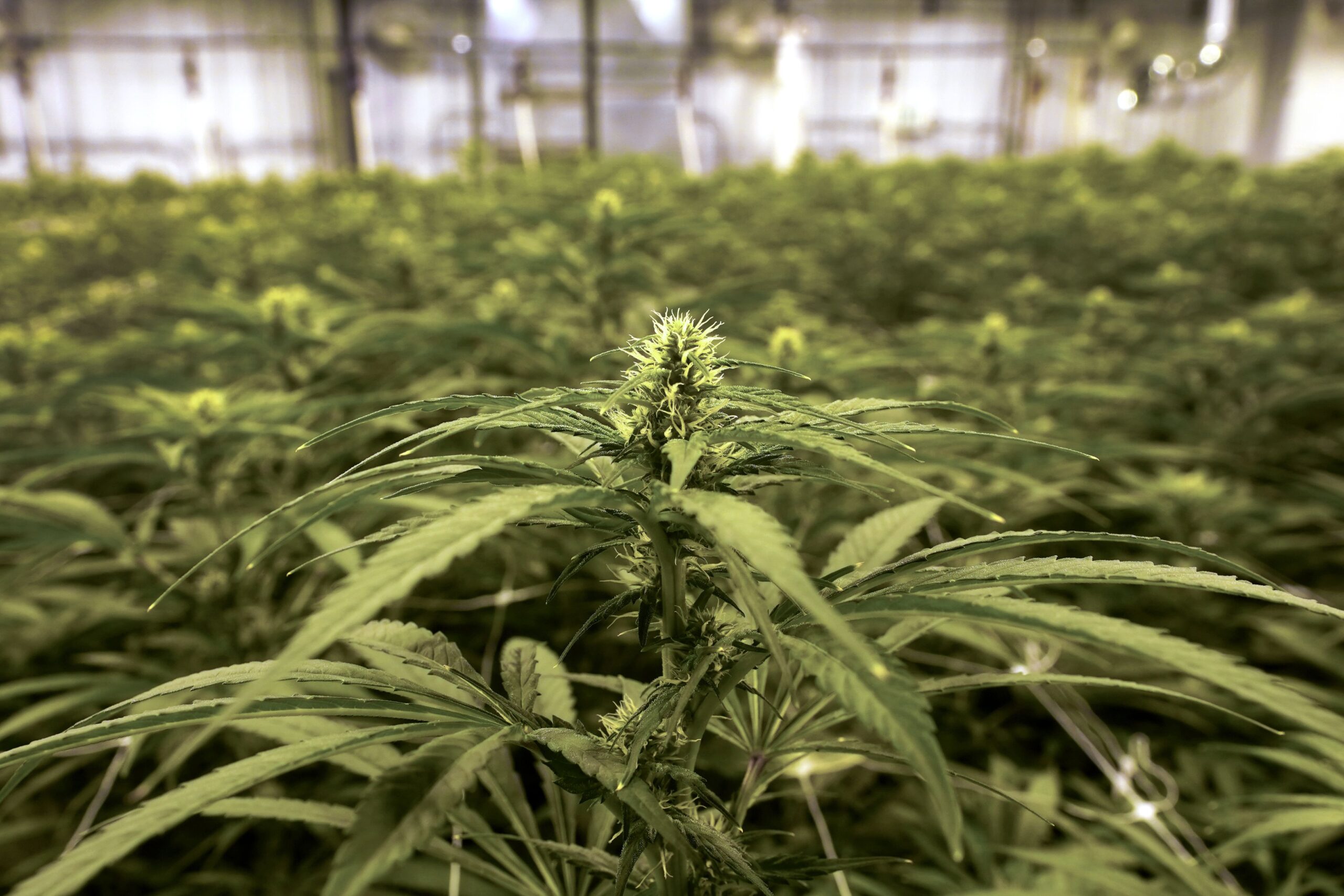
The hemp-ban legislation now heads to the U.S. House for consideration.
Colorado in 2022 and 2023 passed legislation that resulted in state regulators banning the sale of intoxicating hemp manufactured through chemical synthesis from the shelves of marijuana shops. That legislation also made it illegal to sell such products in Colorado, while carving out provisions that allowed Colorado hemp manufacturers to sell products elsewhere in the nation where hemp remains legal.
State regulators with Colorado’s Marijuana Enforcement Division have issued bulletins warning against hemp THC products manufactured through chemical processing, stating in those bulletins that they cannot ensure that those products aren’t toxic, possibly causing health problems for users.
Despite the ban on the sale of hemp-derived THC products in Colorado, marijuana cultivators and manufacturers in the state have continued to complain that cheap, synthetically-derived hemp products, such as vapes and edibles, have continued to end up on the shelves of marijuana dispensaries in the state.
Saguache-based Mammoth Farms, which advertises itself as the largest marijuana cultivator in North America, filed a lawsuit in March asking a Denver District Court judge to force Colorado to correct what the cultivator called marijuana testing flaws that resulted in consumers unwittingly buying hemp-derived vapes and edibles from marijuana dispensaries.
Denver District Court Judge Jill Dorancy dismissed the lawsuit, finding that Mammoth Farms first needed to formally petition the state for specific rulemaking around expanded testing before seeking judicial intervention.
Hemp-derived cannabinoids reached a total of $28.4 billion in annual sales across the nation, exceeding annual sales of marijuana products, according to a 2023 analysis by Whitney Economics, a firm that analyzes trends in the cannabis industry.
In Congress, Paul railed against the hemp-ban provision on X after filing an amendment to strike the proposed altered language.
“There is extraneous language in this package that has nothing to do with reopening the government and would harm Kentucky’s hemp farmers and small businesses. Standing up for Kentucky jobs is part of my job,” Paul said.
Paul “affirms his commitment to reopening the government without delay,” his deputy communications director, Gabrielle Lipsky, told the Washington Examiner, but he is committed to fighting the hemp ban.
“However, he objects to the inclusion of provisions in the government-funding package that unfairly target Kentucky’s hemp industry — language that is unrelated to the budget and the government-reopening goal,” Lipsky said. “Dr. Paul will work to ensure that the final bill excludes this unrelated language to defend the livelihoods of Kentucky farmers, hemp processors, and manufacturing jobs.”
The language in the proposed appropriations bill comes after a loophole in the 2018 farm bill spurred a surge in the sale of easily accessible hemp-derived THC products in convenience stores and gas stations nationwide.
Paul’s fellow Kentuckian, Republican Sen. Mitch McConnell, has been on the opposite end of this saga, leading the charge in the Senate for stricter regulations on hemp.

McConnell spoke on the Senate floor in August in front of images depicting Delta-8 THC products that look similar to candy. He noted a University of Kentucky study that showed spiking cannabis-related emergency room visits among children.
The Texas Hemp Business Council, an industry advocate, criticized McConnell’s hemp regulation advocacy on X, writing Sunday that he “quietly (slipped) a hemp ban back into the funding bill.”
McConnell’s office offered no comment when contacted by the Washington Examiner.
The Hemp Industry and Farmers of America, another industry advocate, amplified Paul’s amendment on its social media pages, calling the saga a “critical moment for (the) hemp industry.” U.S. Hemp Roundtable has also vouched for Paul’s amendment and called the moment “DEFCON1 for hemp.”
On McConnell’s side of the coin, groups such as Smart Approaches to Marijuana have raised alarm bells on the loophole for several years and helped craft the language used in the proposed appropriations bill.
“These changes are crucial because hemp-derived Delta-8 and Delta-9 THC, two of the most popular drugs this industry pushes, are linked to horrific physical and mental health consequences — everything from hallucinations, vomiting, tremor, anxiety, dizziness, confusion, and loss of consciousness to severe psychosis-like events and severe illness and hospitalizations for children,” said Luke Niforatos, SAM’s executive vice president.
SAM’s government affairs director, Jordan Davidson, ripped Paul on X as the “champion” of the hemp industry.
“As we wrap up the fight against intoxicating hemp, I’d like to take a moment to give a huge shoutout to the hemp industry for picking Rand Paul, the least popular Senator, as its champion,” Davidson said on X.
Senior investigative reporter Christopher Osher contributed to this article.
PREV
PREVIOUS

Colfax revitalization begins after Aurora voters approve downtown development authority
Aurora city officials will take the next steps in revitalizing the Colfax Avenue corridor after voters approved the creation of a downtown development authority by a wide margin last week. Councilmembers in July unanimously approved taking the question to voters, who needed to approve the creation of the Aurora Downtown Development Authority in order for […]

Jefferson County declares emergency over stalled SNAP funds
Calling it a “humanitarian crisis,” Jefferson County has declared an emergency disaster as uncertainty over the federal food stamp program hangs in the air. The county issued the order on Saturday, allowing the county to create an emergency operations center and shift county resources toward providing food to those in need. County commissioners also sent […]