





How to handle a backcountry emergency: Prevention, when to call for help, and more
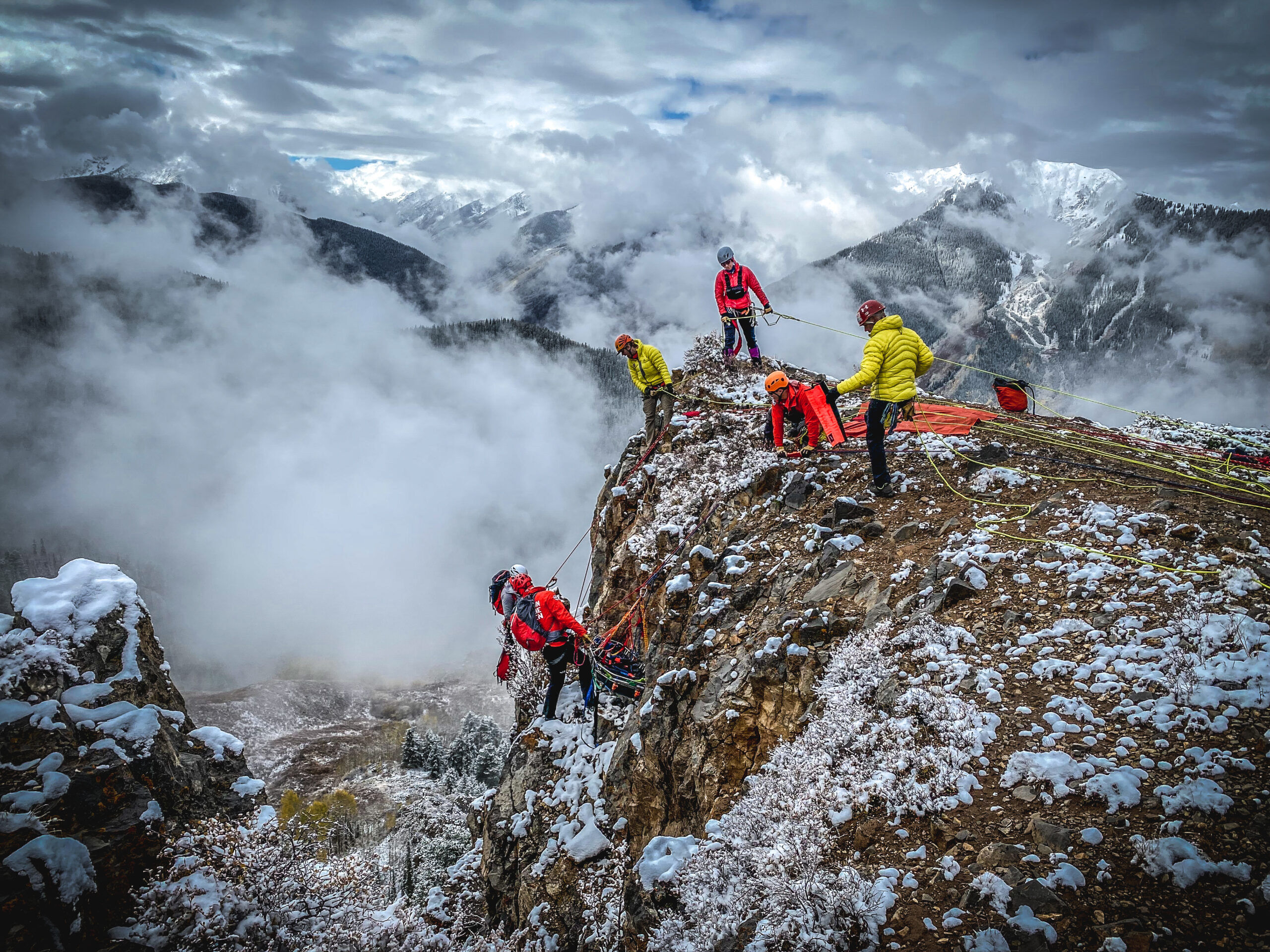
Written by: Anna DeBattiste; Colorado Search and Rescue Association (Check out our podcast with Anna on Apple or Spotify to learn more about search and rescue in Colorado)
Have you ever thought about what you would do if you or a member of your party were lost or injured in the backcountry? Exactly what steps would you take, in what order? We tend to expect it will never happen to us, but it’s a good idea to have a plan, just in case.
The first step, of course, is to be proactive in planning so the emergency doesn’t happen in the first place, and so you are prepared to survive if it does. Before you go:
- Check the forecast – both the weather forecast, and the avalanche forecast during the snow season.
- Always tell someone where you’re going and when you’ll be back. Share specific details, including the location of the trailhead, planned route, vehicle description, pertinent medical conditions, and equipment carried. Call that person immediately when you are out of the backcountry.
- Avoid traveling alone on extended or more technical adventures, especially in avalanche terrain.
- During the snow season, ensure everyone in your party has an avalanche transceiver, avalanche probe, and shovel and knows how to effectively use these tools. Perform a transceiver check before heading out.
- Carry a fully charged cell phone and spare batteries. Recognize that cell phone service may not always be available. Use airplane mode so the battery doesn’t drain as quickly and don’t use unnecessary apps. A GPS app should still work in airplane mode.
- Consider investing in a satellite messaging or communication device if you are a frequent recreationist in more remote areas of the backcountry.
- Download a GPS application on your phone to prevent getting lost and to help identify your location if you do need help. COTREX is a great app if you’re in Colorado but there are many good ones available. The best app is the one you know how to use. Also, remember that maps and compasses don’t have battery failures.
- Carry the essentials in your backpack – not just the essentials you need for your planned outing, but also what you will need if something goes wrong and you have to wait for rescue.
If, despite your best efforts at preparation, you or someone else needs help, communication and knowing your location are crucial. Here are some steps you can take once the emergency has happened:
- If others are nearby, ask them for help.
- If you or a companion are injured, call or text 911 if you have a cell signal. Texting uses less phone power.
- If someone is buried in an avalanche:
- If safe, conduct a transceiver search, dig to subjects, and provide first aid.
- Call/text 911 as soon as reasonable. Recognize that SAR response will take time and you are your companion’s best chance of survival.
- Dispatch and SAR will want your location coordinates. Know how to get them off your phone or map. Also, include a detailed description of where you are and how you got there.
- To preserve your cell phone battery, don’t call or contact others. The sheriff or SAR team may establish a check-in schedule with you so you can turn your phone off to preserve this vital communication link.
- If a battery is draining quickly because it got too cold, warm it up inside your coat.
- If you are the designated person reporting an overdue backcountry user, use this county map to identify what county the trailhead is in. Then call that county’s sheriff’s office.
Once a report has been made and you are waiting for help, stay where you are! A team is likely headed toward your last known coordinates, so if you move, you will make things more difficult for them and delay the rescue. Keep your group together and take steps to keep everyone warm. Get out of the wind and consider building a snow shelter. Use all available clothing, and sit on your pack or other items to minimize contact with the cold ground.
If you are lost, you may be able to retrace your path in the snow during the winter. When there’s no snow to show your tracks, however, don’t keep moving. Slow down and make a plan. Contact 911 if possible; at times a SAR team can talk you out of the backcountry over the phone without even launching a response. If you can’t get a cell signal, try backtracking as best you can while checking for cell coverage at high points.
Lastly, if you need help, please don’t delay calling! Colorado SAR teams do not charge for their services. When injured or lost parties delay calling because they’re ashamed to call or think they might be charged, it results in increased risk for both you and the rescuers. We want you to be prepared before you head into the backcountry, but we’ll be there for you if you need us. Don’t be afraid or embarrassed to call.
Are you interested in supporting the backcountry SAR community in Colorado? Here are some ways to do it:
- Enjoy Colorado safely by educating yourself and friends on backcountry safety and being prepared
- Support a local BSAR team as a donor, or perhaps as a member. You can read about joining a team here
- Donate to the Colorado Search and Rescue Association, which provides services and resources to all the teams
- Buy a CORSAR card on Colorado Parks and Wildlife’s license page. CORSAR cards are not insurance, and there is no charge for backcountry rescue in Colorado whether you have the card or not. But it’s a good way to chip in on the equipment and training expenses of nonprofit teams.
RELATED: Sign up for our free daily newsletter to get top headlines in your inbox
Get OutThere
Signup today for free and be the first to get notified on new updates.

PREV
PREVIOUS

Colorado rancher says mountain lion may have killed horse
It’s no secret that mountain lions are often to blame for missing dogs and cats in Colorado – but a dead horse? A rancher told FOX 31 that might be the case. Per the FOX 31 report, a Fort Collins area rancher is warning his neighbors, hikers, and riders to be on alert after three […]

Tickets for 2026 Telluride Blues & Brews Festival to go on sale in upcoming days
Are you a fan of bluegrass, beer, and Colorado? If so, now is the time to start making plans for next summer. Early Bird 3-Day Passes for the popular Telluride Blues & Brews Festival are set to go on sale a bit earlier than normal, with ‘loyalty pre-sale’ tickets for returning ticket holders to be […]