




Is a larger beaver population in Colorado possible? It’s complicated.
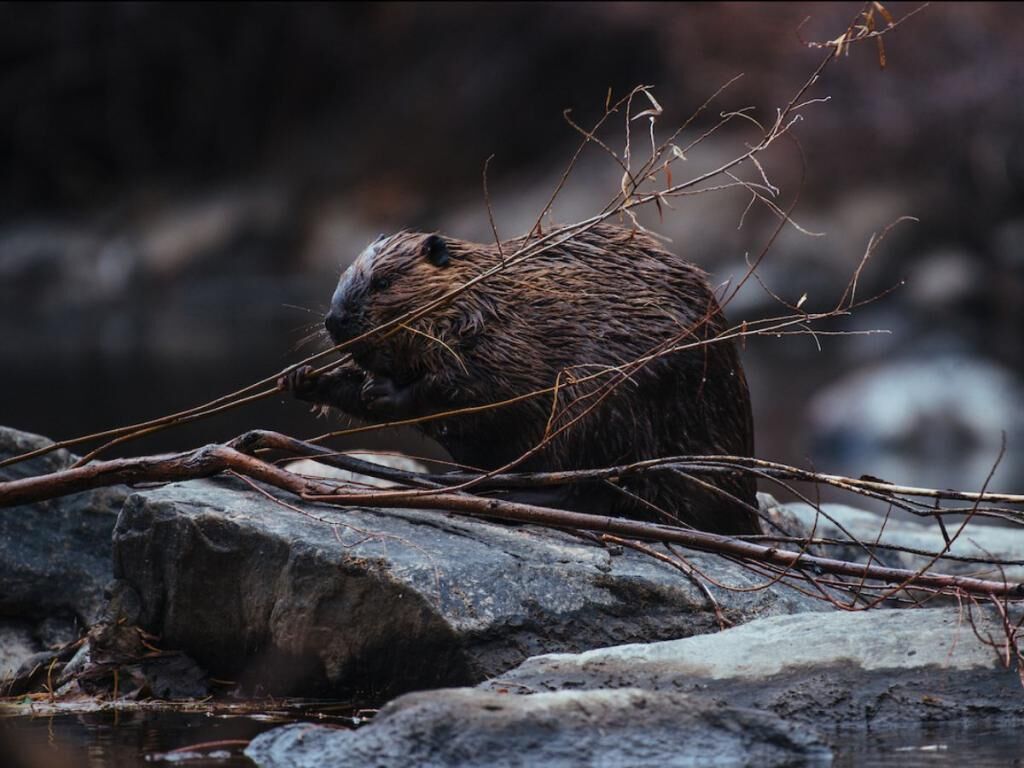
Colorado Parks and Wildlife wants to see more beavers back at their historic range in the state.
That’s clear from the “overarching goal” stated in a recently released draft strategy: “Increase beaver populations and beaver-occupied wetland habitats in Colorado until social or ecological carrying capacity is reached.”
Those social and ecological factors are complicated — also clear from the 125-page document called the Beaver Conservation and Management Strategy, or simply the Beaver Strategy.
It’s described as “a higher-level foundational document for beaver management, articulating major goals, needs and recommended actions” as “staff, stakeholders and the public have increasingly called for a more proactive and coordinated approach.”
It’s all aimed at achieving that “overarching goal” of boosting a population that was decimated by fur trappers through the 1800s in Colorado and across North America. Estimates suggest 400 million beavers might have made home on the continent prior to European settlement.
The Beaver Strategy points to a study placing Colorado’s dam-building population today somewhere between 43,000 and 64,000. The document points to another study suggesting Colorado has lost more than 50% of its wetland acres since the 1800s.
And the document details the ecological ramifications of that decline. Impacts were known in 1902 by Colorado Game and Fish Commissioner Charles W. Harris, who was quoted in a newspaper article that year: “Years ago there were millions of beaver in the mountains of Colorado, and no one ever complained of a shortage of water then, but the value of their pelts doomed them to destruction.”
With them has gone a natural way of water. In building dams, beavers are known to affect stream flows in a way that guards against flooding, protects water quality by controlling debris and combats drought by recharging groundwater. Beaver dams can help green up valleys and attract birds, insects and other animals big and small — hence beavers’ reputation as a “keystone species.”
And beavers help maintain healthy forests and mitigate catastrophic wildfires, the Beaver Strategy continues: “Through their foraging activities, beaver fell and chew trees and shrubs, changing habitat structure and sometimes stimulating new growth of woody species such as willows and cottonwoods.”
In a previous Gazette report, Colorado State University expert Ellen Wohl called beavers “the charismatic face of trying to make river networks more resilient to extremes.”
Which helps explain what Colorado Parks and Wildlife has viewed as “a major wildlife conservation movement” playing out across North America.
In Colorado and beyond, land and water managers have been building structures to replicate beaver dams while making other attempts to entice beavers back to former places. Elsewhere, beavers have been translocated — one idea listed in the Beaver Strategy.
CPW reports translocating 30 beavers on average annually over the past five years. But “across Colorado there are thousands of acres of historical beaver habitat that have not been occupied by beavers in more than a decade and are potential candidates for restoration,” the draft plan states.
The document lists certain factors lending to suitable sites, including hydrology, slopes, woody vegetation, food availability and that decade time period that might indicate beavers had a fairly recent chance at a home.
But “social” complexities must also be taken into account, the draft Beaver Strategy explains, alluding to “hundreds of human-beaver conflicts” every year and “the complex framework of human land and water use in Colorado.” Among other considerations, CPW has recognized “some uncertainty around the relationship between beaver dams and Colorado water law and administration.”
The Beaver Strategy adds: “In many cases, there are nonlethal solutions to beaver-human conflicts, but there will also be situations where beaver removal may be needed. The most common of these situations being beavers in agricultural ditches.”
The document details potential “coexistence” efforts while maintaining an avocational harvest that’s been open to licensed hunters from Oct. 1-April 30. The proposed strategy also calls for ways to better track populations and monitor habitats.
The draft Beaver Strategy has been posted at EngageCPW.org, where written feedback can be submitted through Dec. 17. CPW anticipates publishing a final strategy in February.
Get OutThere
Signup today for free and be the first to get notified on new updates.
PREV
PREVIOUS

Coalition urges Gov. Jared Polis to move forward with Northern Front Range passenger rail project
A coalition of elected officials, organizations and advocates is urging Gov. Jared Polis and the state’s transportation agencies to move forward with an initiative to create a passenger rail service connecting Denver and Fort Collins. A series of letters sent to Polis, the Regional Transportation District (RTD), the Colorado Department of Transportation, and the Front […]
Denver weather: Early clouds lead to sunny skies Tuesday ahead of potential snow Saturday morning
Cooler conditions Tuesday are forecast around metro Denver as cloud cover keeps the city in the shade most of the day, however, the sun should peep its face from behind the clouds in the afternoon and bring some warmth back before sunset. Denverites can expect mostly cloudy skies today, then gradually becoming sunny, with a […]