







Colorado regulators target oil and gas emissions anew
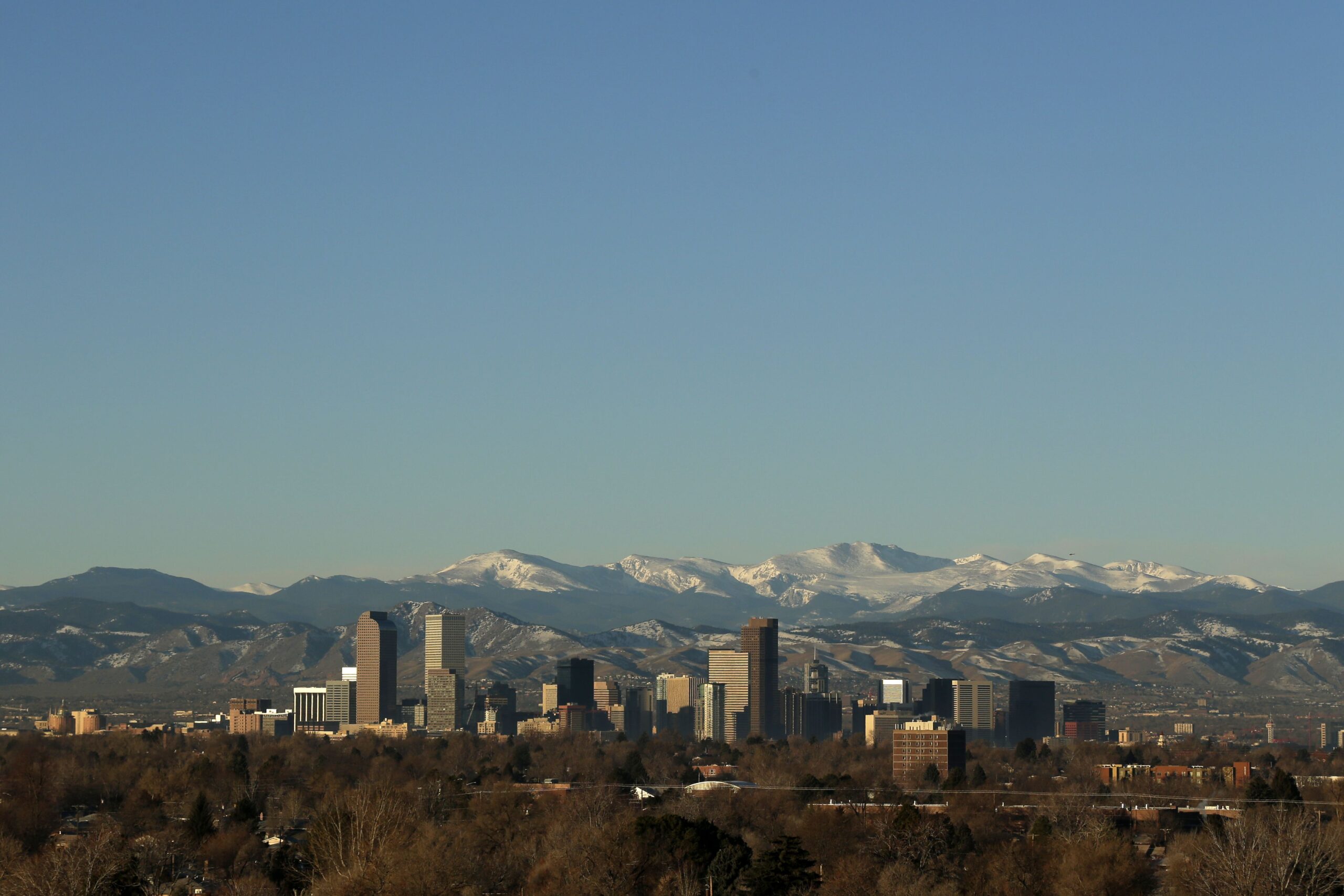
A Colorado commission is mandating an additional 50% cuts in nitrogen-oxide emissions from oil and gas operations by 2030.
The Denver basin has a serious problem with summer ozone, though more than half of that comes from wildfires, pine trees and factories from as away as Asia, according to studies by the state and universities.
On Nov. 20, the Air Quality Control Commission voted, 7-2, to require the added cuts. Local oil and gas operations contribute a smaller share – 20% to 30% – of smog-forming chemicals, the Regional Air Quality Council earlier reported.
Amendments to several state rules regarding ozone cover the nine-county Denver Metro/North Front Range ozone nonattainment area.
The Front Range now faces three overlapping federal ozone standards at once. The Environmental Protection Agency tightened the limit from 84 parts per billion in 1997 to 75 parts per billion in 2008 and then to 70 parts per billion in 2015. Each change locked in new deadlines and classifications.
Colorado already meets the old 1997 standard. Officials expect the area to meet the 2008 standard by 2026. The state remains years away from the strict 2015 limit.
Industry groups have asked Gov. Jared Polis to file the paperwork for federal waivers for “imported” pollution to avoid another air quality downgrade that means more stringent emissions regulations. Regulators refused the request.
In a statement, the Colorado Oil and Gas Association said the adopted rules represent significant new requirements for the industry, though it provides a workable path forward that avoids the most burdensome proposals.
In a letter to agency directors, Polis said the action will significantly improve air quality and contribute to Colorado’s efforts to achieve reduced and safer levels of ozone pollution, with immediate cuts in ozone-causing chemicals in Colorado’s air in the next two years and the largest regulatory reduction in NOx from oil and gas in Colorado’s history.
Last year, former Colorado Oil and Gas Association president Dan Haley said emissions from the state’s oil and natural gas industry have been decreasing for the past several years and the industry continuously works to reduce ozone and protect air quality.
The new rules force faster leak repairs, quarterly inspections with infrared cameras, and zero-emission equipment on all new wells and compressors. Companies also face tighter limits on diesel trucks, while the aerospace industry will have to reduce emissions from industrial coatings.
State models predict the rules will lower peak ozone 10 to 15 parts per billion, the Air Pollution Control Division said. Officials expect the area to meet the 2008 ozone standard by 2026.
The commission rejected absolute caps on total emissions.
Compliance reports begin in November 2026.