





DEA continues run of drug busts, announces seizure of over a million fentanyl pills in Rocky Mountain region
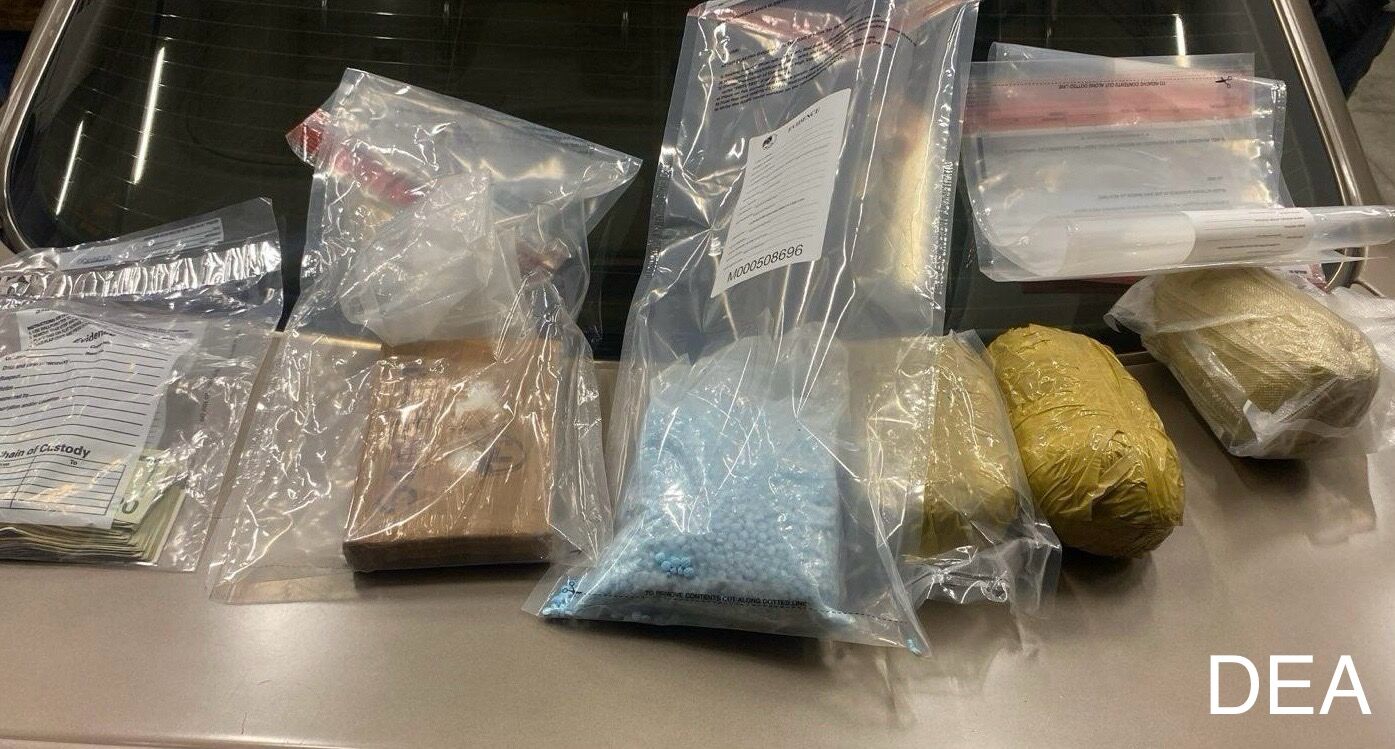
Federal authorities announced Wednesday the seizure of more than one million fentanyl pills during a four-state operation in October.
Between Colorado, Utah, Montana and Wyoming, officials seized over 1.05 million individual pills, over 3.5 kilograms of fentanyl powder — enough to yield more than 1.7 million additional pills — and over $500,000 in U.S. dollars, according to a Wednesday news release from the Rocky Mountain Field Division of the U.S. Drug Enforcement Agency.
“What we’re really trying to do is disrupt the supply chain that’s going by hitting so much fentanyl at one time,” said the RMFD’s Special Agent in Charge David Olesky in an interview with The Denver Gazette. “The cartels know that what we’ve been doing at the DEA and across the world, that we’re not going to tolerate fentanyl.”
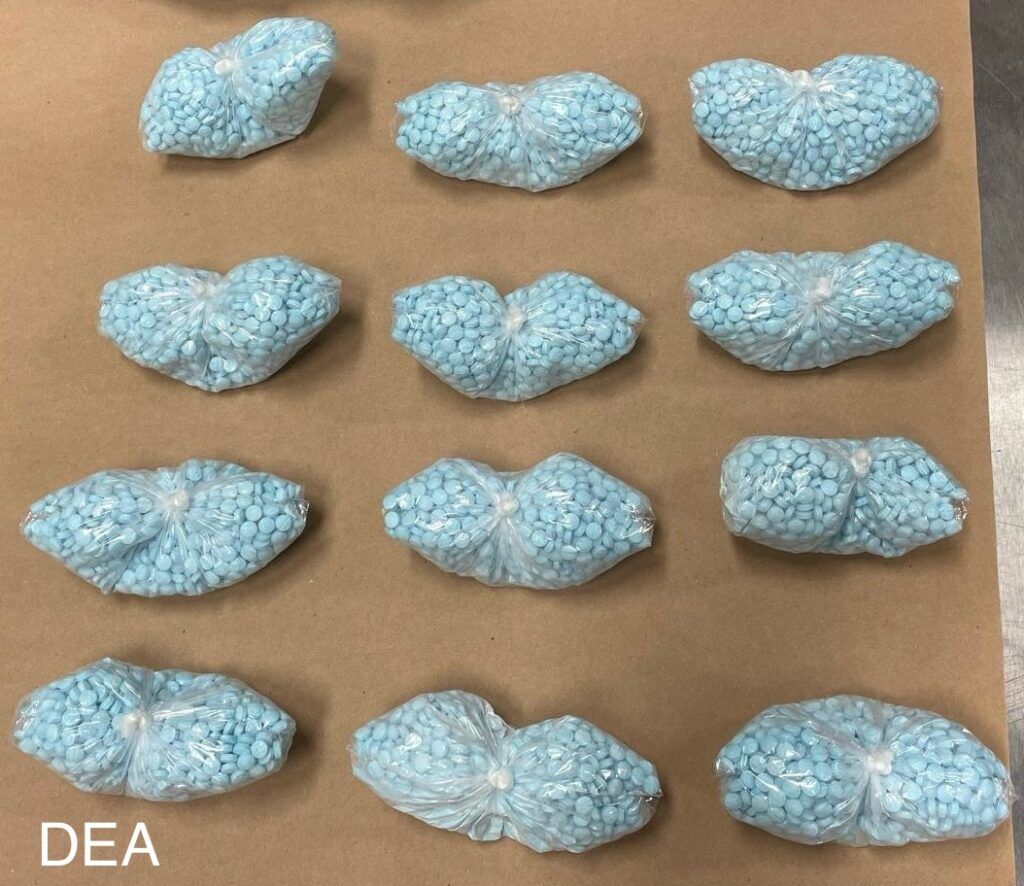
Members of the Mexican Sinaloa and Jalisco cartels, both designated as foreign terrorist organizations, were involved in the supply chain network that brought the pills to the Rocky Mountain region, Olesky said.
The announcement continued what has been a recent string of drug busts by the agency. In mid-November, the RMFD, along with the Colorado Bureau of Investigation and the Douglas County Sheriff’s Office, announced the seizure of nearly two million fake fentanyl pills from an abandoned storage unit.
A week later, the agency announced it had seized more than 1,000 pounds of methamphetamine in a string of operations over an 11-month span, including a state record 733 pounds from one April bust. Members of the same cartels involved in the October fentanyl operation were also involved in the methamphetamine trafficking network.
The RMFD October operation was part of a nationwide effort to crack down on fentanyl trafficking and distribution networks, according to the release. As of Monday, DEA officials have seized more than 45 million fentanyl pills and over 9,000 pounds of fentanyl powder during similar operations.
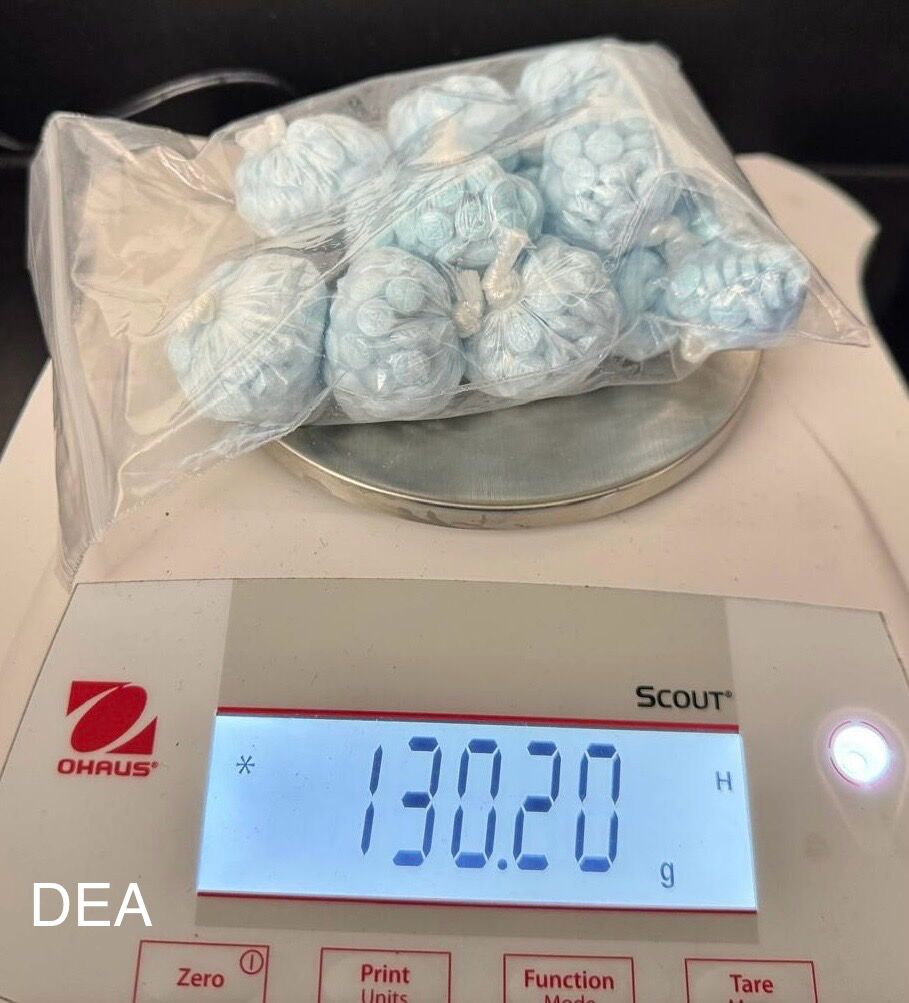
Those operations, Olesky said, appear to be having a tangible effect on the supply chain networks, not only within the U.S. but also that of synthetic drug ingredients from overseas countries to production factories in Mexico.
“Based on our laboratory testing and our most recent numbers, right now three out of 10 pills contains a lethal dose of fentanyl,” Olesky said, adding that the rate was down from a high watermark of seven out of 10 pills at one point over the past half decade.
“The decrease in potency does show that somewhere in the supply chain they are being impacted, in the sense that they’re not as potent as they once were,” Olesky said. “Certainly the cartels know that the DEA is laser-focused not only on them, but the trafficking of fentanyl … it shows that we are not letting up and there’s a renewed sense of purpose in our work.”

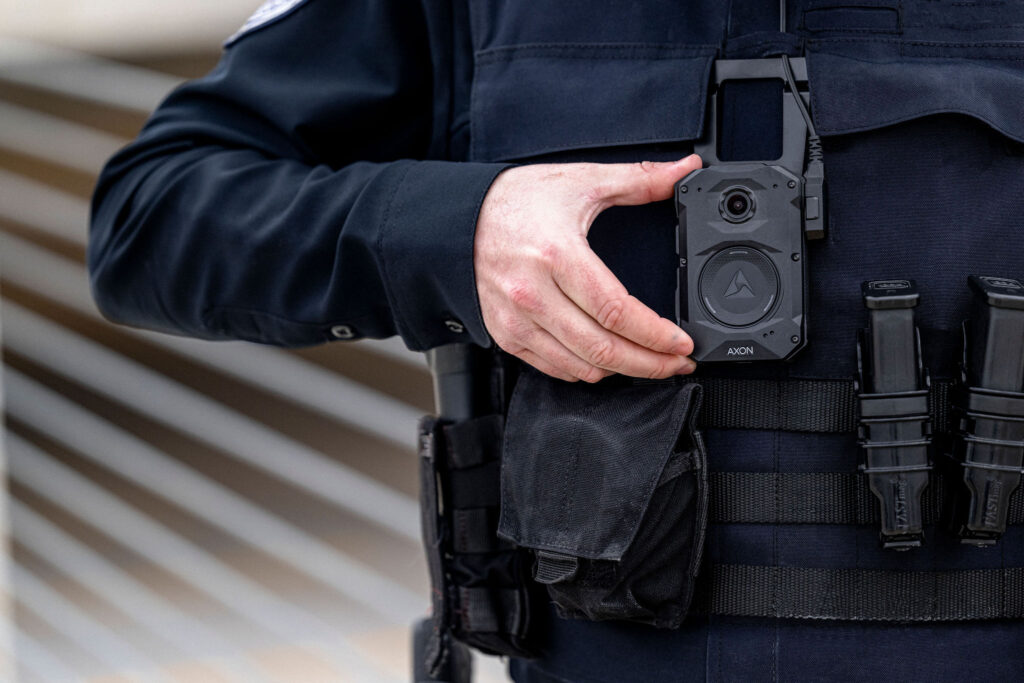
5-year, $27 million DPD body camera contract advances to Denver Council
Deborah Grigsby
deborah.smith@denvergazette.com
Updated 6 minutes ago
It’s been close to 10 years since the Denver Police Department first donned body-worn cameras in January of 2016, but technology has advanced since then. The Department of Public Safety is now asking the City Council to approve a new...

Deborah Grigsby
Reporter

Benjamin Moore loft recalls exciting days in Denver’s ballpark neighborhood
Mark Samuelson
mark-samuelson@denvergazette.com
Updated 6 minutes ago
Coming into a new year when Denver’s downtown reads like a good-news, bad-news story, homebuyers can tour a 3-bedroom loft this Sunday that’s in an iconic building, in a place that was all the rage during a decade when the...

Mark Samuelson
Reporter
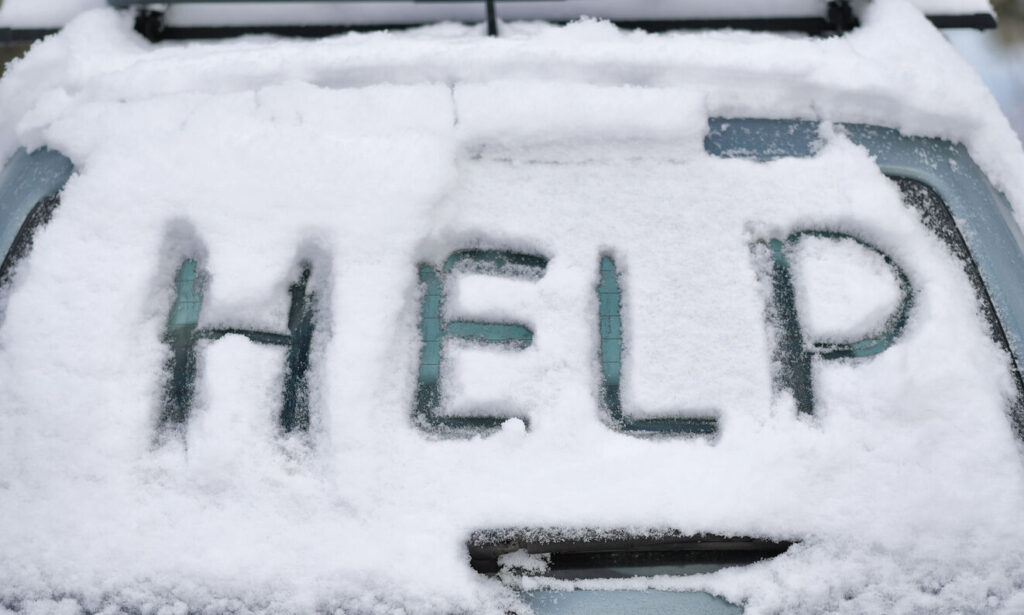
Looking to survive winter driving in Colorado? Pack these 27 items in your trunk
Spencer McKee
spencer@outtherecolorado.com
Updated 2 hours ago
Winter driving in Colorado can come with a bit of risk, as slick and snowy roads might mean getting stuck in traffic for hours at a time or even getting stranded. One piece of travel preparation that can ultimately be...

Spencer McKee
Reporter
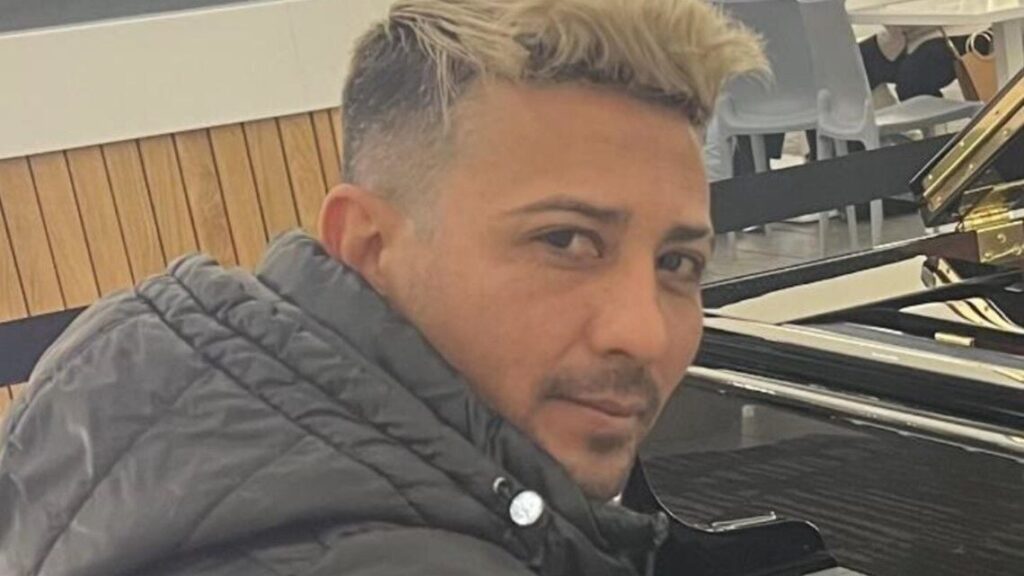
Man convicted of first-degree murder in Federal Heights death
Kyla Pearce
kyla-pearce@denvergazette.com
Updated 2 hours ago
An Adams County man was convicted of first-degree murder last week in the fatal stabbing of a 20-year-old woman in Federal Heights in December 2023. 17th Judicial District Attorney Brian Mason announced the conviction of 37-year-old Adrian Carracedo-Vega following a...

Kyla Pearce
Reporter
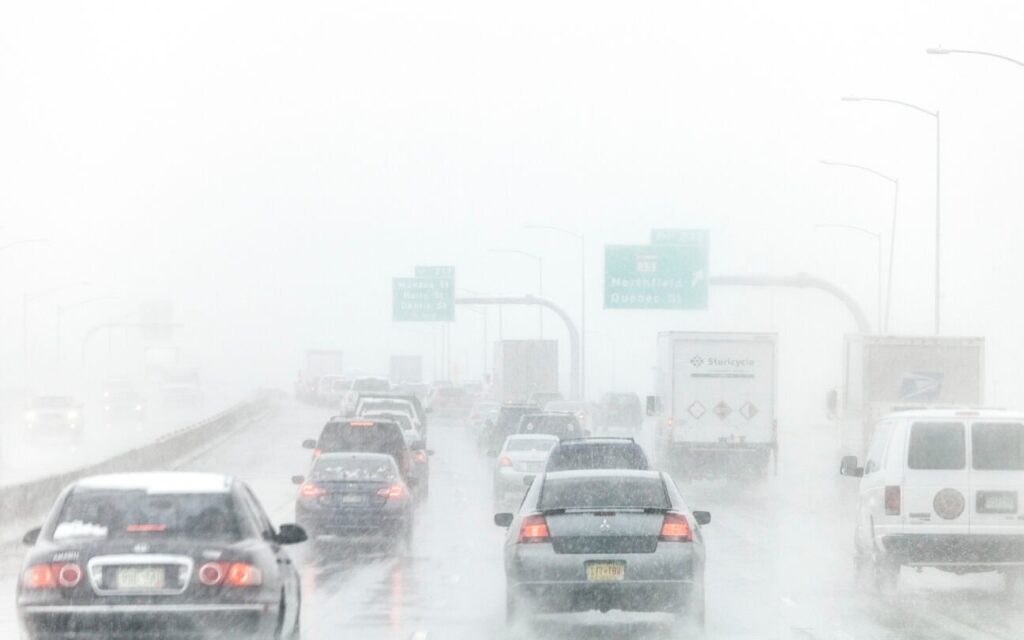
How to drive in snow and ice in Colorado
Daniel Boniface
dan.boniface@denvergazette.com
Updated 3 hours ago
Buckle up. The winter driving season is upon us. So, if you’re new to Colorado or it’s just been a while since you’ve driven in winter conditions, it’s always a good idea get a quick refresher on how to drive...

Daniel Boniface
Reporter
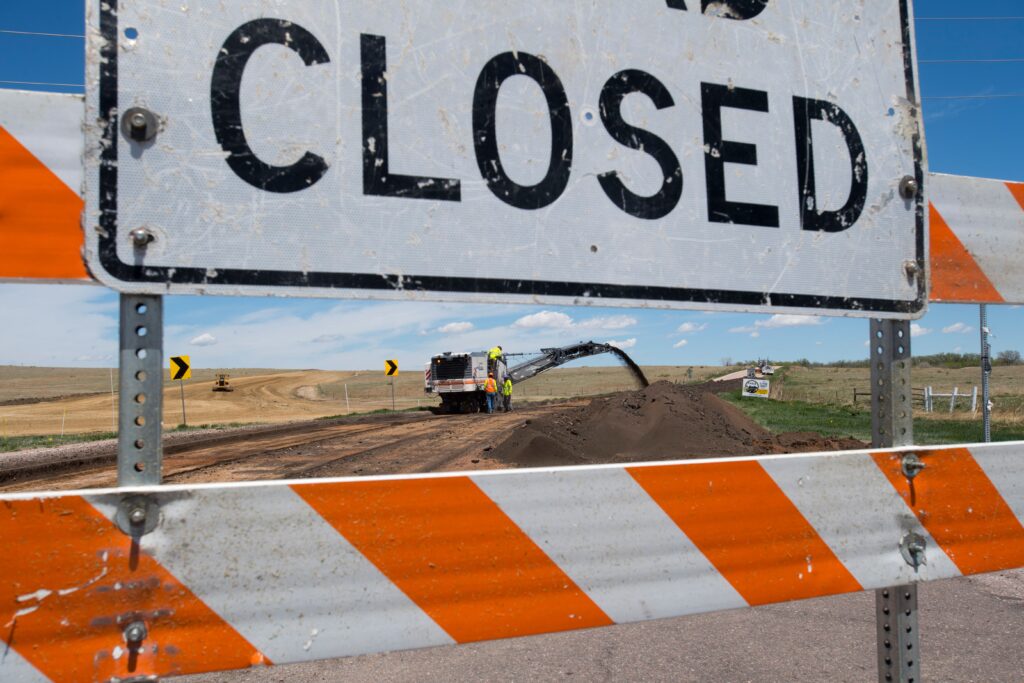
Drivers to encounter I-25 closures at Highway 7
Kyla Pearce
kyla-pearce@denvergazette.com
Updated 1 hour ago
Drivers on I-25 will encounter closures next week at Highway 7 for maintenance, and detours will be in place on Monday and Tuesday nights. The maintenance — putting a concrete girder in place for a new pedestrian bridge — is...
Kyla Pearce
Reporter
One dead, one hospitalized after self-defense shooting in Greeley
Michael Braithwaite
michael.braithwaite@gazette.com
Updated 2 hours ago
One person was shot dead and the shooter, his neighbor, was hospitalized after a Greeley home break in overnight Tuesday. Officials first responded to a residence in the 4200 block of Grand Teton Road just before 1:30 a.m. Wednesday, according...
Michael Braithwaite
Reporter
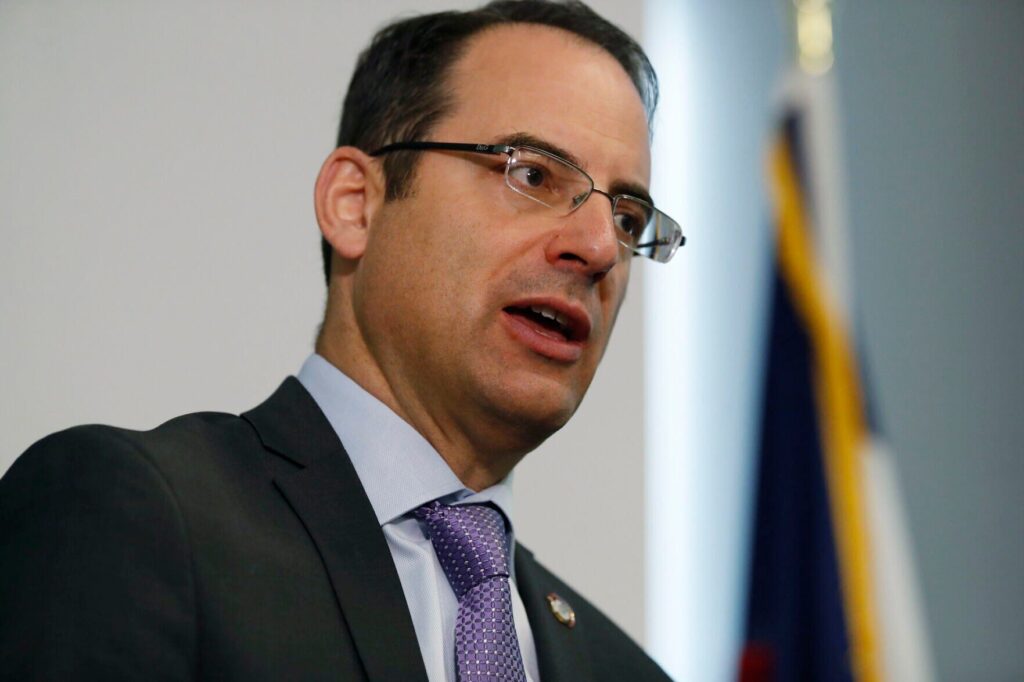
Apartment giant Greystar settles with Colorado over fraudulent advertising
Mark Samuelson
mark-samuelson@denvergazette.com
Updated 2 hours ago
Greystar, the nation’s largest apartment owner and manager with holdings of more than 100,000 units, has settled a far-reaching suit by the Federal Trade Commission and the State of Colorado over deceptive advertising that conceals hidden rental fees. “Addressing deceptive...
Mark Samuelson
Reporter
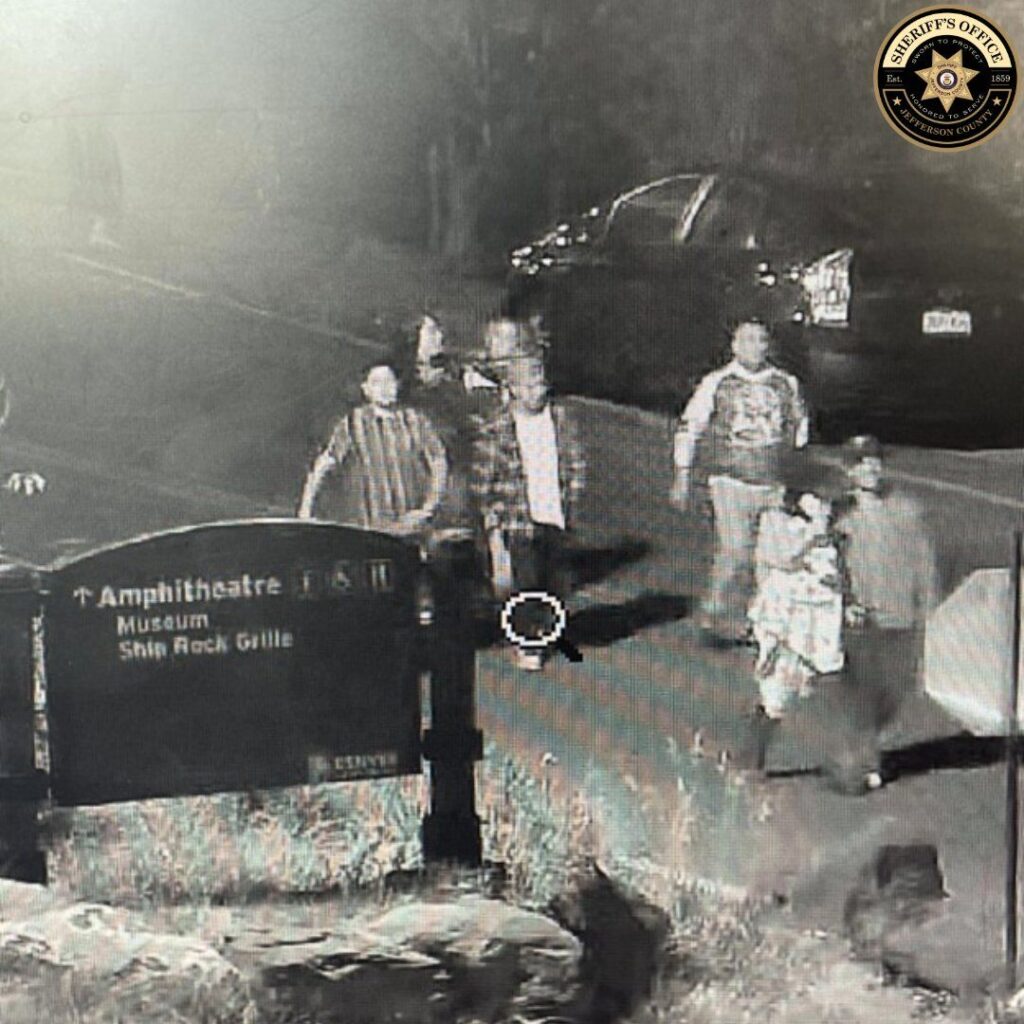
Suspect who allegedly beat up man at Red Rocks concert sought
Michael Braithwaite
michael.braithwaite@gazette.com
Updated 4 hours ago
Jefferson County officials are asking the public for help in identifying a suspect who allegedly assaulted a man and left him with several broken bones at an October Red Rocks concert. The assault took place during the Martin Garrix concert...
Michael Braithwaite
Reporter

The DIVAs are coming to the Denver Art Museum, an exclusive fashion exhibit featuring celebrity red carpet looks
Emily Bejarano
emily-bejarano@gazette.com
Updated 4 hours ago
Highlighting looks from more than 100 icons from powerhouses like Lady Gaga, Rihanna, RuPaul, Prince and Tina Turner Strike a pose. The stage is set for Denver in 2026. The Denver Art Museum is debuting an iconic fashion experience coming...

Emily Bejarano
Reporter
PREV
PREVIOUS

Looking to survive winter driving in Colorado? Pack these 27 items in your trunk
Winter driving in Colorado can come with a bit of risk, as slick and snowy roads might mean getting stuck in traffic for hours at a time or even getting stranded. One piece of travel preparation that can ultimately be life-saving in a worst-case scenario involves packing a vehicle with cold weather survival gear – […]

Benjamin Moore loft recalls exciting days in Denver's ballpark neighborhood
Coming into a new year when Denver’s downtown reads like a good-news, bad-news story, homebuyers can tour a 3-bedroom loft this Sunday that’s in an iconic building, in a place that was all the rage during a decade when the Rockies kept winning, and winning. Three blocks from Coors Field where the team would later […]