







Clash of the titans: Democratic race for governor pits two candidates similar in focus, but very different in style | Vince Bzdek
By Vince Bzdek
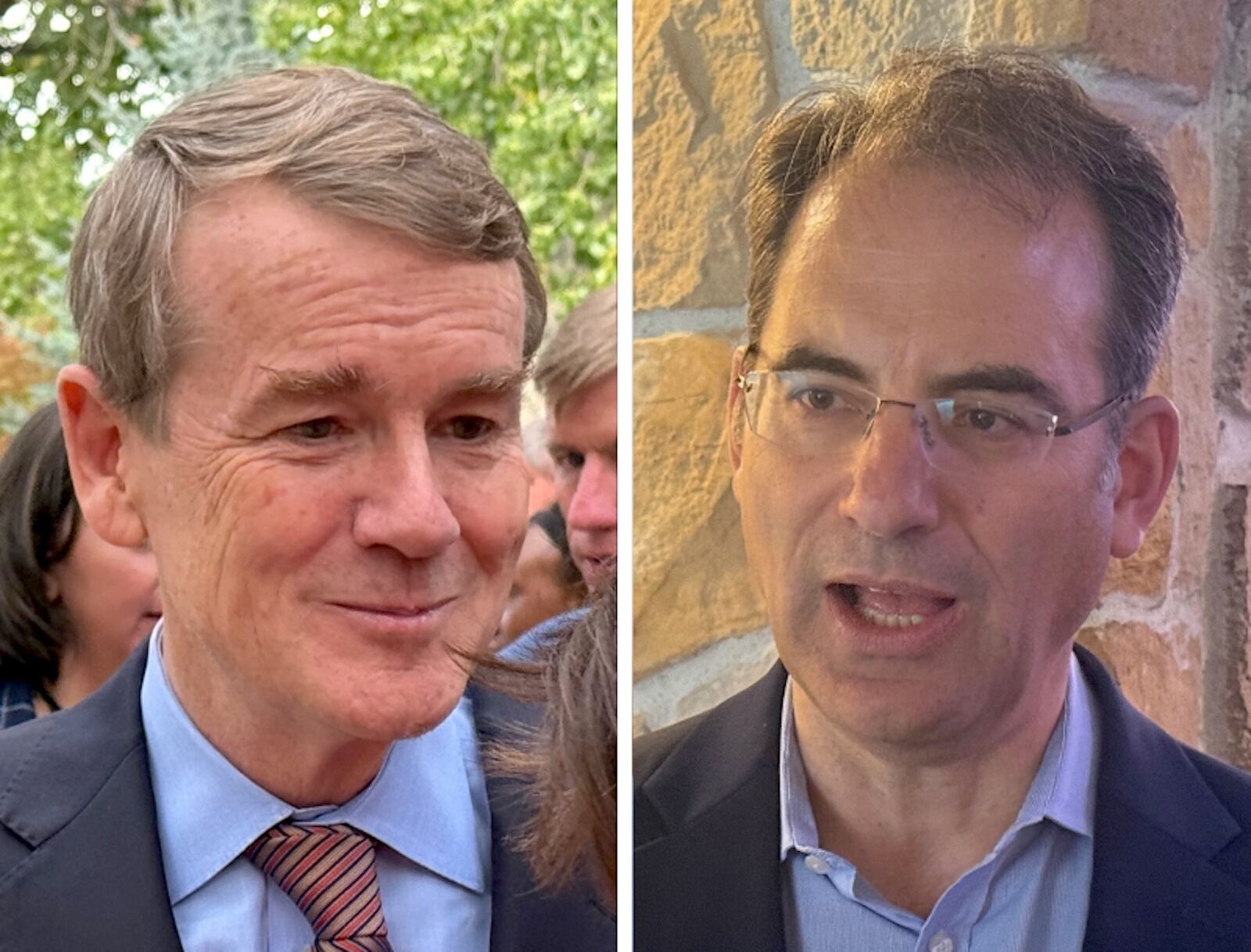
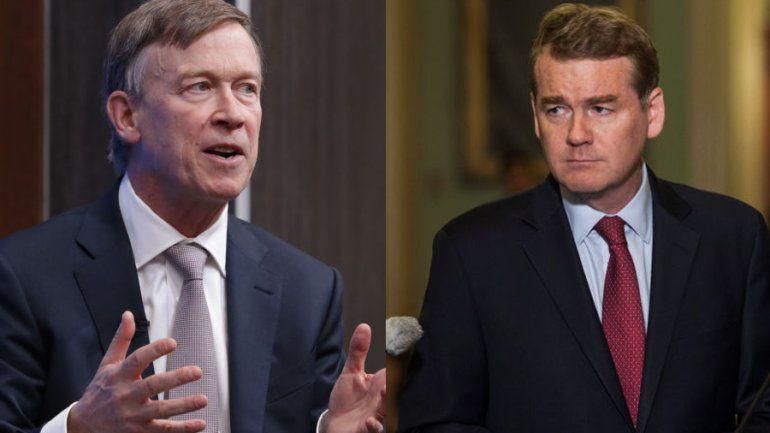
The race for governor is shaping up to be a clash of Democratic titans, U.S. Sen. Michael Bennet and Attorney General Phil Weiser.
They are two of Colorado’s highest profile politicians with deep track records who are remarkably similar in their visions for Colorado’s future, and their choice of our state’s highest priorities right now.
In recent lengthy interviews, both adamantly identified affordability as the most pressing issue in the state, with an emphasis on making Colorado a place where younger residents can thrive and build their lives.
Here’s Bennet: “In terms of priorities, it is making sure that we can solve the affordability crisis that we’re facing, while at the same time we’re promoting a dynamic economy in Colorado. If we’re not growing, we can’t do anything.”
Here’s Weiser: “We have two messages, and both matter. Colorado wants a governor who’s going to protect us from the craziness, the chaos, and the lawlessness of the Trump administration.
“The second issue in this race is that we have critical work to do on this affordability crisis.”
Where these two titans diverge is in style more than substance, in the leadership approaches they would take to make Colorado more affordable, the how rather than the what.
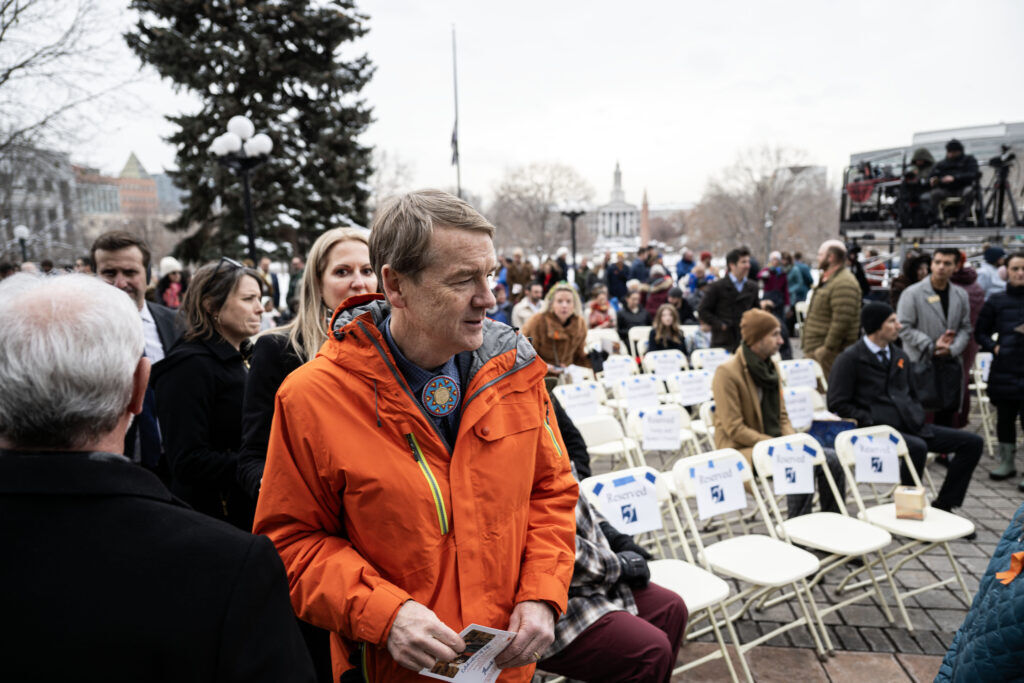
(Stephen Swofford, Denver Gazette)
Weiser has positioned himself as The Fighter, filing more than 40 lawsuits against the federal government challenging various executive actions and funding cuts to protect Colorado’s interests. Bennet is more The Statesman, citing his broad experience serving Colorado, including 17 years in the U.S. Senate, three years as chief of staff to former Mayor John Hickenlooper, and four years as superintendent of Denver Public Schools. He’s also been a Democratic candidate for president.
Right out of the gate, conventional wisdom favored Bennet in the race because of his higher name recognition and that long experience.
Early head-to-head polling showed Bennet up by 30 points, but several pundits expect a dogfight in the coming months. If you had to boil down the choice in the early going, it would be the upstart brawler versus the seasoned veteran, the super lawyer versus the visionary. Even the way they answer questions speaks to their different styles: Weiser speaks in assertive, passionate bursts, Bennet in perfectly crafted paragraphs couched in dulcimer tones.
Bennet never mentioned Weiser once in our interview, while Weiser highlighted his differences with Bennet often. “I think there is a different approach to the Trump administration,” is one way Weiser puts it. “Mine is more stand your ground and fight. Michael Bennet’s has been more, maybe I can build relationships and more accommodating.”
This is how Bennet sees it: “I think we can stitch together a coalition of people, which is what we have to do across the state and nationally. We have to stitch together a coalition of people that are representing something different than the chaos that we’re seeing right now.”
With less than seven months to go before the Democratic primary, much will depend on the mood of the electorate in June. Are they so angry at the politicians in charge now that they want a populist who will fight for their rights, or are they so sick of the division in our state that they want an expert collaborator to bring them together? That’s oversimplifying, of course, but however you look at it, an epic battle for the soul of Colorado has been joined.
Weiser outraising Bennet
And though most pundits early on say it’s Bennet’s race to lose, Weiser has been outraising Bennet in the early going.
As of Sept. 30, which is the latest reporting period on record, Weiser has raised $3,751,989 in cash and another $76,884 in non-monetary (in kind) contributions.
Bennet, as of Sept. 30, has raised $2,685,648 plus $4,939 in non-monetary contributions, our chief legislative correspondent Marianne Goodland tells me.
Looking at the independent expenditure committees backing the candidates, however, Rocky Mountain Way has raised $2,227,500 for Bennet and Fighting for Colorado has only raised $214,425 for Weiser. These PACs are barred by law from coordinating with the candidates but can make a significant difference in heightening the visibility of candidates.
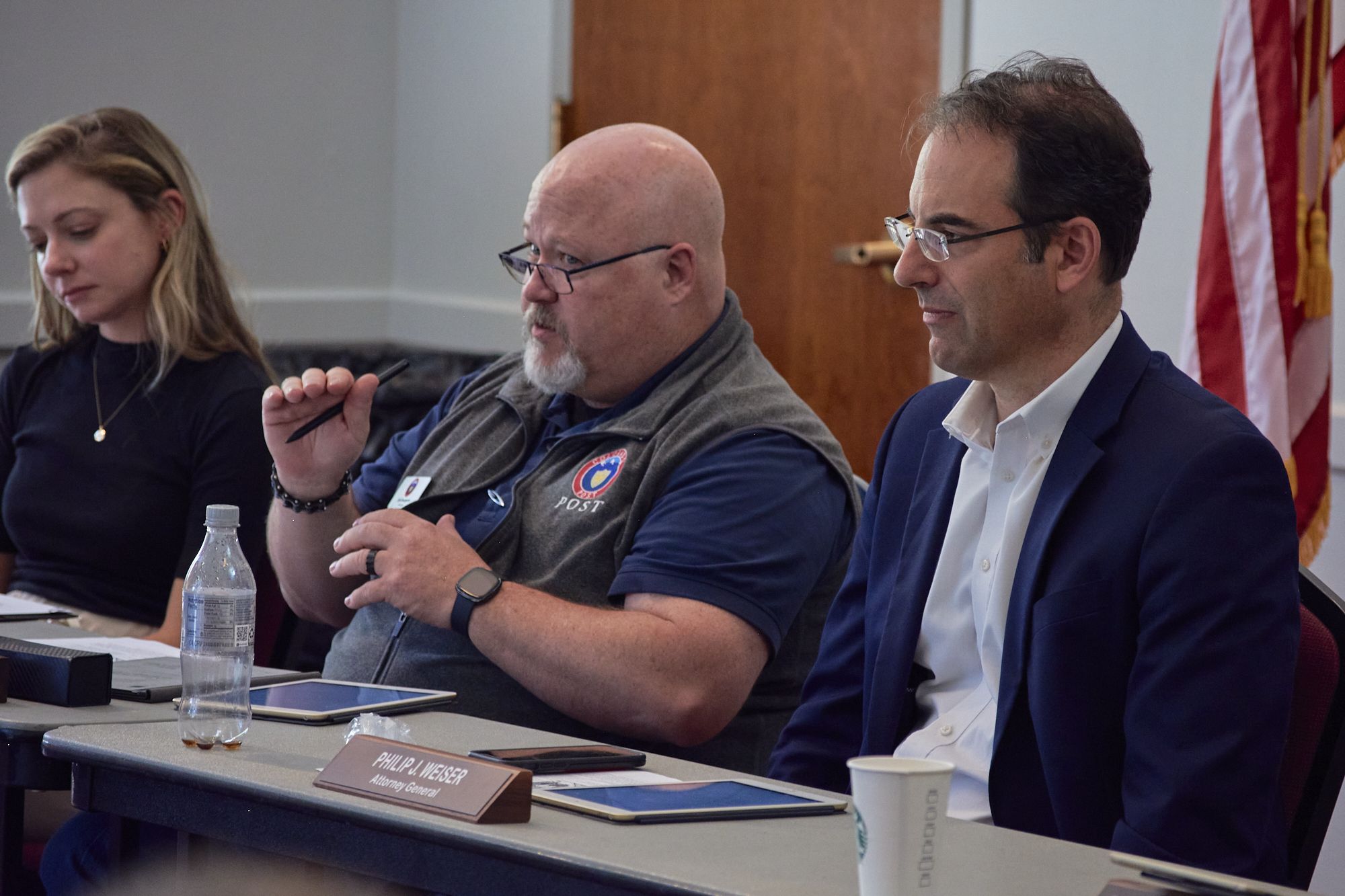
“If you look at our contributors,” Weiser said to me, “half of his (Bennet’s) contributors are out of state. Over 81% of ours are in Colorado.”
Statewide campaign
Appealing to voters broadly across the state is important to both candidates.
Weiser is traveling the state like a whirling dervish, eager to position himself as the grassroots candidate in touch with the hopes and dreams of everyday Coloradans. He believes strongly that he has better relationships around the state than Bennet does.
Here’s Weiser: “My work and my relationships have been intensely local. I have more visibility here. The depth of my support and their commitment is measurably greater than how people feel about Mchael Bennet, and that’s now evident when you look at our contributor base.”
“People around the room, from Sterling to Grand Junction to Pagosa Springs to the San Luis Valley, all are saying thank you for caring about my community, showing up and helping. I show up again and again and again.”
Here’s Bennet: Rural areas “feel like they’ve been left behind by our economy. They’ve been left behind by the politics in the state Capitol.
“I’ve spent more time in northwest Colorado, more time in the San Luis Valley, more time on the Western Slope, in the Eastern Plains than any politician since Roy Romer. And part of that as a member of the Agriculture Committee, part of it because I think, at a moment when people are deeply distrustful, I want to show up in places and have shown up in places where people will never vote for me. But I think we can stitch it back together again.”
I asked Bennet what he says to people who think he is fighting the good fight in the Senate, and don’t want to lose his clout and seniority there. For example, just this week he blocked a slate of more than 80 of President Trump’s nominees, which resonates with anti-Trumpers in Colorado.
“At first, it was a totally understandable reaction for people, ‘We love you in the Senate. Why are you coming home?’” answers Bennet.
But he said lately in his own extensive travels around the state, now that he’s been campaigning a while, that question has disappeared.
“Now we’re into it. I think people are putting that behind them and actually from the vantage point of most voters in Colorado, that’s not even a threshold issue that they’re worried about.”
Still, Bennet has hedged his bets some, raising money for both a governor campaign and a Senate campaign, and has said he will pick his successor in the Senate if he wins the governor’s race.
The nitty gritty
In terms of specifics, both candidates emphasize the urgent need to lower costs for Coloradans.
Here’s Bennet: “What can we do? In a way we’re in uncharted territory, but I think that we’ve got to reduce the cost of housing. We’ve got to reduce the cost of health care. We’ve got to reduce the cost of child care. We’ve got to pay serious attention to the cost of energy and the cost of transportation, and we’ve got to make sure that our kids are graduating through school prepared to engage with and succeed in the economy that is the 21st century economy.
Bennet wants to centralize state housing funds for developers and create a single application to access that funding. He also wants to set a goal for projects that receive state funding to break ground within one year of approval.
“Housing is the No. 1 issue in Colorado,” he said.
Here’s Weiser: “The Great Recession broke the housing market, and Colorado has continued to move further away from a position of enabling housing to be built quickly and cheaply that people can afford.
“Teachers, law enforcement, nurses, people who make a normal salary, they can’t afford to buy a home and increasingly they can’t even afford to rent in them.”
On his first day in office, Wesier plans to appoint a chief housing officer and sign an executive order to streamline housing programs. He also wants to create a team that can serve as a single access point for all state and federal housing funds, while also launching an all-out government review of housing programs to identify red tape and speed up construction and permitting approvals.
He cited the example of Fort Collins, where he said it costs $150,000 for permits whether you’re building a $1.5 million house or a $500,000 house.
On health care, Bennet is probably the more radical of the two:
“Let me tell you something, universal healthcare is something that people in red parts of Colorado are thinking seriously about because the current system doesn’t work,” he said.
“Hospitals are closing in rural areas. People are sick of paying twice as much as any other industrialized country is paying, and not getting mental health care for their kids, not getting prenatal care. I mean it’s crazy what we’re doing.”
One of Weiser’s most dramatic proposals, on the other hand, is a statewide service program to give young folks opportunities to volunteer in areas where the state desperately needs help. They’d be given college tuition or debt relief in exchange.
“Five critical professions – law enforcement, firefighting, counseling, nursing and teaching all are experiencing shortages,” Weiser said. “We have a win-win opportunity here. It’ll be voluntary, but it’ll be strongly encouraged from the top, and I think it’ll help us meet the moment.”
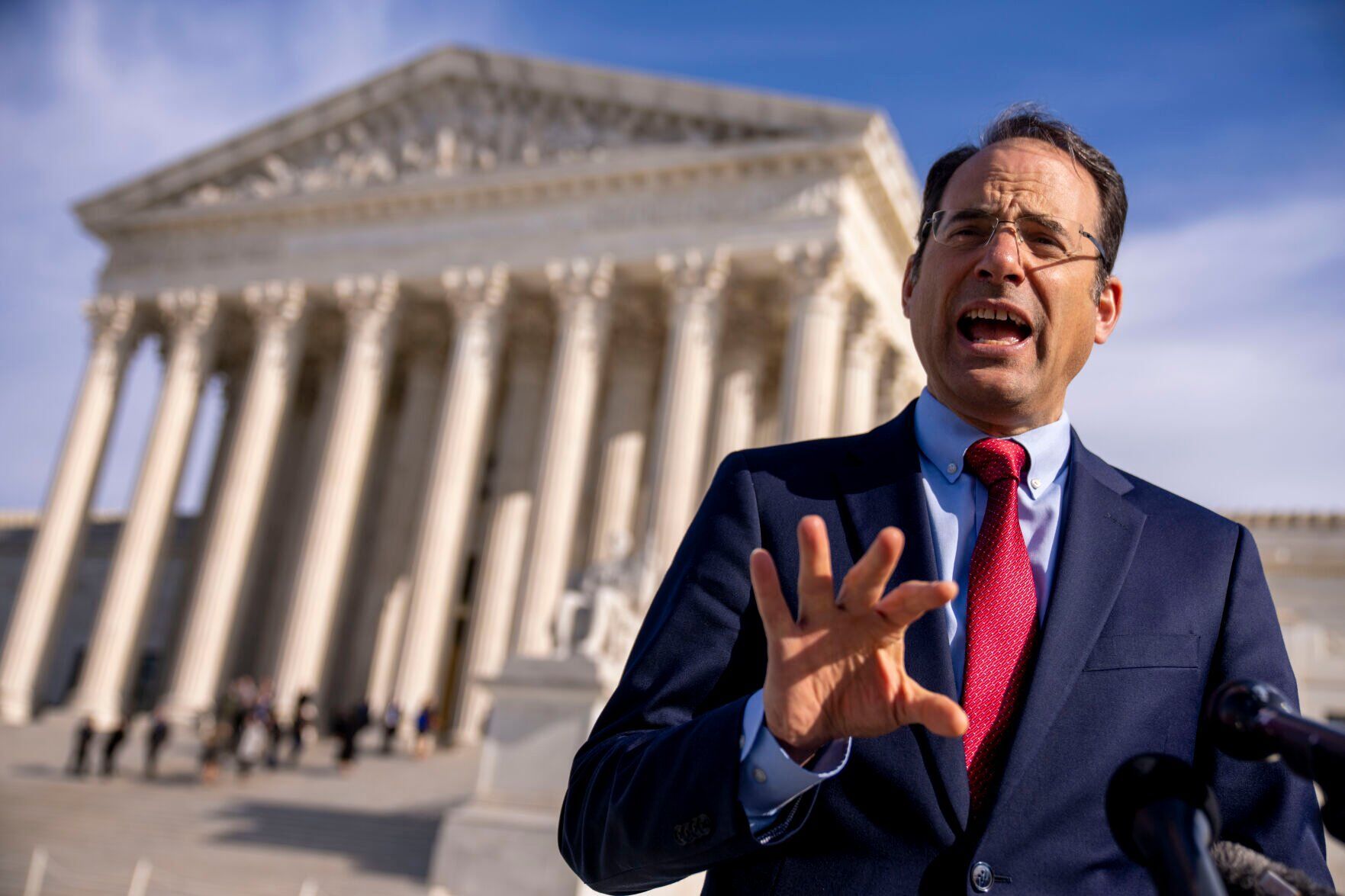
Weiser would also like to create a statewide mentoring initiative “so that every kid in Colorado has multiple mentors they know care about them, are supporting them, and help every kid to personalize learning.”
The Why
When it comes to what has motivated each man to run for governor, the two candidates’ answers probably reveal the most about their differences.
From Weiser: “I’m not afraid to take on anybody. I’ve shown that I’m a proven fighter. If you’re a small business owner, I want to fight for you to make it easier to get your business established and to help you be successful. If you’re a mayor in Grand Junction, and you’re having trouble recruiting your police officers, I want to fight for you to help you get police officers. And if you’re a teacher, I want to fight for you to make sure you’ve got the tools so you can do your job well.
“I know a lot of people when Michael Bennet got in the race were like, ‘This guy’s been senator now for almost 18 years, how’s Phil going to do this?’ And my answer then was watch us. Now I’ve got some more proof points to say, now look at this, talk to this person. We really do have the right campaign. You’re going to hear more and more specifics from us. And part of the reason is, because I’ve been working as attorney general, I know every state agency inside and out. You can ask me any question from public safety to water to air quality, to mental health, I’ve worked on these issues.”
From Bennet: “Why run for governor? I feel an intense moral obligation to my own three daughters, an intense moral obligation to the kids that I used to work for in the Denver public schools, and the kids all over rural Colorado whose parents want exactly the same thing that parents in Denver want for their kids but are divided by a politics that is not advancing our common interest.
“This is a moment where our national politics are broken, our national politics aren’t going to be able to provide the answers, and I think Colorado can be a beacon for the rest of the country, I really do, at a moment when it’s needed. A beacon in terms of how you grow the economy, a beacon in terms of how you do it in a way that’s sustainable, so working people can afford to live here, and how do we engage with each other politically so that we can work together on the mutual challenges and interests that we have.
“I think we need a compelling vision of what the future looks like … and deliver results for people so people say, ‘You know what? We can do better.’”


We tested vapes in Colorado for signs of hemp. This is what we found.
Chris Osher
chris.osher@gazette.com
Updated 11 hours ago
This article was produced for ProPublica’s Local Reporting Network in partnership with The Denver Gazette. Sign up for Dispatches to get our stories in your inbox every week. Leaders in the Colorado marijuana industry have complained in recent years that...

Chris Osher
Reporter
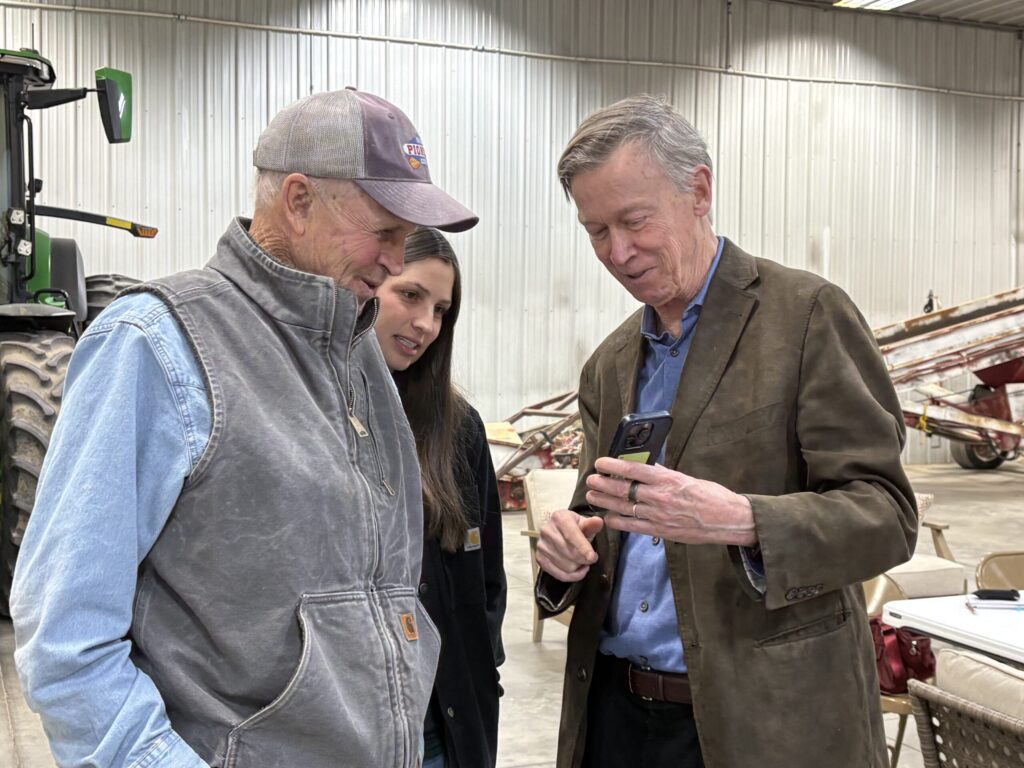
Colorado farmers warn U.S. Sen. John Hickenlooper tariffs and research cuts endanger agriculture
Marianne Goodland
marianne-goodland@denvergazette.com
Updated 1 week ago
Northern Colorado farmers told U.S. Sen. John Hickenlooper this week that tariffs and President Donald Trump’s decision to import $40 billion worth of beef from Argentina have hurt Colorado’s agricultural industry. But the administration’s cuts to scientific research are almost...

Marianne Goodland
Reporter
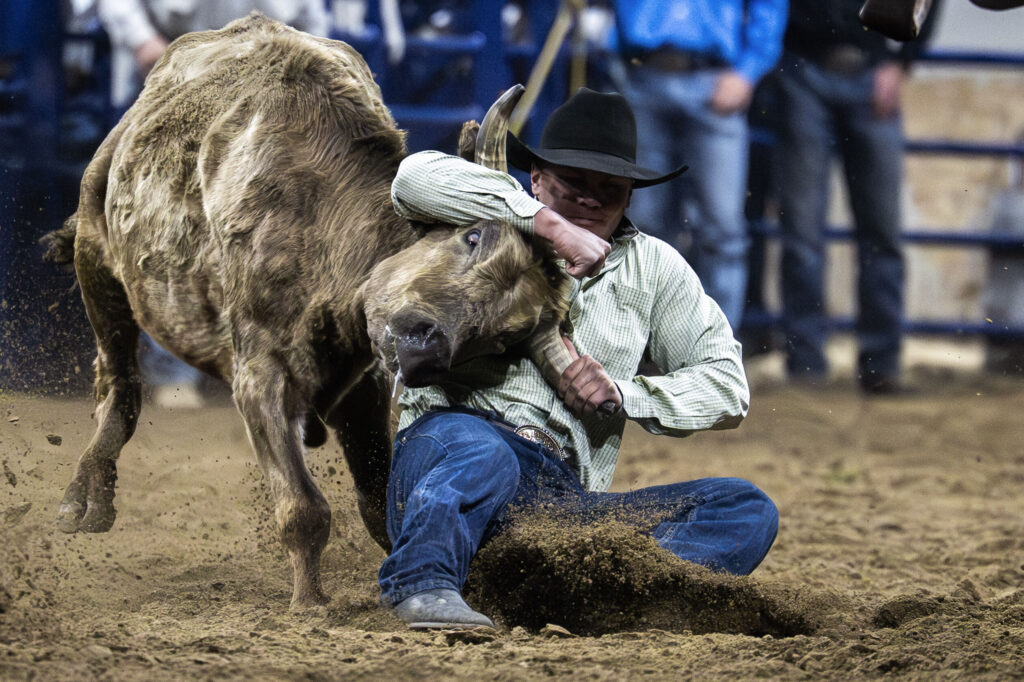
PHOTOS: The National Western Stock Show 4-H Day Pro Rodeo Tournament
Stephen Swofford
stephen-swofford@denvergazette.com
Updated 6 days ago

Stephen Swofford
Reporter
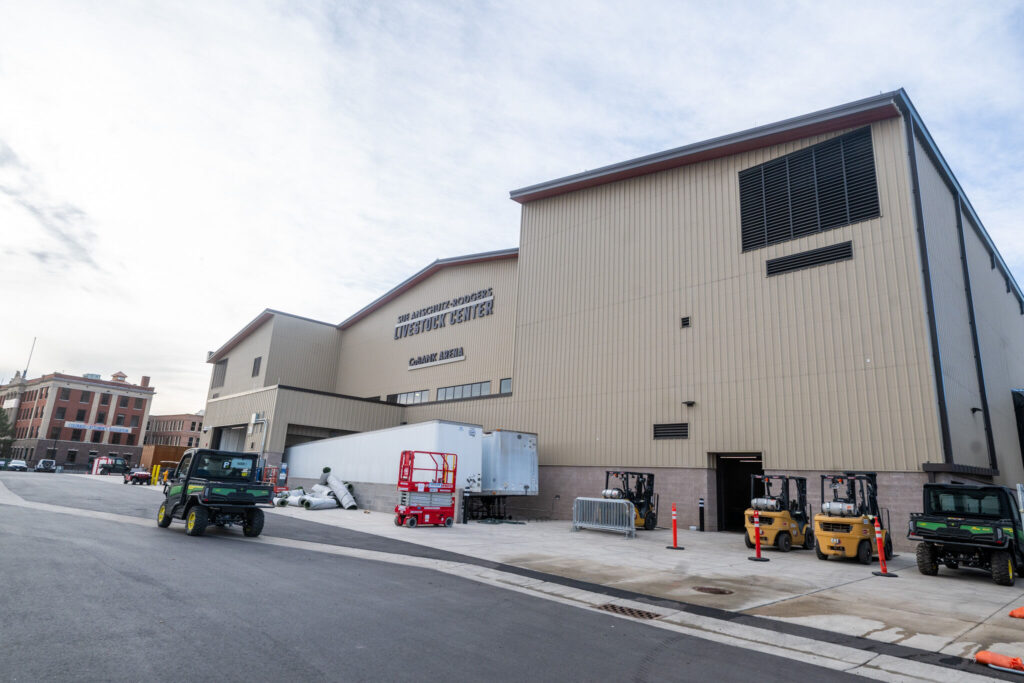
New buildings debut as National Western Stock Show attractions
Michael Braithwaite
michael.braithwaite@gazette.com
Updated 2 weeks ago
What used to be in the shadow of the 70-year-old Denver Coliseum is now one of the National Western Stock Show’s newest and largest attractions. Officially opening at the end of 2025 and debuting to the public during this year’s...

Michael Braithwaite
Reporter
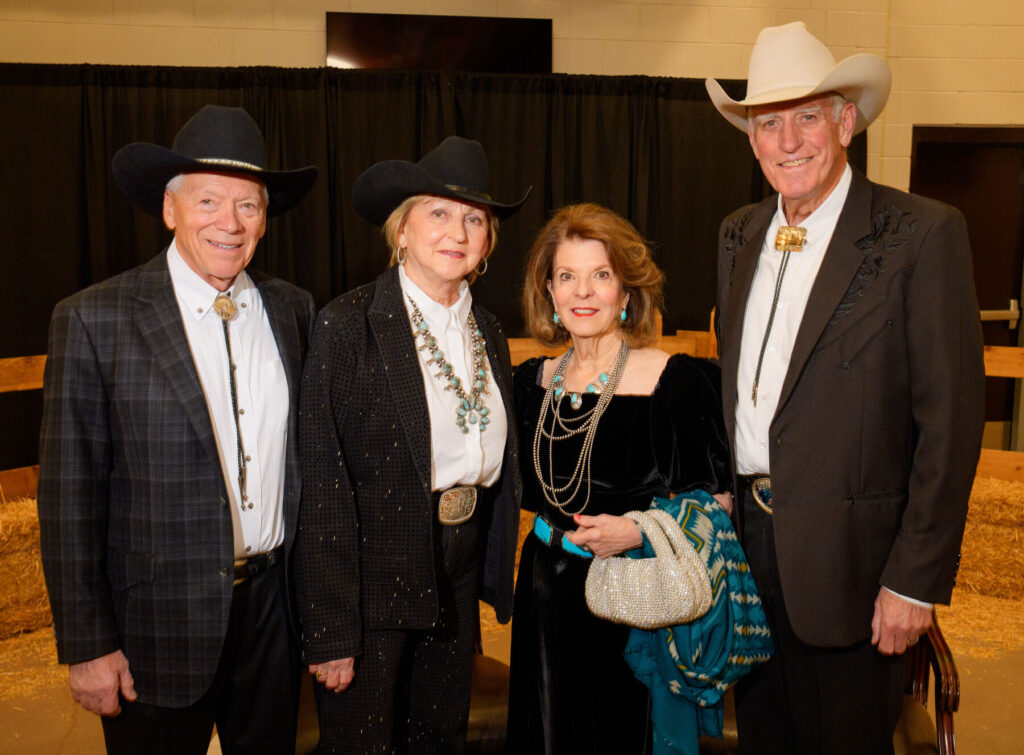
47th Citizen of the West: ‘Epitome of Western traditions and values’
Joanne Davidson Special to Colorado Politics
joanne-davidson-special-to-colorado-politics@denvergazette.com
Updated 2 weeks ago
The 47th Citizen of the West, George Eidsness, grew up on a farm in North Dakota where his appreciation for the Western way of life took shape as he rode horses, showed cattle in 4-H and shared in the often back-breaking chores necessary to maintain a farm. It was that hard work and a deep...


Boots ‘n Business Luncheon: ‘It’s something very special.’ | NONPROFIT REGISTER
Joanne Davidson Special to Colorado Politics
joanne-davidson-special-to-colorado-politics@denvergazette.com
Updated 2 weeks ago
DENVER METRO CHAMBER OF COMMERCE Denver News: With a capacity crowd of 1,400, a waiting list of 120 and an after-party attended by 600, it wasn’t a stretch for Denver Metro Chamber of Commerce President/CEO J.J. Ament to describe the 2026 Boots ‘n Business Luncheon as...
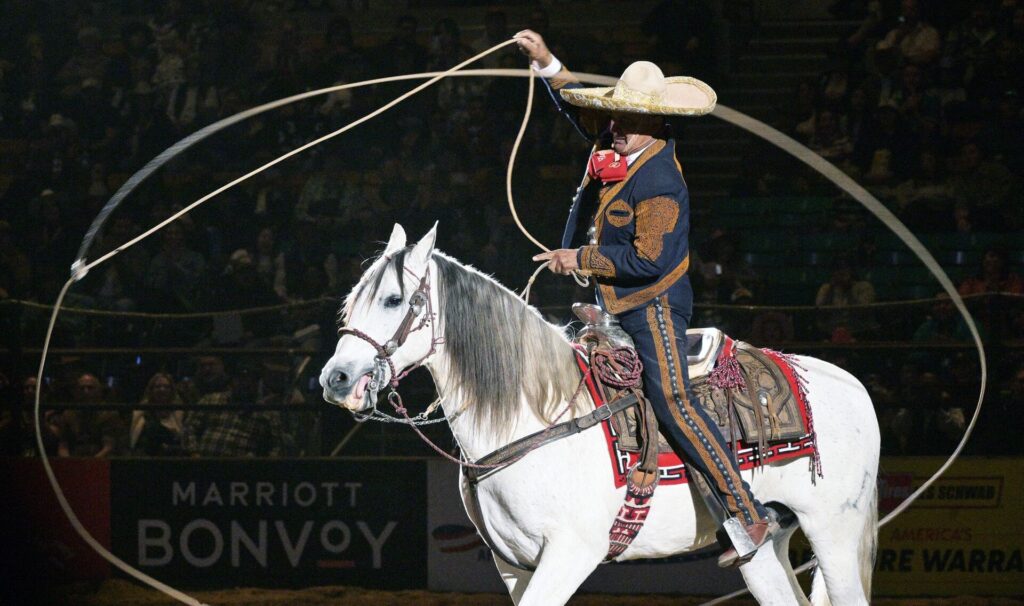
¡El aplauso! Mexican Rodeo Extravaganza marks 31st year in Denver
Deborah Grigsby
deborah.smith@denvergazette.com
Updated 2 weeks ago
Rodeo lovers from across the country gathered Sunday afternoon at the Denver Coliseum for the National Western Stock Show’s Mexican Rodeo Extravaganza, a perennial favorite, now in its 31st year, hosted by World Champion Charro Gerardo “Jerry” Diaz. With a...

Deborah Grigsby
Reporter
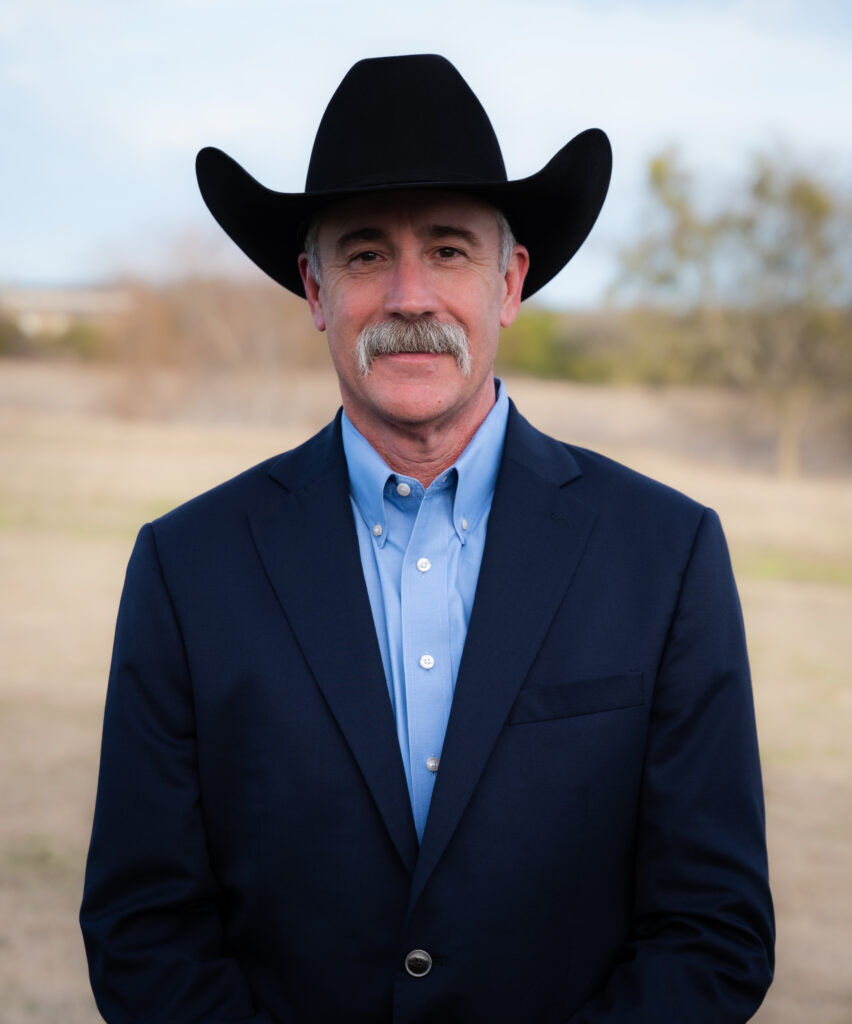
New National Western Stock Show CEO Wes Allison rides into first year with high ambitions
Noah Festenstein
noah-festenstein@denvergazette.com
Updated 3 weeks ago
The National Western Stock Show’s new President and CEO Wes Allison grabbed the reins of a renewed era for one of the nation’s largest stock shows, which rides back into action this week in Denver. On Tuesday, the new stock...

Noah Festenstein
Reporter
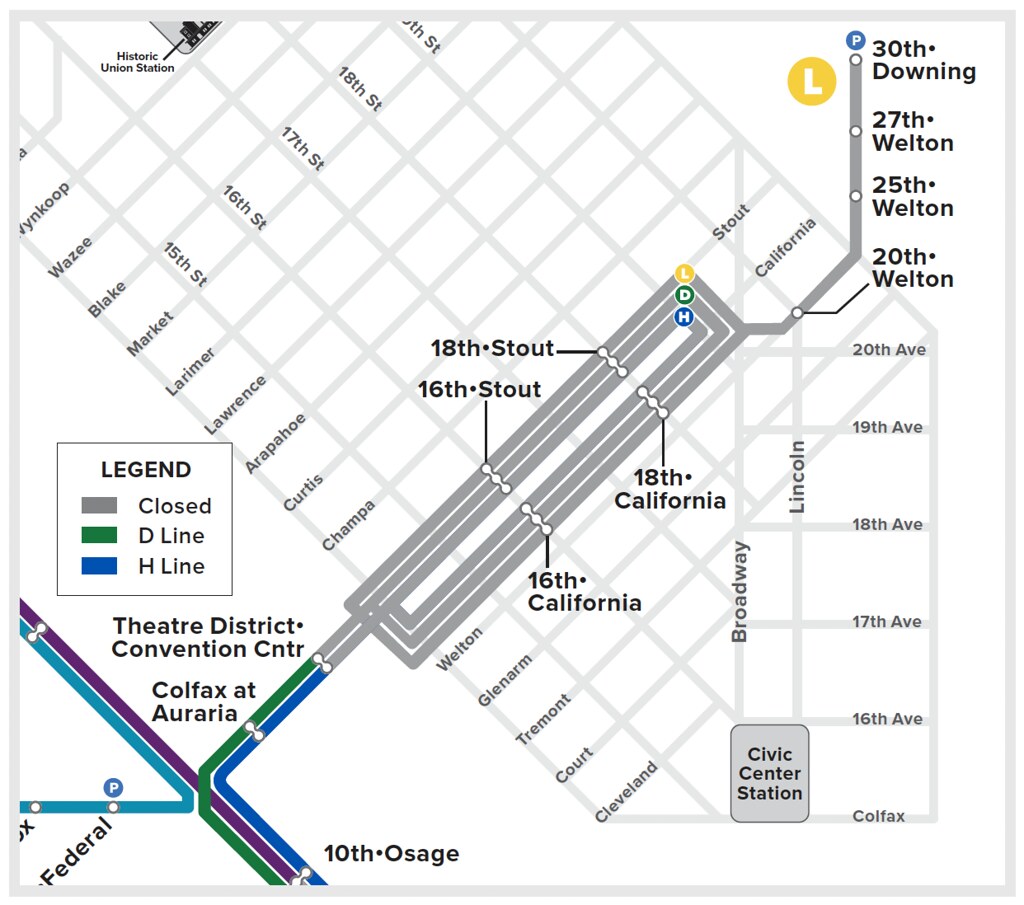
RTD to pause downtown light rail Thursday for Stock Show Parade
Scott Weiser
scott-weiser@denvergazette.com
Updated 3 weeks ago
The Regional Transportation District will pause L Line light rail service and modify D and H line service in downtown Denver beginning at 11 a.m. on Thursday, during the National Western Stock Show Parade, through about 2 p.m. when the...

Scott Weiser
Reporter
Colorado rancher donates 72,000 pounds of hay to ranchers affected by Lee fire
Jonathan Ingraham
jonathan.ingraham@denvergazette.com
Updated 1 month ago
“We’re grateful that we can be a part of it. It’s the Western way.” The Lee fire burned more than 138,000 acres of grassland used by ranchers and wildlife in northwestern Colorado in August and September, affecting the livelihoods of...

Jonathan Ingraham
Reporter
PREV
PREVIOUS

Denver area events for Dec. 7
If you have an event taking place in the Denver area, email information to carlotta.olson@gazette.com at least two weeks in advance. All events are listed in the calendar on space availability. Sunday Latkes and Lights Hanukkah Celebration — 10 a.m.-1 p.m., JCC Denver, 350 S. Dahlia St., Denver, $24-$32. Tickets: jccdenver.org/event/latkes-and-lights. Holiday Bazaar, Cocktails with Santa and […]

Family traditions highlight annual Parade of Lights in downtown Denver
Thousands of spectators cheered as giant balloon characters and floats decorated with holiday lights paraded through downtown Denver on Saturday night. For many, though, it wasn’t just about watching the 51st annual 9NEWS Parade of Lights. Rather, it’s about celebrating a tradition that countless families look forward to each year. “This parade is so important […]