







EDITORIAL: Another sign wolf reintroduction needs to halt
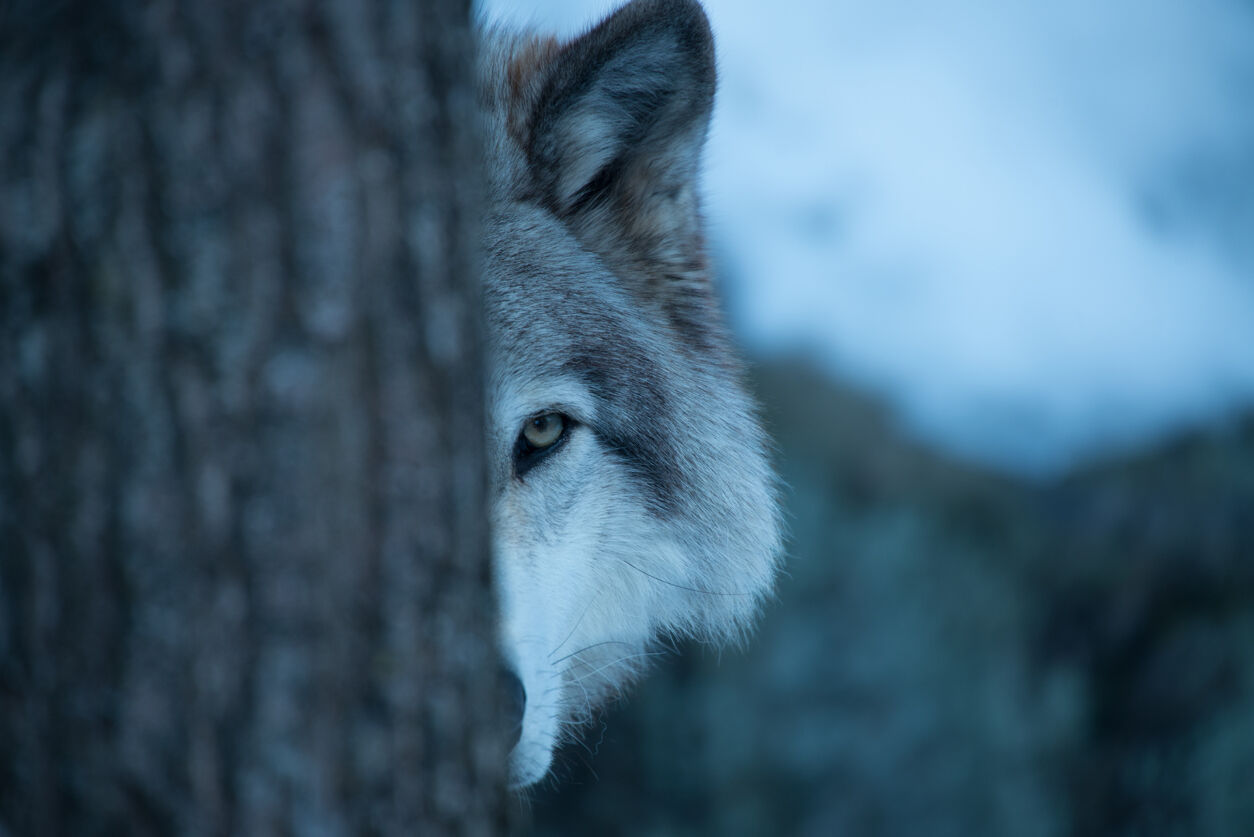
Five years after Coloradans voted by a razor-thin margin to reintroduce wolves to Colorado, they are right to look at the job state officials and agencies have done and ponder whether this a dog that just doesn’t hunt. Amid criticism from pro-wolf advocates and anti-reintroduction ranchers alike, is it past time for a moratorium?
The latest bungled bit in the state’s fumbling reintroduction saga is the “stepping down” — demotion, reassignment, whatever public-relations-friendly term you prefer — of former Colorado Parks & Wildlife Director Jeff Davis. Before the end of last month, and amid the holiday news haze preceding Thanksgiving, the Colorado Department of Natural Resources announced Davis “stepped down” and was moving to a new role in the executive director’s office as “senior policy advisor for strategic priorities.” The move came days after Davis, in charge of the state’s beleaguered wolf-reintroduction effort, was turned down eight votes to one by the board of his former employer of 23 years, the Washington Department of Fish and Wildlife, on Colorado’s request for 15 wolves.
Up in what you’d expect to be the friendly confines of progressive Washington, it was pro-wolf activists who didn’t mince words. They said Colorado’s “ill-conceived” reintroduction effort was “ballot-box biology.” Citing the issues Colorado had with wolves brought in earlier from Oregon, they said “translocated wolves fare worse.” And they even said Davis, Gov. Jared Polis and CPW had “the audacity to ask for more” and “passed the burden onto another state’s endangered wolves” after the U.S. Fish and Wildlife Service in October said Colorado broke federal law in obtaining wolves from Canada.
Though Colorado Department of Natural Resources Executive Director Dan Gibbs and Polis in the pre-holiday press said the reassigned director left the agency “in a much better place internally,” it’s hard to take at face value considering the federal cease-and-desist letter, the rejection in Washington — and a dozen dead wolves in the past 18 months. That’s not to mention dozens of killed livestock and a cost to taxpayers for the entire endeavor that now stands at five times the estimate put to voters in 2020.
As insult to injury — and even amid a state staff hiring freeze — Davis will continue to make his $186,470 annual director’s salary as a senior policy adviser to the Department of Natural Resources. The post didn’t exist until Davis’ ouster was announced. His new gig began Dec. 1 and will last through May. CPW is currently looking for a replacement for its director.
Gazette news partner 9News also reported Davis chose to step down rather than be fired, after he signed a settlement agreement on Nov. 22 stipulating he wouldn’t sue the department. 9News added no reason was provided in the settlement agreement for why Davis would be fired.
There are no more warm-and-fuzzies when it comes to wolves in Colorado. That’s why with the restart of the legislative session in January, the same lawmakers who in August pushed to pause the reintroduction program should press Polis anew even though he had threatened a veto over the previous attempt.
It’s clear Polis and CPW’s wolf crusade is at a crossroads. Maybe the powers-that-be should yield at this intersection and heed the pulse of the public rather than making yet another of the kind of slapdash decisions on the foundering wolf reintroduction that led to Davis’ “stepping down.”