







Trump administration announces $12 billion soybean aid package
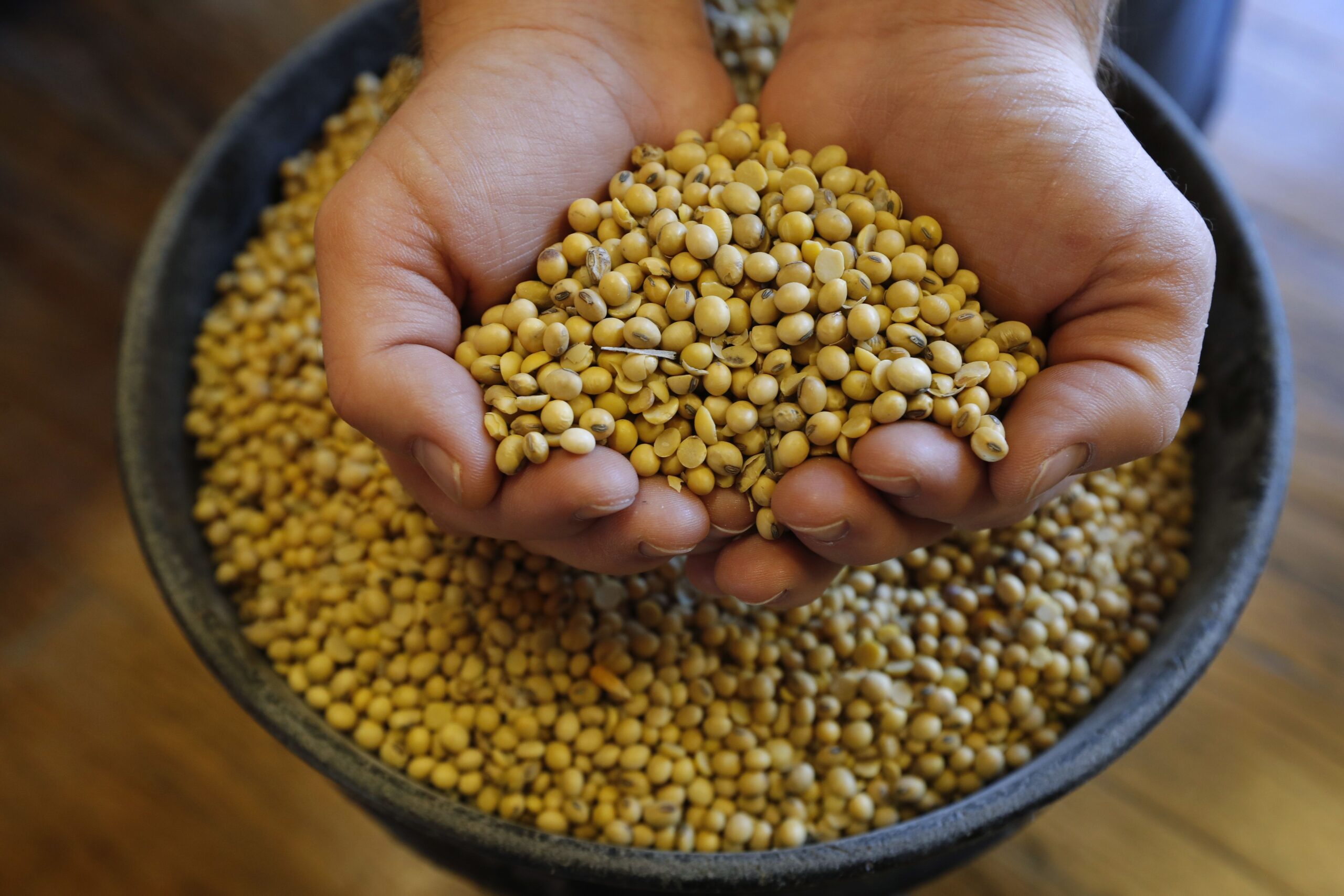
President Donald Trump and Secretary of Agriculture Brooke Rollins announced Monday that the administration was planning to disburse a $12 billion dollar aid package as part of the Farmer Bridge Assistance (FBA) Program, to make targeted, one-time payments to crop farmers.
The FBA is designed to be an “economic bridge” to the next planting season.
For months the administration had promised farmers and producers it would provide relief after the devastating effects of trade wars and rising production costs. Administration officials had planned to draw out $12 billion in bailout funds from the USDA’s emergency funds even though Trump had also promised in September that he would earmark tariff revenue for farmers whom he said would “… for a little while going to be hurt until the tariffs kick into their benefit.”
Rod Hahn, a Colorado farmer and board member of the Western Region Soybean Growers, said that the past year had been “terrible, terrible, terrible” as farmers struggled with a large soybean crop due to tremendous weather and historic low prices. In 2023, Hahn got $12 a bushel, but this year he said he’d be lucky to get $10.
Hahn began growing soybeans in 1997 in Yuma in the northeast part of the state. He is one of the nearly 1,500 soybean farmers who rotate their fields with soybeans, corn and wheat. The soybean sector in Colorado is shrinking, with 19,000 acres harvested in 2017 and 964,000 bushels. In 2024, it dropped to 10,000 acres and under 400,000 bushels.
China is one of the biggest purchasers of U.S.-grown soybeans. However, furor over 35% tariffs saw Chinese purchases of U.S. soybeans plunge from $62.4 million in May to $37,000 in June and $8,000 in July. China instead bought soybeans from Brazil and Argentina, leaving U.S. farmers scrambling.
Trump continued to inflame tensions, stating in October that 100% tariffs were under consideration and on Oct. 14 wrote on his Truth Social platform:
“I believe that China purposefully not buying our Soybeans, and causing difficulty for our Soybean Farmers, is an Economically Hostile Act,” wrote Trump. “We are considering terminating business with China having to do with Cooking Oil, and other elements of Trade, as retribution. As an example, we can easily produce Cooking Oil ourselves, we don’t need to purchase it from China.”
Said Hahn: “China bought 54% of our exports, stopped buying, and then they’ve come back and are buying again. But there is a very long time lag between the agreement and purchasing, which creates a market problem for farmers.”
Soybeans for export are either shipped to Washington state or to New Orleans, from which they go through the Panama Canal and onto China. It’s not until the soybeans reach China and are then inspected that payment is processed.
Hahn said that in his father’s days, farmers were able to charge input costs and then pay them when the crop was sold. This has changed drastically. The FBA Program aid package will likely not reach farmers until February at the earliest.
“Most farmers have bank loans to pay costs which demand payments between 30-60 days and they can’t be deferred,” Hahn said.
The American Soybean Association released a statement upon the announcement of the aid package.
“We appreciate the Administration’s attention to the challenges farmers continue to face in today’s market,” said ASA President and Kentucky farmer Caleb Ragland. “While we await additional details, we believe the FBA Program is a positive first step to restore certainty as soybean farmers market this year’s crop and plan for the 2026 planting season.”
Ragland wrote that the ASA was looking forward to long-term, market-driven solutions that would strengthen demand for U.S. soy and allow farmers to thrive in the global market.
“Soybeans are great for soil because as a legume, they put nitrogen into the soil and encourage soil fertility,” said Hahn. “Soybean oil has been converted into applications like tennis shoes and astroturf and firefighting foam.”
Unlike other states, Colorado does not have its own soybean board but uses the individual contributions of 0.5% of the market price per bushel sold each season a “commodities checkoff.” Half of the contribution goes toward the national checkoff — United Soybean Board — and the other half goes toward Qualified State Soybean Boards for Colorado this is the Western Region Soybean Board.
The soy checkoff invests in education, promotion and research. The soy checkoff has joined organizations to drive innovation and market development to grow and market U.S. soybeans.

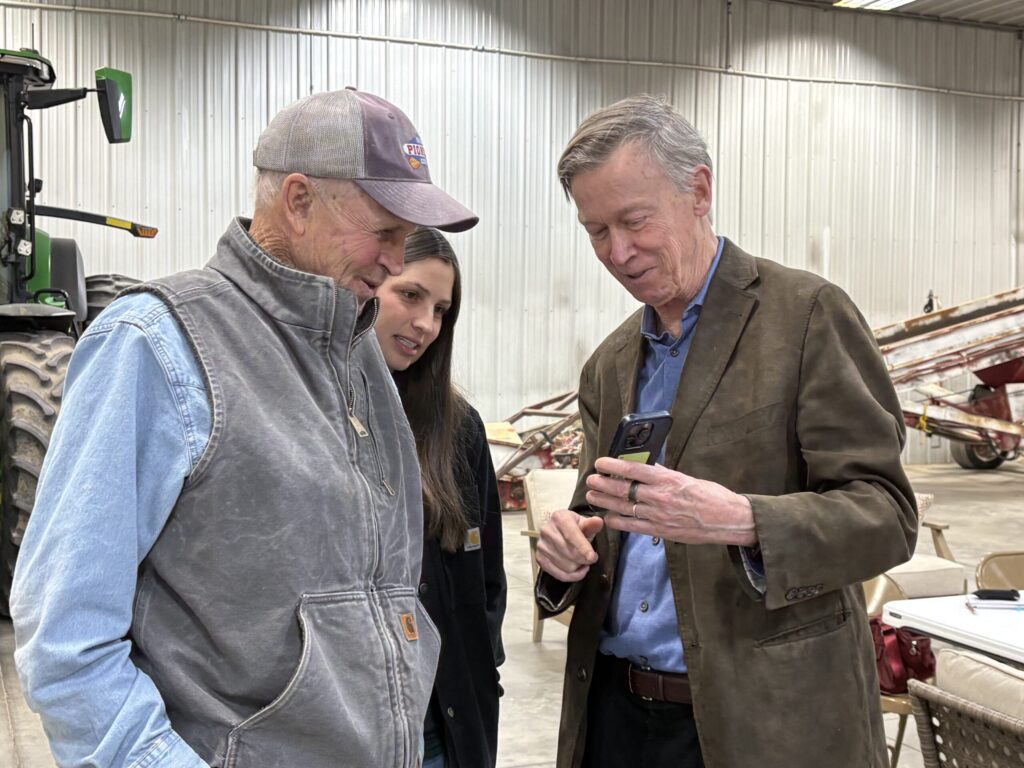
Colorado farmers warn U.S. Sen. John Hickenlooper tariffs and research cuts endanger agriculture
Marianne Goodland
marianne-goodland@denvergazette.com
Updated 3 days ago
Northern Colorado farmers told U.S. Sen. John Hickenlooper this week that tariffs and President Donald Trump’s decision to import $40 billion worth of beef from Argentina have hurt Colorado’s agricultural industry. But the administration’s cuts to scientific research are almost...

Marianne Goodland
Reporter
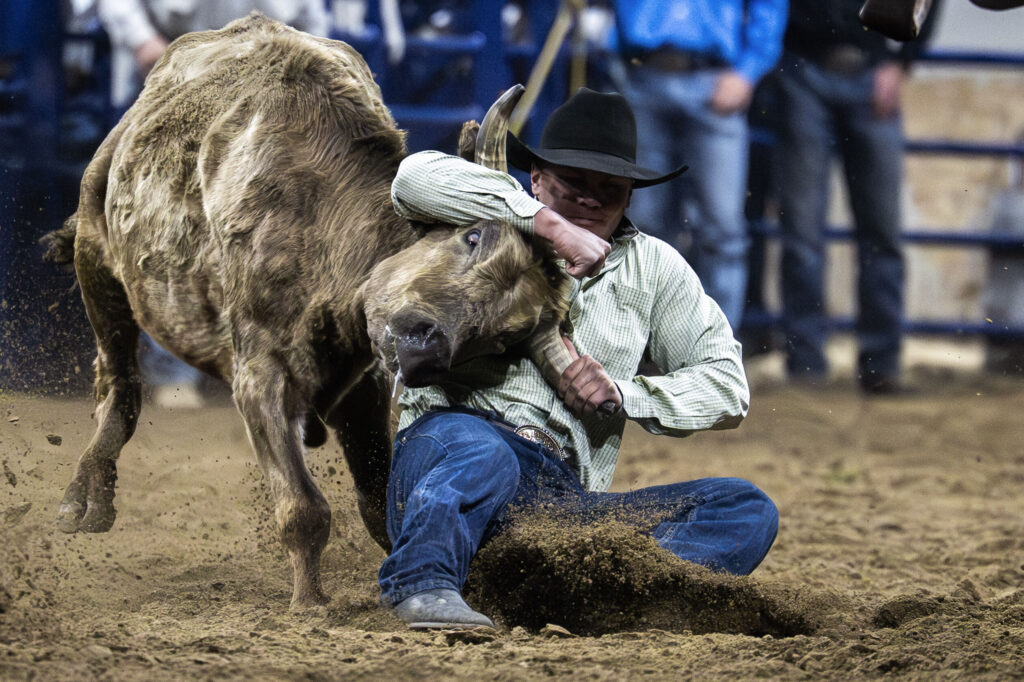
PHOTOS: The National Western Stock Show 4-H Day Pro Rodeo Tournament
Stephen Swofford
stephen-swofford@denvergazette.com
Updated 2 days ago

Stephen Swofford
Reporter
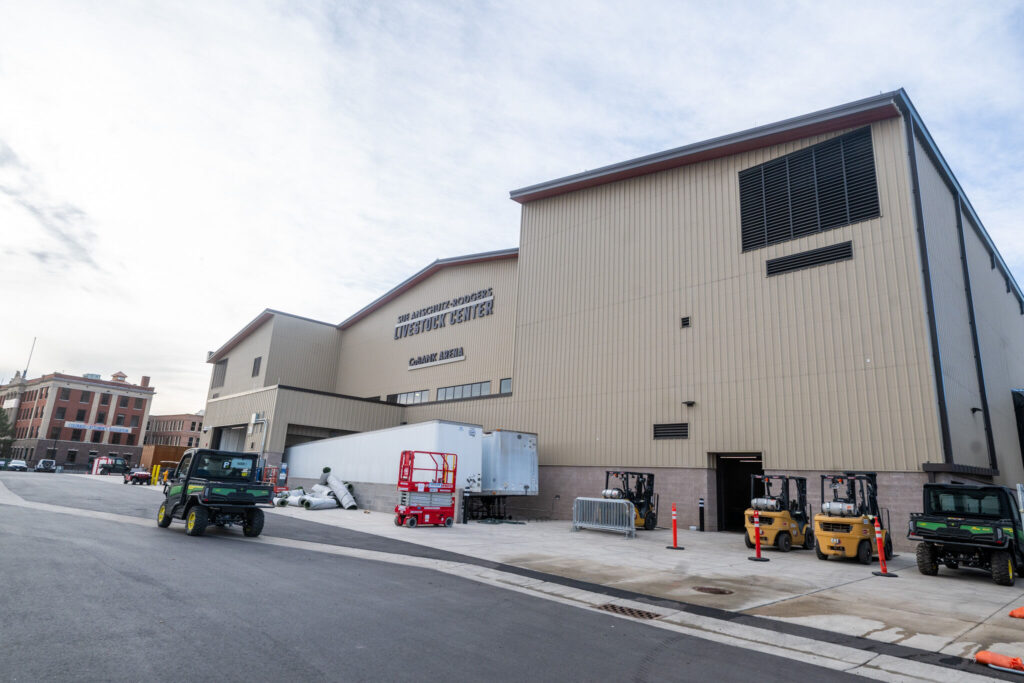
New buildings debut as National Western Stock Show attractions
Michael Braithwaite
michael.braithwaite@gazette.com
Updated 1 week ago
What used to be in the shadow of the 70-year-old Denver Coliseum is now one of the National Western Stock Show’s newest and largest attractions. Officially opening at the end of 2025 and debuting to the public during this year’s...

Michael Braithwaite
Reporter
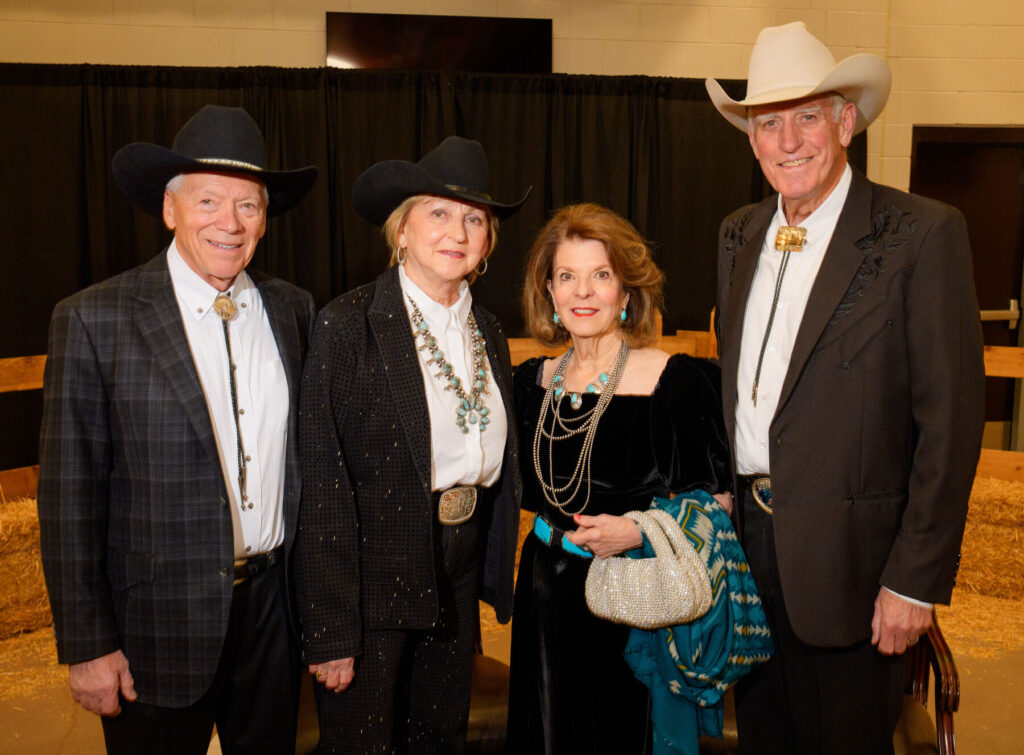
47th Citizen of the West: ‘Epitome of Western traditions and values’
Joanne Davidson Special to Colorado Politics
joanne-davidson-special-to-colorado-politics@denvergazette.com
Updated 2 weeks ago
The 47th Citizen of the West, George Eidsness, grew up on a farm in North Dakota where his appreciation for the Western way of life took shape as he rode horses, showed cattle in 4-H and shared in the often back-breaking chores necessary to maintain a farm. It was that hard work and a deep...


Boots ‘n Business Luncheon: ‘It’s something very special.’ | NONPROFIT REGISTER
Joanne Davidson Special to Colorado Politics
joanne-davidson-special-to-colorado-politics@denvergazette.com
Updated 2 weeks ago
DENVER METRO CHAMBER OF COMMERCE Denver News: With a capacity crowd of 1,400, a waiting list of 120 and an after-party attended by 600, it wasn’t a stretch for Denver Metro Chamber of Commerce President/CEO J.J. Ament to describe the 2026 Boots ‘n Business Luncheon as...
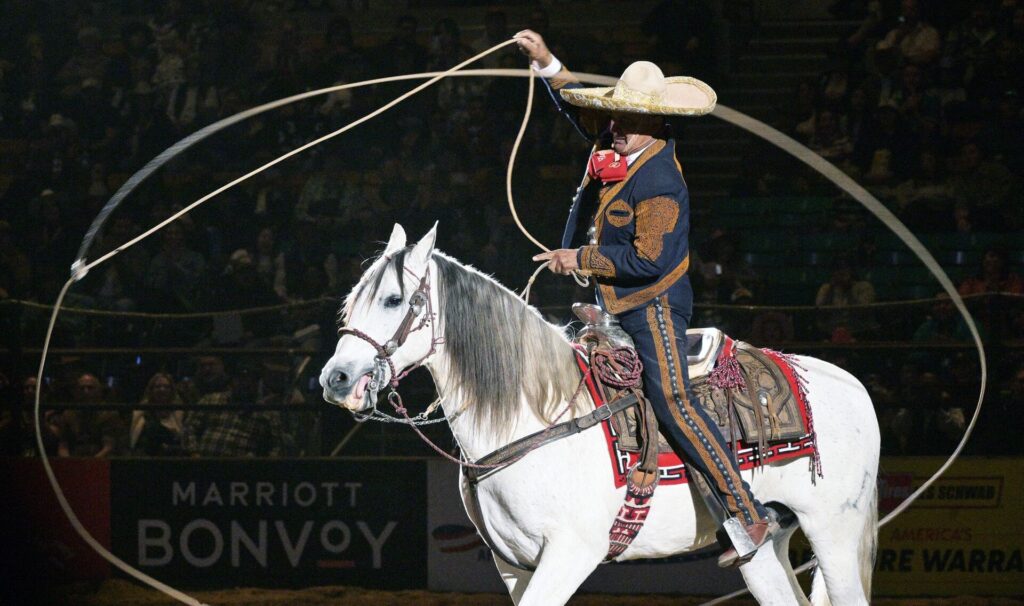
¡El aplauso! Mexican Rodeo Extravaganza marks 31st year in Denver
Deborah Grigsby
deborah.smith@denvergazette.com
Updated 2 weeks ago
Rodeo lovers from across the country gathered Sunday afternoon at the Denver Coliseum for the National Western Stock Show’s Mexican Rodeo Extravaganza, a perennial favorite, now in its 31st year, hosted by World Champion Charro Gerardo “Jerry” Diaz. With a...

Deborah Grigsby
Reporter
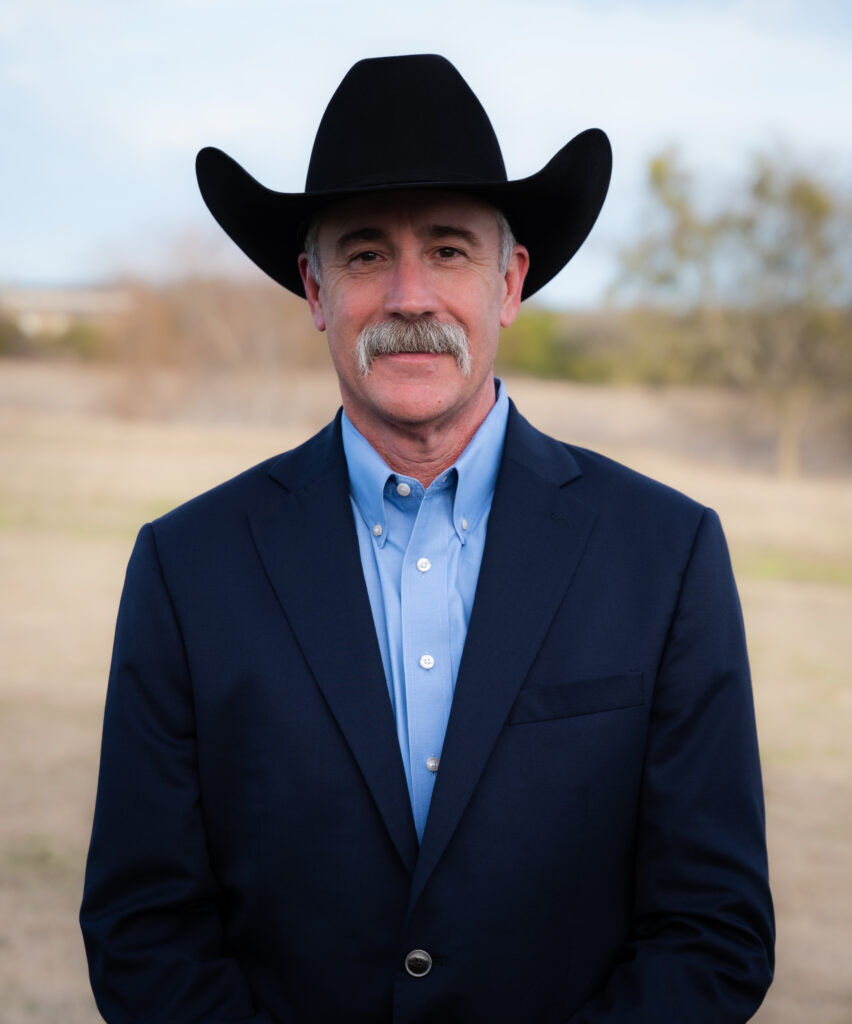
New National Western Stock Show CEO Wes Allison rides into first year with high ambitions
Noah Festenstein
noah-festenstein@denvergazette.com
Updated 2 weeks ago
The National Western Stock Show’s new President and CEO Wes Allison grabbed the reins of a renewed era for one of the nation’s largest stock shows, which rides back into action this week in Denver. On Tuesday, the new stock...

Noah Festenstein
Reporter
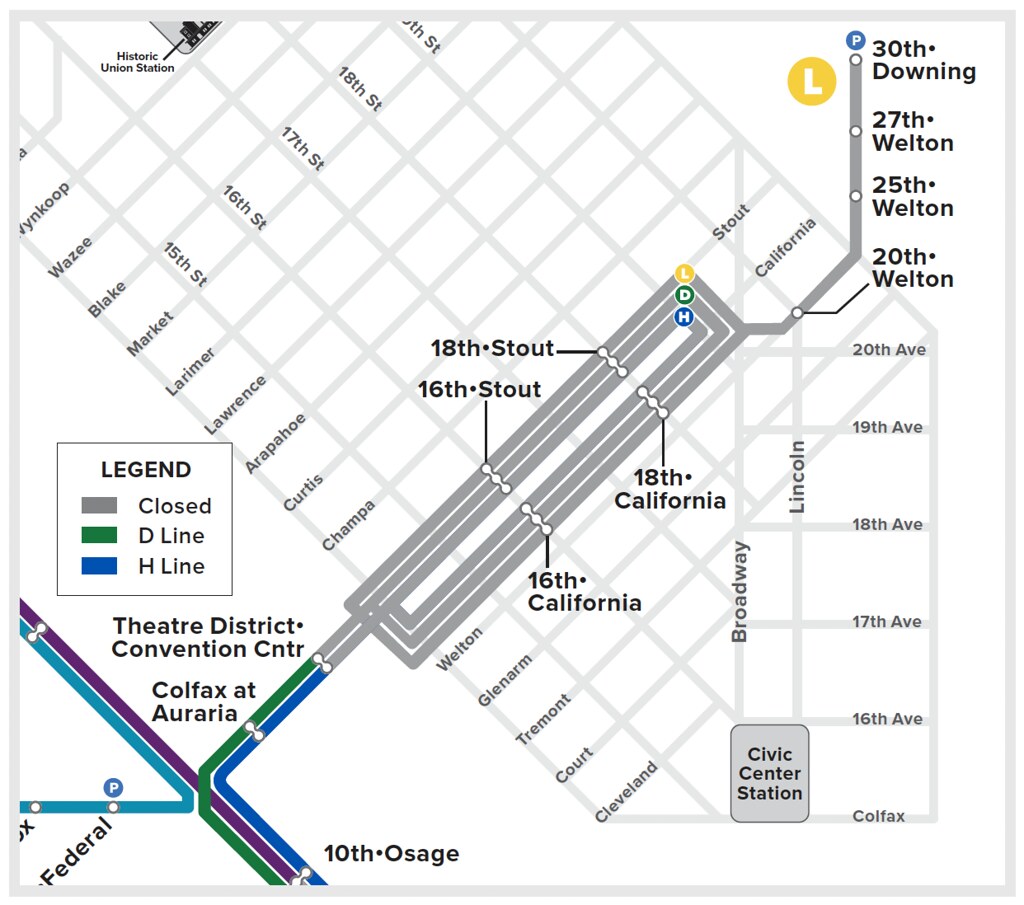
RTD to pause downtown light rail Thursday for Stock Show Parade
Scott Weiser
scott-weiser@denvergazette.com
Updated 3 weeks ago
The Regional Transportation District will pause L Line light rail service and modify D and H line service in downtown Denver beginning at 11 a.m. on Thursday, during the National Western Stock Show Parade, through about 2 p.m. when the...

Scott Weiser
Reporter
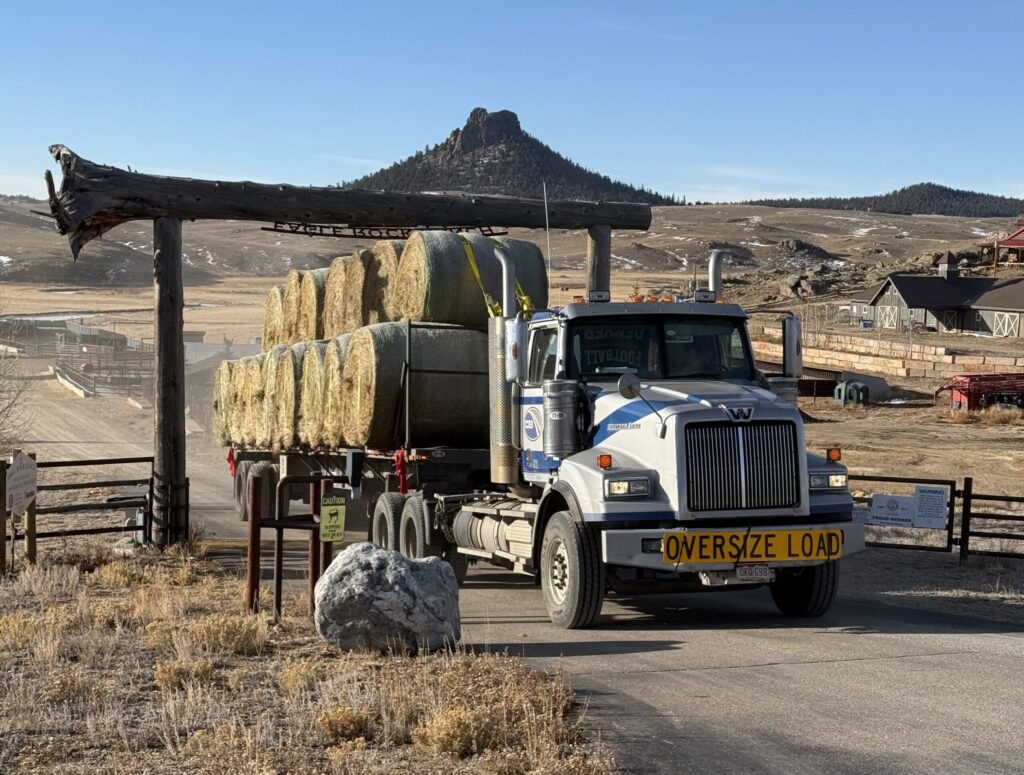
Colorado rancher donates 72,000 pounds of hay to ranchers affected by Lee fire
Jonathan Ingraham
jonathan.ingraham@denvergazette.com
Updated 1 month ago
“We’re grateful that we can be a part of it. It’s the Western way.” The Lee fire burned more than 138,000 acres of grassland used by ranchers and wildlife in northwestern Colorado in August and September, affecting the livelihoods of...

Jonathan Ingraham
Reporter
Pete Coors named Grand Marshal for National Western Stock Show Parade
Deborah Grigsby
deborah.smith@denvergazette.com
Updated 1 month ago
When the Longhorn cattle begin to mosey through downtown Denver on Jan. 8 for the National Western Stock Show Kick-Off Parade, this year’s Grand Marshal Pete Coors will ride at the center of a community to which he has devoted...
Deborah Grigsby
Reporter
PREV
PREVIOUS
Warm up with cocoa, champurrado, and atole recommended by Denver foodies
Not a coffee drinker? Sip your way to happiness with these hot cups of chocolatey, corny goodness On a snowy day in Denver, nothing hits the spot quite like a warm cup of cocoa – that is, if you’re not in the mood for a cup of ‘Joe.’ With Denver’s deep cultural ties with the […]

Nicole Harrison will give you the shirt on your back
2025 DENVER GAZETTE TRUE WEST AWARDS: DAY 9 Prolific costume designer had a hand in the making of 60 theatrical endeavors in 2025, surely the most of anyone in Colorado I’m pretty sure I first met Nikki Harrison in 1995 while mutually fanboy/girling a popular Denver funk ‘n punk band called the Psychodelic Zombiez. Tom […]