







RTD’s changes to disability transport faces legal challenge
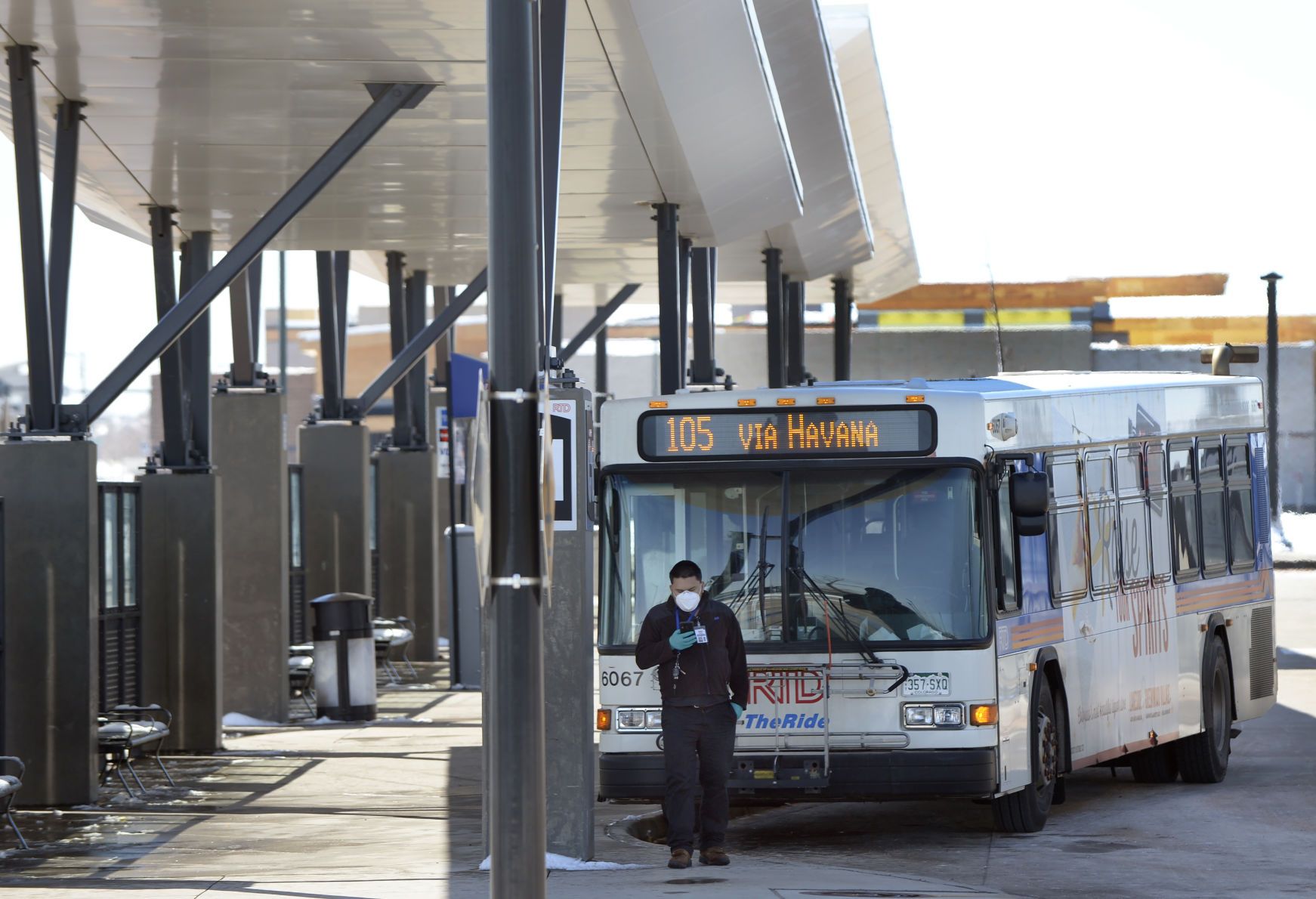
A legal battle over access to public transportation for those with disabilities is again brewing in the very town where it and “The Gang of 19” made national headlines almost 50 years ago.
Members of the Atlantis ADAPT community and two additional plaintiffs, Dawn Russell and Claudia Folska, filed a complaint and a motion for a preliminary injunction in the Colorado District Court on Sunday, seeking to halt recent changes to RTD’s Access-on-Demand program, alleging they violate federal law and unfairly impact those with disabilities.
The complaint argues that RTD is profiting by increasing costs and cutting services to the curb-to-curb program, upon which many disabled riders rely, while reducing costs for those without disabilities.
“Just last year, the RTD lowered daily fares for its bus, commuter rail, and light rail services for Coloradans without disabilities by nearly 10% and its monthly fares by 33%,” court documents stated. “Further, RTD was given permission by Colorado voters to keep its projected revenue of about $50-60 million per year by Ballot Measure 7A in 2024.”
Ballot Measure 7A, which was approved by voters, required that if the RTD were to keep the projected revenue, among other requirements, it would maintain “the availability of services for people with disabilities.”
“As a former RTD Board Director, I can say unequivocally that Access-on-Demand was created to expand freedom and opportunity for riders. Cutting this service kills the spirit of what it was intended to do,” Folska said in a statement. “This injunction is not just a legal action—it’s a necessary correction. RTD’s decision-making ignored data, community input, and riders’ lived reality. RTD is breaking the law, and we have to enforce it.”
The popular service provides on-demand transportation to RTD users with disabilities through taxis and ride-sharing companies such as Uber. Disabled riders are currently eligible for up to 60 rides per month, with RTD providing a $25 voucher toward each ride.
“RTD is in receipt of the complaint and its accompanying motion for a preliminary injunction and is in the process of reviewing,” a statement to The Denver Gazette read. “The agency remains committed to serving the transit needs of all customers who rely on its bus, rail, and paratransit services.”
Many disabled riders depend on the program for access to workplaces, grocery stores, doctors’ offices, restaurants, and more.
However, in October, RTD announced it would introduce a $4.50 standard base fare per trip or $2.25 for riders eligible for reduced rides.
Previously, there had been no base fare for the curb-to-curb service.
The agency also approved reducing the program’s operating hours by two and lowering its per-ride subsidy from $25 to $20, effective Jan. 1, 2026.
Customers may still take up to 60 rides per month.
Although RTD has experienced a 306% increase in program funding since its inception in January 2023, the number of active Access-on-Demand users has increased from 2,191 in October 2023 to 3,398 in August 2025.
The agency noted in an October press release that costs to provide Wheelchair Accessible Vehicles from the program’s fleet amount to an additional $1 million per month.
The plaintiffs also claim that cuts to services that “affect only Coloradans with disabilities, while cutting costs for Coloradans without disabilities, violate the Americans with Disabilities Act and Colorado Anti-Discrimination Act.”
Denver has come a long way since the summer of 1978, when wheelchair activists surrounded Regional Transportation District buses for two days, bringing traffic to a standstill and shining a national spotlight on the city’s then-inaccessible public transit system.
Seven years after that protest, RTD became the first metropolitan region in the country to provide wheelchair-accessible service on all local buses, sparking a nationwide disability rights movement.

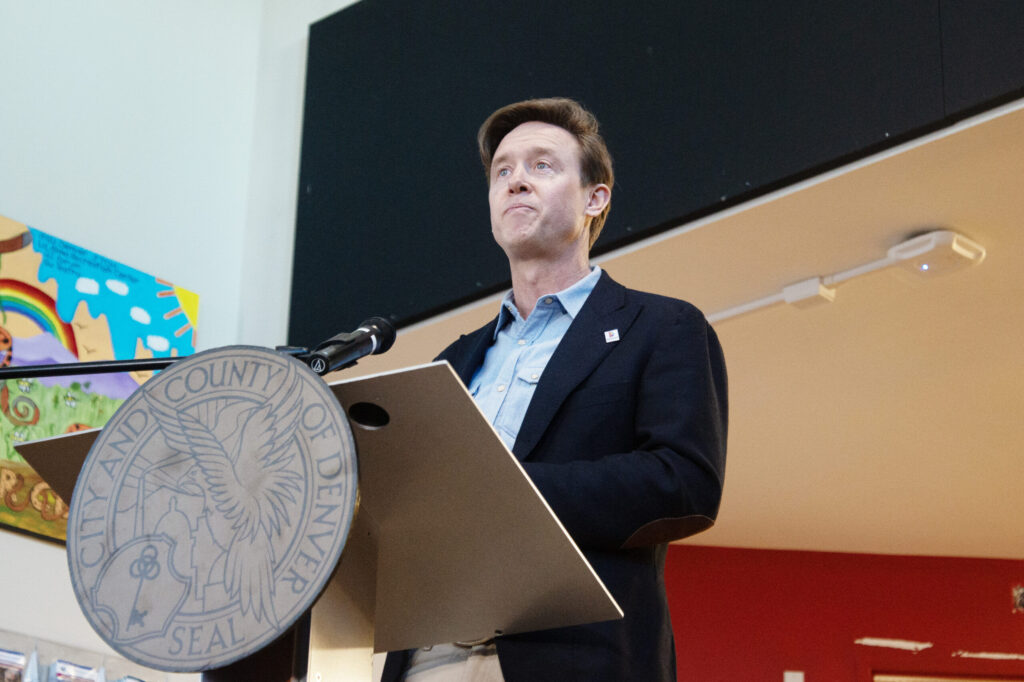
Denver mayor aims to reduce gun violence, homelessness in 2026
Deborah Grigsby
deborah.smith@denvergazette.com
Updated 12 hours ago
Denver Mayor Mike Johnston on Monday outlined his top 2026 priorities, with an eye toward the city’s most persistent challenges, notably homelessness, which has been growing under his administration, though there had been gains in some areas. The city’s top...
Deborah Grigsby
Reporter

RTD pilots digital open meeting discussion tool
Michael Braithwaite
michael.braithwaite@gazette.com
Updated 3 hours ago
The Regional Transportation District debuted a digital tool last week that officials said is the first of its kind they’ve seen for open meetings use — at least in the Denver area. Utilized by the agency’s Board of Directors, the...

Michael Braithwaite
Reporter

Greenland is now Colorado’s problem. And that’s a good thing. | Vince Bzdek
Vince Bzdek
vince-bzdek@denvergazette.com
Updated 3 days ago
The conclusion to the dizzying odyssey over Greenland this week reminded me a little of the ending of the “Wizard of Oz.” If you recall, Dorothy, the Scarecrow, the Lion and the Tin Man finish a great and frightful quest...

Vince Bzdek
Reporter

Denver City Council to mull spending $30M on homeless services
Deborah Grigsby
deborah.smith@denvergazette.com
Updated 1 day ago
The Denver City Council will consider a trio of resolutions totaling $30 million to support the city’s efforts to shelter the homeless. The first is a resolution to approve a $14 million, two-year agreement between the city and Bayaud Works,...
Deborah Grigsby
Reporter

Vape shops challenge Denver’s flavored tobacco ban in court
Deborah Grigsby
deborah.smith@denvergazette.com
Updated 3 days ago
The smoke has yet to settle in the battle over the city’s flavored tobacco ban as local vape shop owners have sued the City and County of Denver, asking the court to declare the ordinance unconstitutional and stop its enforcement....
Deborah Grigsby
Reporter
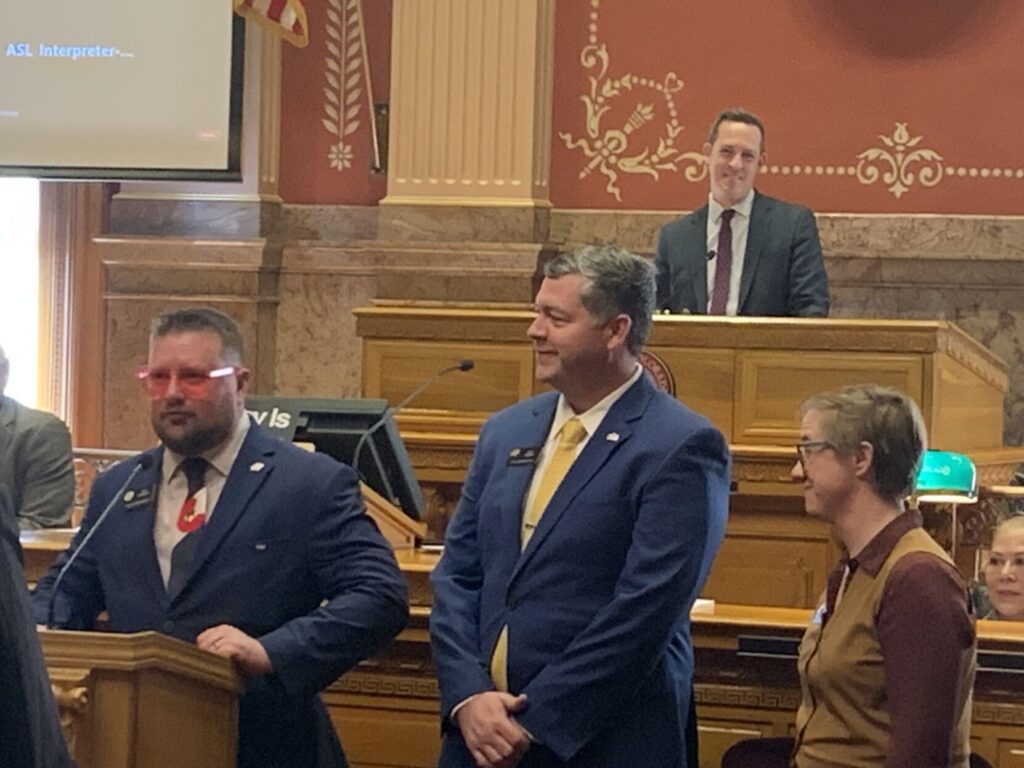
Rep. Ron Weinberg won’t seek reelection
Marianne Goodland
marianne-goodland@denvergazette.com
Updated 5 days ago
Republican Rep. Ron Weinberg of Loveland announced on Thursday evening that he will not seek another term in the Colorado House. “Serving this community has been one of the greatest honors of my life,” the two-term state representative said on...

Marianne Goodland
Reporter
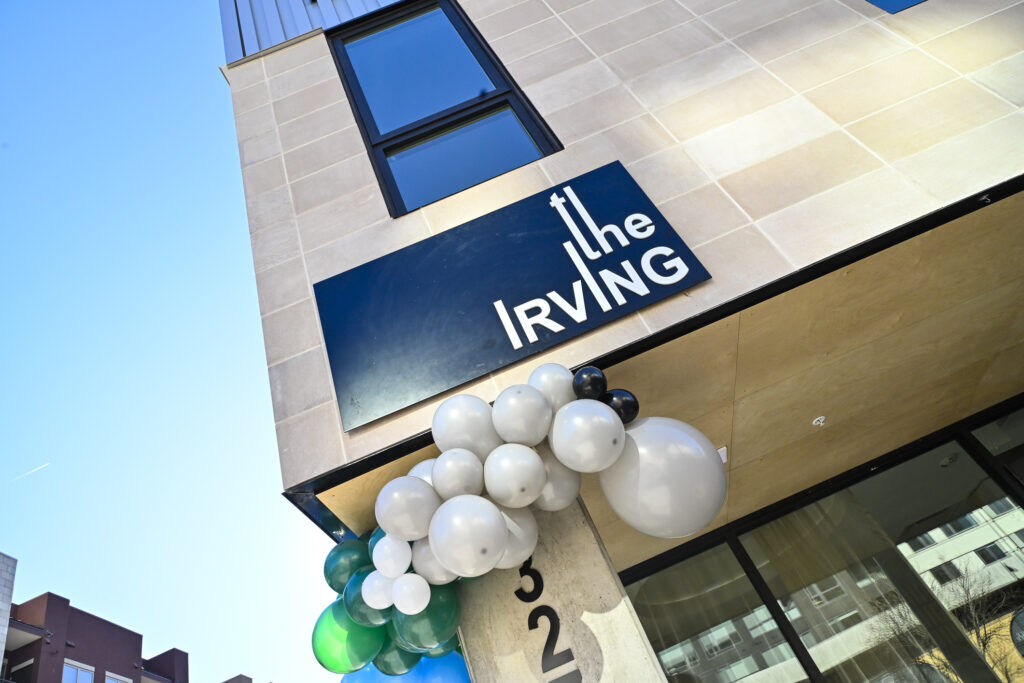
Denver unveils new all-electric, ‘permanently’ affordable housing
Deborah Grigsby
deborah.smith@denvergazette.com
Updated 4 days ago
The City of Denver welcomed its newest affordable housing community as Mayor Mike Johnston and other city leaders gathered for a brief ribbon-cutting ceremony on Thursday. Developed by the Urban Land Conservancy, The Irving at Mile High Vista is a...
Deborah Grigsby
Reporter

PUC schedules virtual hearing on proposed rules for public safety power shutoffs
Scott Weiser
scott-weiser@denvergazette.com
Updated 15 hours ago
The Colorado Public Utilities Commission will hold a virtual public comment hearing to gather input on proposed new rules for Public Safety Power Shutoff events, a wildfire prevention measure that temporarily cuts power to reduce ignition risks from utility equipment...

Scott Weiser
Reporter
Applications open for Colfax revitalization project board
Kyla Pearce
kyla-pearce@denvergazette.com
Updated 2 days ago
Aurora’s Downtown Development Authority is seeking applicants to serve on the board that will oversee the Colfax Avenue revitalization project approved by voters in November. The application for board members opened Tuesday and the deadline to apply is Feb. 28,...

Kyla Pearce
Reporter
Denver streets official pressed by councilmembers on change of plans along Alameda Avenue
Mark Samuelson
mark-samuelson@denvergazette.com
Updated 4 days ago
Denver City Councilmembers pressed Amy Ford, executive director of Denver’s Department of Transportation and Infrastructure, for details following a public outcry over changes to its “lane repurposing project” on East Alameda Avenue. Councilmembers wrote Mayor Mike Johnston last week after...

Mark Samuelson
Reporter
PREV
PREVIOUS

Woman, 20, arrested following fatal crash in Lakewood
Lakewood authorities arrested a woman at the end of November on suspicion of vehicular homicide following a crash that killed another woman. Ella Cromwell, 20, faces charges of vehicular homicide, reckless driving and driving under the influence in connection with a fatal crash at the intersection of Kipling Street and West 6th Avenue Frontage Road, […]

Douglas County businesses to pay fines for unreported thefts under proposed ordinance
Douglas County commissioners on Tuesday advanced an ordinance aimed at curbing retail theft by penalizing businesses that refuse to report shoplifters to law enforcement. The proposal is notable in that it shifts the onus of responsibility to businesses. Officials said the ordinance is designed to encourage corporations to adopt policies favoring the reporting of shoplifting […]