







Denver grand jury indicts 7 on 131 counts related to identity theft operation

A Denver grand jury returned a 131-count indictment against seven people in connection with a wide-scale identity theft operation, the Denver District Attorney’s Office announced Friday.
The seven alleged racketeers — Jordan Ashley, Keiichi Hiramatsu, Ryan Jennings, Douglas Jump, Shawn McClintock, Kaisha Valentin and Brandon Clements — face charges including burglary, forgery, theft and attempting to influence a public servant, according to the 72-page indictment.
“The allegations alleged in the indictment point to a carefully designed scheme that stole the identities of numerous Denver-area residents and then defrauded people and businesses out of tens of thousands of dollars,” said Denver District Attorney John Walsh in an adjoining news release. “Identity theft can have lifelong financial effects on victims and ruin their sense of security. It also results in losses to businesses that are often passed on to consumers.”
From Sept. 16, 2024 through Wednesday, the racketeers worked together in the Denver area to acquire, use and share the stolen personal information of other people to commit theft or fraud for their own personal and financial gain, according to the indictment. In doing so, they stole mail that held credit cards, ID cards and other personal information.
To steal that information on a widespread scale, members of the group created fake arrow keys to unlock mailboxes, according to the indictment. They also bought and received the personal information of victims from the dark web.
After obtaining the information, the members would share that information with each other using people’s identities to book hotel rooms, apply for credit cards and buy vehicles from local car dealerships, among other schemes, according to the indictment. They also used the profits from those ventures to buy food and illicit drugs, as well as goods and services for friends, acquaintances and partners.
In addition to the theft, members created a cellphone app that mimicked the “myColorado app” offered by the state to store ID cards and other information, according to the indictment. Members of the enterprise would act as administrators on the app, creating a realistic-looking digital hologram and function bar code to the app could be used as if it was official.
Using the app, members of the group created fake digital identifications that contained the stolen information and then sold them for profit, according to the indictment.
In total, the group defrauded victims of over $175,000.


Gov. Jared Polis moves to end ICE subpoena fight over Colorado workers’ personal data
Marianne Goodland
marianne-goodland@denvergazette.com
Updated 7 hours ago
The effort by Gov. Jared Polis to comply with an administrative subpoena from U.S. Immigration and Customs Enforcement for information held by several state agencies is over. Polis, in a motion filed Feb. 20, asked for a permanent injunction and...

Marianne Goodland
Reporter

Ex-Colorado Sen. Sonya Jaquez Lewis avoids prison, gets probation for forged ethics letters
Marianne Goodland
marianne-goodland@denvergazette.com
Updated 7 hours ago
Former state Sen. Sonya Jaquez Lewis, D-Longmont, was sentenced Friday to two years of supervised probation and 150 hours of community service, and a $3,000 fine, to be waived if she completes an additional 100 hours of community service. The...
Marianne Goodland
Reporter

Toll to sexual assault survivors rises if they feel blamed and disbelieved
Jenny Deam
jenny-deam@denvergazette.com
Updated 16 hours ago
Natalie, a single mother, dropped off her son at daycare, went to therapy and then returned home. She swallowed a fistful of pills, washing them down with a six-pack of beer. She was ready to end her life. “I just...

Jenny Deam
Reporter

Colorado rape cases rarely result in an arrest and prosecution
Jenny Deam
jenny-deam@denvergazette.com
Updated 12 hours ago
Authorities say they are especially difficult cases. In Colorado, most go nowhere. Over the past decade, for every 10 reports of rape, there is only one arrest. Warning: This story contains descriptions of sexual violence. Kiersten May remembered a fuzziness...
Jenny Deam
Reporter
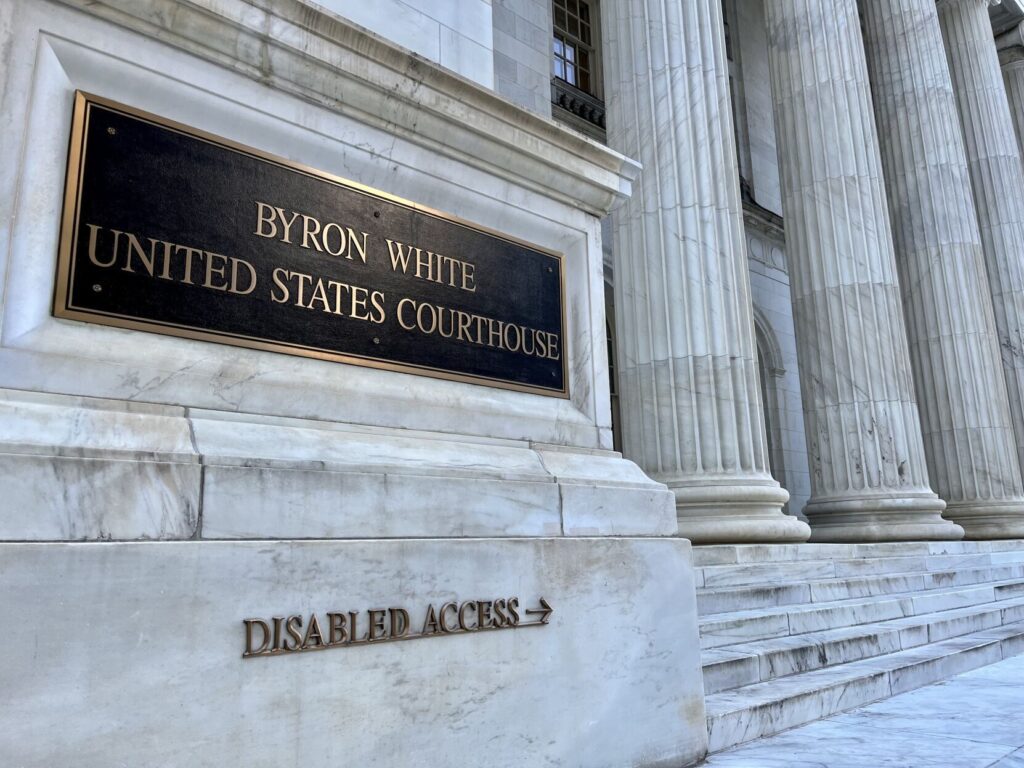
10th Circuit upholds finding of no misconduct against Colorado federal judge
Michael Karlik
michael-karlik@denvergazette.com
Updated 1 day ago
A judicial committee for the Denver-based federal appeals court upheld the chief judge’s finding last week that a federal judge in Colorado did not engage in misconduct by handling a civil case involving other attorneys and judges in the state....

Michael Karlik
Reporter

Suzanne Morphew’s family fighting for her remains
Carol McKinley, Special to the Denver Gazette
carol.mckinley@denvergazette.com
Updated 19 hours ago
Six years after she disappeared, Suzanne Morphew’s adult daughters are fighting to get her remains from the investigators who have them. Barry Morphew has been charged with first degree murder in his wife’s death. Mallory and Macy Morphew have asked...


Denver Police arrest man, 20, in fatal Maple Avenue house party fight, shooting
Michael Braithwaite
michael.braithwaite@gazette.com
Updated 2 days ago
Denver Police Department announced an arrest Tuesday in connection with a shooting a few weeks prior, during which one person was killed and another injured. Yeanbraiker Yriarte-Valera, 20, faces a first-degree murder charge after he allegedly shot and killed a...
Michael Braithwaite
Reporter
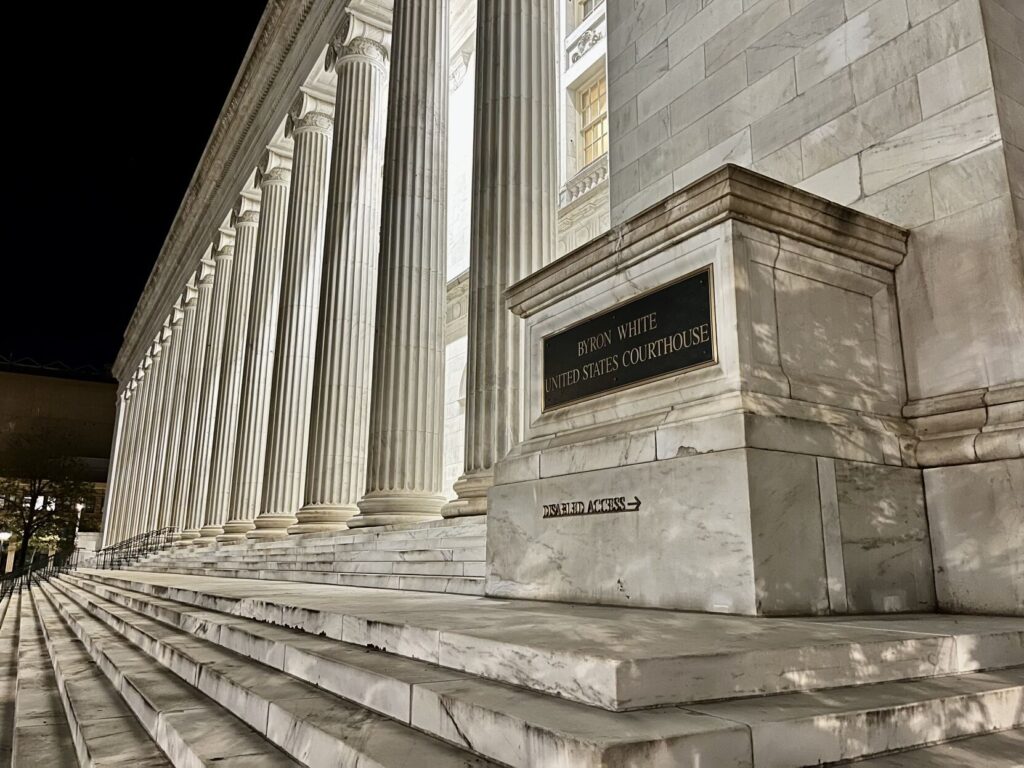
10th Circuit upholds violations, sanctions against Colorado Springs mental health hospital
Michael Karlik
michael-karlik@denvergazette.com
Updated 2 days ago
The Denver-based federal appeals court agreed earlier this month that the government properly cited and penalized a Colorado Springs psychiatric hospital for failing to protect its staff from known risks posed by patients. The Occupational Safety and Health Administration inspected...
Michael Karlik
Reporter

Supreme Court could decide the fate of foreclosure sales for unpaid taxes
Jack Birle, Washington Examiner
jack.birle.washington.examiner@gazetteedit.wpenginepowered.com
Updated 2 days ago
The Supreme Court will soon decide whether a Michigan county violated a family’s constitutional rights by selling their property as part of a tax foreclosure for well under its market value, years after the high court ruled counties may not...

Jack Birle, Washington Examiner
Reporter

Parent group accuses DPS of racketeering in challenge to school financing structure
Nicole C. Brambila nico.brambila@denvergazette.com
nico.brambila@denvergazette.com
Updated 2 days ago
The parent advocacy group that previously accused Denver Public Schools of financial misconduct in court documents has escalated its claims, alleging the district engaged in racketeering through its bond and lease-financing structures. Mamás de DPS filed a complaint in Denver...

PREV
PREVIOUS

News nuggets: Denver Clerk and Recorder moving
CLERK AND RECORDER TO CONSOLIDATE LOCATION, SERVICES Beginning Monday, the Denver Clerk and Recorder will consolidate and relocate all services into one building at 200 W. 14th Ave. Marriage licenses, land recordings, deeds of trust, foreclosure services, and other legal filing services that have been historically offered at the Wellington E. Webb Municipal Building will […]

Federal court issues injunction on Colorado gas stove labels law
A federal judge in Denver has issued an injunction blocking enforcement of a newly enacted state law that would have required retailers to place labels on gas-fueled stoves with warnings about their potential effects on air quality. The law, House Bill 25-1161, was scheduled to take effect on Aug. 6 of this year. The day […]