








Denver Summit to stay in city after council approves $70M stadium deal

With an incredibly short timeframe to start construction on a major league women’s soccer stadium, Denver’s City Council dropped the biggest hurdle for Denver Summit FC.
Now, the team plans to move forward with its stadium and stay in Denver’s urban core.
“With Denver City Council voting the measure through, the club will proceed with building a new stadium in Denver’s urban core in advance of the 2028 NWSL season,” the team said in a statement.
City leaders approved a package of bills Monday, including rezoning the property near Interstate 25 and Broadway, to allow a stadium to be built on the site and an intergovernmental agreement at a price tag of $70 million for Denver to buy the land and upgrade its infrastructure.
Ten council members voted in favor, while Council members Sarah Parady, Shontel Lewis and Stacie Gilmore voted against it over concerns regarding the city’s investment in the project.
“This is a monumental day for South Broadway, for women’s soccer and for women’s sports, and for Denver as a whole,” said Denver Mayor Mike Johnston in a news release.
Before the City Council met, Denver Summit owner Rob Cohen told the media he met with every councilmember and he believes the team did everything it could have done.
Still, Cohen said, he felt a little pit in his stomach ahead of the vote.
“It’s like before a game, you know, standing on the pitch, wondering what’s going to happen in this match,” Cohen said.
Denver Summit selected Santa Fe Yards — a 6-acre portion of the vacant Gates Rubber Factory, where many developments have promised to bring life to the 41-acre area but never came to fruition — as the ideal home for its future stadium.
Many businesses on South Broadway said the team will help reinvigorate the dirt lot that has been empty for more than two decades and bring new life to its surrounding neighborhoods.
The stadium might not be a game changer for the area, said Councilmember Paul Kashmann. But, he said, he believes it will “move the needle.”
And, if it fails, he added that at least the land will go back to the city.

CONCERNS THE TEAM WILL GO SOMEWHERE ELSE
The 14,500-seat stadium project has been at risk of becoming like the many other visions that have tried to rise from the former factory’s contaminated soil.
Last month, a group of councilmembers responsible for reviewing developments within half a mile of the South Platte River criticized the mayor’s team and Denver Summit for not having a more detailed breakdown of the city’s financial spending to buy the land and pay for infrastructure upgrades.
Council President Amanda Sandoval pushed to get more information and the South Platte River committee voted to move its vote several weeks later, which changed the City Council’s vote on the $70 million agreement from Dec. 15 to Dec. 22.
Denver Summit said the delay made the team start talking with other cities outside of Denver.
The team spoke with four other cities, Cohen confirmed Monday. He did not disclose which cities.
Some councilmembers took the team’s statement as a threat to rush the process, while others said it was reasonable for the team to look at alternatives, in case efforts in Denver fail to get done on time.
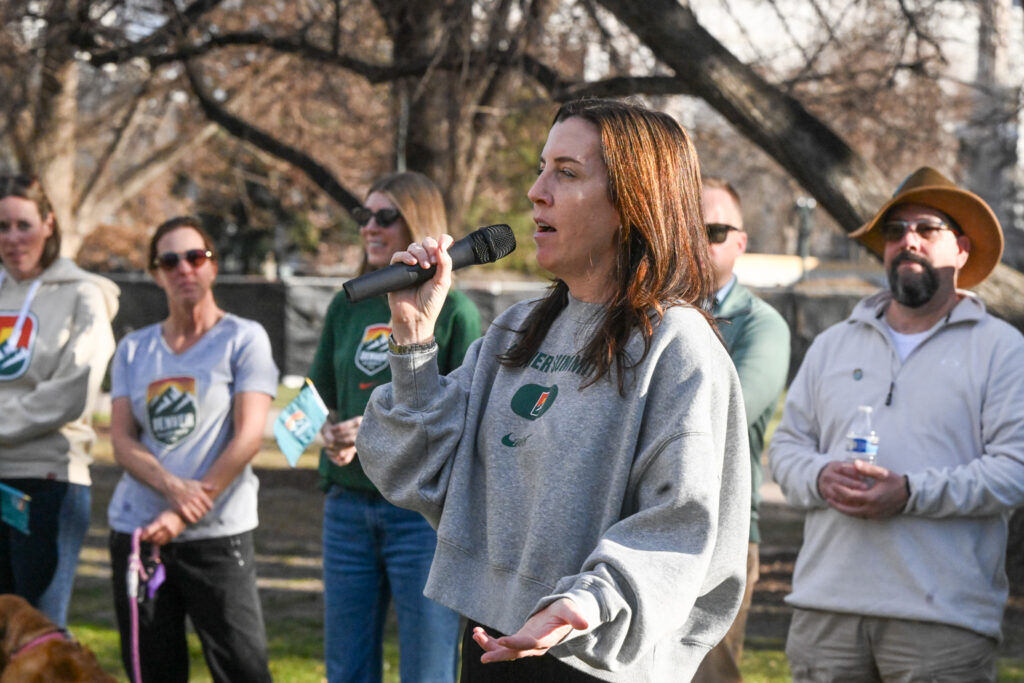
While the team is looking elsewhere, “our heart is here,” said Denver Summit president Jen Millet on Monday. “We’ve attached ourselves to the site in Santa Fe Yards.”
The women’s soccer team is building a temporary stadium in Centennial for the 2026 season, playing at Empower Field for its first home game. The team will face fines from the National Women’s Soccer League if it doesn’t have a permanent stadium by the 2028 season, as it was part of Denver’s bid to secure a franchise.
Cohen has stressed the team needs to build its own stadium to prove women’s sports are profitable, as women’s sports teams playing in stadiums built for men’s teams lose part of their revenue to pay rent.
SUPPORT FOR WOMEN’S SPORTS, BUT WORRY OVER USING CITY MONEY
The city will put $50 million toward the stadium site and $20 million will go to upgrades for the area around the property.
Out of the $50 million, the city will buy the land from Broadway Station Partners and a sliver from the Colorado Department of Transportation for about $35.6 million, according to a city presentation.
The rest of the budget includes site logistics ($1 million), earthwork and excavation ($7 million), erosion control ($1 million), survey ($650,000), utilities ($3.75 million) and site work and safety ($6.75 million).
The total of nearly $56 million will exceed the city’s contributions and Denver Summit will be responsible for covering cost overruns.
The city will also be responsible for building a second pedestrian bridge at the former Gates Rubber Factory, which will cost between $20 million to $25 million, using state and federal grants.
A women’s soccer team could generate up to $2.2 billion in economic impact to the city over 30 years, according to a city analysis done earlier this year, as well as other benefits difficult to calculate, such as community pride and serving as an inspiration for generations of girls.
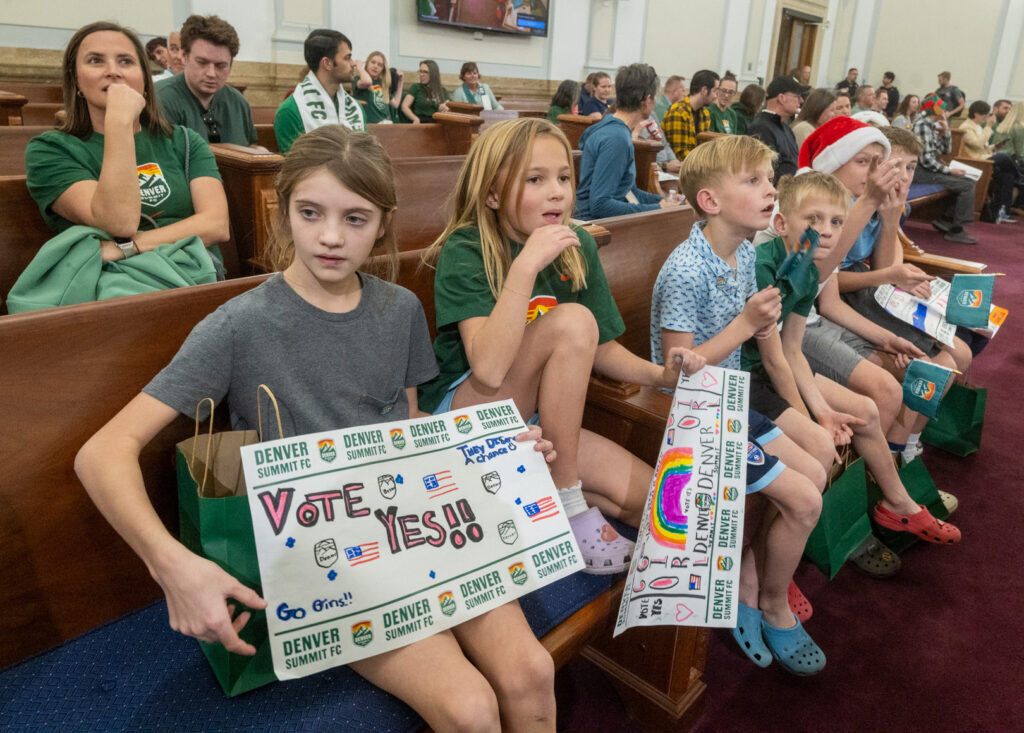
It’s a “once in a generation development coming to West Denver,” said Adriana Lopez, a member of the neighborhood group that negotiated a community benefits agreement with the team.
Several councilmembers cited worries about the $70 million coming from Denver’s Capital Improvement Program using $65 million in interest earned from the Elevate Bond program voters approved in 2017, saying they wished the mayor’s office had told them about the extra source of money before the stadium subject came up.
“I believe it is important to ensure that we are keeping good practices regarding those bondholders and I cannot say that I feel that way here” said Lewis, one of the councilmembers.
Councilmember Serena Gonzales-Gutierrez, a self-proclaimed soccer fan and lifelong player, said she struggled on whether to vote yes or no, as there are many needs in the city.
“It is sad though that we don’t have the level of investment from private investors as we do with men’s sports,” she said. “That is incredibly frustrating that this is now coming upon us to publicly invest these funds with public dollars.”
Parady said she doubted the city’s money was “make or break” for the team’s ownership group, saying early estimates had the stadium construction at $150 million to $200 million but now could cost more than $300 million.
“They’re still planning to build it and spend it,” Parady said. “Where is that other $100 million coming from?”
For Sandoval, the rezoning was the easiest part of the package, but the contract was difficult to understand.
She said she didn’t agree with the city’s responsibility to fund the north pedestrian bridge but that she would still vote yes.
“I hope, in 20 years from now, that I am sitting with my daughter, and that this isn’t a regret,” Sandoval said.

’60 Minutes’ pulls story about deportations from its lineup
News services
news-services@denvergazette.com
Updated 8 hours ago
An internal CBS News battle over a “60 Minutes” story critical of the Trump administration has exploded publicly, with a correspondent charging it was kept off the air for political reasons and news chief Bari Weiss saying Monday the story did not...

News services
Reporter
Ellison offers $40.4 billion guarantee to beef up Paramount’s Warner Bros bid
Reuters
reuters@denvergazette.com
Updated 8 hours ago
Oracle co-founder Larry Ellison has stepped in to personally guarantee $40.4 billion in Paramount Skydance’s latest effort to pry Warner Bros. Discovery away from selling its prized Hollywood assets to streaming giant Netflix. The guarantee, disclosed in a filing on...

Reuters
Reporter
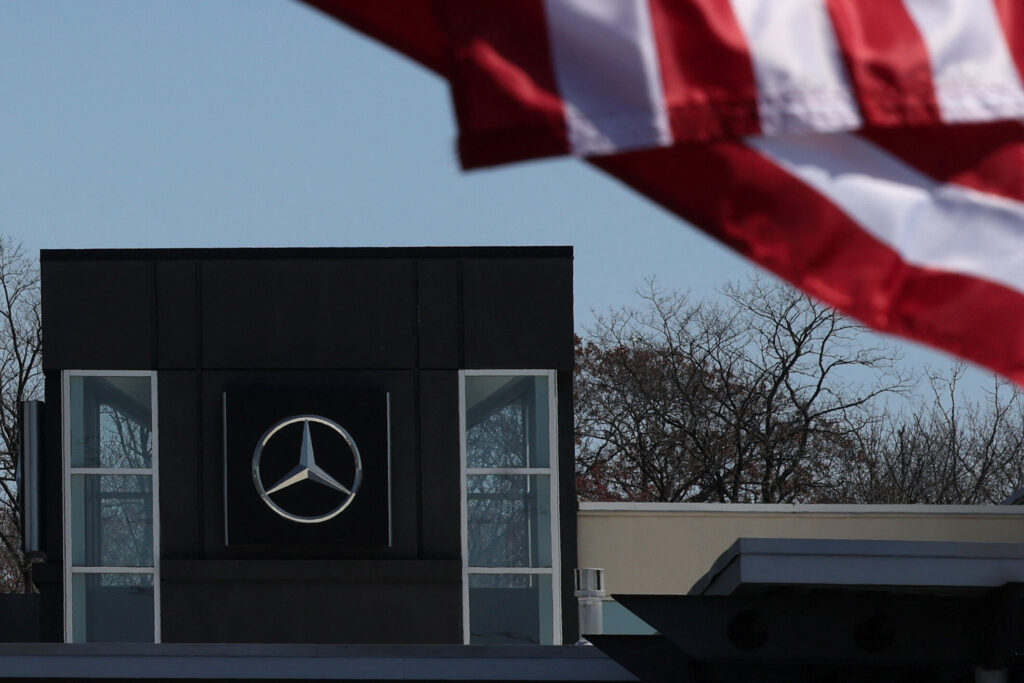
Mercedes reaches $150 million settlement with states over diesel scandal
Reuters
reuters@denvergazette.com
Updated 8 hours ago
Mercedes-Benz has reached a $149.6 million settlement with U.S. states to resolve a long-running investigation into allegations of diesel emissions cheating by the German automaker, New York Attorney General Letitia James said Monday. The automaker said the deal effectively ends...
Reuters
Reporter
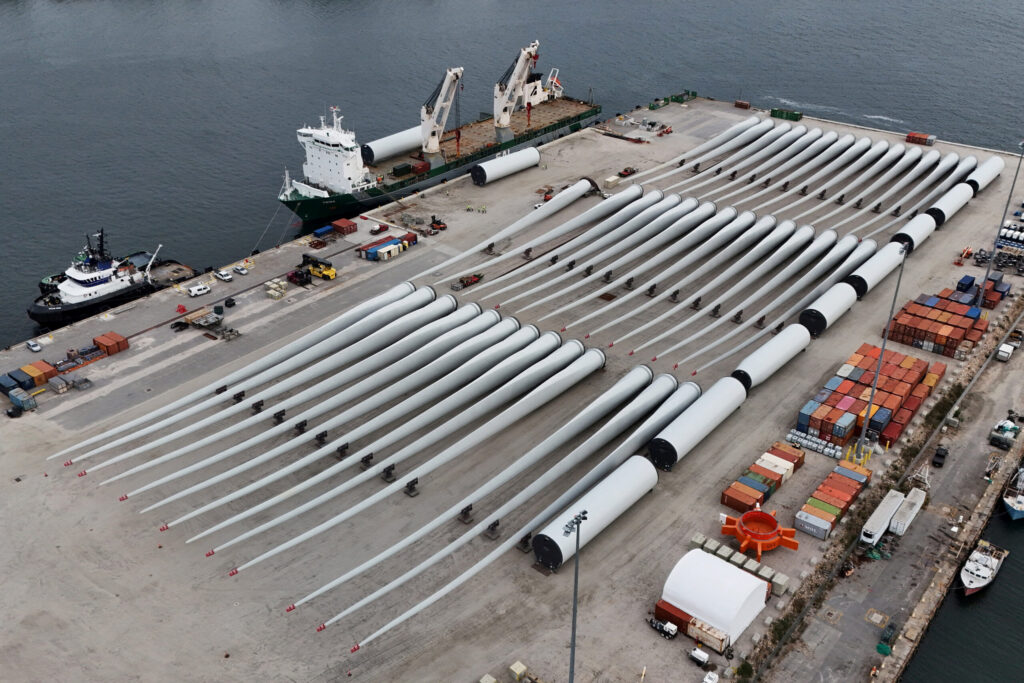
U.S. freezes five big offshore wind projects
Reuters
reuters@denvergazette.com
Updated 9 hours ago
The Trump administration suspended leases on Monday for five large offshore wind projects that are under construction off the East Coast over what it called national security concerns, sending shares of offshore wind companies plunging. The suspension was the latest...
Reuters
Reporter
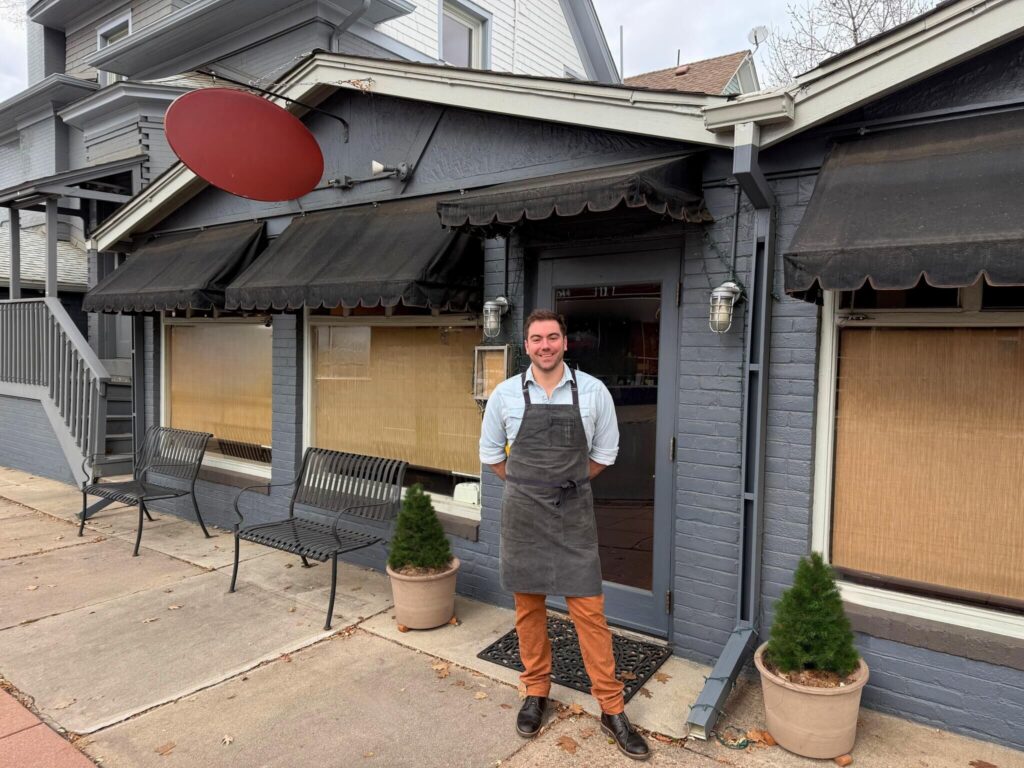
Metro Moves: 3 Denver-area restaurant openings to watch
Bernadette Berdychowski
bernadette.berdychowski@denvergazette.com
Updated 7 hours ago
Welcome to the Denver Gazette’s Metro Moves. You’ll get the latest metro Denver openings, closings, hiring and promotion news here. To submit your company’s news, drop an email to bernadette.berdychowski@denvergazette.com. Denver is set to get a new restaurant to take over...
Bernadette Berdychowski
Reporter

Colorado marijuana sales likely to reach $1 billion in 2025
Marissa Ventrelli
marissa-ventrelli@denvergazette.com
Updated 7 hours ago
Colorado’s marijuana sales will likely reach $1 billion by the end of 2025, generating almost $200 million in tax revenue, according to a state agency. “Colorado’s world-class marijuana industry drives out criminals and cartels and is supporting Colorado businesses and jobs while...

Marissa Ventrelli
Reporter
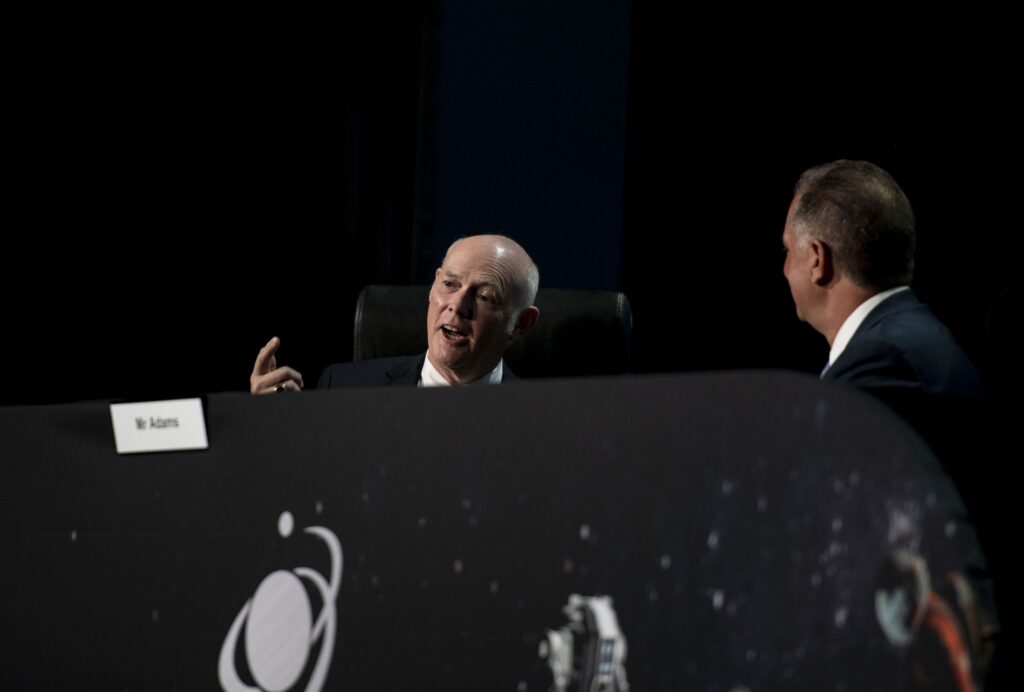
Colorado’s United Launch Alliance CEO resigns
Bernadette Berdychowski
bernadette.berdychowski@denvergazette.com
Updated 9 hours ago
Tory Bruno, the head of United Launch Alliance, has stepped down, the Centennial-based aerospace company announced Monday. Bruno left the company after leading it for 12 years to “pursue another opportunity,” said Robert Lightfoot and Kay Sears in a statement,...
Bernadette Berdychowski
Reporter

Denver office conversion being considered for downtown authority’s largest loan yet
Bernadette Berdychowski
bernadette.berdychowski@denvergazette.com
Updated 10 hours ago
The plan to convert two office towers on 17th Street in downtown Denver is under consideration to get nearly $63 million from the Denver Downtown Development Authority, which could be the largest loan since the quasi-government organization expanded in 2025....
Bernadette Berdychowski
Reporter
Leadership in the age of artificial intelligence | Tom Cronin
Tom Cronin
tom-cronin@denvergazette.com
Updated 2 days ago
The Wall Street Journal recently ran a feature story asking about when and if AI humanoid robots will be able to be chief executives and manage companies. AI evangelists Sam Altman of Open AI and Elon Musk of Tesla and...

Tom Cronin
Reporter
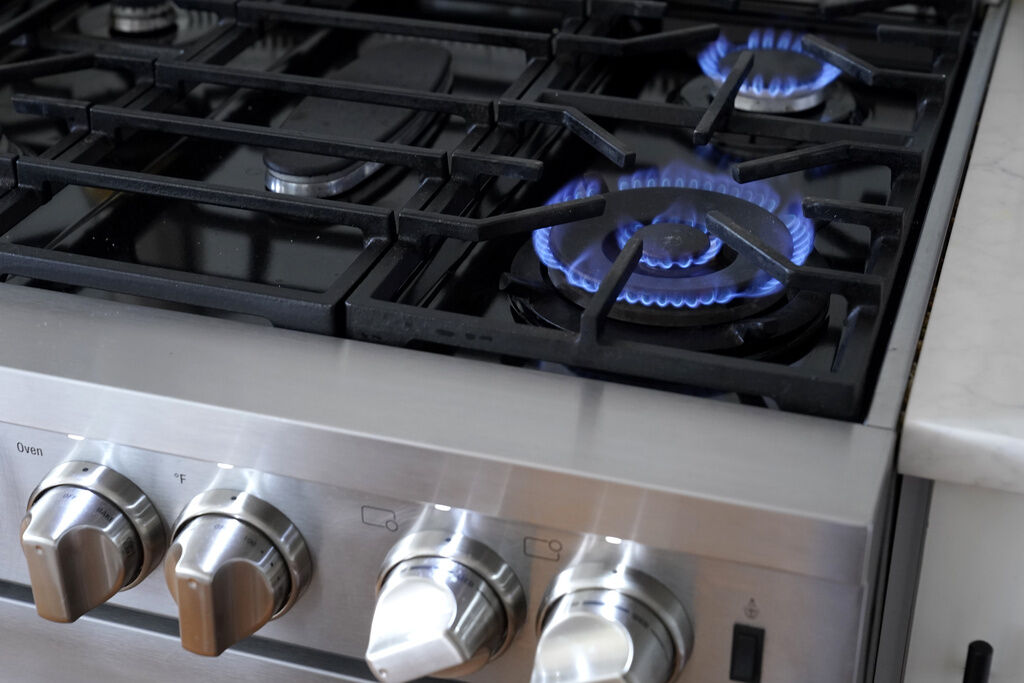
Federal court issues injunction on Colorado gas stove labels law
Marissa Ventrelli
marissa-ventrelli@denvergazette.com
Updated 8 hours ago
A federal judge in Denver has issued an injunction blocking enforcement of a newly enacted state law that would have required retailers to place labels on gas-fueled stoves with warnings about their potential effects on air quality. The law, House...
Marissa Ventrelli
Reporter
PREV
PREVIOUS
Evacuations ordered due to wildfire in Fourmile Canyon area of Boulder County
The evacuation order was issued around 5:51 p.m. for an area surrounding Wild Turkey Trail, north of Highway 119 and west of Boulder. BOULDER COUNTY, Colo. — Evacuations have been ordered due to a wildfire in the Fourmile Canyon area of Boulder County, according to an emergency alert. The evacuation order was issued around 5:51 p.m. […]

Power Plays: 2025 was a big year for meaningful storytelling
2025 DENVER GAZETTE TRUE WEST AWARDS: DAY 23 Three companies in particular were knocking out one great show after the other: Curious, BETC and Firehouse It was an extraordinary year for meaningful storytelling on Colorado theater stages. Three times I walked out of the tiny John Hand Theatre on the Colorado Free University campus saying […]