







Aurora — a city still becoming | Michael A. Hancock
Christmas is not a holiday for illusions.
It does not ask us to pretend the world — or our city — is whole, harmonious, or complete. It asks something more complicated: that we acknowledge what is broken without surrendering to it, and that we understand renewal as a responsibility rather than a feeling.
As this year draws to a close, Aurora stands in that exact tension — between progress achieved and work still required. That tension is not a sign of failure. It is the mark of a serious city that refuses to drift.
Over the past year, Aurora has made measurable gains in the areas that determine whether a city functions—or fragments.
On public safety, the city chose seriousness over slogans. Crime is not an abstraction debated in academic journals; it is experienced on sidewalks, in neighborhoods, and in the quiet calculations families make about where to live, invest and raise children. This year brought a renewed commitment to professional policing, clearer standards of accountability, and a recognition that public order is not an optional ideal but the first obligation of government. Crime has not vanished, nor will it ever fully do so. But it has been pushed back. And direction matters.
On homelessness, Aurora has begun — deliberately and imperfectly — to move away from a dangerous falsehood: that compassion and structure are opposites. They are not. Compassion without order dissolves into chaos. Order without compassion hardens into cruelty. Progress has come where the city has insisted on both — offering services, preserving dignity, and refusing to abandon expectations. Homelessness is not a single-issue problem. It is rooted in addiction, mental illness, economic instability, and personal breakdown. Serious solutions begin with realism, not romanticism.
Economically, Aurora has continued to demonstrate a simple but essential truth: opportunity follows competence. Businesses do not relocate because of rhetoric. They come where infrastructure works, regulations are predictable, labor is skilled, and leadership understands that prosperity is built — not proclaimed. New employers choosing Aurora is not luck. It is a verdict rendered by people who risk capital, not opinions.
And yet Christmas invites candor. Progress, once achieved, does not maintain itself.
Crime does not remain down on its own. Economic momentum does not perpetuate itself automatically. Civic order erodes when seriousness gives way to complacency. Every gain imposes a duty: to defend it, strengthen it, and extend it. History offers no example of cities that coasted their way to long-term stability.
This is where the idea of hope must be rescued from misuse.
Hope is not the denial of difficulty. It is not a posture or a slogan. Properly understood, hope is confidence rooted in reality — the belief that free people, acting responsibly, can confront hard problems without surrendering either to cynicism or to fantasy.
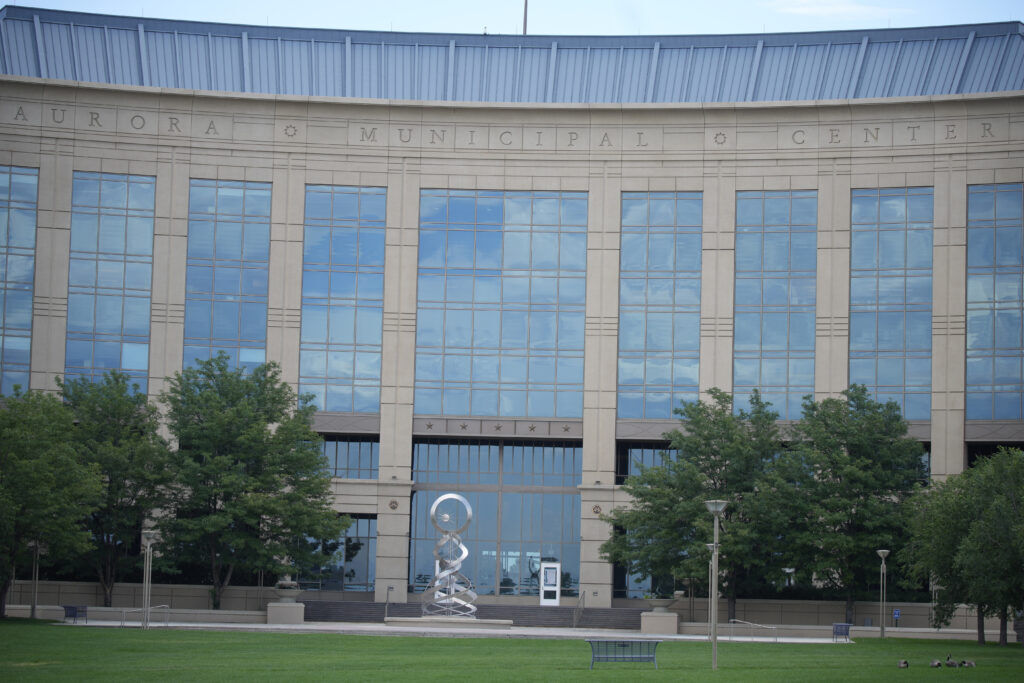
Aurora’s greatest strength has never been perfection. It has been participation.
This city is sustained by people who work, raise families, serve neighbors, build enterprises, volunteer quietly, and show up to civic life without demanding applause. They attend school board meetings, serve on nonprofit boards, support churches and charities, mentor young people, and invest locally. They understand that citizenship is not a spectator sport.
That civic character — not ideology, not outrage, not national narratives imported wholesale — is what gives Aurora its resilience. Local responsibility, applied patiently and consistently, is what allows a diverse city to remain a coherent one.
Christmas reminds us that renewal rarely announces itself with spectacle. It begins small. A decision to act rightly. A community choosing order over chaos. A city refusing to believe that decline is inevitable. As Scripture puts it — quietly and without sentiment — light shines in the darkness, and the darkness has not overcome it.
The year ahead will bring challenges. Some are already visible. Others will arrive unannounced. That is not pessimism; it is realism. What will matter is not whether difficulties arise, but whether citizens and leaders alike meet them with seriousness, moral clarity, and a renewed commitment to the common good.
Aurora is not a finished project. And that is good news.
A city still becoming is a city still capable of learning, correcting course, and choosing better than before. Capable of rejecting both despair and complacency. Capable of balancing compassion with order, liberty with responsibility, and progress with restraint.
This Christmas is not a pause from civic life. It is a moment to take stock — to acknowledge what has been accomplished, to confront what remains undone, and to recommit to the unglamorous work that makes a city endure.
Hope, properly understood, is not sentimental. It is disciplined.
And if Aurora continues to choose responsibility over rhetoric, reality over illusion, and participation over apathy, then the year ahead will not merely be endured.
It will be built.
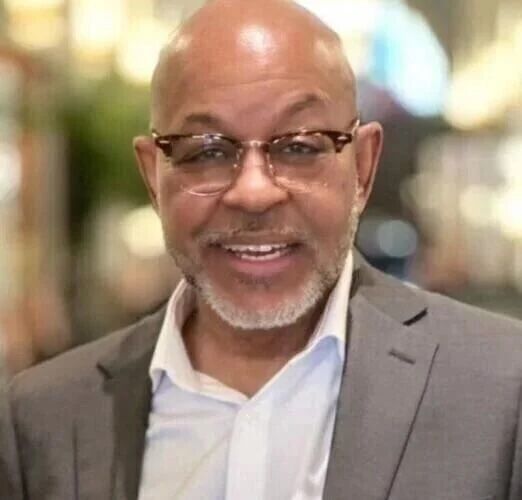
Michael A. Hancock is a retired high-tech business executive and a Coloradan since 1973. Originally from Texas, he is a musician, composer, software engineer and U.S. Air Force veteran whose wide-ranging interests — from science and religion to politics, the arts and philosophy — shape his perspective on culture, innovation and what it means to be a Coloradan.