








Transparency and debt defined Denver’s education stories in 2025

Denver Public Schools’ officials entered 2025 promising greater transparency and left the year defending how often they broke it.
Board members on two-member committees — which must hold public meetings — met without notice to renegotiate the superintendent’s contract, and revise policy language.
The Denver school board has long faced criticism for operating behind closed doors and board members continued to brush this aside, insisting they operate in a transparent manner.
“We are transparent,” former Director Michelle Quattlebaum had said. “This has been one of the most transparent boards that I can think of.”
In fact, the public got outcomes, not the deliberations.
Because these committees are considered public bodies under Colorado law, they are required to notice meetings and allow the public to observe, raising concerns about violating the open meetings law.
“This is not an isolated incident,” Steve Zansberg, a First Amendment attorney who represents The Denver Gazette and other media companies, has said about the board’s actions.
“I think it’s irrefutable that there is a pattern of conduct that the district has not abided by the state’s transparency laws.”
And that was the smaller story.
The big story was financial.
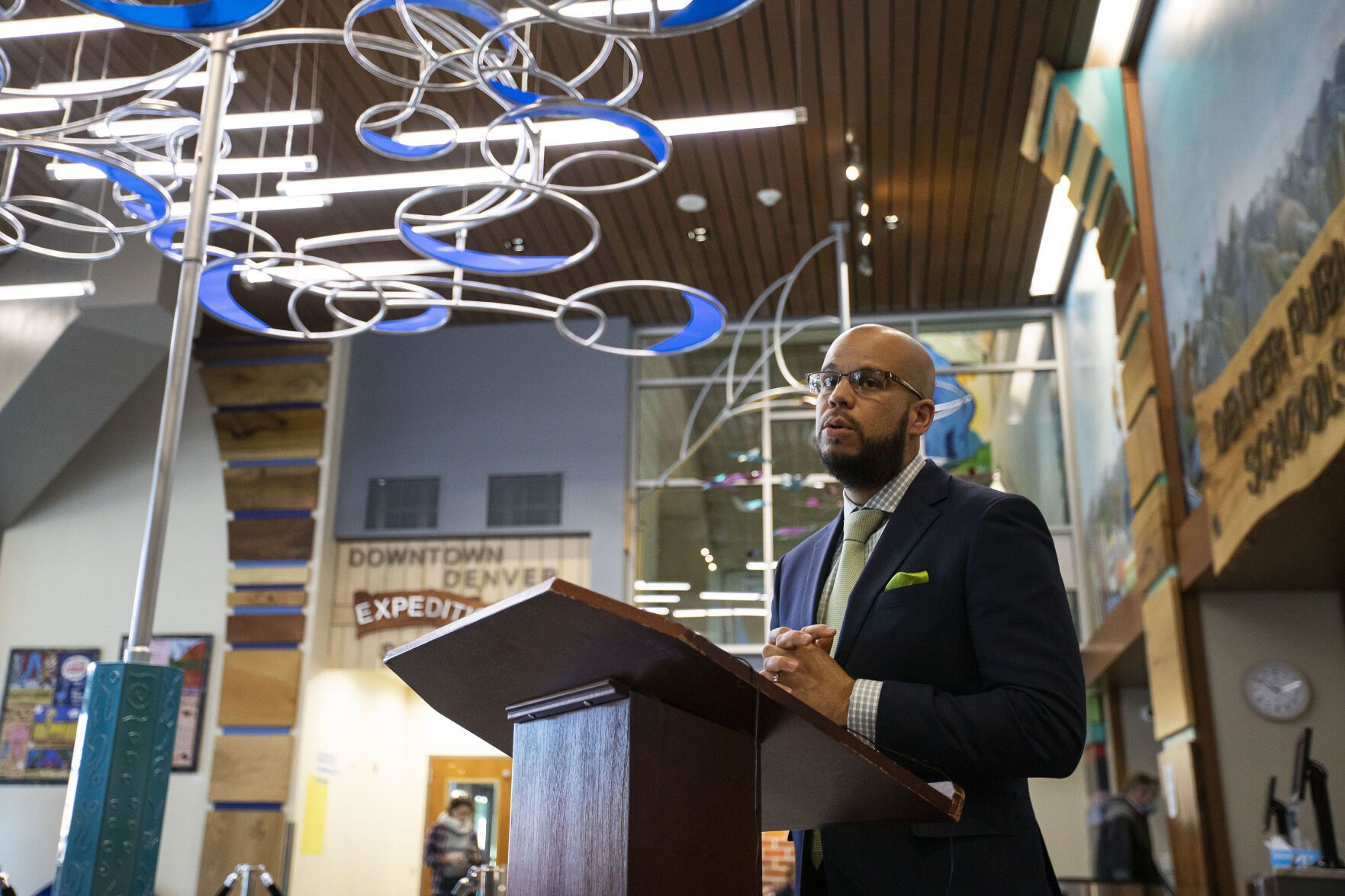
An audit revealed what had been hiding in plain sight: DPS owes more than it owns. The imbalance stems from years of aggressive borrowing — both through lease-financing schemes, such as a deal that handed over to a separate entity about two dozen schools for $10 and through the district’s steady drumbeat of major bond requests every four years.
The district’s use of Certificates of Participation (COPs) — a financial tool being challenged in court — has allowed DPS to take on long-term debt without voter approval, raising questions about compliance with state law.
Lisi Owen, a civil rights attorney and founder of Vanguard Justice LLC — a firm focused on exposing public corruption — is representing the parent advocacy group Mamás de DPS in a lawsuit challenging the district’s lease-financing strategy. Owen, who made a failed bid for Denver district attorney in 2023, argued the leasing arrangements violate the state constitution.
“The DPS leasing scheme is the most nefarious, underhanded thing that I’ve seen in my career,” Owen has said.
COPs — Owen insisted — creates a “system of siphoning resources from children to profiteers.”
District officials rejected this characterization, downplaying the risks.
“The property could, theoretically, become collateral,” DPS Chief Financial Officer Chuck Carpenter has said.
Carpenter doesn’t believe the district is in danger of losing any of the public’s buildings under the COP structure.
“This never happens,” Carpenter said. “It’s not something that is practically possible.”
Together, the governance lapses and the financial strain point to a district making some of its most significant decisions out of public view, while confronting a structural debt load that could shape its future for decades.
Heading into 2026, the district faces declining enrollment, aging buildings, a heavy debt service obligation and a community demanding clearer governance. Whether the board can restore public trust will depend on how it addresses both its transparency lapses and its long-term financial liabilities.

Colorado sees record early applications for universal preschool
Nico Brambila
nico-brambila@denvergazette.com
Updated 2 days ago
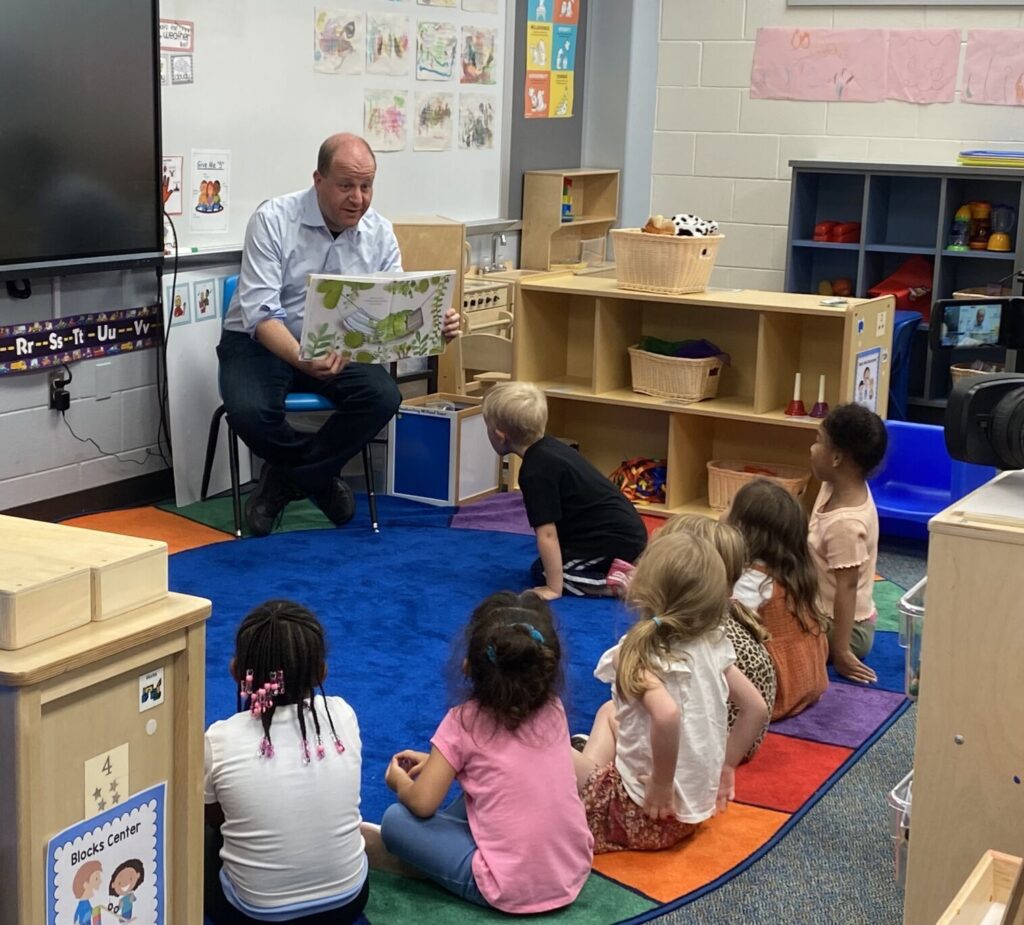
Early preschool applications for the upcoming school year are breaking records for a program with 42,862 4-year-olds enrolled statewide. As of Monday, the program had received 12,886 applications. “Investing in high-quality early education is one of the most effective ways...
Nico Brambila
Reporter

Fort Lewis College student proud of new Turning Point USA chapter despite backlash
Elizabeth Pond, Special to The Denver Gazette
elizabeth.pond@gazette.com
Updated 4 days ago
Before Fort Lewis College senior Jonah Flynn became president of the newly formed FLC Turning Point USA chapter, he described himself as a liberal-leaning atheist. Flynn, a senior studying philosophy and Spanish, gained local and national attention after the Associated...


Jeffco Public Schools parents thank school resource officers with gifts
Sage Kelley
sage-kelley@denvergazette.com
Updated 1 week ago
Those working to keep Jeffco Public Schools safe received a thank you gift Tuesday — a YETI mug with “Jeffco Hero” inscribed on it. Local organization Jeffco Kids First collected over $8,000 in two weeks to create around 200 mugs...

Sage Kelley
Reporter
Denver Public Schools enrollment losses outpace school closures
Nico Brambila
nico-brambila@denvergazette.com
Updated 1 week ago
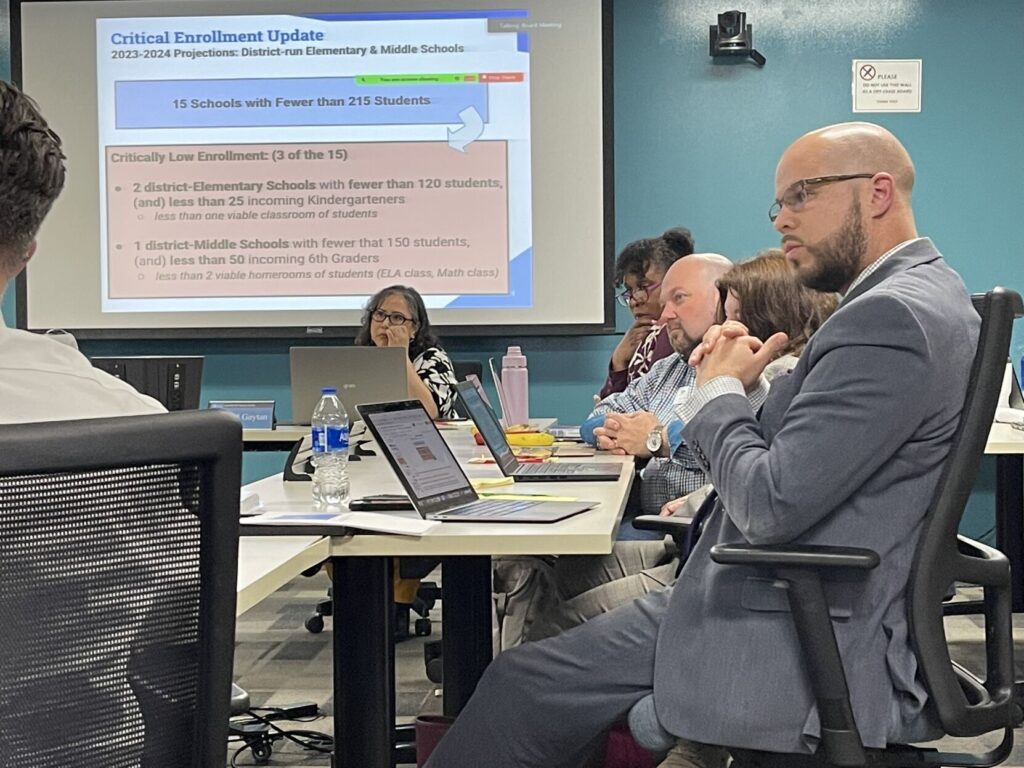
Enrollment losses in Denver now outpace what school closures alone can address. Denver Public Schools (DPS) Superintendent Alex Marrero is expected to present an update on the district’s enrollment to the board at its meeting this Thursday. During an October...
Nico Brambila
Reporter
Jeffco Public Schools workers to find about layoffs this week
Sage Kelley
sage-kelley@denvergazette.com
Updated 2 weeks ago
Jeffco Public Schools employees received a voicemail from Superintendent Tracy Dorland Monday morning warning them of potential job cuts in the next year. “My holiday message this year is a more somber and serious one,” Dorland said in a voicemail...
Sage Kelley
Reporter

Suddenly, Colorado has a private school choice program │ Vince Bzdek
Vince Bzdek
vince-bzdek@denvergazette.com
Updated 2 weeks ago
By Vince Bzdek When I was a kid going to St. John’s Catholic grade school in Denver, I remember asking my mom if she and dad minded paying taxes for public schools since all her kids attended Catholic ones. We...

Vince Bzdek
Reporter
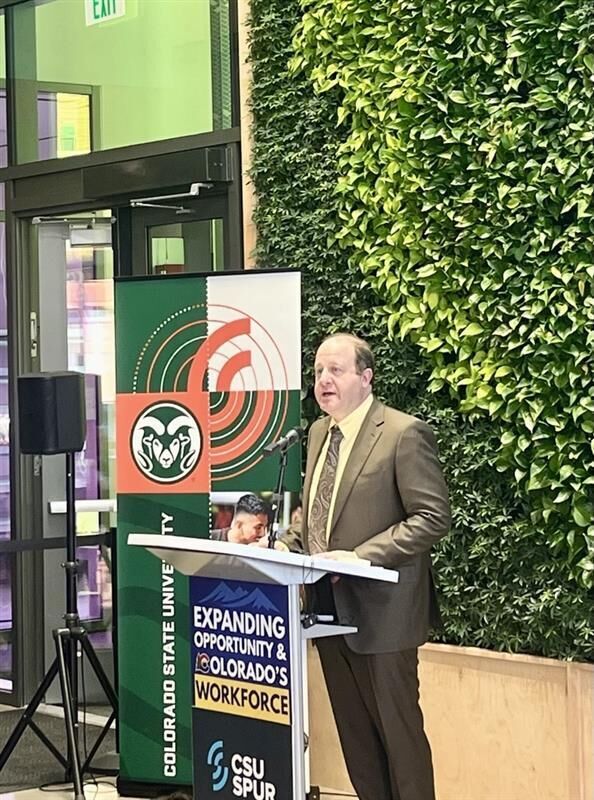
Colorado aims to close talent gap with new workforce development agency, initiatives
Marissa Ventrelli
marissa-ventrelli@denvergazette.com
Updated 2 weeks ago
Colorado’s education leaders and legislators are planning changes to the state’s workforce development programs – including the creation of a new state agency – to help more students earn college degrees, certifications and apprenticeships. Gov. Jared Polis, House Speaker Julie...

Marissa Ventrelli
Reporter

Back to school: CU Denver offers retirees guidance for next chapter
Eric Young
eric-young@denvergazette.com
Updated 2 weeks ago
Going to college is often associated with the phase in life when a person begins or pivots their professional career, but what about the phase when it’s winding down? With this question in mind, the University of Colorado Denver developed...

Eric Young
Reporter
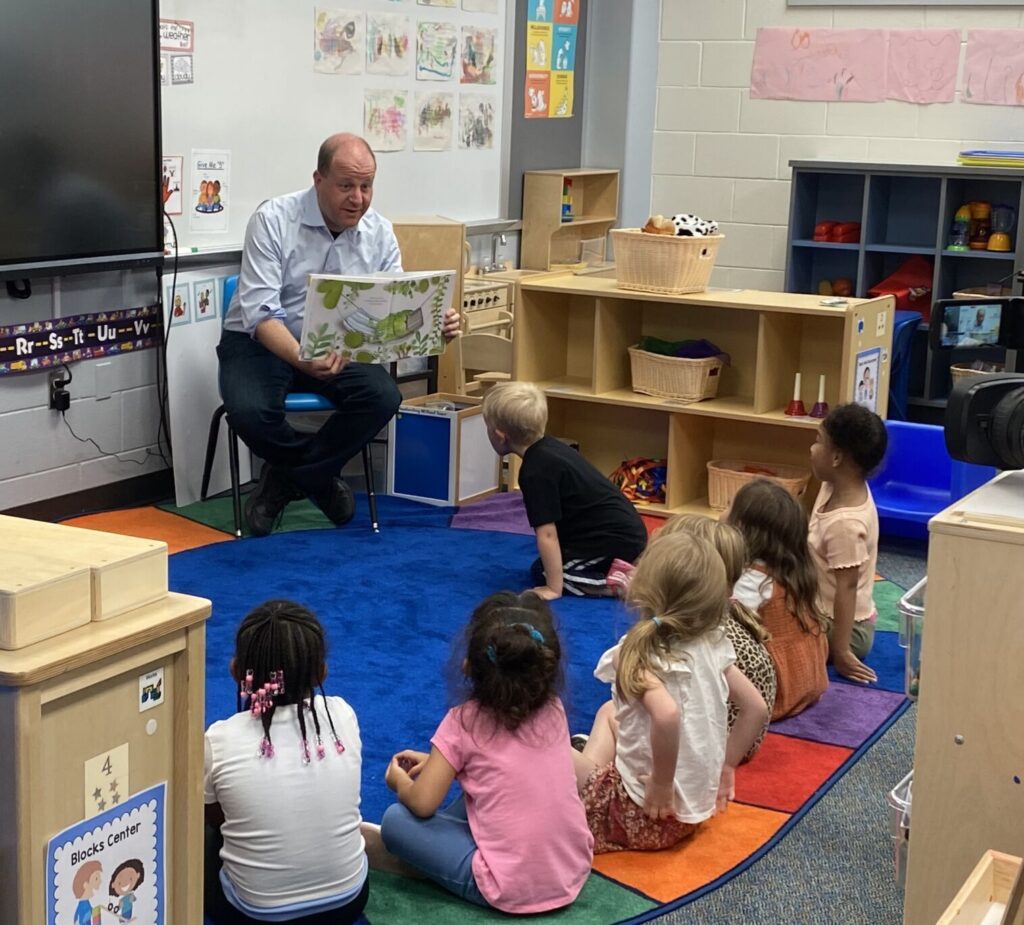
Colorado’s universal preschool enrollment begins for upcoming school year
Marissa Ventrelli
marissa-ventrelli@denvergazette.com
Updated 2 weeks ago
Enrollment is now open for Colorado’s universal preschool program, which provides up to 15 hours of free education for four-year-old children across the state. The $344 million program has served nearly 90,000 children since its creation in 2023, the Governor’s...
Marissa Ventrelli
Reporter

DPS dissolves Beacon Innovation Management Organization, ending executive principal role
Nico Brambila
nico-brambila@denvergazette.com
Updated 2 weeks ago
With a union-backed voting majority on the Denver Public Schools Board of Education, district officials announced this week they have dismantled the Beacon Innovation Management Organization, signaling a broader shift away from autonomous school governance. The move effectively terminated Executive...
Nico Brambila
Reporter
PREV
PREVIOUS

Denver's top business stories of 2025: 16th Street, Burnham Yard and some wonder if they'll survive Colfax construction
SPORTS DRIVE ECONOMIC DEVELOPMENT The banks of the South Platte River have become a hotbed for new developments — thanks to local sports teams. The Denver Broncos announced they plan to relocate their stadium to the historic Burnham Yard, which could potentially bring the city two new neighborhoods, as Mayor Mike Johnston also aims to […]

Small Pacific nation agrees to take 75 migrants from US for $7.5 million
The Pacific island nation of Palau has reached an agreement with the Trump administration under which it would accept as many as 75 migrants from other countries, in return for $7.5 million in U.S. assistance. Under the arrangement, the individuals, none of whom face criminal charges, would be permitted to reside and seek employment in […]