







New year for adventure: 10 ways to further appreciate Colorado’s top destinations
In 2026, what better way to celebrate Colorado’s 150th birthday than by celebrating its most famous natural treasures?
That’s what came to mind when thinking about our bucket list for adventure in the new year.
Of course, for those of us who have long explored this state, we’ve gotten to know these famous destinations. But there’s always a way to boost our appreciation, to see another side.
Because that’s the thing about this state: We get older with it, but there’s always something more to discover.
Black Canyon’s winter wonderland
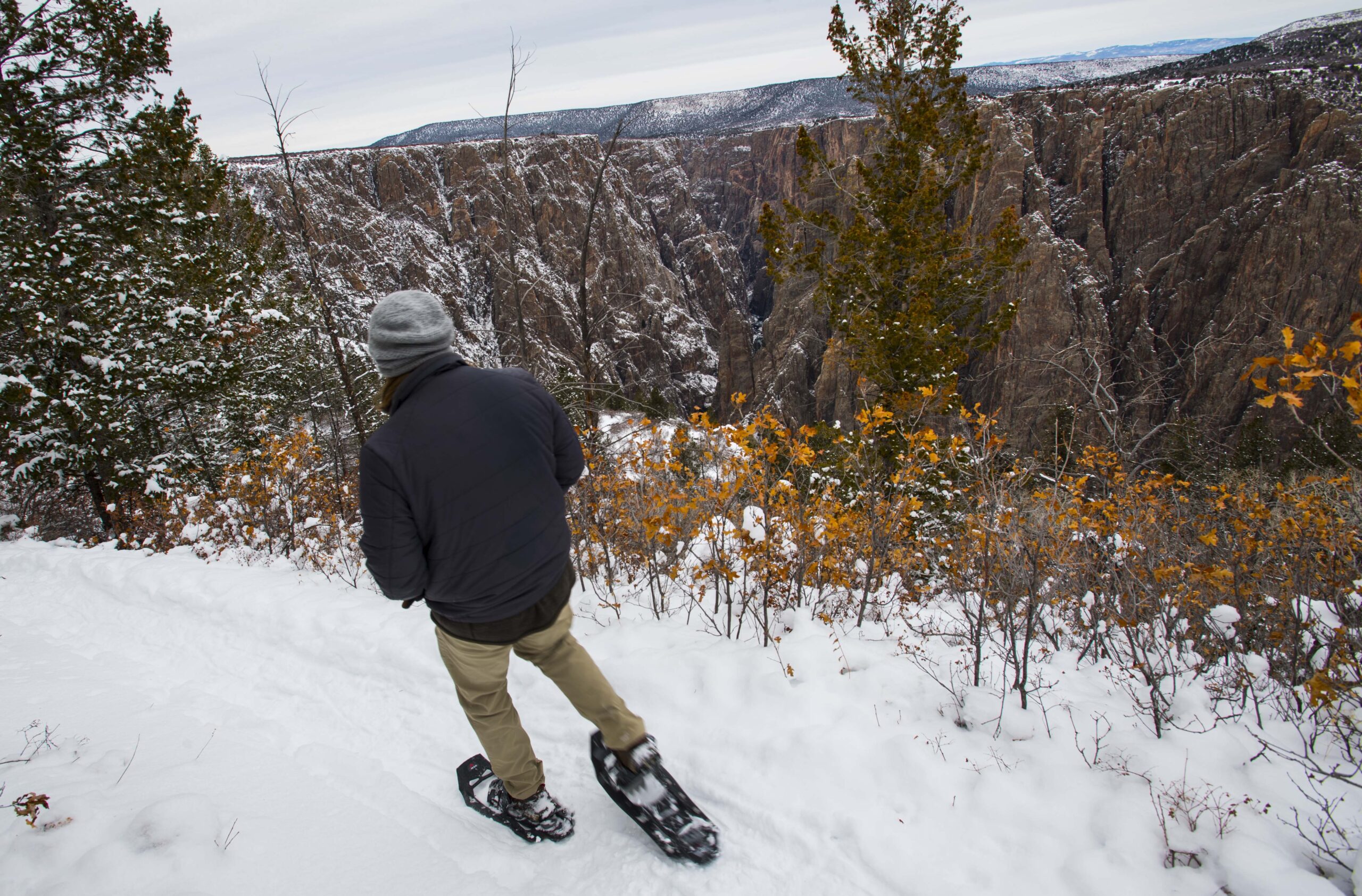
In western Colorado, Black Canyon of the Gunnison National Park is a vertical world of rock and sky. In the winter, “it’s a whole different world,” we heard a ranger say one December visit.
It’s a better time to appreciate “the Song of the Gunnison,” as it has been described in the park’s brochure: the wind and the water carving the canyon far below. In the winter, there’s no traffic to disrupt the melody. South Rim Drive is closed to motorists and becomes, in the park’s description, “a peaceful paradise groomed specifically for skiers and snowshoers.”
Yes, when the snow packs, the road becomes the South Rim Ski and Snowshoe Trail, touring 6 miles over the top of the canyon. On snowshoes, you might venture off to adjacent oak woods overlooking the river. Typically from January to mid-March, the park has offered ranger-led snowshoe outings.
When to go: Winter, early spring
Skiing on the Grand Mesa
When it gets hot around Grand Junction, locals have escaped to the cool elevations and lakes of the world’s largest flat top mountain. It’s great in the fall, too; Grand Mesa Scenic Byway travels 63 miles through golden aspen. And when the snow falls, locals still flock to the Grand Mesa.
Some have long organized under the Grand Mesa Nordic Council, grooming a gorgeous series of trails through tall pines and open meadows. On its website, the nonprofit maps a total of 19 miles of trail from two portals. One is the Skyway Trailhead, around where the group has been building Skyway Station ー a storage and gathering place to further establish the scene.
While the cross-country scene continues to grow on the Grand Mesa, the downhill tradition also continues nearby. Powderhorn Mountain Resort is proudly family-friendly and affordable.
When to go: Winter, early spring
Garden of the Gods, minus crowds
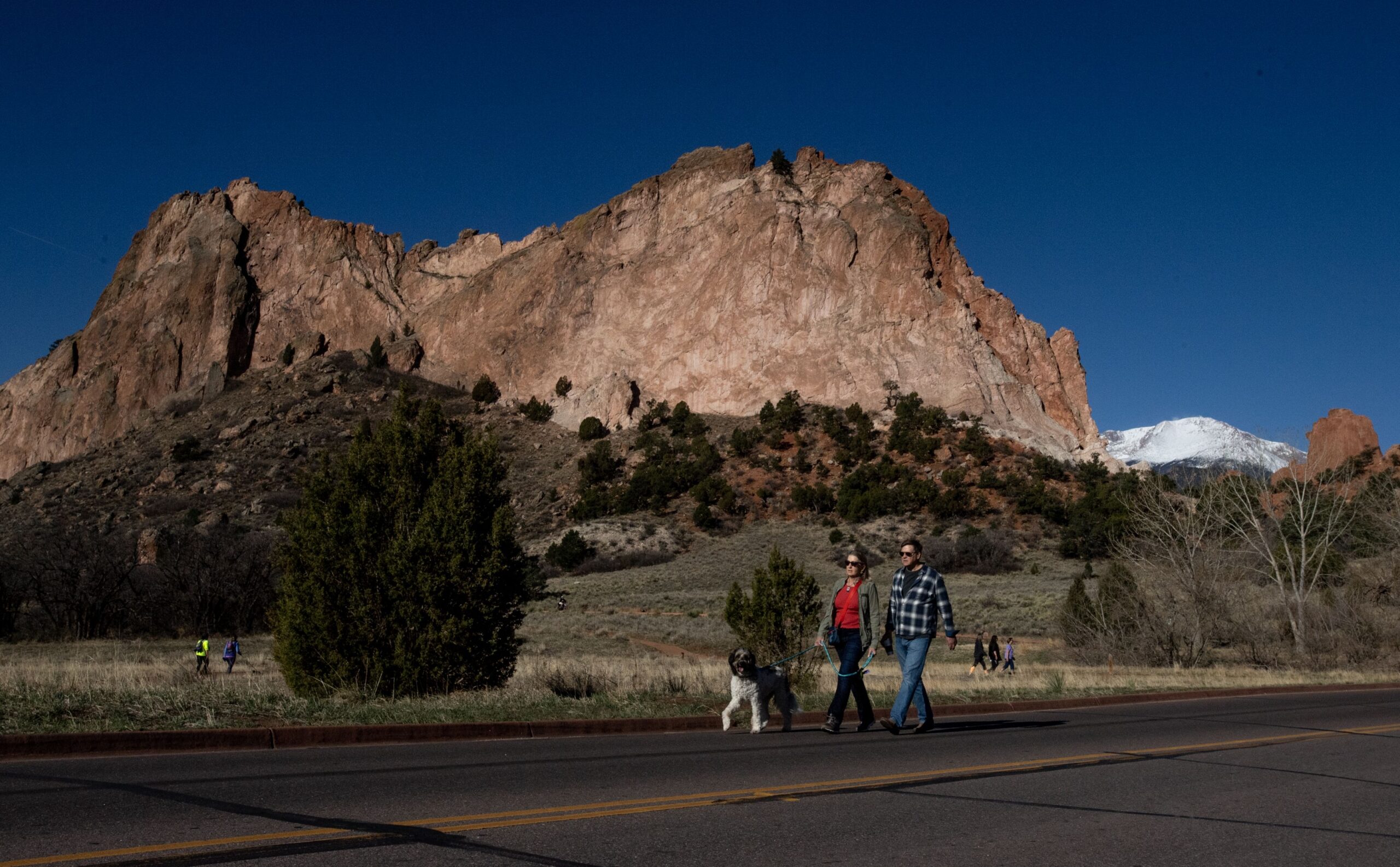
Colorado Springs locals have come to love a rare opportunity at their most famous park, which they know to be overrun by tourists in the summer. Every so often, along comes Motorless Morning ー the chance to hike, run or bike around Garden of the Gods without vehicles.
From 5 a.m. to noon, the park’s gates have been closed to motorists, and the red rock wonderland has been free of fumes and engine noise. It is indeed a rare occasion; Motorless Mornings were only scheduled twice in 2025, a Sunday in April and a Sunday in October.
On Wednesdays through the summer, Garden of the Gods has hosted the Early Bird Hike and Bike series, a once-a-month chance to enjoy the motorless park from 5 a.m.-8 a.m.
When to go: Be on the lookout for Motorless Morning dates, typically scheduled once in the spring and once early fall. Early Bird Hike and Bike dates also yet to be posted for 2026.
Royal Gorge by rock or water
So you’ve been to Royal Gorge Bridge and Park, walked America’s highest suspension bridge or ridden the gondola from one thrilling side to the other.
But have you braved the whitewater below? Or scaled the rock above?
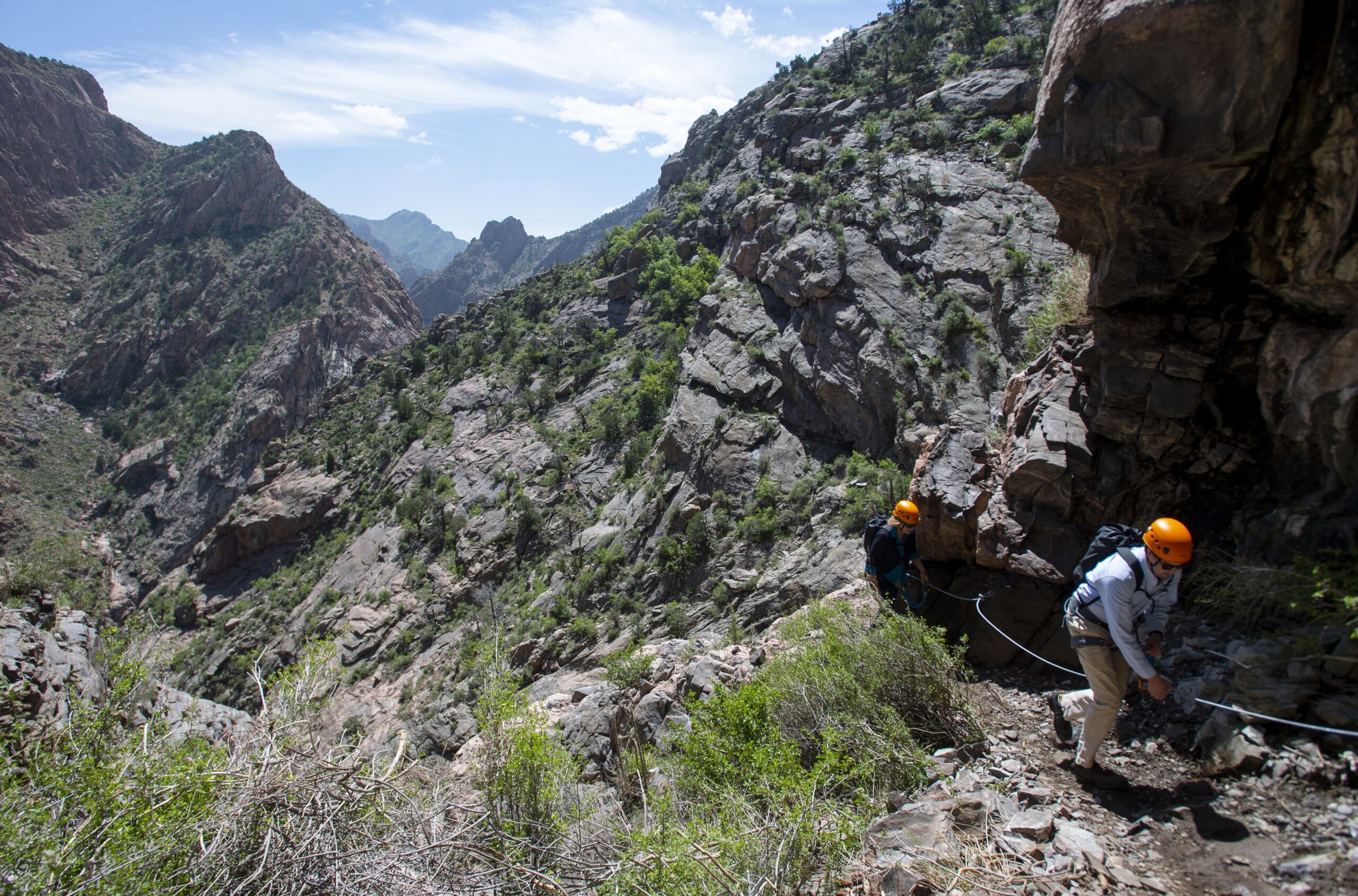
These are two extra thrilling ways to experience the Royal Gorge: a rafting trip or via ferrata tour.
The rafting is well-known, long on bucket lists for people who book an outfitter and build up the courage to face the notorious rapids. Courage is also required for the via ferrata tour, a newer attraction at Royal Gorge Bridge and Park. Harnessed visitors clip their way across iron hand- and footholds spanning the rock nearly 1,000 feet above the river.
When to go: Summer; earlier for high water, later for calmer rapids
The Dunes under the stars
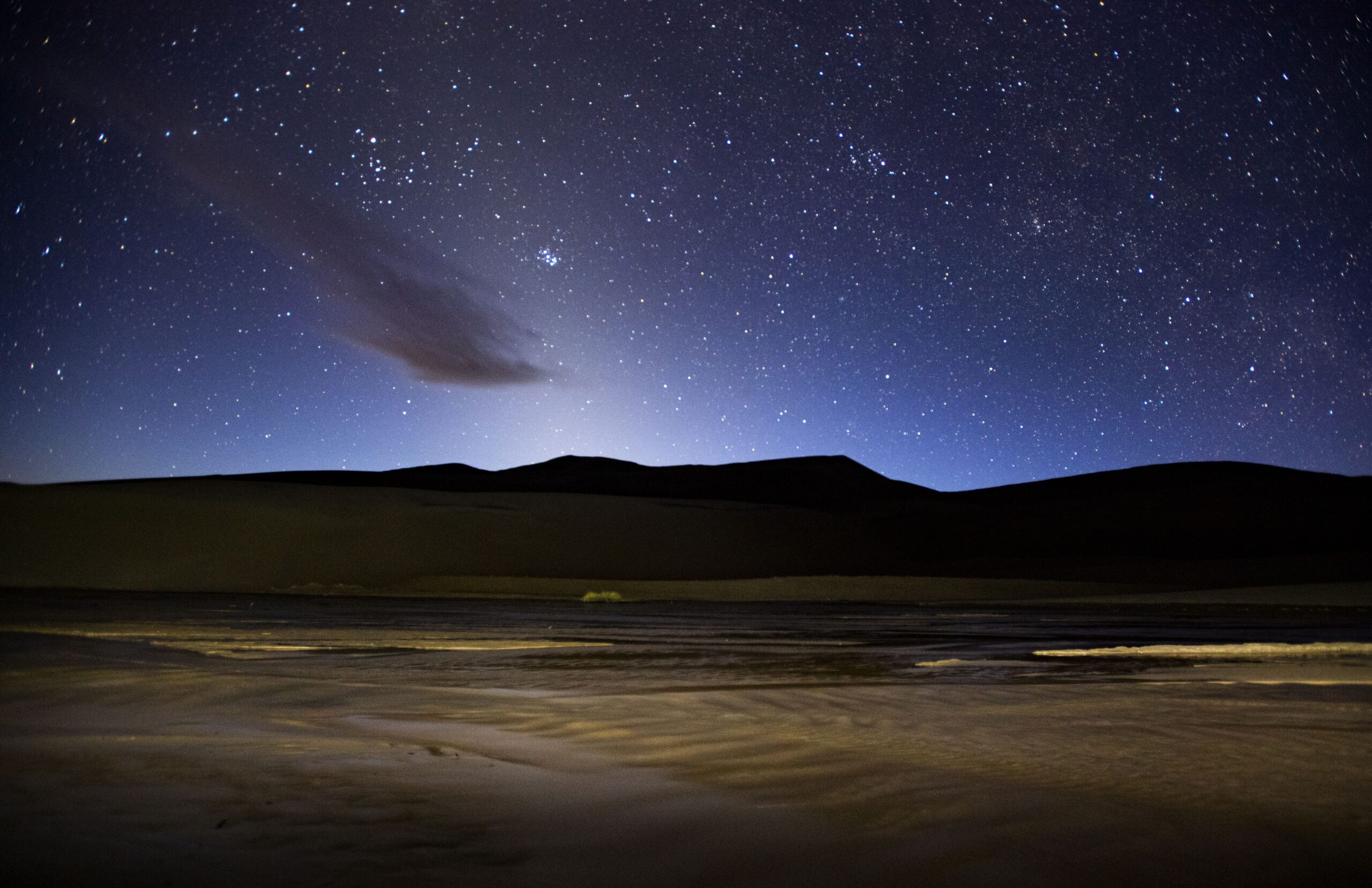
Great Sand Dunes National Park and Preserve is otherworldly by day. It’s even more so by night, with little light across the San Luis Valley to blot out the stars that twinkle along the seasonal stream running by the base of North America’s highest sand dunes. Add the adjacent forest and peaks, and you think you’re dreaming. Go ahead, dream away in your tent.
Steps away from the dunefield, it’s obvious why Piñon Flats Campground has become one of Colorado’s most-sought campgrounds. Good luck reserving a spot at Recreation.gov.
Other options: a backcountry permit for pitching a tent on the dunes or first-come, first-served sites along Medano Pass, the four-wheel drive road. Zapata Falls Campground is among other spots in the area where you could make base while visiting the dunes at night.
When to go: Summer or early fall; Piñon Flats Campground open April through October
Return to Hanging Lake
The 2020 Grizzly Creek wildfire came with a reminder: We should never take our natural landmarks for granted. That includes the National Natural Landmark that is Hanging Lake, which was very nearly lost to the blaze while the super-popular trail to the waterfall was damaged and closed.
Maybe we came to avoid the trail amid that super popularity and ensuing crowd control measures: reservations and shuttles from Glenwood Springs. But let us not lose our appreciation for such a stunning, tropical-looking scene in Colorado.
Let us return to the trail, which has reopened with some changes to account for erosion threats in the wake of the fire. There are some slight realignments, some new rock and timber steps and seven new footbridges. It’s still the same steep ascent through the canyon. And still that same stunning reward, thankfully still there.
When to go: Summer, fall
Another side of America’s Mountain
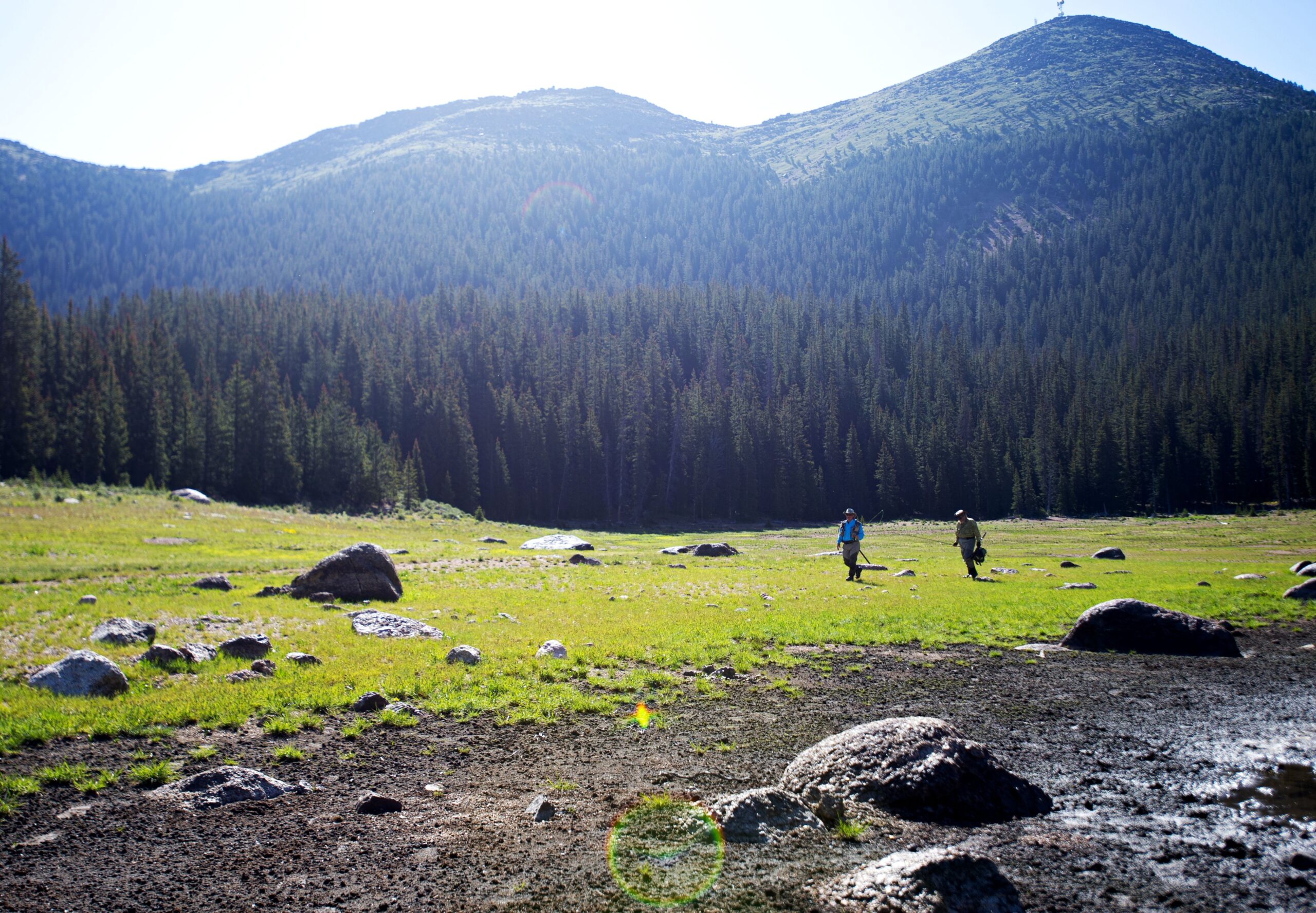
Colorado’s 150th anniversary year should not pass without a trip to the mountain that greatly helped put the state on the map, not only with a gold rush, but also with a song inspired by the summit view: “America the Beautiful.”
The song’s writer, Katharine Lee Bates, took a wagon to the top of Pikes Peak. Today people take the highway or the train, while others explore via Barr Trail or the backside from the Crags trailhead.
Far fewer explore South Slope Recreation Area.
This is the historic, closely guarded chain of reservoirs that opened to hikers and especially excited anglers in 2014. But South Slope Recreation Area still has yet to be widely discovered ー partly for the remoteness, partly for the strict, seasonal permitting rules that have applied to four days of the week. The information is outlined at coloradosprings.gov/southslope, where you can read about the trails and fisheries that make any hassle worthwhile.
When to go: Typically open end of May through end of September
Maroon Bells and onward
Most go to the Maroon Bells, the postcard lake reflecting those pyramid-like peaks, and they turn back to the car or shuttle. The wise, well-planned and sturdy ones venture on.
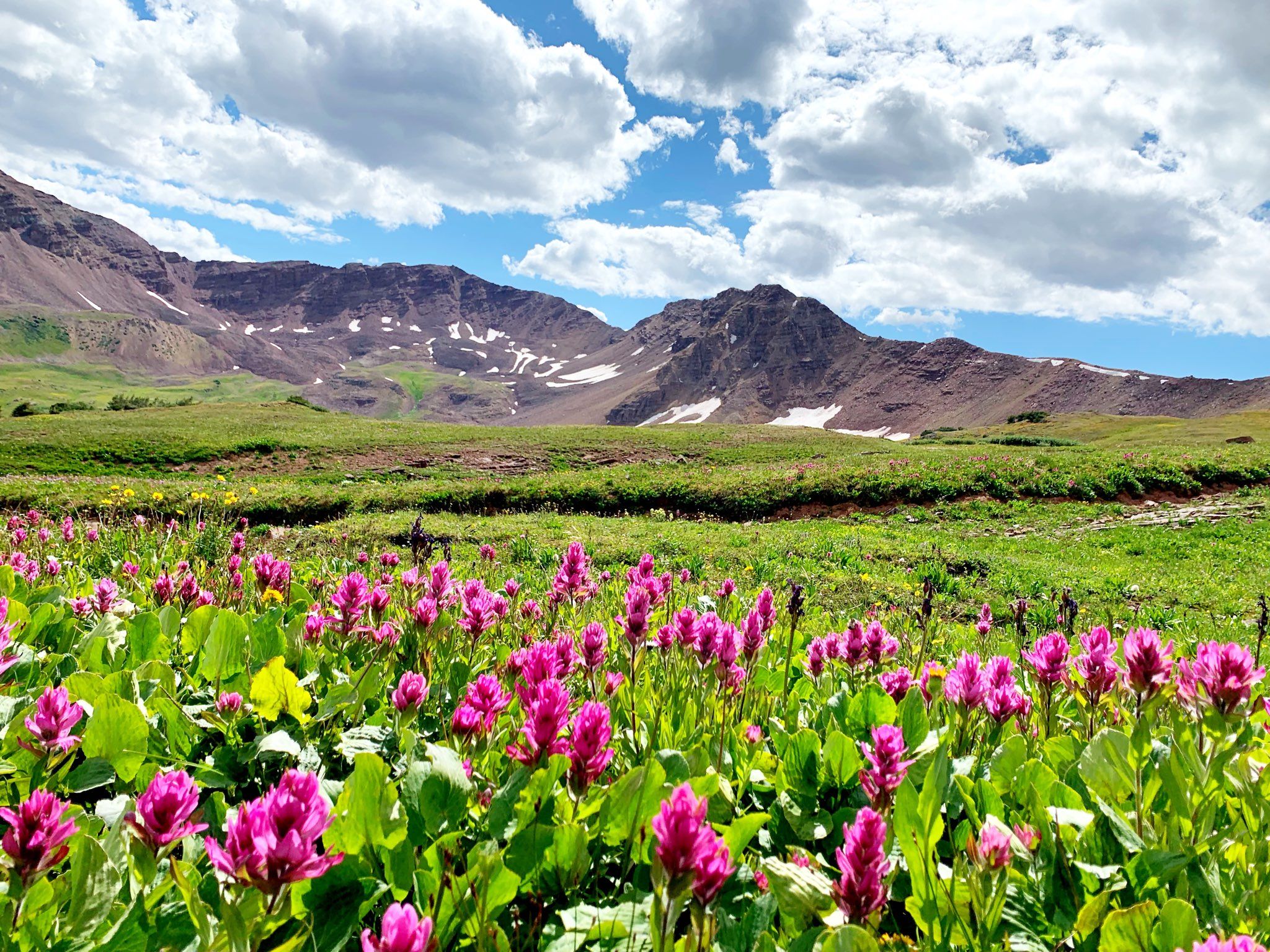
The Four Pass Loop is one of Colorado’s most classic backpacking trips, covering 28 miles through wildflower valleys and alpine majesty above 12,500 feet. And the most classic start to the journey is from Maroon Lake, this breathtaking gateway to Maroon Bells-Snowmass Wilderness.
You might want to book overnight parking at the starting point. And you’ll need a wilderness permit for designated camping zones.
When to go: Wilderness generally snow-free July through September
Catch the rut
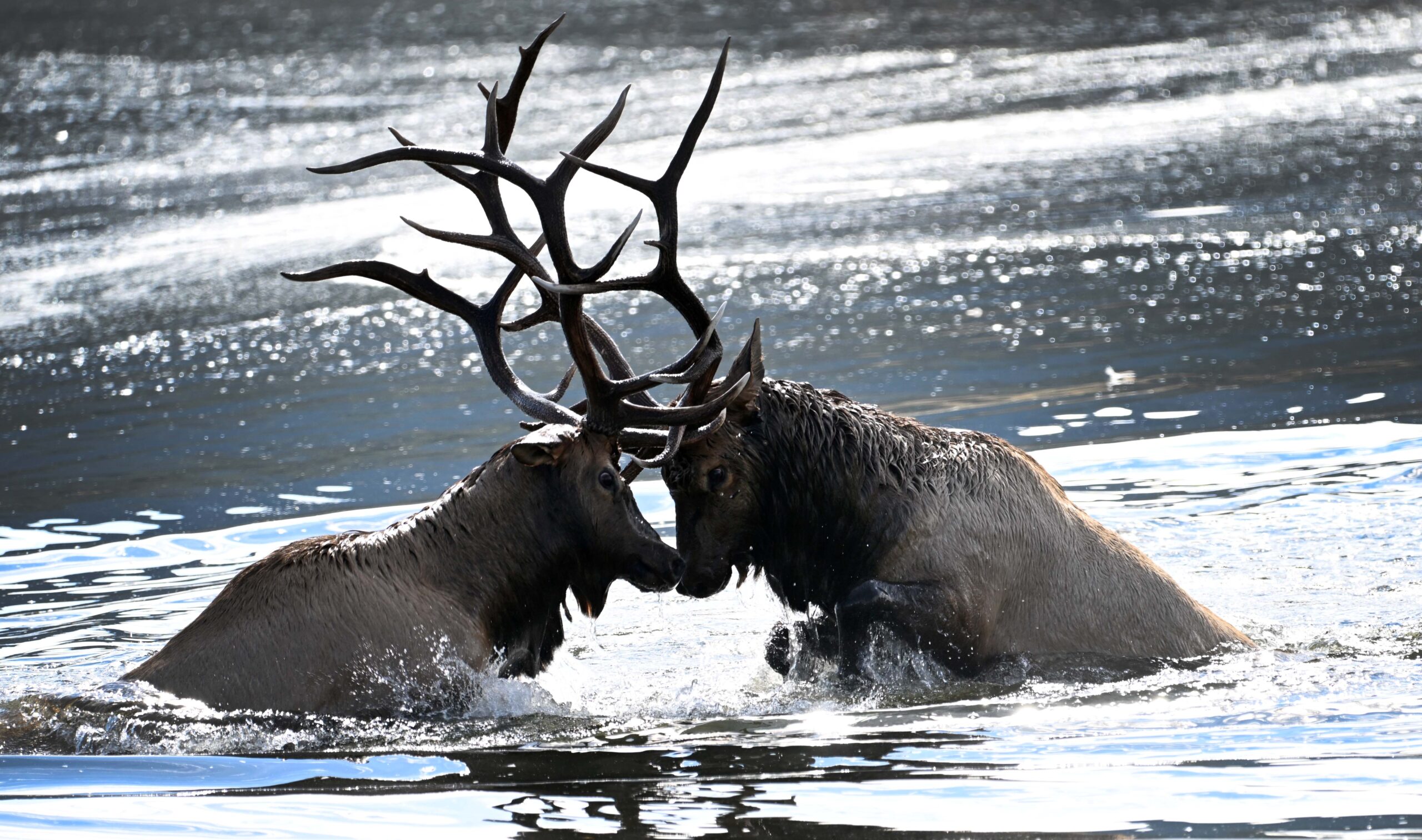
At Rocky Mountain National Park, many say the best time of year is when the leaves start turning and the elk start bugling. If you’re unfamiliar, make 2026 the year to change that.
Just as the human masses descend upon Estes Park this particular time of year, so do elk looking for love. The bulls bugle and occasionally clash in efforts to grow harems of cows. The rut has been called “a wildlife soap opera,” and the backdrop is stunning: the hills splashed in fall color.
Be sure to check Rocky Mountain National Park’s website for tips on viewing, which is also popular around the town’s golf courses and trail encircling Lake Estes. Also be aware of the national park’s timed-entry reservation system.
When to go: The rut typically peaks mid-September to mid-October.
Lesser-known Mesa Verde
If one is visiting Mesa Verde National Park for the first time, they should definitely book a tour to one of the ancient cliff dwellings. These homes of the Ancestral Puebloans are the most dramatic of all sites spread across the preserve that is considered the most archaeologically-rich in the nation.
But many more intrigues are spread across 52,000-plus acres. There are many more views, too. As can be expected along a road that takes about a half hour to drive to the top of the mesa, with almost 30 miles of trail sprawling all in between.
What will it be? Perhaps Petroglyph Point Trail, offering more ancestral remains left on the rock. The park lists the trail as “very challenging,” with narrow passages to negotiate and scrambling to the mesa top. Also challenging and longer is Prater Ridge Trail, which rewards with sweeping vistas. More moderate is Spruce Canyon Trail, descending to the forest. And more scenery awaits from trails such as Point Lookout and Soda Canyon Overlook.
When to go: Cooler temperatures in the fall