








The fizzy journey of Champagne
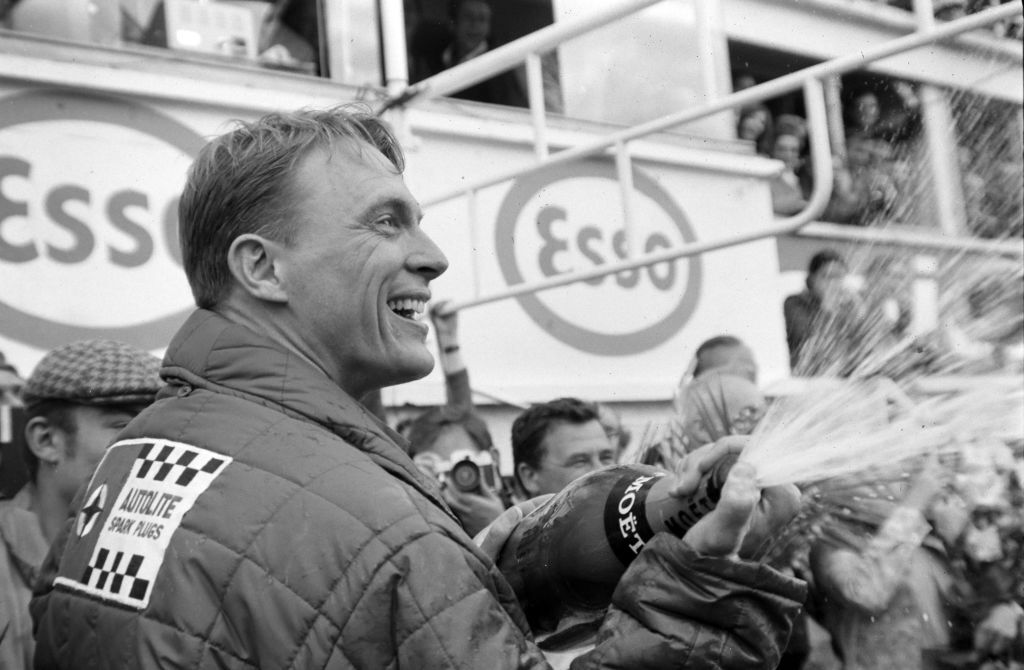
Did you know that the tradition of spraying athletes with Champagne actually got its start on a racing track in France?
It’s true.
In 1967, after American driver Dan Gurney stepped to the winner’s podium after completing the grueling 24-hour Le Mans at Circuit de la Sarthe, France, he shook a large bottle of Champagne and sprayed teammate A.J. Foyt, team manager Carroll Shelby, the photographers, and even his boss, Henry Ford II.
A tradition was born.
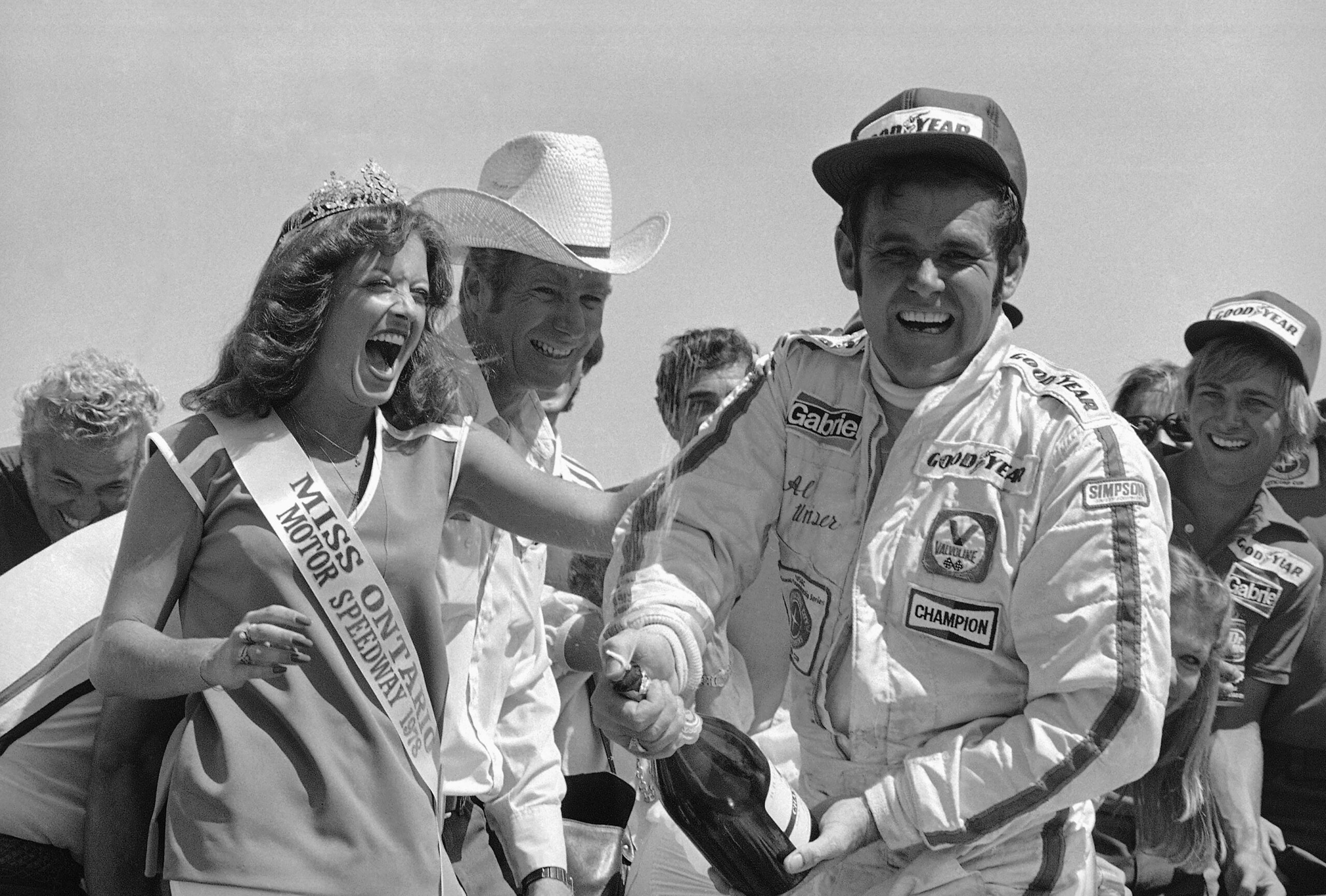
So, if you’re planning to toast the new year with a glass of bubbly, don’t forget to toast the history, as well as the physics behind what has become the official beverage of celebration.
From its humble beginnings in the northeast of France, Champagne evolved from a still wine, pale pink in color, to the more familiar sparkling wine, which was endeared by nobility and served at coronations.
The bubbles in Champagne were once a problem.
Despite claims that Dom Pérignon invented Champagne, the French Benedictine monk is more accurately credited with improving its production and quality, particularly by developing methods to reduce and control the amount of bubbles.
His in-bottle fermentation technique relied on the wine’s fermenatble sugars converting to alcohol, helping give it its sparkle.
However, when temperatures started to drop in the fall, the fermentation process would cease, sometimes before it was complete.
When the weather warmed in spring, the resting yeast would resume fermentation, producing carbon dioxide.
Sometimes it would push the cork out of the bottle; sometimes the bottle would literally explode.
Champagne also later became a favorite of the English, sparking renewed interest in muselets, or cork cages, to keep the bubbles securely in the bottle during long sea voyages from France.
A longstanding symbol of luxury, elegance, and celebration, Champagne is a natural choice for ringing in the new year, Gino Amato, wine lead for Molly’s Spirits in Greenwood Village, told The Denver Gazette.
The pop of the cork and the overflow, some say, serve as metaphors for joy and release after a long period of restraint.
As New Year’s celebrations grew in popularity in the late 1800s, Champagne found itself slipping easily into downtown luxury hotels from New York to Denver and beyond.
Champagne houses at the time restricted distribution to the elite hotels, clubs, and restaurants as a way to market and to protect the brand as a luxury item.
For years, Denver’s historic Brown Palace Hotel has offered Champagne brunches and Champagne teas as well as its annual spectacular Champagne Cascade.
More than 5,200 Champagne glasses, stacked in the shape of a triangular tree and fueled by 1,500 bottles of bubbly, create a seasonal spectacular for the hotel, located at 17th Street and Tremont Place in downtown.
For this year’s New Year’s Eve celebration in Denver, Brown Palace Food and Beverage Manager Edward Tracy said, along with what the hotel already has in its cellar, there are an additional 20 cases of Moët & Chandon Brut and 10 cases of Moët & Chandon Rose, plus four magnums for the midnight toast.
But is Champagne losing its sparkle?
According to industry data, sales of French Champagne have declined by 1.8% over the first eight months of 2025, as reported by Reuters.
The reduction in sales is attributed to a global decline in alcohol consumption, economic uncertainty, and rising import tariffs.
Amato said that in his store, he has seen more customers opting for other sparkling wines over the traditional French Champagne.
“We have South African wines that are sparkling; we have domestics; we have Prosecco and others, he said. “We try to work with the customer’s price point.”
In the end, Amato said, for him, traditional Champagne is an “emotional” event that leaves an “indelible impression of that time” in one’s life.
If you haven’t tried it, Amato recommends it.
“The popping of the cork, the spray, there’s nothing like it,” Amato said. “Sure, you can shake a beer up, but it’s just not the same.”
OTHER FUN FACTS ABOUT CHAMPAGNE:
- True Champagne must come from the Champagne region alone. Anything else is considered a sparkling wine.
- All grapes used in traditional Champagne must be hand-picked by French quality standards.
- A standard 750ml bottle of Champagne contains approximately 49 million bubbles, while a typical glass contains 10 million bubbles, according to Bill Lembeck, a fluid dynamics researcher from California.
- Champagne is not made from Champagne grapes. It is typically produced from Chardonnay, Pinot Noir and Pinot Meunier.
- Champagne corks can be ejected from the bottle at an average rate of 25 to 30 mph, so do be careful.
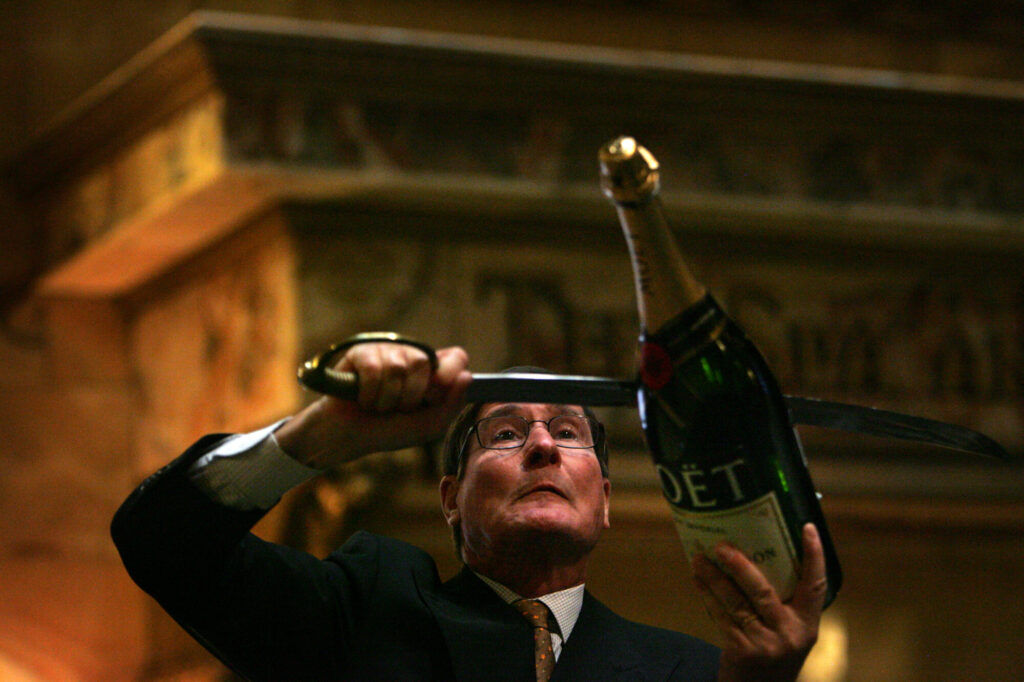
- The ceremonial practice of opening Champagne with a sword is called sabrage. It dates back to the days of Napoleon Bonaparte, whose officers often used the technique to impress the aristocracy.
- American actress Marilyn Monroe once took a bath in 350 bottles of Champagne.
- Close to 271 million bottles of Champagne were shipped in 2024, according to the Comité Champagne in France.
- The pressure inside a bottle of Champagne is more than three times that in an automobile tire.

‘Our downtown, our way’: Aurora residents, business owners share hopes, fears for new Colfax authority
Kyla Pearce
kyla-pearce@denvergazette.com
Updated 2 days ago
When Heather Adams and her partner bought their Colfax Avenue location for Vanishing West Ciders, the area immediately felt right, she said. “As we started to walk through the neighborhood, we started loving and feeling opportunities here,” she said about...

Kyla Pearce
Reporter

Pig and Tiger Taiwanese restaurant in Denver balances Asian family recipes with European comfort
Jonathan Ingraham
jonathan.ingraham@denvergazette.com
Updated 2 weeks ago
Chefs Darren Chang and Travis Masar are the Pig and the Tiger at Pig and Tiger, a new Taiwanese Night Market restaurant in Denver’s Five Points neighborhood. The two friends recognized that their love of Asian cuisine complemented each other’s...

Jonathan Ingraham
Reporter
Warm up with cocoa, champurrado, and atole recommended by Denver foodies
Emily Bejarano
emily-bejarano@gazette.com
Updated 3 weeks ago
Not a coffee drinker? Sip your way to happiness with these hot cups of chocolatey, corny goodness On a snowy day in Denver, nothing hits the spot quite like a warm cup of cocoa – that is, if you’re not...

Emily Bejarano
Reporter
From holiday pop-up bars to Krampus, these activities around Denver will get you feeling festive
Emily Bejarano
emily-bejarano@gazette.com
Updated 1 month ago
Spice up your schedule this December and choose your own adventure with this ultimate list of cheerful events The city of Denver is full of events each holiday season, and it can be challenging to choose events that align with...
Emily Bejarano
Reporter
Colorado’s Collaboration Fest set to bring hundreds of breweries together
Sage Kelley
sage-kelley@denvergazette.com
Updated 1 month ago
Mastermind breweries will once again unite to create eclectic concoctions when the Colorado Collaboration Fest returns next spring. The Collaboration Fest, presented by On Tap Credit Union and the Colorado Brewers Guild, will bring nearly 200 different craft breweries to...

Sage Kelley
Reporter
Colorado’s Collaboration Fest set to bring hundreds of breweries together
Sage Kelley
sage-kelley@denvergazette.com
Updated 1 month ago
Mastermind breweries will once again unite to create eclectic concoctions when the Colorado Collaboration Fest returns next spring. The Collaboration Fest, presented by On Tap Credit Union and the Colorado Brewers Guild, will bring nearly 200 different craft breweries to...
Sage Kelley
Reporter
Good Bones Coffee opens as ‘third-space’ in Denver amidst East Colfax construction
Emily Bejarano
emily-bejarano@gazette.com
Updated 1 month ago
Where some businesses fear the toll the BRT has taken, two Denver natives embraced the opportunity to open a rockin’ coffee shop In a neighborhood with good bones, Carson and Melody Allen saw a need for a social hub, and...
Emily Bejarano
Reporter
19 Colorado restaurants earning global accolades
Seth Boster
seth-boster@denvergazette.com
Updated 2 months ago
“The Michelin way,” it turns out, is the Colorado way. We’re referring to food here — the Michelin Guide that recommends the finest in dining for worldwide travelers. And since inspectors have been coming to the Denver area and mountain resorts...

Seth Boster
Reporter

Mawa McQueen is creating community through crepes at Crepe Therapy Cafe in Boulder
Jonathan Ingraham
jonathan.ingraham@denvergazette.com
Updated 1 month ago
“I do not want to be remembered as a crepe lady. I want to be remembered as someone who made a difference in the world through my restaurant.” Crepe Therapy Cafe Boulder chef Mawa McQueen’s cooking journey is a very...
Jonathan Ingraham
Reporter
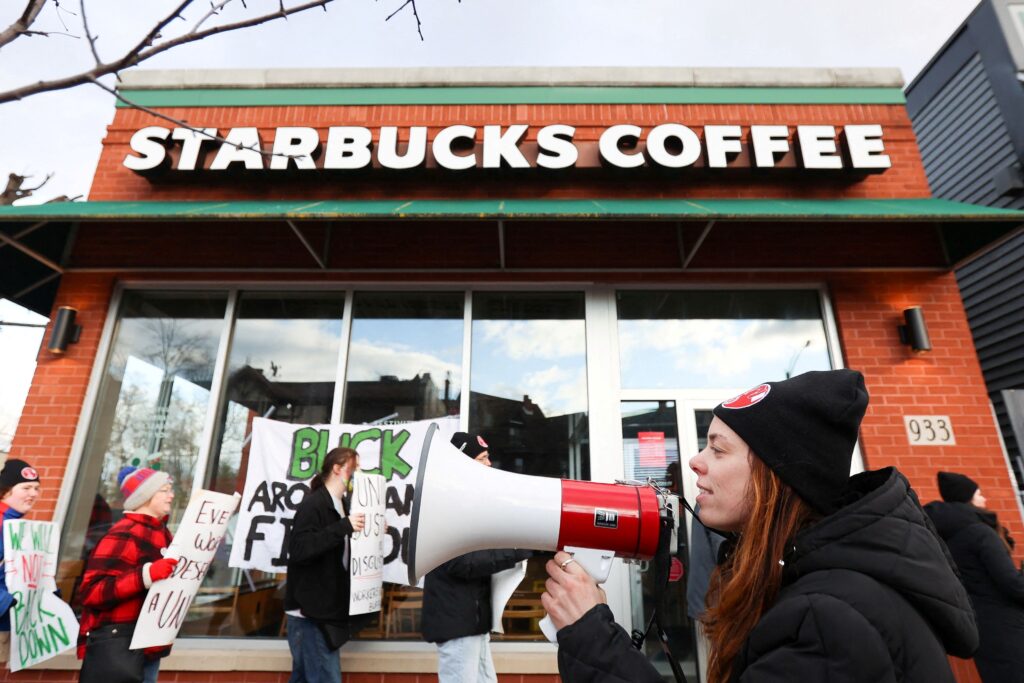
Starbucks workers kick off 65-store US strike on company’s busy Red Cup Day
Dee-ann Durbin
dee-ann.durbin@associatedpress.com
Updated 2 months ago
More than 1,000 unionized Starbucks workers went on strike at 65 U.S. stores Thursday to protest a lack of progress in labor negotiations with the company. The strike was intended to disrupt Starbucks’ Red Cup Day, which is typically one...

Dee-ann Durbin
Reporter
PREV
PREVIOUS

Robin Niceta released on probation
A former Arapahoe County child-protective worker has been released on parole from her four-year prison sentence related to her conviction of making up a report of child abuse against an Aurora city councilwoman. Robin Niceta, 43, was assigned an out-of-state parolee status after spending a year and a half in prison, according to the Colorado Department of Corrections website. She was arrested and accused […]

Premature tamandua pup dies shortly after birth at Denver Zoo
Winnie, a southern tamandua, was set to deliver the first birth of her kind at the Denver Zoo in January. Her pup, born about three weeks early, passed away. DENVER — The Denver Zoo on Tuesday announced the death of a newborn tamandua after the pup’s highly anticipated birth came earlier than expected. In November, […]