







Feds order coal-fired Craig power plant to remain open
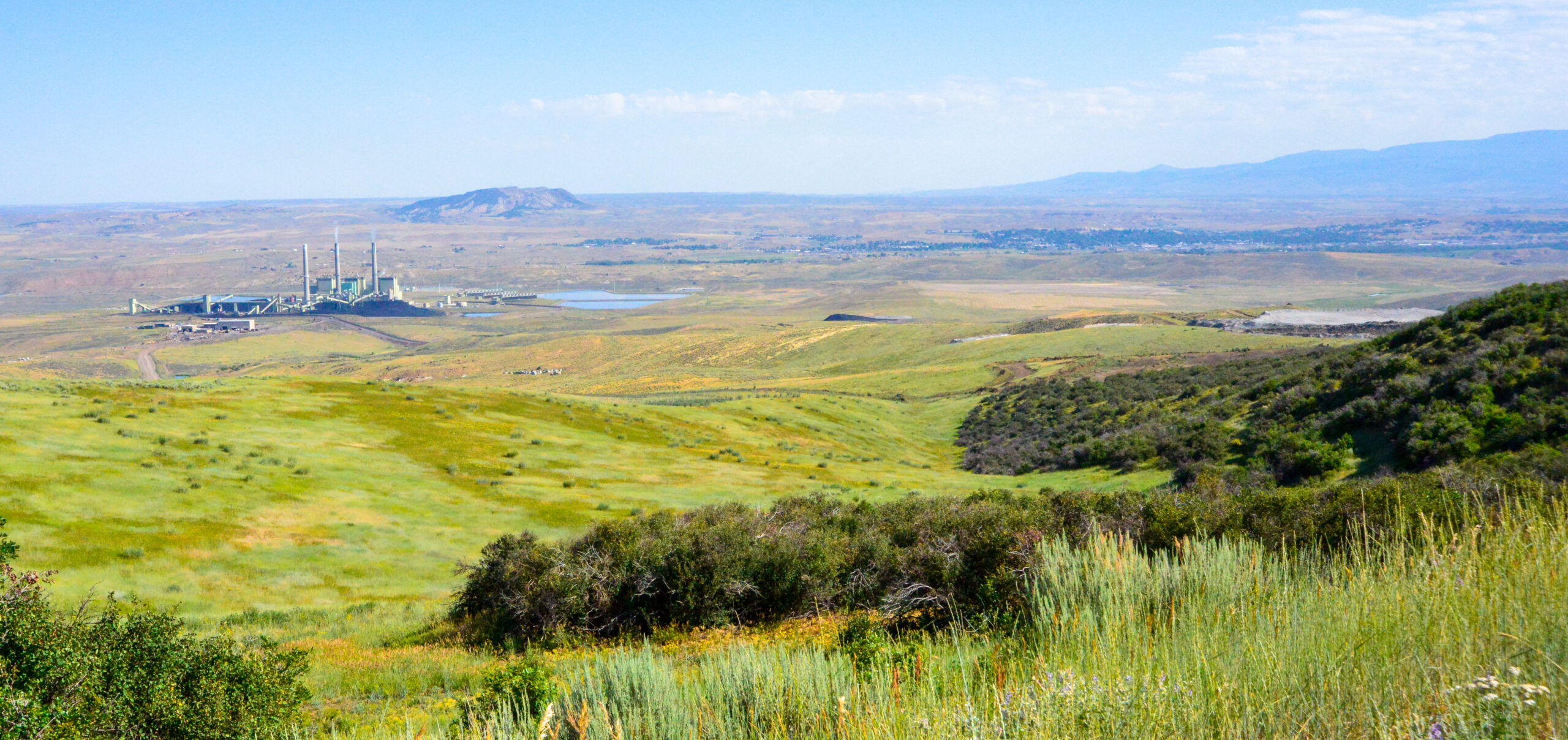
The Trump administration’s energy agency has ordered one of three generating units at a Colorado power plant to remain available for operation amid an impending shutdown of the station and its supplying coal mines.
The move is one of the latest attempts by the White House to revive coal production in the U.S. following President Donald Trump’s promise to “unleash” American energy.
In Colorado, Democrats and their allies have prioritized moving away from fossil-fired energy in favor of solar and wind power in their campaign to get to net “zero” carbon emissions in a few decades, arguing it is good for people’s health and the environment. Republicans and others have argued that the transition is happening too quickly, with little regard for jobs lost at coal mines and plants and leading to ever-increasing energy prices.
U.S. Secretary of Energy Chris Wright, who is from Colorado, issued the emergency directive under section 202(c) of the Federal Power Act.
The order requires Tri-State Generation and Transmission Association and co-owners to maintain the readiness of the unit at the Craig Generating Station until March 30, 2026, citing shortages of electric energy and generation facilities across the Western Electricity Coordinating Council Northwest region.
The order thrusts northwest Colorado’s coal country back into the national debate over climate change and energy reliability, delaying a long-planned shift away from fossil-fired energy. Under the weight of that direction, residents in the region have been weighing economic survival and the environmental imperatives.
In a statement, Gov. Jared Polis criticized the federal intervention.
“This order will pass tens of millions in costs to Colorado rate payers, in order to keep a coal plant open that is broken and not needed,” Polis said. “Ludicrously, the coal plant isn’t even operational right now, meaning repairs — to the tune of millions of dollars — just to get it running, all on the backs of rural Colorado ratepayers!”
The targeted unit faces mechanical problems. Its retirement had been set for Wednesday.
Craig evolved from a quiet agricultural town with unpaved roads and home to some 2,500 residents in the 1930s to a coal-dependent community of more than 9,000.
Neil McCandless, a 94-year-old resident and veterinarian for over 50 years, recalled the town’s early days in an interview with The Denver Gazette.
“When I was a boy — my dad ran a newspaper — I could walk down there in the evenings and not see a car except parked along the road,” he said a few months ago.
“Nothing driving, no streets were paved — a little sleepy town,” McCandless said.
Meanwhile, the Colowyo Mine near Craig, a primary supplier to the plant, will end operations this month. Owners have already notified 133 workers of layoffs effective Jan. 6, 2026.
Moffat County anticipates 437 job losses and a 43% drop in property tax revenue from the mine closure, intensifying hardships in a region where towering smokestacks have long dominated the arid landscape and defined livelihoods.
Will Toor, executive director at Colorado Energy Office, also criticized the order from the U.S. Energy Department.
“This order makes absolutely no sense and will increase utility bills for Coloradans,” Toor said.
Environmental advocates argued the decision favors a struggling industry at the expense of health and progress.
Michael Hiatt, deputy managing attorney with Earthjustice’s Rocky Mountain Office, said in a news release that keeping the plant online harms communities and boosts costs.
“This unlawful order will benefit no one but the struggling coal industry,” Hiatt said.
Ulla Reeves, clean air program director for the National Parks Conservation Association, said in a news release that the plant affects national parks.
“This coal plant emits dirty air and haze pollution that harm our beloved Southwest national parks like Rocky Mountain and many others,” Reeves said. “Its closure will mean cleaner air for parks and people and we are deeply disappointed by the effort by this administration to order it to stay online past its planned retirement deadline.”
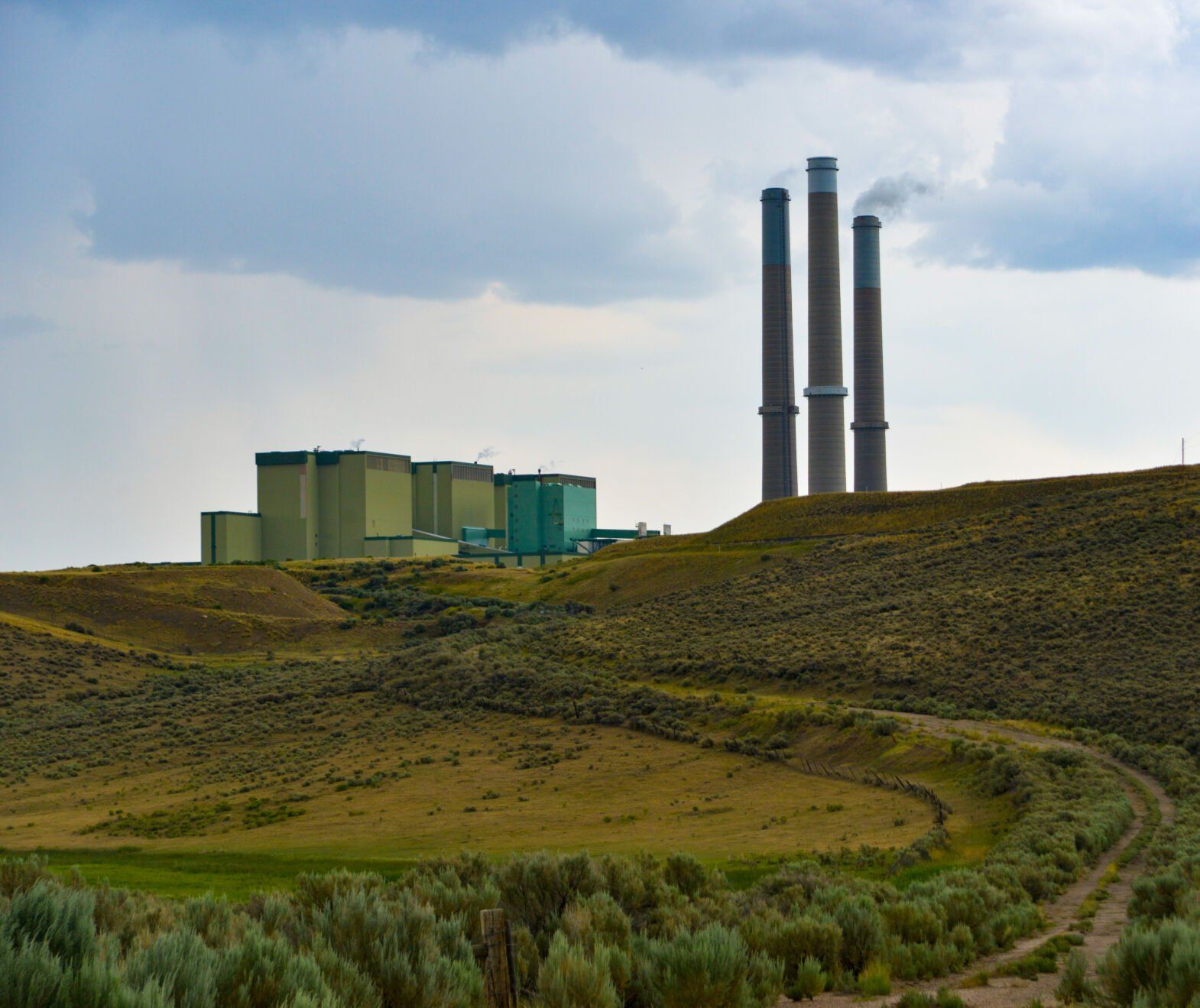
Duane Highley, Tri-State chief executive, pledged compliance in a statement released to the media.
“Tri-State has a policy of 100% compliance, and we will work with Unit 1 co-owners, and federal and state governments to determine the most cost-effective path to that end,” Highley said.
EPA data show that Colorado actually met the updated Particulate Matter 2.5 standards statewide, including park-adjacent areas, prompting the Air Quality Control Commission to recommend attainment status in January 2025.
U.S. Rep. Jeff Hurd, a Republican representing the district including Moffat County, said in comments to POWER Magazine that state policies have hurt working families.
“Colorado needs energy policy rooted in facts, reliability, and respect for the people who keep the lights on, not mandates written to satisfy political pressure from activists and Denver bureaucrats,” Hurd said.
In the same magazine, Craig Mayor Chris Nichols said the order offers short-term benefits for jobs.
“It’s great for the community to keep those jobs active, even for a short period,” Nichols said.
Dennis Hisey, a former legislator, has long opposed such closures in interviews with The Denver Gazette, arguing they eliminate good-paying jobs without viable replacements.
“You’re just not going to retrain coal miners … to work in the tourism industry,” Hisey said.
He advocated for small modular nuclear reactors as alternatives in interviews.
“Replace good paying jobs with good paying jobs,” Hisey told The Denver Gazette.
Craig leaders have sought to diversify the region’s economy through industrial parks, rail infrastructure, and recreation. The community has secured $70 million in state assistance over the past decade.
While the coal era fades, life in Craig continues with new energy investments, officials have said.
Tri-State plans a 145-megawatt Axial Basin Solar project, a 307-megawatt natural gas facility, and a 200-megawatt energy storage facility.
Lee Boughey, a Tri-State spokesperson, said in a statement that the cooperative remains committed to the region.
“As Craig Station fully retires in 2028, Tri-State will maintain investment in Moffat County,” Boughey said. “We intend to continue our long-standing involvement and commitment to northwest Colorado.”

Greeley voters to decide fate of project that includes minor league hockey arena
Hap Fry, Special to The Gazette
hap-fry@gazette.com
Updated 32 minutes ago
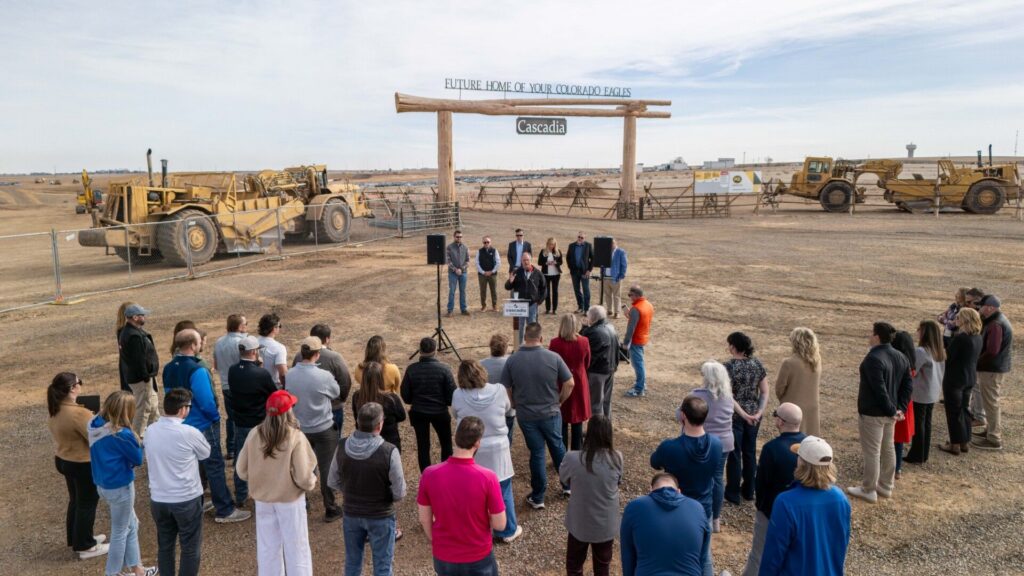
GREELEY • The fate of the Cascadia development — and quite possibly the future direction of the city — is in the hands of Greeley voters this Tuesday during a special city election on whether the landscape-altering project should be...

Hap Fry, Special to The Gazette
Reporter
Denver’s business community reacts to tariffs ruling
Dennis Huspeni
dennis.huspeni@gazette.com
Updated 2 days ago
Within hours of the U.S. Supreme Court striking down the Trump administration’s tariffs, Denver and Colorado business leaders said the justices provided clarity, adding stability and predictability are essential to the American economy. The court’s 6-3 decision centers on tariffs...

Dennis Huspeni
Reporter
U.S. Supreme Court strikes down Trump’s tariffs, upending central plank of economic agenda
LINDSAY WHITEHURST
lindsay-whitehurst@denvergazette.com
Updated 2 days ago
WASHINGTON • The Supreme Court struck down President Donald Trump’s global tariffs on Friday, handing him a major loss on an issue crucial to his economic agenda. The 6-3 decision centers on tariffs imposed under an emergency powers law, including...

LINDSAY WHITEHURST
Reporter

Former Tattered Cover CEO ready to open his new bookstore: Denver Book Society
Bernadette Berdychowski
bernadette.berdychowski@denvergazette.com
Updated 1 day ago
At the Denver Book Society, natural light from the skylight roof floods into a backroom filled with cooking books, puzzles and board games. An arch greets kids into the children’s section decked with bean bag chairs and reading nooks. Soon,...

Bernadette Berdychowski
Reporter

Colorado legislators challenge lottery rules allowing credit card purchases
Marianne Goodland
marianne-goodland@denvergazette.com
Updated 2 days ago
Back in November, legislators told the Colorado Lottery Commission to hold off on rules that would allow, for the first time, purchases of lottery products with credit cards. The commission went ahead anyway and approved those changes. And now lawmakers...

Marianne Goodland
Reporter
Colorado joins California in lawsuit to restore federal clean energy funding
Scott Weiser
scott-weiser@denvergazette.com
Updated 2 days ago
Colorado has joined a multi-state lawsuit challenging the Trump administration’s termination of more than $600 million in congressionally approved clean energy grants for Colorado projects, Colorado Attorney General Phil Weiser and California Attorney General Rob Bonta announced Wednesday. The suit,...
Scott Weiser
Reporter

State seizes Denver deli Leven Supply for nonpayment of taxes
Angela Case
angela-case@denvergazette.com
Updated 3 days ago
The Colorado Department of Revenue has seized Leven Supply for nonpayment of taxes, according to a notice on the door of the Washington Park West cafe. The notice says the restaurant owes more than $138,000 in taxes. In a statement...

Angela Case
Reporter
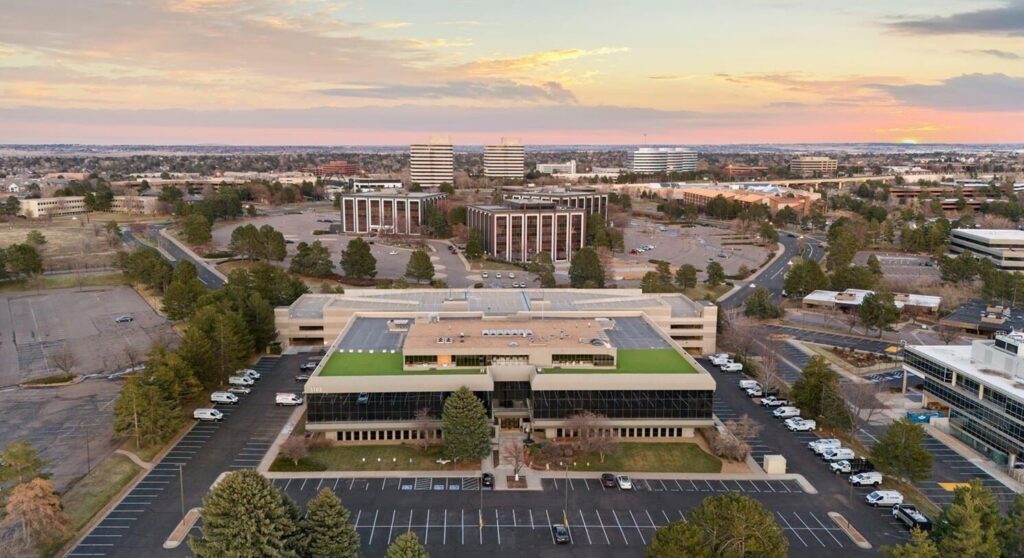
John Madden’s office-top penthouse is modest in scale to its DTC surroundings
Mark Samuelson
mark-samuelson@denvergazette.com
Updated 2 days ago
At a moment when homes around Denver are wowing with their high-altitude prices, anybody who knew who John W. Madden was might marvel at how low this one is priced. The owner of the penthouse built atop a 3-story office...

Mark Samuelson
Reporter

Potential clues? Palantir shares several risks of doing business in Colorado
Bernadette Berdychowski
bernadette.berdychowski@denvergazette.com
Updated 2 days ago
When Palantir announced it moved its headquarters from Denver to Miami, it gave little reason for its decision. All it sent out was a short post on X. It came as a shock that the major company known for its...
Bernadette Berdychowski
Reporter

Zuckerberg denies at trial that Meta targets children
News services
news-services@denvergazette.com
Updated 3 days ago
LOS ANGELES – Meta Platforms CEO Mark Zuckerberg on Wednesday repeatedly said during a landmark trial over youth social media addiction that the Facebook and Instagram operator does not allow kids under 13 on its platforms, despite being confronted with evidence suggesting they were a...

News services
Reporter
PREV
PREVIOUS

Appeals court shuts down path to challenge convictions if lawyer tells jury that defendant is guilty
Colorado’s second-highest court concluded on Wednesday that defendants cannot challenge whether the evidence was sufficient to sustain their convictions if their lawyer argues to the jury that it should find the defendant guilty. The U.S. Supreme Court has provided guidance in recent years about when criminal defense attorneys may intentionally concede their client’s guilt. In […]

Denver Design District is a hub for home decor, but new businesses joining look a bit different
Since the 1980s, the area north of where Interstate 25 and South Broadway meet has been a hotspot for home furniture and decor showrooms where interior designers go to sort through fabric swatches and cabinet finishes. But over the last 18 months, the Denver Design District began to expand what it means to be the […]