







National Western Stock Show tips hat to contemporary Western art
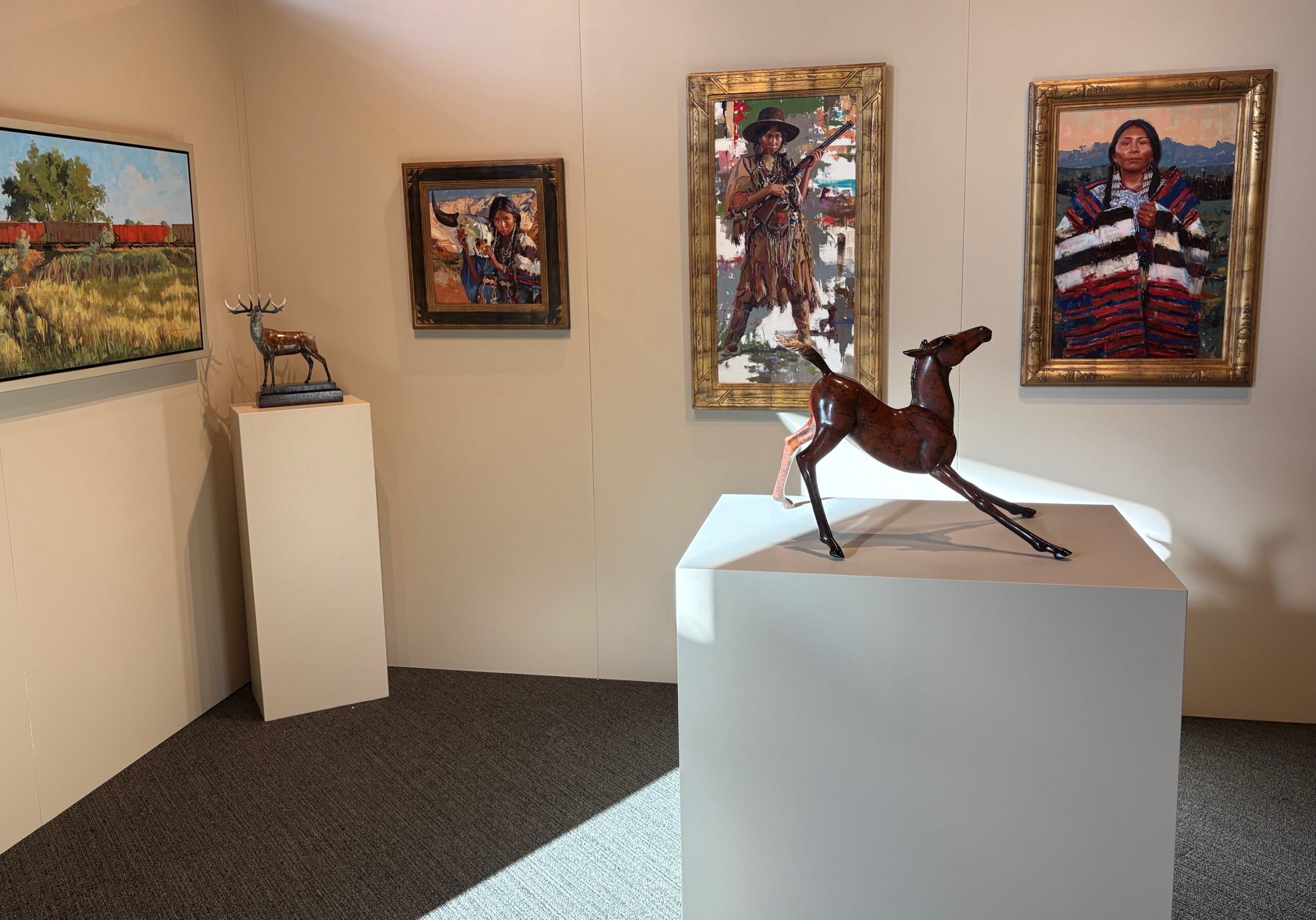
Each January since 1906, as certainly as the new year follows the old, the National Western Stock Show has opened in Denver. This year, the stock show runs Jan. 10 through Jan. 25.
The only exception was 2021, when the pandemic forced its cancellation.
And at each Stock Show since 1993, the Coors Art Exhibit & Sale has formed an important part of the event, corralling contemporary art inspired by the American West. What started as something of an afterthought now is part and parcel of the Stock Show, adding cultural value along with a means for generating scholarship funds for more than 120 students studying rural medicine, veterinary science or agriculture.
And while the fine art realm still skews heavily toward men in leadership roles, the Coors show has been curated since the get-go by women: first, the late Ann Daley, followed by Rose Fredrick in 1998, succeeded in 2023 by current curator, Kate Hlavin. The trio of curators cultivated the exhibit, growing the show into national prestige, and today anybody who knows anything about contemporary Western art tends to know the Coors show.
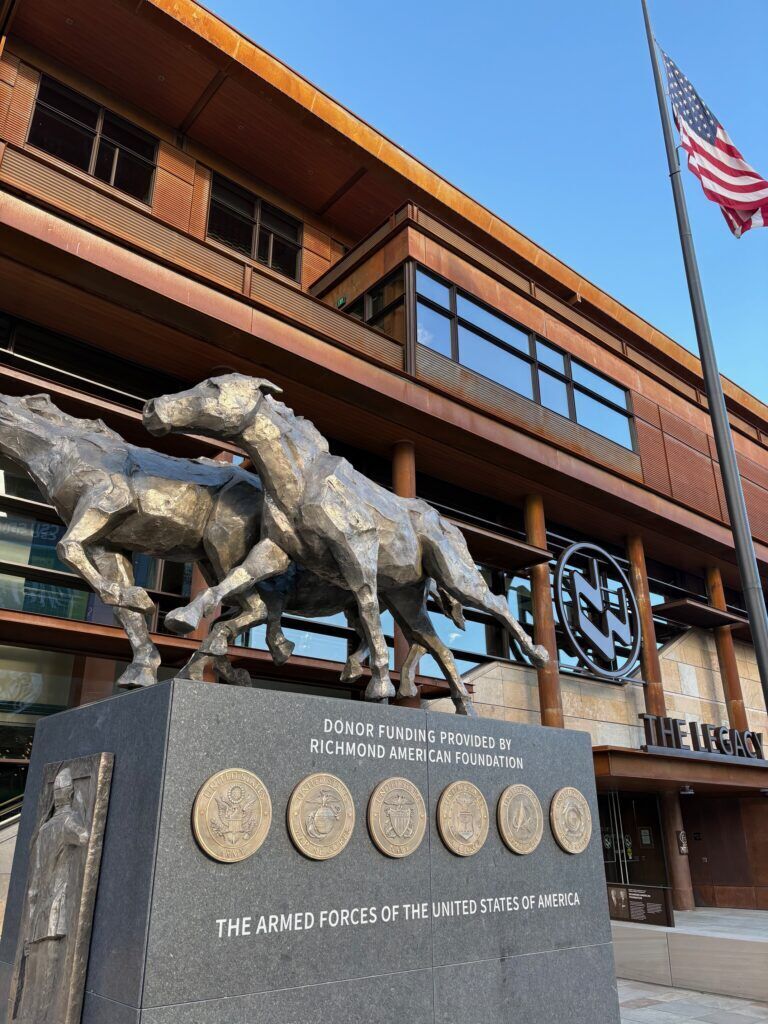
This year, the Coors show moves to The Legacy, the handsome new building where 92 artists and 345 artworks will be exhibited for the event. Now the headquarters of the National Western Stock Show Association and Stock Show staff, The Legacy includes 8,000 square feet of rotating exhibit space and Western art throughout the building, a Heritage Center with archives, board rooms, conference spaces and terraces with fire pits and views.
“The Legacy is transformational for the Coors Western Art Exhibit & Sale. The building is incredible and the space elevates the show to an entirely new level,” said Hlavin. “The Katherine and J. Robert Wilson Art Gallery is a wonderful addition to the growing art department of the National Western Stock Show, with year-round exhibition space to show the permanent art collection and to have rotating exhibits.”
Along with livestock, vendors and stadium shows, the contemporary Western art adds flair in the form of paintings, illustrations, sculptures and mixed-media artworks depicting everything from landscapes of the American West to cowboys, cattle and horses.
SCULPTOR REINS IN HORSE SENSE
Horses stand as lifelong subject matter for ceramics sculptor Amy Laugesen, whose works present an antique or even ancient look. Two of her four sculptures in this year’s show bear inspiration from blue denim. The artist researched the history of denim and used scraps of Levi’s jeans to press texture into the wet clay bodies of her horse sculptures. She made blue glaze inspired by the mountains and skies of Crestone, where she and her husband, the photographer-filmmaker Stephen Hume, built their off-the-grid home and studio.
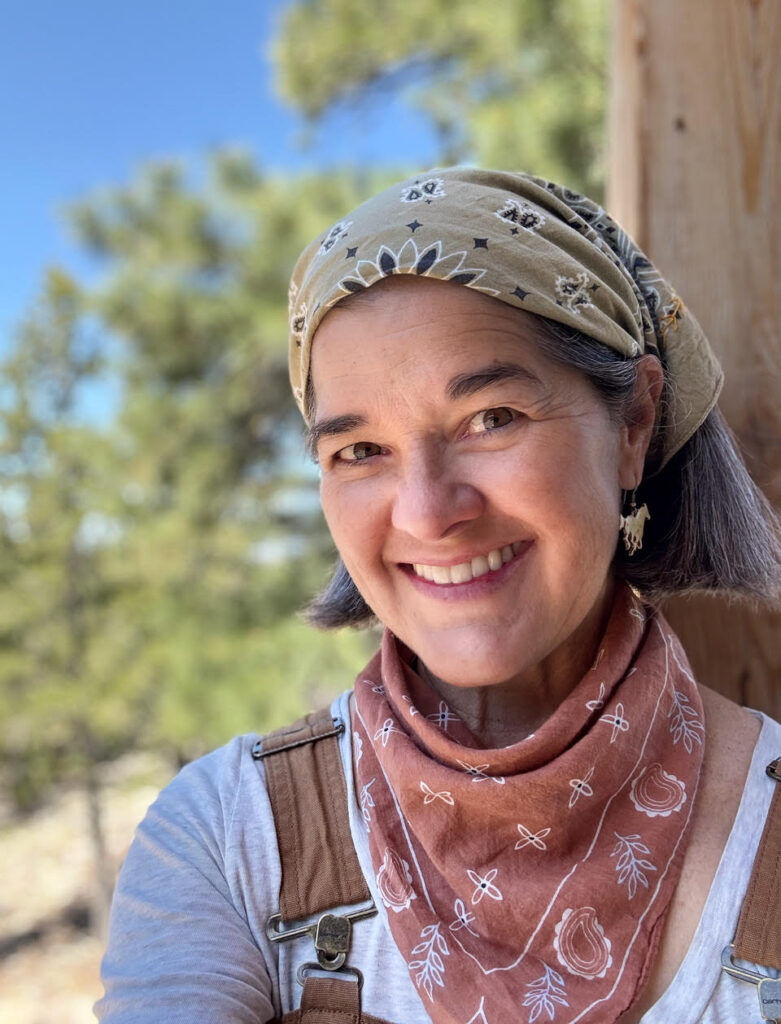
Laugesen, born and raised in Denver, first exhibited at the Coors show in 2013.
“It’s so exciting now have to have the show in The Legacy with the new space and the new gallery for the permanent collection year-round. I saw The Legacy at the opening for the Coors Young Guns show, and it’s an incredibly beautiful new building,” Laugesen said.
“Even though I loved having the exhibit up near the kids’ petting zoo in the Coliseum,” she added, “the way the art is being honored now is an important part of the conversation and will put the show on the map in a new way.”
The National Western Stock Show acknowledges that the complex in Denver was built on the traditional territory of the Arapaho, Cheyenne, Oceti Sakowin and Ute Nations.
AN ARTIST’S STOCK SHOW MEMORIES AND ASPIRATIONS
Laugesen has been attending the Stock Show since she was a child. She recalled the excitement of family outings and school field trips to it.
“I had friends who showed in the Western Pleasure and Hunter-Jumper competitions, and I thought one day I would show Tic Tac, my heart horse and soul mate,” Laugesen said, “but little did I know I would show horses in a different way.”
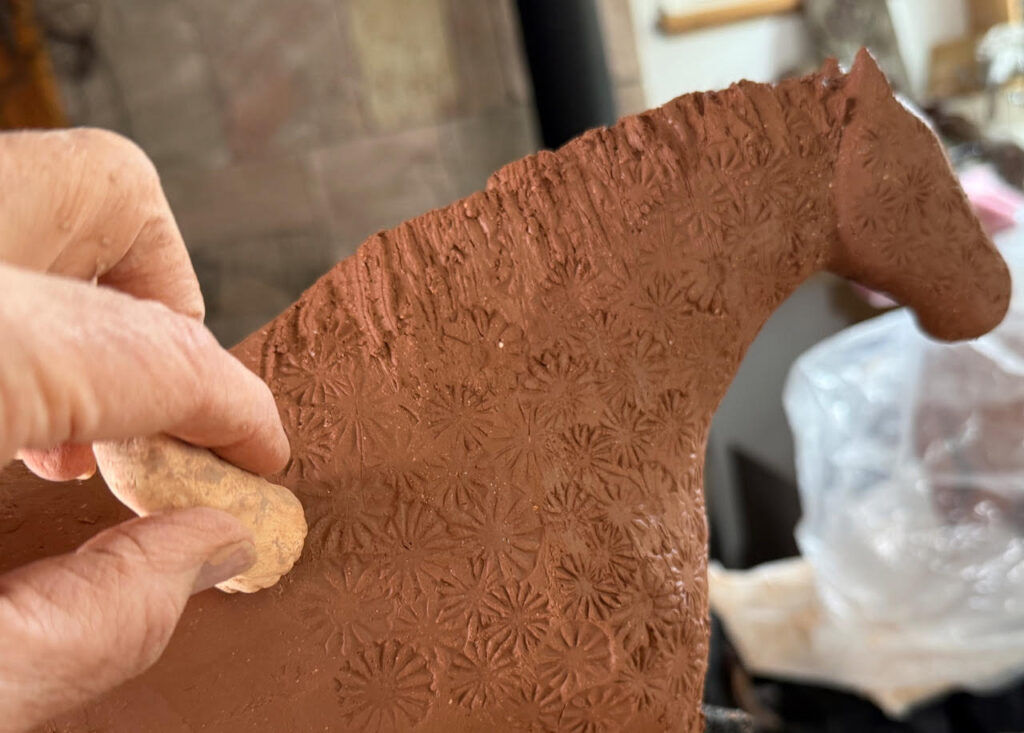
Laugesen’s glazed and fired clay horses stand on bases she fashions from wood or metal. Her sculptures range in size from life-sized horses installed at the Englewood Civic Center and in the Lowry Neighborhood to smaller, table-top works.
A LOCAL ART SHOW WITH A NATIONAL REPUTATION
“The Coors show is a very prestigious show,” Laugesen said. “And it’s not just a show celebrating traditional and contemporary Western art, it also gives back to the community by raising money for the National Western Scholarship Trust. I’m not familiar with other shows giving back in that way.”
From a very early age, Laugesen was drawn to horses and to art. She remembered school projects focused on the Stock Show. She recalled her annoyance stemming from a pre-school teacher asking her why she’d drawn a three-legged horse when horses have four legs. She answered her teacher, “Because the one leg is behind the other.”
Laugesen’s artistic perspective includes pride, in the best sense of the word. She expressed her sense of honor to exhibit her art alongside works by artists she has long admired. She named a few: Sophy Brown, Terry Gardener and Jill Soukup.
And Laugesen values, too, the exhibit’s subject matter, art depicting life for ranchers and farmers of the American West, works honoring landscapes, livestock and wildlife.
FAMILIAR SUBJECT MATTER DRAWS VISITORS TO ART SHOW
“One of the wonderful things that happens at the National Western Stock Show is that so many people attend. People come to Denver from all over,” she said. “I feel a number of people who may not venture into an art gallery come in to see the artworks. It’s a welcoming environment connecting people who see their lives and heritage and resonate with the artworks. What inspires us as artists are the traditions of the American West and our contemporary visions. At this show, there’s something for everybody.”
Ann Korologos Gallery in Basalt, Colo., represents Laugesen.
PAINTING THE NOSTALGIA OF COWBOYS AND COWGIRLS
David Kammerzell puts a fresh twist on the Old West. His playful and colorful collage-like oil-on-acrylic paintings depict cowboys and cowgirls of yesteryear. The artist draws inspiration from historic photographs and dresses his subjects in romantic, patterned clothing often blending with a background of antique wallpaper patterns. The effect is akin to Americana time travel.

“I find vintage cowboys more interesting. Nostalgia is a big driver,” Kammerzell said. “I always try to bake in the emotional component of nostalgia, a bittersweet bond with what was. It’s a memory of a dream you recall. It’s a place you visited, and you’d like to go there but you can’t because it doesn’t exist anymore: a restaurant that’s closed, a house you lived in that’s torn down.”
ART EVOKES EMOTION
Inspired by commercial art from the Golden Age of Illustrations — the early 1900s through the 1950s — Kammerzell’s work stands out as whimsical yet evokes emotions complex and mercurial.
“Artwork affects people in real subtle ways and can create an attachment,” he said. “It’s like a song or a movie people love. I see people when they look at my work and watch their reactions. People can see it’s joyful and fun.”
Though 2026 marks Kammerzell’s sixth or seventh year participating in the Coors show, he applied four or five times only to meet with rejection.
“When I finally got in, I went ‘Whoohoo!’ It felt like I really had made it, that I was getting somewhere in my career. I was flattered to have my pieces hanging in the same space as other great Western artists,” said Kammerzell, citing Dennis Zieminsky and Thomas Blackshear as two of his favorites over the years.
Born in Houston, Kammerzell has lived in Denver since the ‘60s. He and his wife, Erin, make their home near the University of Denver campus. The artist recalled going to the National Western Stock Show as a boy.
“But I’m not a Western guy,” he said. “I don’t wear boots. I don’t own a cowboy hat.”
After attending the University of Arizona and Metropolitan State College, Kammerzell enjoyed a successful career as an illustrator and a video designer He didn’t begin painting in earnest until his high-paying job with good benefits was eliminated when he’d reached his 60s. He first painted landscapes.
“But that’s a crowded field,” the artist said. “I was painting other things, too, but people weren’t getting it. I decided to narrow my scope to make marketing easier. I needed a fresh voice and vision to bring to the party, so I played with the cowboy thing and built a body of work. And that was when I started getting in shows like the Cherry Creek Arts Festival.”
AMERICAN COWBOY MYTH RIDES ON
Kammerzell emphasized the pervasiveness of cowboys and cowgirls in American culture.
“Buffalo Bill had a Wild West show that toured the nation and was a big hit in Europe. Before Coca-Cola and Disney, cowboys were one of America’s first culture exports,” said Kammerzell. “The cowboy theme was really pervasive: cowboy toys and clothes and cap guns, but also bedsheets and lunchboxes and television and interior design. I had an aunt in Texas who had cowhide and wagon wheel furniture, and she had branding iron decorations on the wall.”
The cultural impact of cowboys seeped into the American consciousness, said Kammerzell, who acknowledged freedom as an underlying value of the American West mythology.
“One thing that has made my work so accessible was that I didn’t need a big sell to explain what cowboys are because everybody has an idea. And it’s not just one idea, but multiple ideas,” said Kammerzell. “It could be the gunslinger cowboy who shoots from the hip and asks questions later, the wild guy. Or a cowboy could be an isolated individual, a loner who makes his own way and is very, very accomplished and successful at doing that.”
Kammerzell paints cowgirls, too, portraying them with feminine accoutrements such as pearl necklaces and pearl-handled revolvers. His cowgirls wear chic Western outfits complete with tooled leather belts and spurred boots, bandannas, hats, fringed vests and chaps.
THE TRUE WEST IS A STATE OF MIND
“I think people gravitate more to my cowgirls than cowboys,” the painter said. “The cowgirl is a strong, independent woman who doesn’t need a man to take care of her life, but can take care of herself, thank you very much.”
“People have their notions of cowboys and cowgirls and the West from movies and television, books, comic books, songs, poetry,” said Kammerzell. “I like the intersection of the real cowboy and the Hollywood cowboy, and I’ve painted Tom Mix and Buck Jones several times. Tom Mix said, ‘The Old West is not a certain place in a certain time, it’s a state of mind. It’s whatever you want it to be’.”
Kammerzell will open a one-man show titled “Golden Hour,” at Diehl Gallery in Jackson, Wyo., in July of 2026.
Giacobbe Fritz Fine Art on the famed Canyon Road of Santa Fe, NM, and Lovetts Gallery in Tulsa, Okla. represent Kammerzell.


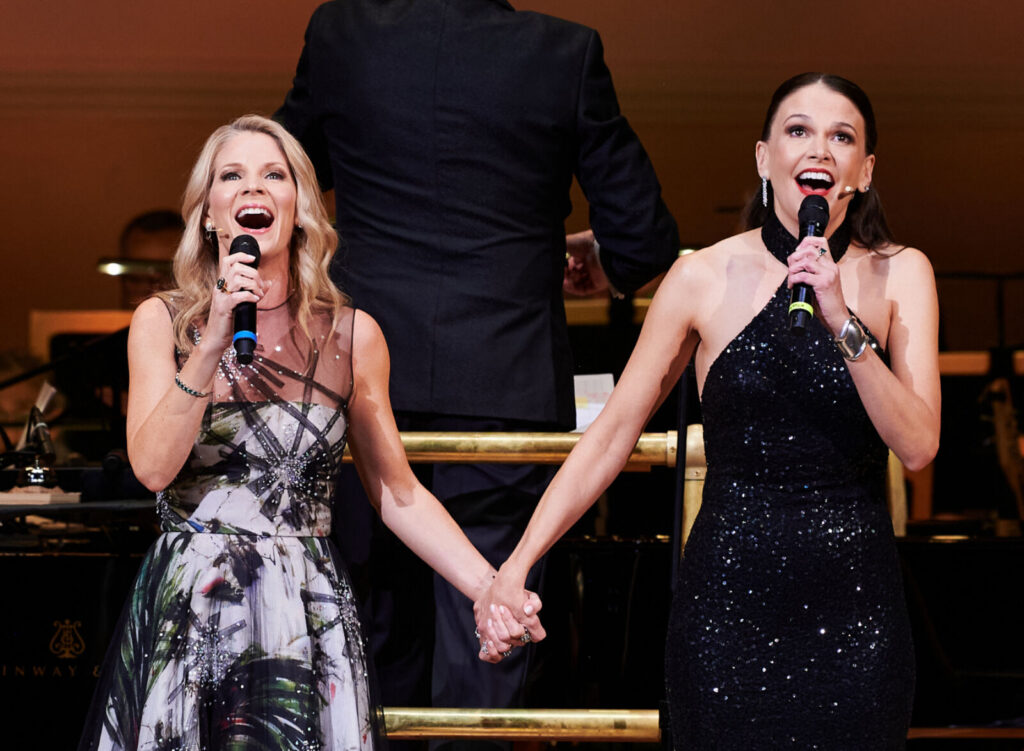
Friends forever: Broadway superstars Denver-bound to sing praises of legends
John Moore
john.moore@denvergazette.com
Updated 7 hours ago
Sutton Foster and Kelli O’Hara will honor Carol Burnett and Julie Andrews with tribute concert joined by Colorado Symphony I remember seeing Sutton Foster’s utterly charming breakout role as Millie Dillmount in the 2002 Broadway musical “Thoroughly Modern Millie” and...

John Moore
Reporter
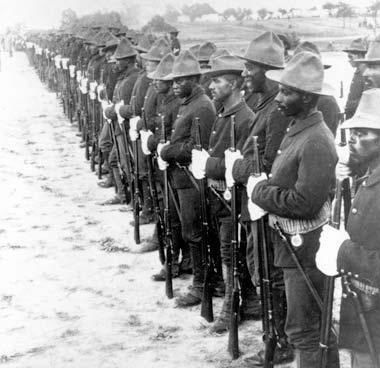
The freest man in Colorado history | Vince Bzdek
Vince Bzdek
vince-bzdek@denvergazette.com
Updated 1 hour ago
Every Coloradan should know the story of Buffalo Soldier John Taylor, who fought harder and longer than perhaps any man in our history to be truly free. Taylor’s story stands out above all others in a thought-provoking exhibit about Buffalo...

Vince Bzdek
Reporter
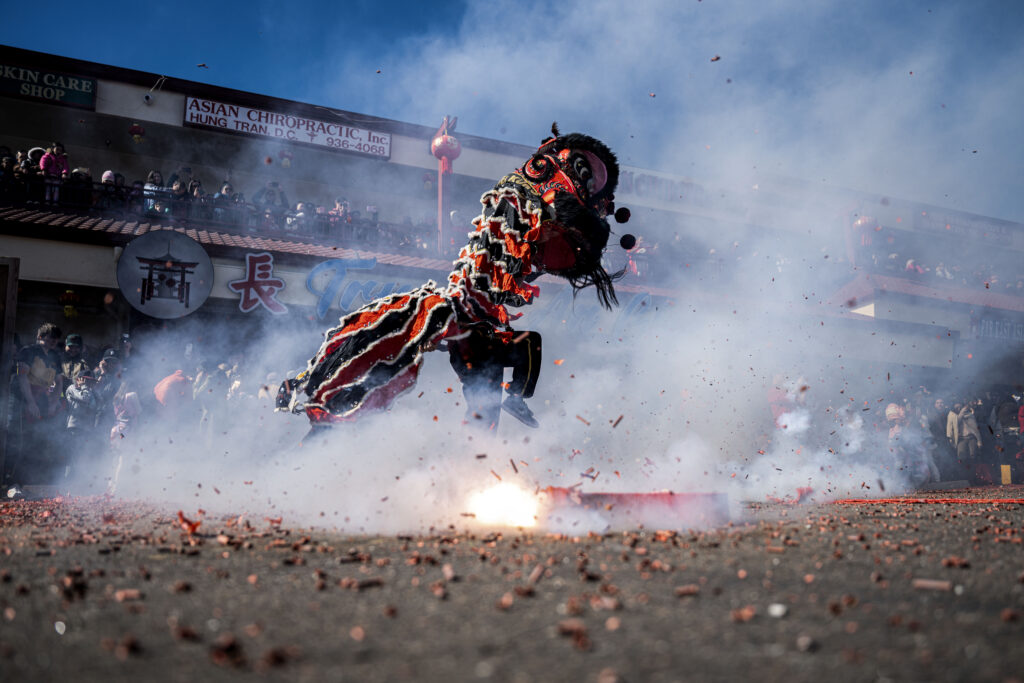
PHOTOS: Lunar New Year at the Far East Center
Stephen Swofford
stephen-swofford@denvergazette.com
Updated 11 hours ago

Stephen Swofford
Reporter
Denver area events for Feb. 21
Carlotta Olson
carlotta-olson@denvergazette.com
Updated 2 days ago
If you have an event taking place in the Denver area, email information to carlotta.olson@gazette.com at least two weeks in advance. All events are listed in the calendar on space availability. Saturday 14th Annual Kaleidoscope Gala — To benefit Rocky Mountain Children’s...

Carlotta Olson
Reporter
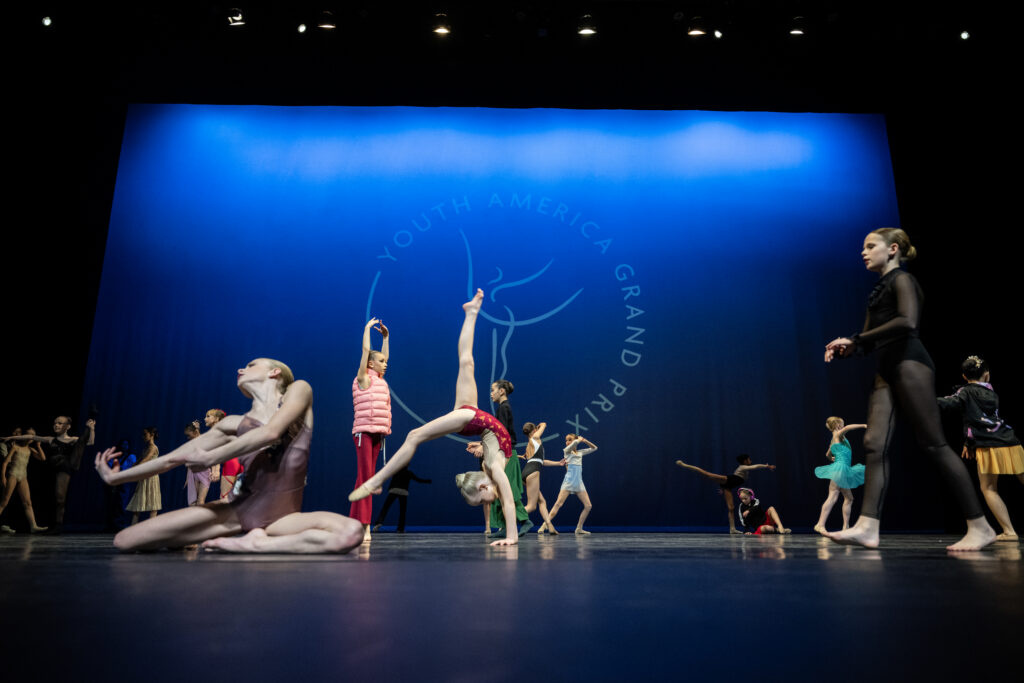
PHOTOS: Dancers compete for Scholarships at the Youth America Grand Prix
Stephen Swofford
stephen-swofford@denvergazette.com
Updated 1 day ago
Stephen Swofford
Reporter
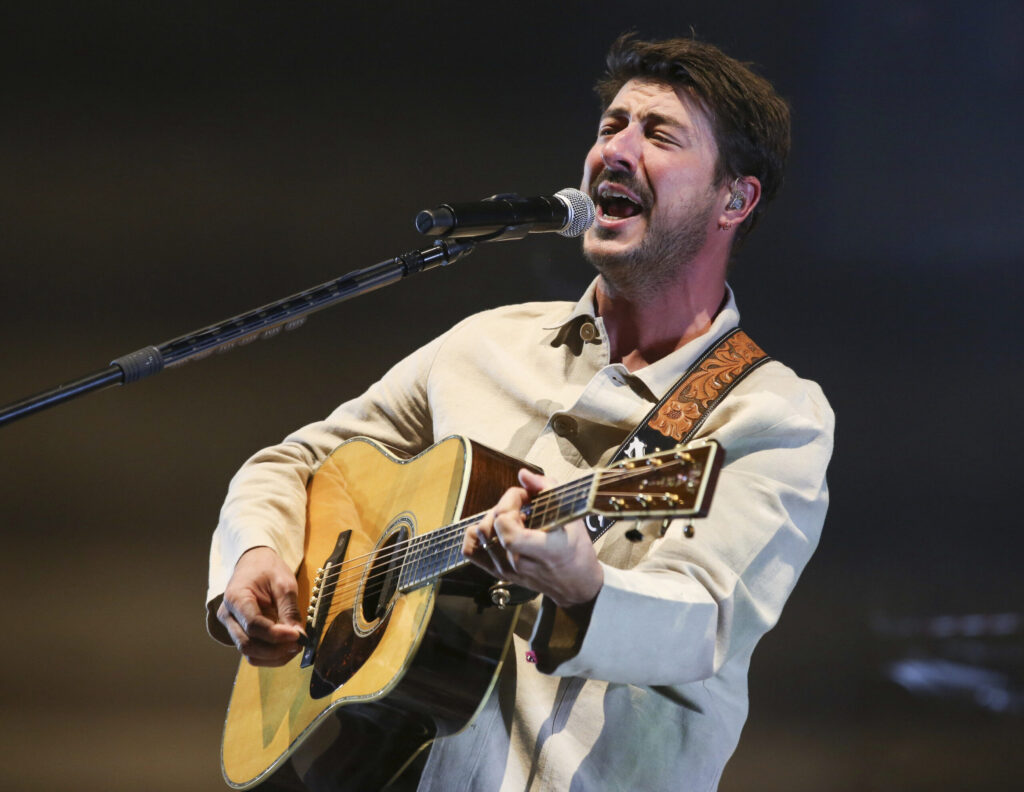
Mumford & Sons announces Colorado stadium concert
Daniel Boniface
dan.boniface@denvergazette.com
Updated 1 day ago
Mumford & Sons on Friday announced the band will return to Colorado this summer for a major stadium show. The Grammy Award-winning band from the United Kingdom will headline at Folsom Field in Boulder on June 6. The show is...

Daniel Boniface
Reporter
Denver area events for Feb. 20
Carlotta Olson
carlotta-olson@denvergazette.com
Updated 2 days ago
If you have an event taking place in the Denver area, email information to carlotta.olson@gazette.com at least two weeks in advance. All events are listed in the calendar on space availability. Friday Steel Society — With Driven by Turmoil, Voodoo, 7 p.m.,...
Carlotta Olson
Reporter
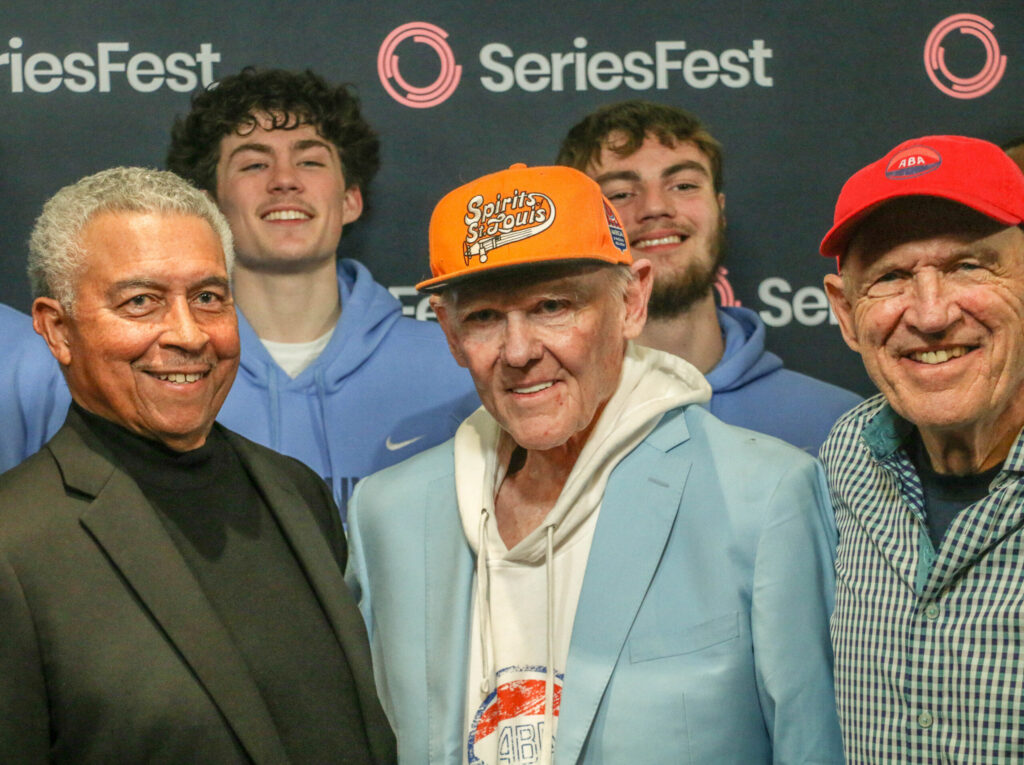
The Braun brother arrives
John Moore
john.moore@denvergazette.com
Updated 16 hours ago
For this tight-knit basketball brood representing the Nuggets and Roadrunners, it’s family first It’s wild to think that Christian and Landon Braun, two tightly bonded basketball brothers from Burlington, Kan., play their home games about 1,000 feet apart in Denver....
John Moore
Reporter
ABA series screening soars ‘above the rim’
John Moore
john.moore@denvergazette.com
Updated 2 days ago
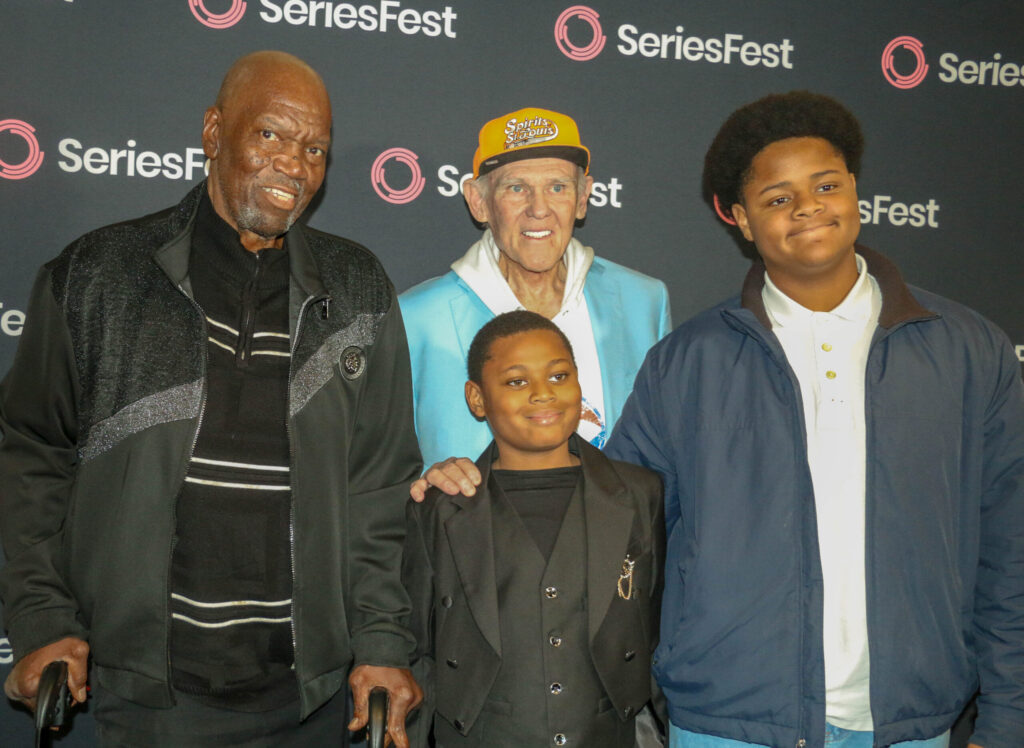
‘Soul Power’ gathering brings players, fans, family and media to sold-out Sie FilmCenter for nostalgic look back at Denver’s renegade basketball past “Bring back the ball!” That was Hall of Fame coach George Karl’s message to the NBA at Wednesday’s...
John Moore
Reporter
Denver area events for Feb. 19
Carlotta Olson
carlotta-olson@denvergazette.com
Updated 3 days ago
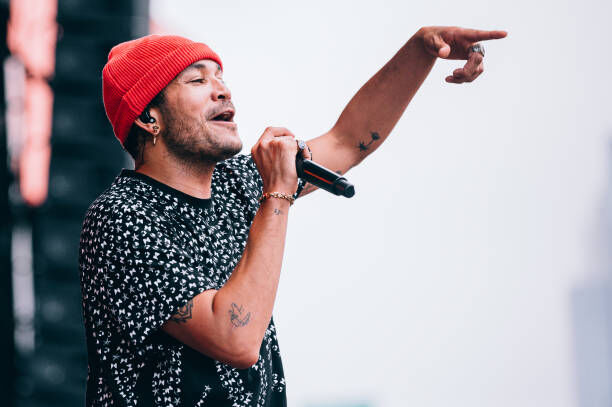
If you have an event taking place in the Denver area, email information to carlotta.olson@gazette.com at least two weeks in advance. All events are listed in the calendar on space availability. Thursday Matthew Fuller Quintet — 6:30-7:45 p.m. and 8:30-9:45 p.m., Nocturne...
Carlotta Olson
Reporter
PREV
PREVIOUS

Aurora City Council Q&A: police reform
In November’s election, Aurora voters flipped what was previously a seven-to-three conservative majority on the City Council to a six-to-four progressive majority. With the significant shift of the council’s political leaning could come policy changes and reversals. The Denver Gazette asked both new and old councilmembers about their thoughts on specific hot-button issues in Aurora […]
Denver area events for Jan. 3
If you have an event taking place in the Denver area, email information to carlotta.olson@gazette.com at least two weeks in advance. All events are listed in the calendar on space availability. Saturday The Good, the Bad & the Devine — 6 and 8:30 p.m., Dazzle at Baur’s, 1080 14th St., Denver, go online for prices. Tickets: dazzledenver.com/#/events. […]