








GUEST COLUMN: State Supreme Court hinders cities’ crime fight
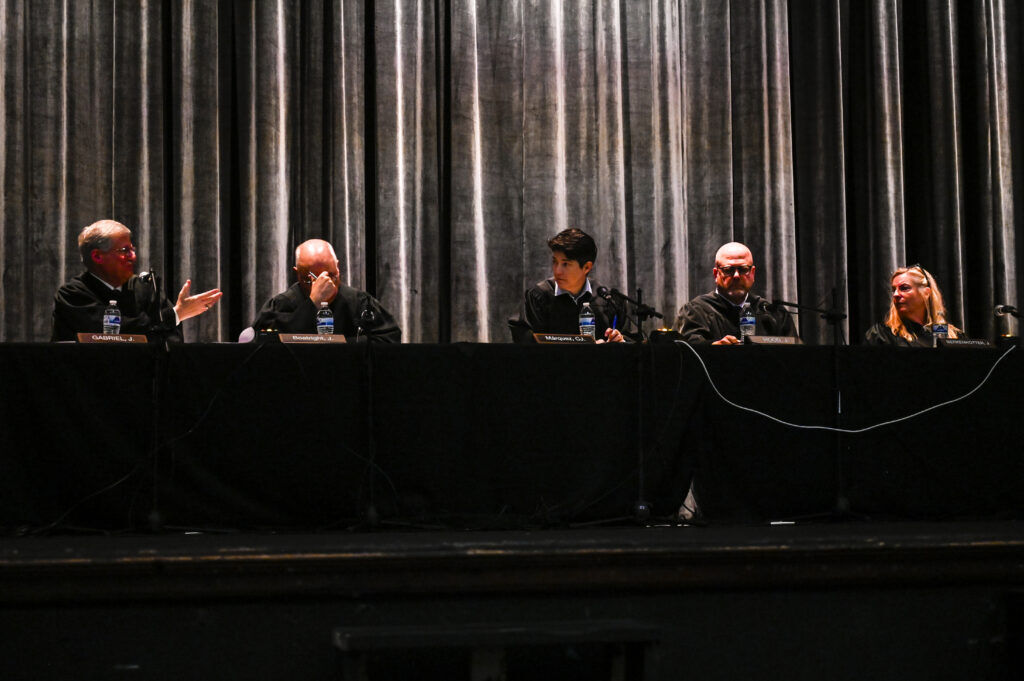
In the days before Christmas, the Colorado Supreme Court decided to dump a heap of coal into the stockings of home-rule cities across our state. In a unanimous decision, the Court ruled that municipalities may not impose “harsher sentences than state law allows for an identical offense.” In one fell swoop, local governments lost meaningful authority over one of their most basic responsibilities: governing their own communities.
The case was brought by two convicted criminals who were upset they received harsher and more disparate sentences in municipal court than what state statute now allows. Rather than accepting accountability, they challenged the authority of home-rule cities to impose penalties reflecting local priorities. The Court sided with them, concluding that disparate statewide sentencing caps trump a home-rule city’s ability to control crime in its own community.
To understand the ruling, it is important to understand what home rule actually is. Home rule is an authority vested in the Colorado constitution which allows municipalities to govern matters of local concern with a level of autonomy from the state legislature. It is rooted in local self-determination, the idea that communities closest to the issues should have the freedom to manage their own affairs.
Public safety fits squarely within that framework. Nothing is more local than how a city maintains order on its streets, protects its downtown businesses, or responds to crime that erodes quality of life. Home rule allows municipalities to tailor laws and penalties to their own circumstance, circumstances that vary dramatically from one city to the next.
The irony is that this very outcome was debated openly at the Colorado General Assembly just last year. Lawmakers passed House Bill 25-1147, which would have accomplished exactly what the Supreme Court has now imposed, prohibiting municipalities from setting penalties higher than those in state law for the same conduct. The sponsors argued that penalties for crimes committed across Colorado should be uniform, that a crime committed in Denver should not be punished more harshly than one committed in Aurora.
Fortunately, and deserving of real appreciation, Governor Jared Polis vetoed that legislation. In his veto letter, Governor Polis warned that House Bill 25-1147 “significantly restricts a municipality’s ability to react to local crime trends in ways that a local government deems most appropriate to improve public safety in their community.” He was exactly right. His veto respected home rule, local accountability, and the constitutional balance between state and municipal authority.
Unfortunately, what the legislature could not impose, and what the Governor rightly rejected, the Colorado Supreme Court has delivered by judicial decree. Municipalities have their hands tied and our fate is placed back in the hands of the same lawmakers in Denver who have decriminalized fentanyl and steadily moved Colorado toward a more lenient approach to crime.
At its core, the spirit of a home-rule charter is a level of independence from state interference in matters of local concern. Nothing is more important in any community than protecting its citizens. Regrettably, the Court has stripped municipalities of their ability to do just that. We now face a judicial precedent that prioritizes the rights of those convicted of crimes over the victims they harm and the communities left to deal with the consequences.
Justice Louis Brandeis famously said that “states are the laboratories of democracy.” I couldn’t agree more, but in modern America, municipalities increasingly serve that same role. Cities are where policy meets reality, where leaders must respond to changing conditions, and where the consequences of crime are felt most immediately. Home rule exists to allow that local experimentation and accountability to occur without undue state interference.
The Colorado Supreme Court has now spoken. And given the legislature’s recent record, it is unlikely that meaningful relief will come from Denver anytime soon. That leaves the responsibility with we the people.
Colorado’s communities should retain the freedom to respond to crime in ways that reflect local needs and values. At this point, restoring that authority may require a citizen-initiated ballot measure to amend the state constitution. When it comes to public safety, Colorado voters have consistently shown they are willing to support balanced, common-sense solutions when given the chance.
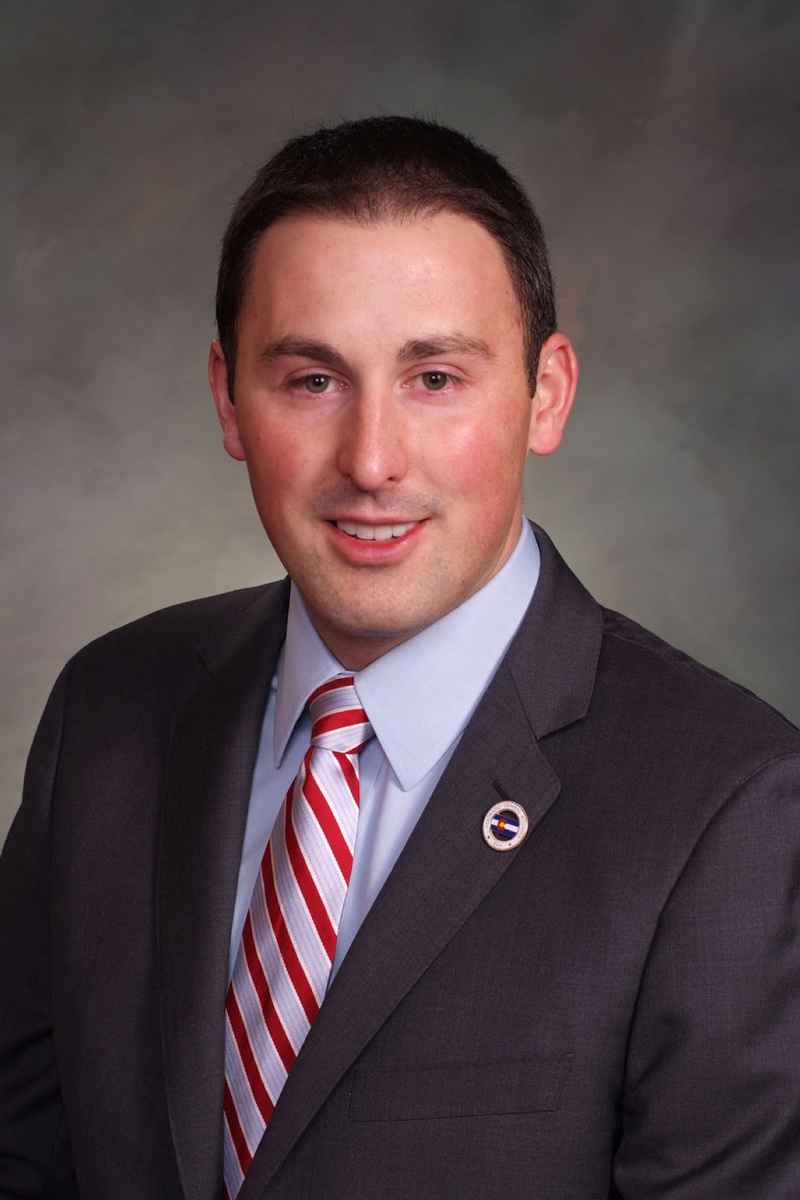
Dan Nordberg is a former Colorado State Representative and presidential appointee, serving as Regional Administrator for Region VIII and later as Director of the Office of Rural Affairs at the U.S. Small Business Administration.


The lie that persists five years later | SONDERMANN
Eric Sondermann
eric-sondermann@denvergazette.com
Updated 1 day ago
Some dates require no explanation. September 11. October 7. And to the subject of today’s column, January 6. Simply mention the calendar number and the images flood to mind, still vivid and raw. The fifth anniversary of that dark, dismal...

Eric Sondermann
Reporter

A year later, still no accountability in Jeffco schools | Sengenberger
Jimmy Sengenberger
jimmy-sengenberger@denvergazette.com
Updated 1 day ago
One year ago, Jefferson County Schools descended into turmoil after former Chief of Schools David Weiss was found dead by suicide amid a child pornography investigation conducted by the Jeffco Sheriff’s office. Weiss was fired two weeks earlier after a...

Jimmy Sengenberger
Reporter

Campbell was a unique political character
Rachel Gabel
rachel-gabel@denvergazette.com
Updated 4 days ago
There are many things to appreciate about the late Ben Nighthorse Campbell, but one of the items at the top of the list is his belief that it’s more important to kill bad bills than to sign onto a mediocre...

Rachel Gabel
Reporter
Are we all post-liberals now? | Luige del Puerto
Luige Del Puerto
luige.delpuerto@gazette.com
Updated 3 days ago
Three decades after the end of World War II, a Japanese soldier finally returned to his home country after holding out in the jungles of the Philippines. Cut off from his unit, Hiroo Onoda had no way of knowing that...

Luige Del Puerto
Reporter

Polis is a mixed bag on public ed | Jimmy Sengenberger
Jimmy Sengenberger
jimmy-sengenberger@denvergazette.com
Updated 2 days ago
Gov. Jared Polis deserves real credit for being the first Democrat to opt his state into the Trump administration’s federal school choice program. Even as activists in his own party howled in protest, Polis ignored the noise and chose what’s...
Jimmy Sengenberger
Reporter

PERSPECTIVE: Higher ed’s orthodoxy
Rob Natelson
rob-natelson@gazette.com
Updated 1 day ago
The Writing Center at Metropolitan State University of Denver (MSU-Denver) no longer teaches proper English to its students. The Center’s webpages — removed from public view shortly after being publicized by the Complete Colorado news service — claim that Standard...

Rob Natelson
Reporter

Colorado’s ski bums on strike vs. ‘Big Ski’ | CALDARA
Jon Caldara
jon-caldara@denvergazette.com
Updated 1 day ago
Hopefully, by the time you read this, the strike up at Telluride Ski Resort is over, ski patrollers are again joyfully sliding down mountains and getting paid for it, and tourists are once again being overcharged for… well, everything. But...

Jon Caldara
Reporter
Ben Nighthorse Campbell was a Colorado original | Vince Bzdek
Vince Bzdek
vince-bzdek@denvergazette.com
Updated 2 days ago
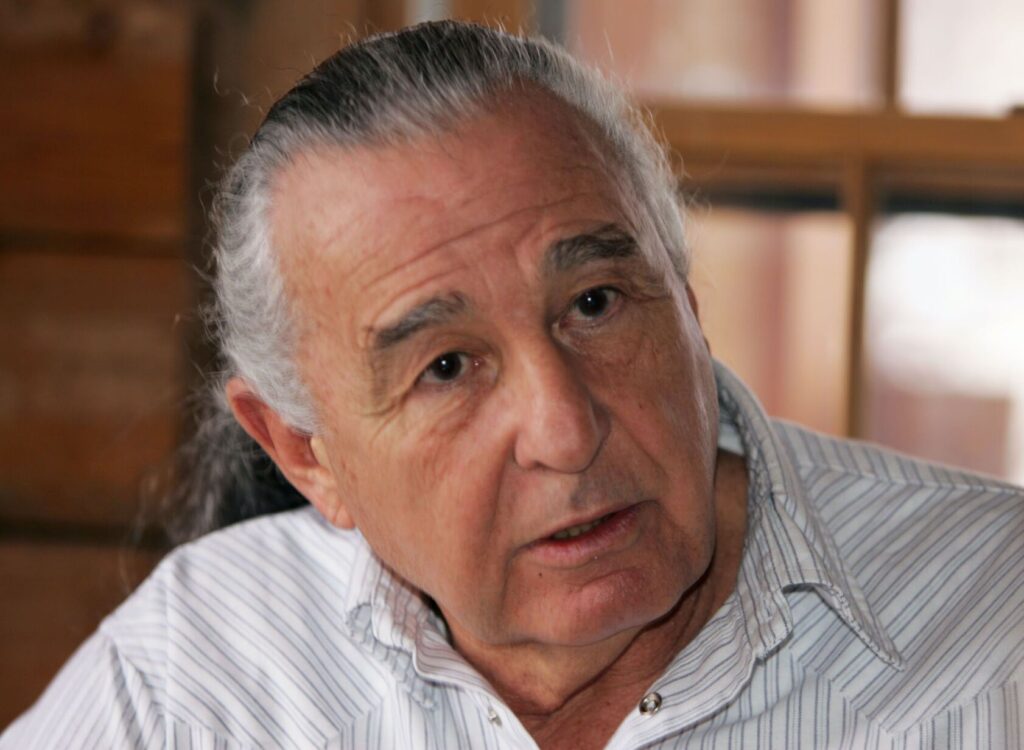
One day in 1982, Ben Nighthorse Campbell walked into a political caucus in Colorado to kill time after thunderstorms grounded his flight. He ended up volunteering to run for office that day and wound up serving two terms as a...

Vince Bzdek
Reporter

GUEST OPINION: Vaccines work and Colorado needs them for disease prevention
Brigitta Robinson
Brobinson@gmail.com
Updated 6 days ago
Vaccines are one of the most powerful public health tools we have. They protect individuals, families, and entire communities from diseases that once caused widespread illness and death. And yet, in Colorado and across the country, we are seeing preventable...

Brigitta Robinson
Reporter

“60 Minutes”: A study in journalistic bias
Mike Rosen
mike-rosen@denvergazette.com
Updated 1 week ago
A tautology is a needless repetition of an idea using different wording. For example: “Sooner or later the inevitable is bound to happen.” In this case, Bari Weiss is under fire from the stable of leftist so-called journalists at CBS’s...

Mike Rosen
Reporter
PREV
PREVIOUS

PERSPECTIVE: Higher ed's orthodoxy
The Writing Center at Metropolitan State University of Denver (MSU-Denver) no longer teaches proper English to its students. The Center’s webpages — removed from public view shortly after being publicized by the Complete Colorado news service — claim that Standard American English “privileges white communities and maintains social and racial hierarchies” and “privileges white populations […]

Are we all post-liberals now? | Luige del Puerto
Three decades after the end of World War II, a Japanese soldier finally returned to his home country after holding out in the jungles of the Philippines. Cut off from his unit, Hiroo Onoda had no way of knowing that Japan had surrendered. He did what he was trained to do – he kept fighting. […]