Trump: New Venezuelan leader will pay ‘bigger’ price than Maduro if she resists U.S.

President Donald Trump issued a major threat to Venezuelan Vice President Delcy Rodriguez, saying she would pay a “bigger” price than Venezuelan President Nicolas Maduro if she resisted the United States.
Rodriguez struck a defiant tone on Saturday after Trump suggested she would do America’s bidding, calling the abduction of Maduro “barbaric” and saying the country would never become a “colony” of the U.S.
“If she doesn’t do what’s right, she is going to pay a very big price, probably bigger than Maduro,” Trump told the Atlantic in an interview, referring to Rodriguez.
The president flirted with the prospect of regime change, arguing the situation is so bad that any change would be welcome.
“You know, rebuilding there and regime change, anything you want to call it, is better than what you have right now. Can’t get any worse,” Trump said.
His comments are a complete reversal from his statements the day before, when he suggested that Rodriguez is “essentially willing to do what we think is necessary to make Venezuela great again.”
“She said, ‘We’ll do whatever you need,’” Trump said of the de facto head of Venezuela. “I think she was quite gracious. But she really doesn’t have a choice.”
Rodriguez is a rare figure in the Venezuelan government with widespread respect, having stabilized the country’s oil industry during its unparalleled economic crisis. Washington’s comments implied that she would serve as a de facto puppet ruler, but, even if she’s sympathetic to such an arrangement, she must tread carefully so as not to anger the security establishment, which controls most levers of power.
The original contrast between Trump’s suggestion that she would advance American interests and Rodriguez’s own comments led some analysts to believe a backdoor deal had been cut and her harsh Saturday comments have been a means to placate the military and security establishment. Trump’s Sunday comments indicated that that might not be the case.
“If there is something the Venezuelan people will never be again, it is slaves, or the colony of an empire,” Rodriguez said on Saturday, declaring that Maduro is still the country’s leader. She also reiterated her demand for his release.

Large part of Maduro’s security team killed
Venezuela‘s defense minister revealed that U.S. Delta Force commandos killed a “large part” of Venezuelan President Nicolas Maduro’s security team during Operation Absolute Resolve.
Speaking to the public on television, Venezuela’s defense minister, Vladimir Padrino, denounced the operation that saw Venezuela’s head of state snatched from the country’s most fortified compound without the loss of any U.S. troops. In his address, he said the Venezuelan armed forces “firmly rejects the cowardly kidnapping” of Maduro and his wife after the “cold-blooded murder of a large part of his security team, soldiers and innocent civilians.”
Sources familiar with the operation speaking with the New York Times said the Delta Force commandos took three minutes to locate Maduro and his wife before they could barricade themselves in a fortified room. Padrino’s comments indicated that the capture involved a gunfight between the U.S. commandos and Maduro’s personal security team, during which most of the latter were killed at no cost to the former.
Also on Sunday, Secretary of State Marco Rubio revealed the extent of Cuban support for Maduro, saying that his entire personal security team was made up of Cubans, along with his security apparatus.
“His internal security apparatus is entirely controlled by Cubans. One of the untold stories here is how, in essence, you talk about colonization,” he said. “The ones who have sort of colonized, at least inside the regime, are Cubans.”
“It was Cubans that guarded Maduro. He was not guarded by Venezuelan bodyguards. He had Cuban bodyguards. In terms of their internal intelligence, who spies on who, inside to make sure there are no traitors — those are all Cubans,” Rubio added.
He said he wouldn’t reveal what the U.S. plans are for Cuba, but analysts have noted that the possible fall of the socialist government in Venezuela would cut off a key lifeline for Havana.
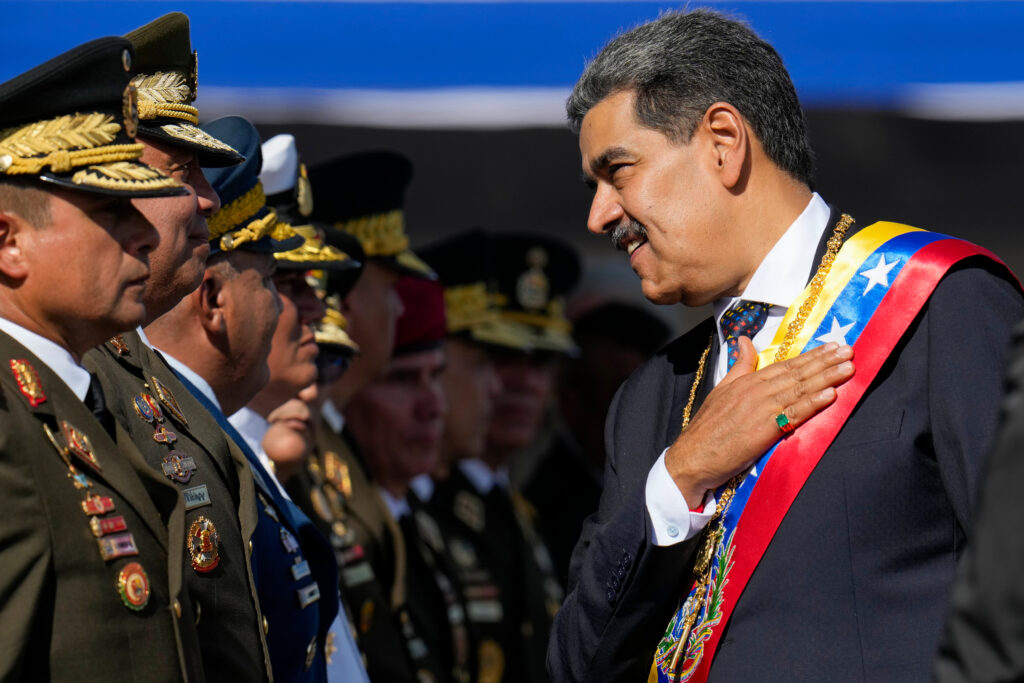
Sen. Cotton: U.S. military presence in Venezuela ‘always an option’
U.S. Senate Intelligence Committee Chairman Tom Cotton (R-AR) expressed some openness to the U.S. military having a presence in Venezuela following the ouster of its former president, saying there are “many American interests” in the South American country.
Trump said Saturday that the United States will “run” Venezuela following the capture of former President Nicolas Maduro, saying this will be done until “we can do a safe, proper, and judicious transition.”
Cotton said the U.S. military’s presence in Venezuela is “always an option.”
“We have many U.S. citizens and many American interests, and again, Venezuela owes many billions of dollars to American companies for their past seizure of American property in that country,” Cotton said on CNN’s State of the Union.
Maduro’s case will revive legal debate over immunity
When Maduro makes his first appearance in a New York courtroom Monday to face U.S. drug charges, he will likely follow the path taken by another Latin American strongman toppled by U.S. forces: Panama’s Manuel Noriega.
Maduro was captured Saturday, 36 years to the day after Noriega was removed by American forces. And as was the case with the Panamanian leader, lawyers for Maduro are expected to contest the legality of his arrest, arguing that he is immune from prosecution as a sovereign head of foreign state, which is a bedrock principle of international and U.S. law.
It’s an argument that is unlikely to succeed and was largely settled as a matter of law in Noriega’s trial, legal experts said. Although Trump’s ordering of the operation in Venezuela raises constitutional concerns because it wasn’t authorized by Congress, now that Maduro is in the U.S., courts will likely bless his prosecution because, like Noriega, the U.S. doesn’t recognize him as Venezuela’s legitimate leader.
“There’s no claim to sovereign immunity if we don’t recognize him as head of state,” said Dick Gregorie, a retired federal prosecutor who indicted Noriega and later went on to investigate corruption inside Maduro’s government. “Several U.S. administrations, both Republican and Democrat, have called his election fraudulent and withheld U.S. recognition. Sadly, for Maduro, it means he’s stuck with it.”
Noriega died in 2017 after nearly three decades in prison, first in the U.S., then France and finally Panama. In his first trial, his lawyers argued that his arrest as a result of a U.S. invasion was so “shocking to the conscience” that it rendered the government’s case an illegal violation of his due process rights.

Next move: Rubio says Cuba ‘in a lot of trouble’
Asher Notheis
asher-notheis@denvergazette.com
Updated 15 hours ago
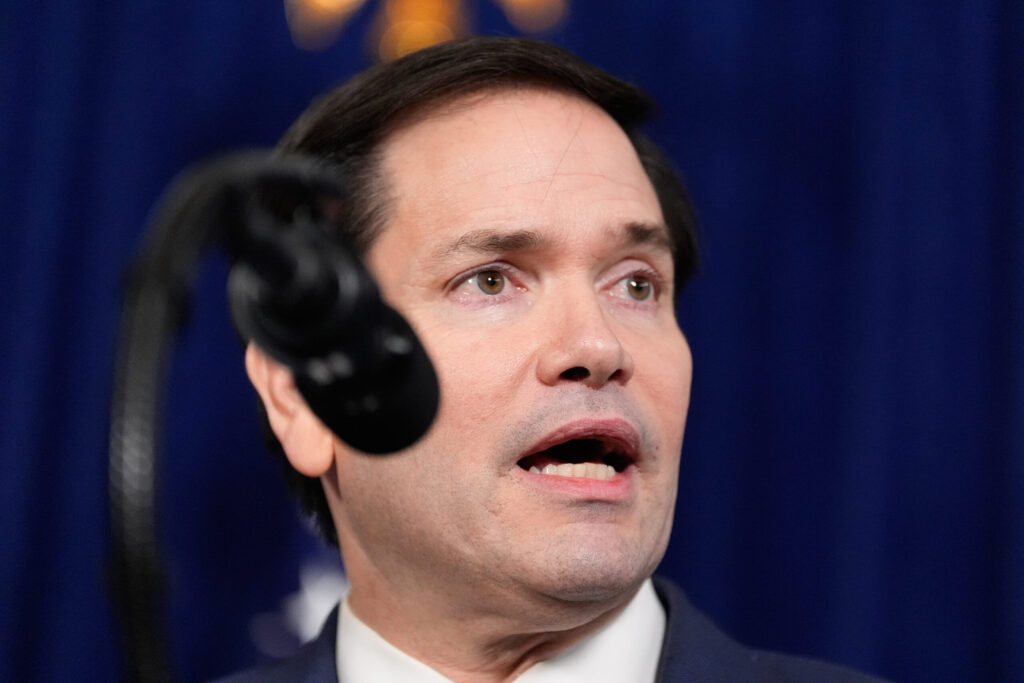
U.S. Secretary of State Marco Rubio didn’t divulge details on what the future holds for Cuba after the United States captured former Venezuelan President Nicolas Maduro, only saying the Trump administration isn’t “big fans” of Cuba’s regime. Rubio dismissed the idea of the U.S. being at...

Asher Notheis
Reporter
Greene’s constituents don’t agree on whether it was worth it
Wire Services
wire-services@denvergazette.com
Updated 19 hours ago
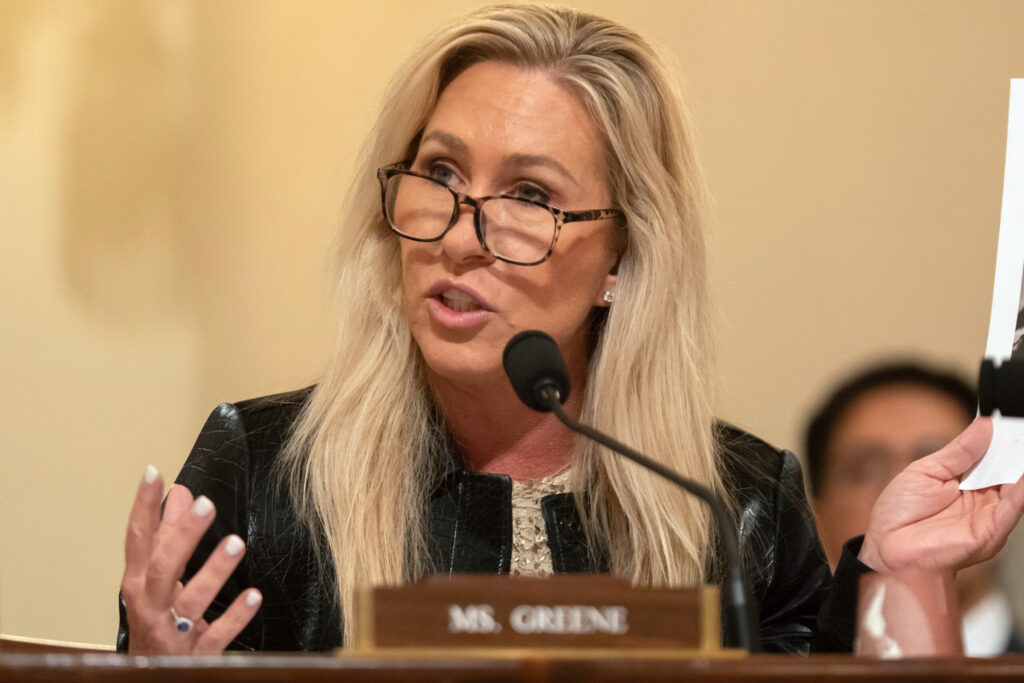
The Denver Gazette wires services DALTON, Ga. — President Donald Trump says Rep. Marjorie Taylor Greene is a traitor. But for Jackie Harling, who chairs the local Republican Party in Greene’s northwestern corner of Georgia, she’s still “mama bear.” “Every...

Wire Services
Reporter
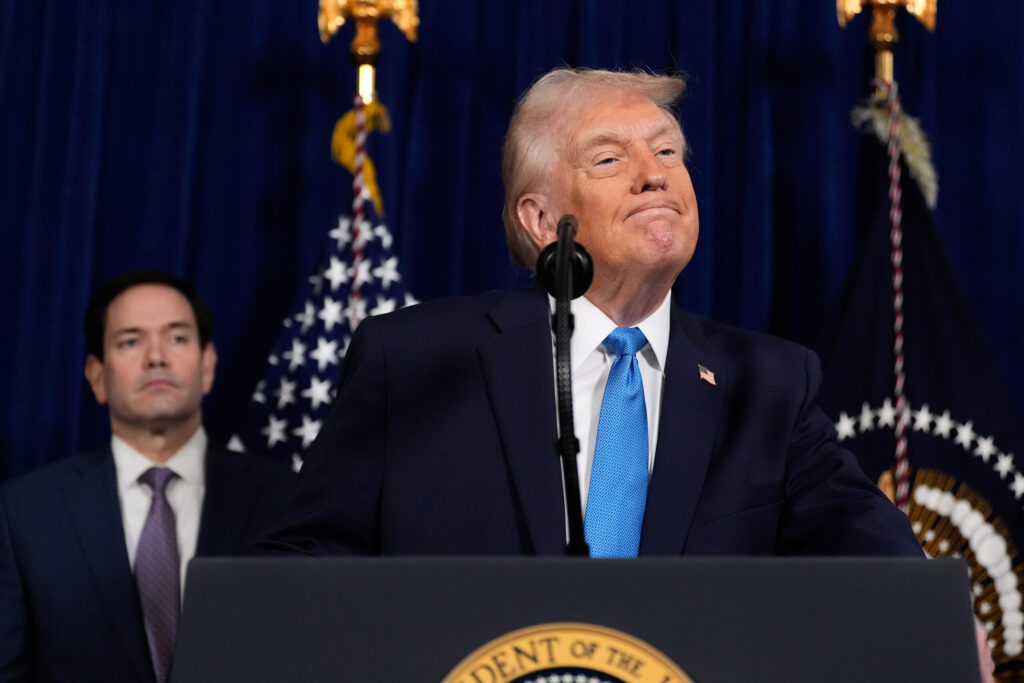
U.S. intervention in Venezuela may test Trump’s ability to hold GOP together
Wire Services
wire-services@denvergazette.com
Updated 19 hours ago
The Denver Gazette wire services WASHINGTON — President Donald Trump’s military intervention in Venezuela will pose a fresh test of his ability to hold together a restive Republican coalition during a challenging election year. While most Republicans lined up behind...
Wire Services
Reporter
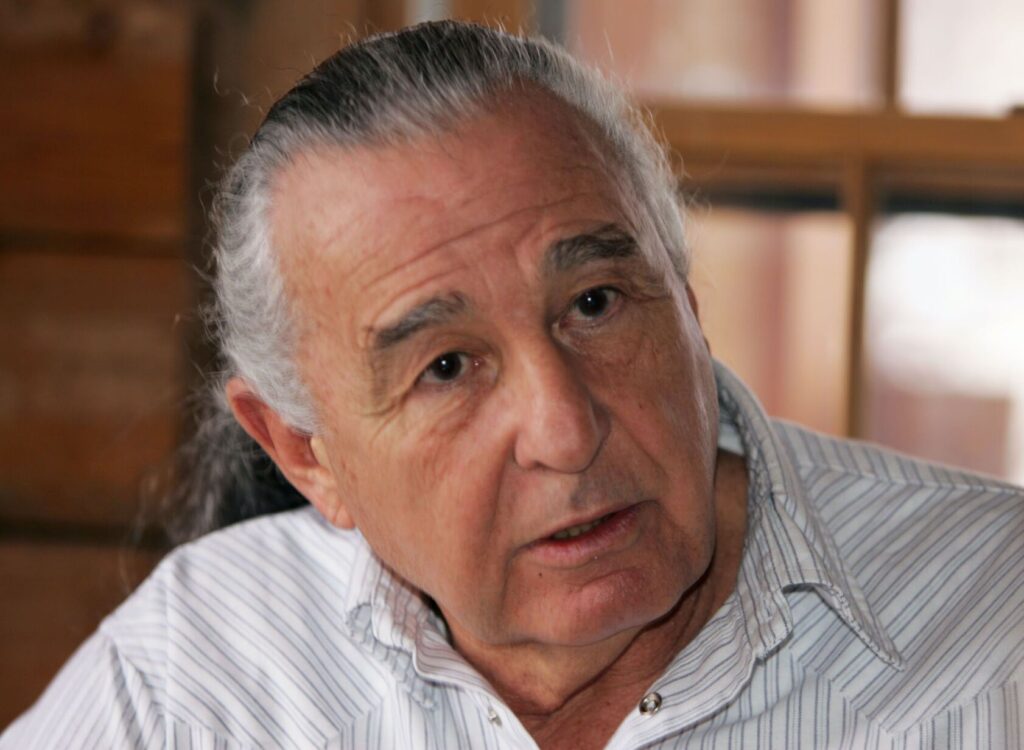
Ben Nighthorse Campbell was a Colorado original | Vince Bzdek
Vince Bzdek
vince-bzdek@denvergazette.com
Updated 23 hours ago
One day in 1982, Ben Nighthorse Campbell walked into a political caucus in Colorado to kill time after thunderstorms grounded his flight. He ended up volunteering to run for office that day and wound up serving two terms as a...

Vince Bzdek
Reporter

Former U.S. Sen. Ben Nighthorse Campbell of Colorado dies at 92
The Associated Press
the-associated-press@denvergazette.com
Updated 5 days ago
DENVER — Ben Nighthorse Campbell, the former senator and U.S. representative of Colorado known for his passionate advocacy of Native American issues, died Tuesday. He was 92. Campbell died of natural causes surrounded by his family, his daughter, Shanan Campbell,...

The Associated Press
Reporter
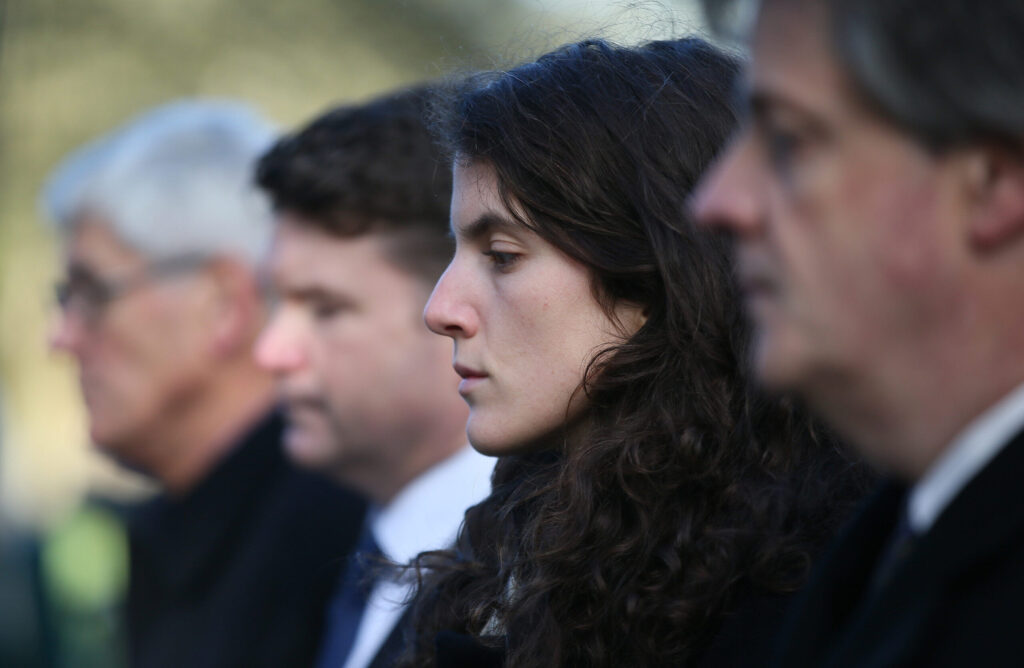
Tatiana Schlossberg, the granddaughter of the late President John F. Kennedy, has died at 35
The Associated Press
the-associated-press@denvergazette.com
Updated 6 days ago
BOSTON — Environmental journalist Tatiana Schlossberg, the granddaughter of the late President John F. Kennedy, has died. She was 35. Schlossberg, the daughter of Kennedy’s daughter, Caroline Kennedy, and Edwin Schlossberg, revealed she had terminal cancer in a November 2025...
The Associated Press
Reporter
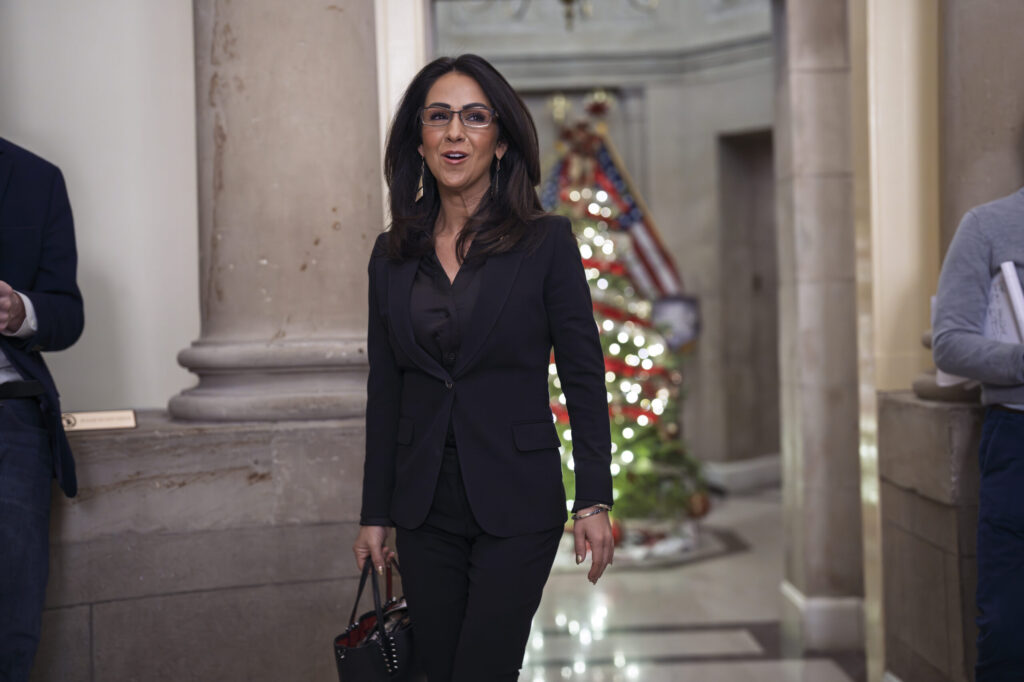
U.S. Rep. Lauren Boebert: On representing Colorado, working with Trump and releasing the Epstein files
Thelma Grimes
thelma.grimes@coloradopolitics.com
Updated 24 hours ago
For years, U.S. Rep. Lauren Boebert’s name has become a shorthand for controversy in her home state and in the nation’s capital. Recently, the outspoken Colorado Republican has drawn rare praise from some of her fiercest critics, particularly after breaking...

Thelma Grimes
Reporter