








Are we all post-liberals now? | Luige del Puerto
Three decades after the end of World War II, a Japanese soldier finally returned to his home country after holding out in the jungles of the Philippines.
Cut off from his unit, Hiroo Onoda had no way of knowing that Japan had surrendered. He did what he was trained to do – he kept fighting. To stave off hunger, he stole food and killed animals. The days turned to months, which turned to years – he was stuck fighting a war the world had moved on from.

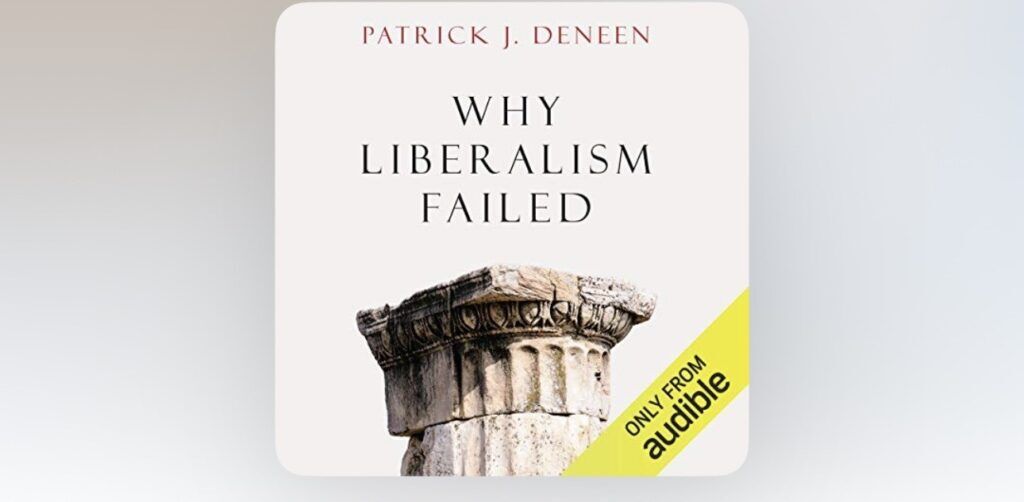
In Patrick Deneen’s retelling, today’s champions of liberalism have embraced the same path as Onoda, fighting for a lost cause. To Deneen, a political theorist out of the University of Notre Dame, the main difference is that while Onodo didn’t know the war had ended, the signs of liberalism’s demise are all too apparent, though its defenders either refuse to acknowledge it or still hope they can salvage it.
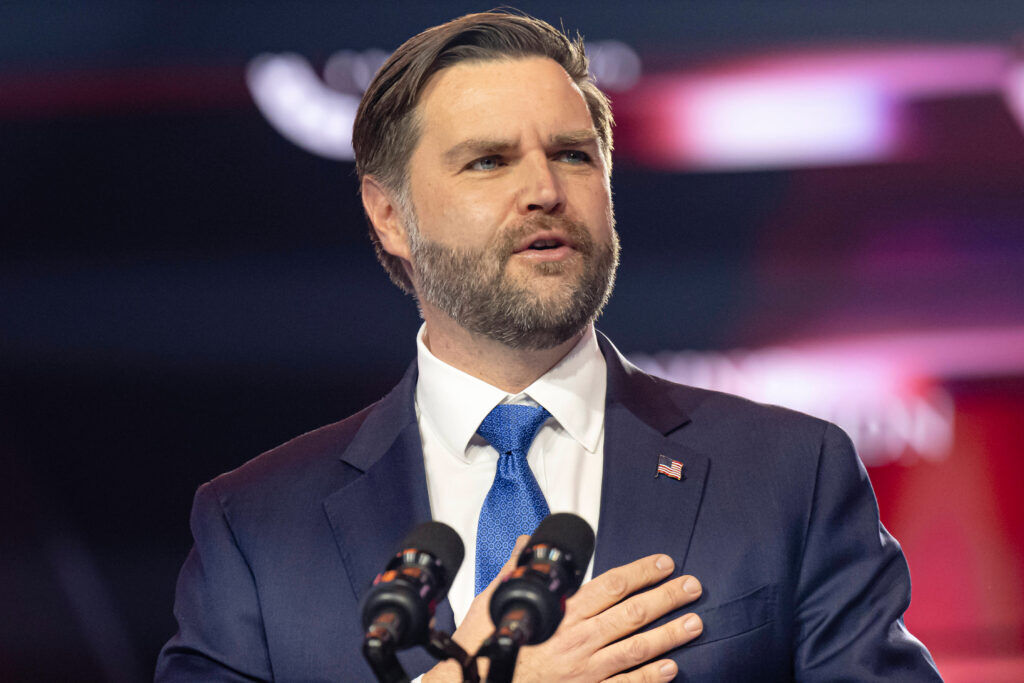
Deneen’s diagnosis has been gaining currency among conservatives, including Vice President JD Vance. On the left, former President Barack Obama recommended Deneen’s “Why Liberalism Failed” on his reading list.
Donald Trump’s victory in 2016 – and then again in 2024 – confirmed for Deneen that America is now living in a post-liberal society.
The populace has rejected the laissez-faire economics of conservatives and the social progress agenda of progressives – core tenets of the liberal project. The former is represented by the free-trade, free-market orthodoxy that dominated America and the developed world after the end of World War II. The latter is manifested by the push to redefine longstanding biological parameters: One’s identity, once rigid and defined, is now malleable, the realization of man’s final “mastery” over nature under liberalism’s incessant march forward.
Outside of the United States, Deneen says, a similar movement is gaining hold in Europe, with Brexit shaking the status quo.
Here’s his thesis: Liberalism triumphed against fascism and communism, though the latter’s carcass still emits somnambulant fumes in a few societies. Indeed, everybody acknowledges, even among the Marxist types, that those few communist societies are an aberration from the liberal norm practiced elsewhere in the world.
And because it has succeeded, liberalism has now failed.
It’s classic Hegelian dialectic. Thesis, antithesis, synthesis. Liberalism revolted against the old order of tradition in favor of progress – to be fully realized in the free market and human mastery over nature.
Liberalism – properly understood, according to Deneen – is the ever-expanding pursuit of individual rights, and, in that regard, today’s progressive and conservative thoughts are not antagonistic expressions but are complementary strands of the same ideology.
Central to Deneen’s diagnosis is that conservatives and progressives have, in fact, been working toward liberalism’s goal of economic and social progress, though they emphasized one or the other expression of the liberal project.
Liberalism’s death by its own hands, according to Deneen, came about because while classical liberalism drew upon a deep well of tradition – practiced by a virtuous society held together by religion, family and community – that water has now run dry.
Outside of the law, or more precisely co-existing with the law, these institutions once supplied culture and, thereby, stability, serving as a check to people’s worst impulses. They placed parameters around behavior, enforced by habits – by culture. The constant attack by liberalism against these institutions has now thoroughly weakened, if not completely dismantled, them.
At long last, tradition’s nourishment, which preserved the common good that kept society functioning, despite liberalism’s incessant fusillades, can no longer be drawn upon.
Deneen argues that the triumph of liberalism spawned the seeds of its own destruction: The conservative end of that expression has meant the rapacious consumption of nature, with little regard for the environment; the progressive expression has meant, among many things, unmoored social progress – such as the insistence that men can become women and abortion on demand.
To Deneen, the religious guardrails – against divorce, out-of-wedlock pregnancies, and the like that liberalism brands as patriarchal and archaic and anti-freedom – in fact, advantaged the poor, precisely because instability is terrible for the masses, though it may be good for the elite.
Today, the poor are plagued by deaths of despair, opioid addiction, and failed marriages, which are terrible for children. All the while, the poor are blamed for failing to fully participate in the economic offerings of liberalism, expressed in a globalized economy. Today’s elite, according to Deneen, spit upon the faces of the poor, just as they did hundreds of years ago.
And here’s the paradox of liberalism, according to Deenen. The pursuit of individual rights via the altar of free market choices and social progress needs to be continually guaranteed by the state. That, in turn, means passing more laws. To guarantee the expansion of individual rights, the state must keep accruing power.
What liberalism also created is a society of the comfortable elite – he called it elitism by “credentialing,” notably achieved by a college degree – and of the disenfranchised many.
Ultimately, Deneen argues, liberalism has brought society back to the underlying division that so many philosophers have tried to remedy – the division between the few and the many.
Despite all the promise of liberation, liberalism merely reproduced the classic divisions between the poor and the wealthy, he says.
A unifying theory, such as the one Deenen proposes, offers a diagnosis for the present and a prognosis – or at least a prediction – of the future. And his prediction is grim. That gap has so widened in today’s America that the populace – the demos – is revolting, according to Deneen. Today, American society faces the specter of populism or, worse, a civil war, whether that’s hot or cold, unless this march can be arrested.
Assuming one accepts his thesis, it offers a cogent explanation for the policies being pursued locally and nationally. In Colorado, that liberal project is expressed, on the left of the spectrum, in proposals to ultimately bar the “deadnaming” or “misgendering” of transgender people. On the right, broadly speaking, it means the instinctual rejection of more business regulations.
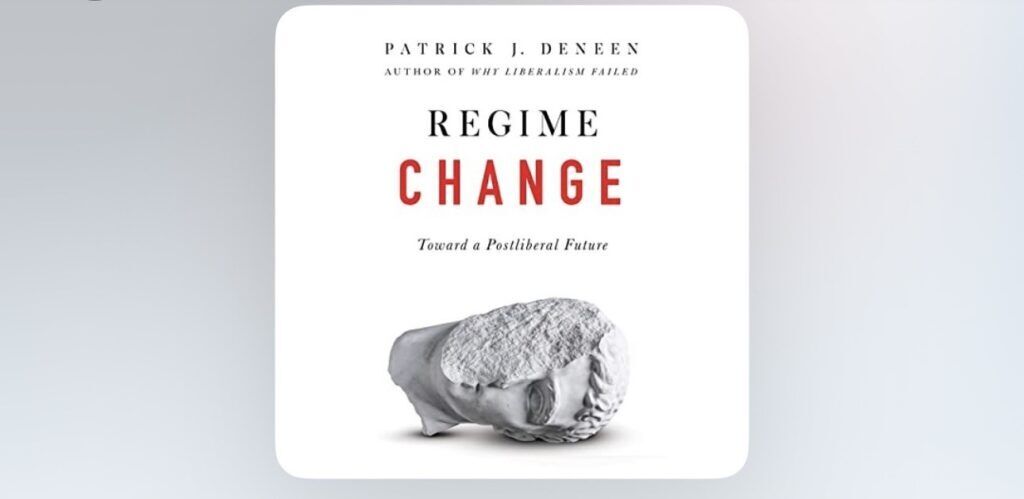
In a podcast, Deneen said many view the 1950s with nostalgia – because it offered strong unions, a job that came with a great sense of security for the worker and his family, and a cohesive community. People were expected to go to church on Sunday and get married before having children. He emphasized that he’s not arguing to “go back” to the 1950s – only to remind America that there was a time in its history when it was a virtuous society, and it is possible yet to reclaim some of that – which he explored in more detail in his next book, “Regime Change.”
Among Deneen’s critics, many argue that he has downplayed liberalism’s achievements – more notably that it is the only system that has produced the wealth and prosperity so many enjoy. They also argue that he has portrayed liberalism as a totalizing ideology.
Bret Stephens, a New York Times columnist, said the problem in today’s America is that illiberalism is advancing, both on the left and the right – precisely the opposite of Deneen’s argument.
Stephens said liberalism, like any other system, exacts costs because, under it, individuals are allowed to make choices and they don’t always make good ones. But they also make good choices and the sum of those choices have produced economically prosperous societies that people want to live in.
What struck me about Deneen’s diagnosis is its pessimism of the American polity. Deenen sees a decadent society, where the fortunes of the many are in decline and insecurity permeates the body politic, while the globalist elite clings to its enclaves, isolated – literally and figuratively – from the woes that plague the public.
His theory is also deterministic, just as Hegelian dialectic is. It posits a predetermined historical path – out of liberalism, something new will emerge. He doesn’t permit an alternative prediction – notably that perhaps liberalism will find another well to draw from.
Deneen borrows from Marxist framing – dissatisfaction by the insecure many, domination by an out-of-touch few – because he fundamentally views Marxism as just another strand of liberalism or at least striving for the same goal of human progress, except, of course, that communism seeks progress via the triumph of the working class and it is revolutionary – immediate, abrupt – in its aims.
The question, ultimately, is whether Deenen’s diagnosis is true. Is America in decline? Is American society so decadent that it cannot be cured, only replaced? Is America headed down the path of populism or, more dangerously, a civil war?
If so, then the familiar pontifications by the left and the right completely miss the point. They are fighting over how to arrange the chairs on the deck of the Titanic.

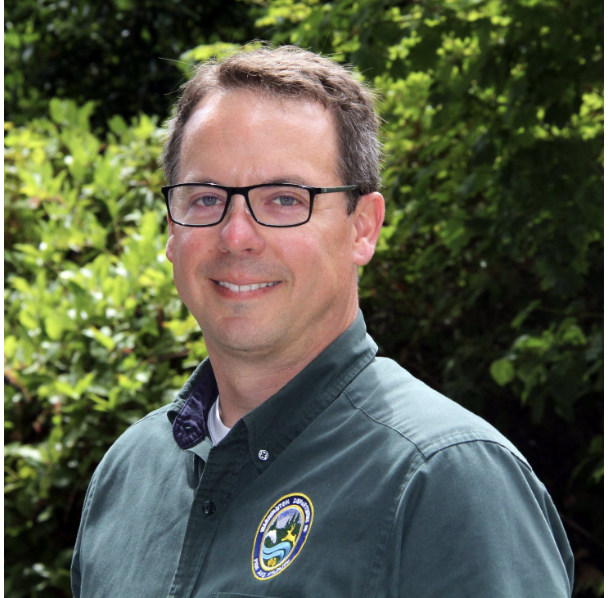
Former Colorado wildlife director heads to Wyoming
Marianne Goodland
marianne-goodland@denvergazette.com
Updated 50 minutes ago
Jeff Davis, the former director of Colorado Parks and Wildlife who oversaw the introduction of wolves in Colorado, is headed to Wyoming, where he will take on a new job as deputy director for that state’s game and fish agency....

Marianne Goodland
Reporter
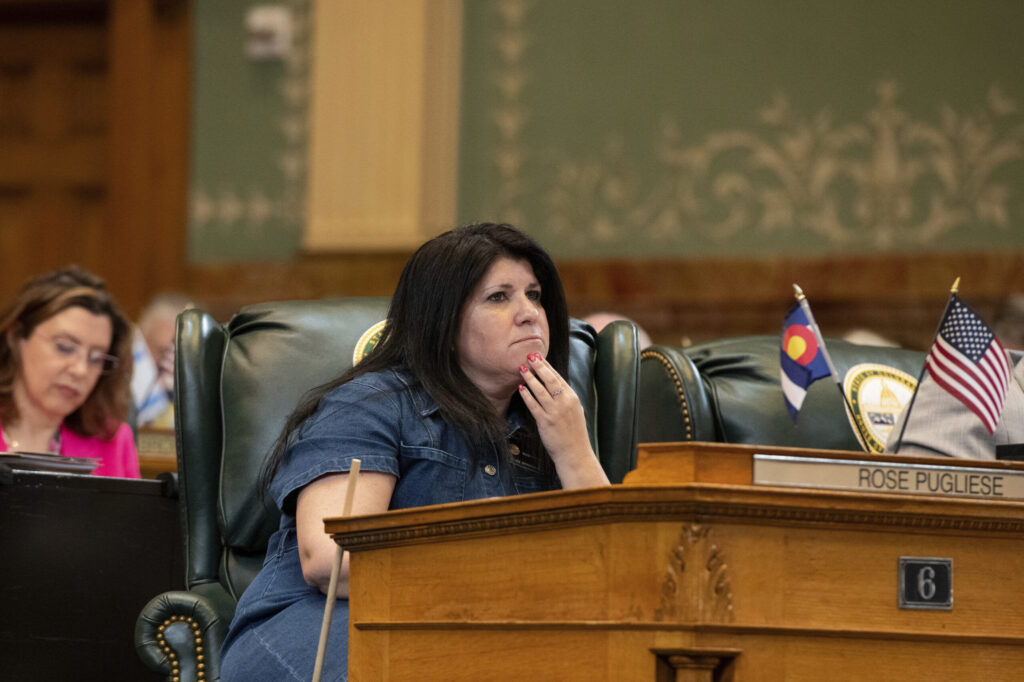
Former Rep. Rose Pugliese vies for Mesa County Treasurer
Marianne Goodland
marianne-goodland@denvergazette.com
Updated 2 hours ago
Former Republican Leader Rose Pugliese has jumped into the 2026 primary for Mesa County Treasurer. Pugliese moved to Grand Junction after resigning from the Colorado House in September, citing a “collapse of integrity” within the Colorado House. She previously served...
Marianne Goodland
Reporter
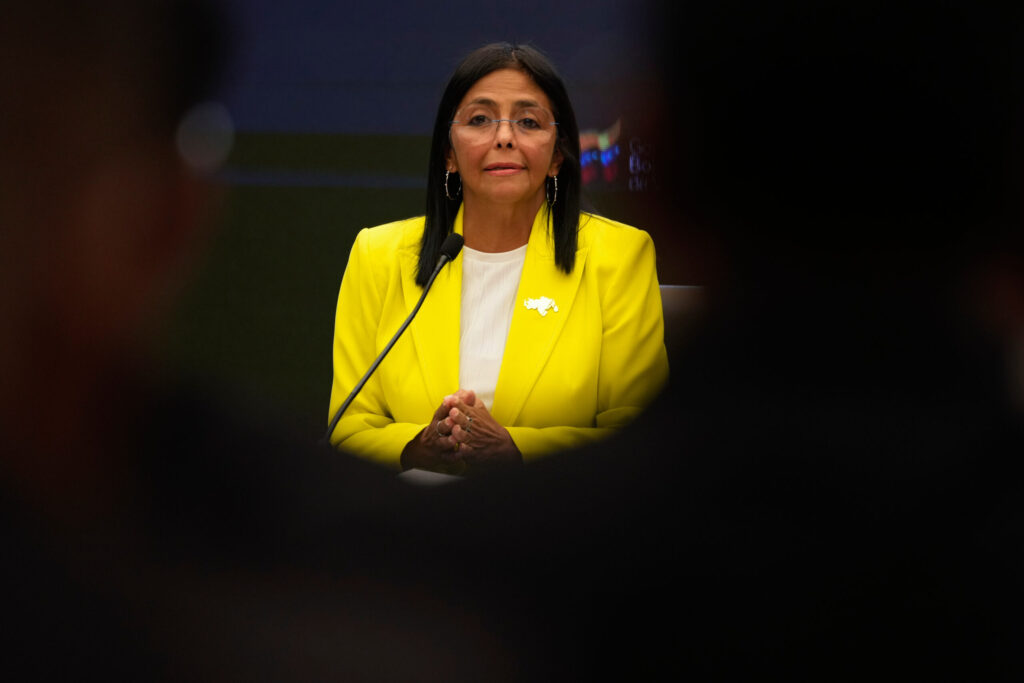
Progress in Venezuela unclear as new leader orders crackdown on opposition to Maduro
Mary Shinn
mary-shinn@denvergazette.com
Updated 3 hours ago
In the wake of the U.S. special operations mission that removed Venezuelan President Nicolas Maduro from power Saturday, the newly minted leader of the country, Delcy Rodriguez, ordered a crackdown on any opposition to Maduro while facing pressure to work...

Mary Shinn
Reporter

A new year, and metro housing market continues to lose a little steam
Mark Samuelson
mark-samuelson@denvergazette.com
Updated 2 hours ago
As Denver real estate agents begin working a new year’s market, data from late 2025 show a continued pattern of slightly declining prices, slightly increased inventory, and a little more time required for home listings to sell. But agents are...

Mark Samuelson
Reporter
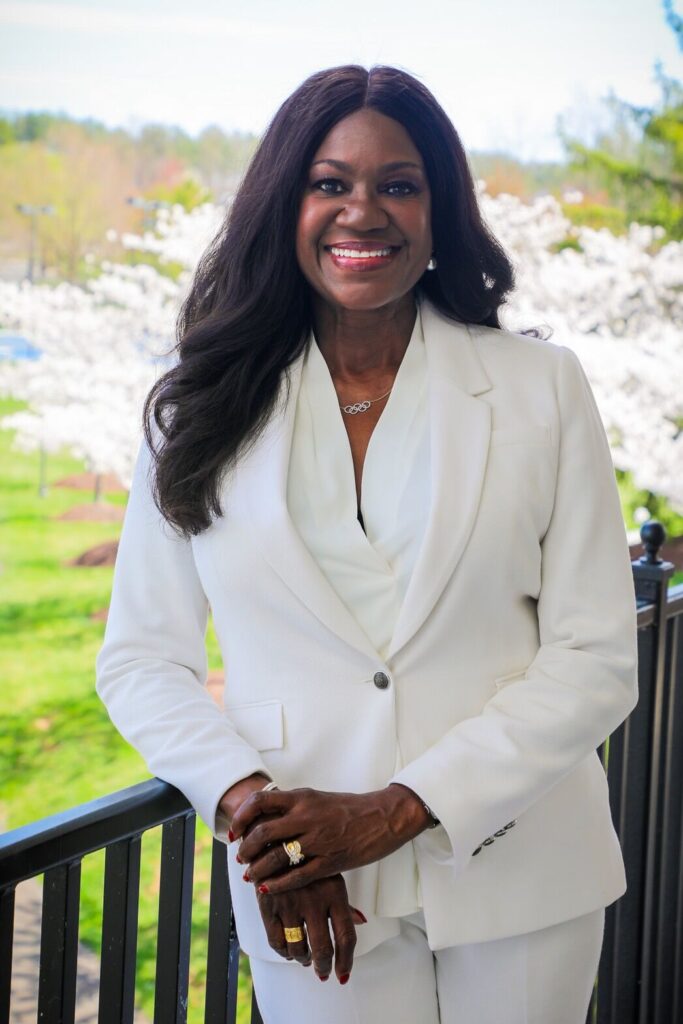
SafeSport names Mosley new CEO amid national scrutiny
O'Dell Isaac
odell-isaac@denvergazette.com
Updated 4 hours ago
The U.S. Center for SafeSport, an independent watchdog organization dedicated to combating physical, sexual and emotional abuse in amateur sports, has named Olympic gold medalist Benita Fitzgerald Mosley as its new CEO, according to a Tuesday news release. Mosley, a...

O'Dell Isaac
Reporter
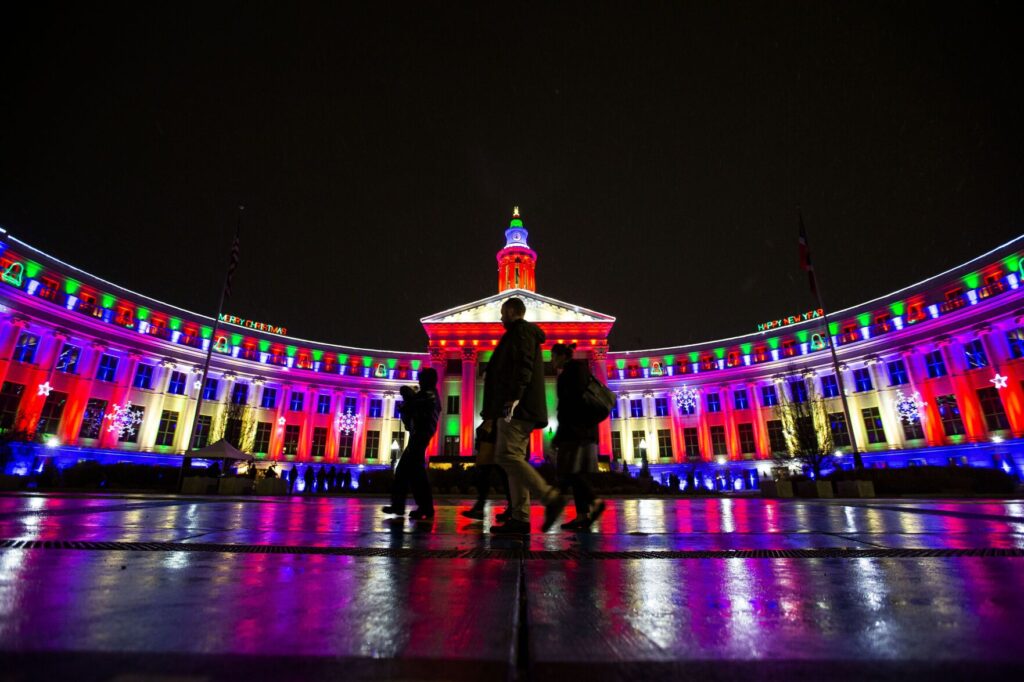
Denver advances bill to dissolve Office of Special Events
Deborah Grigsby
deborah.smith@denvergazette.com
Updated 5 hours ago
A plan to consolidate the city’s Office of Special Events into Denver Arts and Venues will be advanced to the City Council for consideration. Members of the Parks, Art and Culture Committee approved a proposed bill on Tuesday that would...

Deborah Grigsby
Reporter

Aurora Immigrant Affairs Office to host Hispanic-focused business conference
Kyla Pearce
kyla-pearce@denvergazette.com
Updated 5 hours ago
The city of Aurora’s Office of International and Immigrant Affairs is hosting the city’s first Hispanic-focused business conference Saturday. The conference, called “Innovation Unlimited 2026,” will take place from 8:30 a.m. to 3 p.m. on Jan. 10 at the Aurora...

Kyla Pearce
Reporter

Report: 57 Colorado counties don’t meet herd immunity threshold for measles
Sage Kelley
sage-kelley@denvergazette.com
Updated 4 hours ago
Colorado measles vaccination rates are falling behind other states, leading to a lower herd immunity among children. A recent data analysis by The Washington Post found that Colorado has an 88% herd immunity status regarding the measles-mumps-rubella (MMR) vaccine between 2023...

Sage Kelley
Reporter
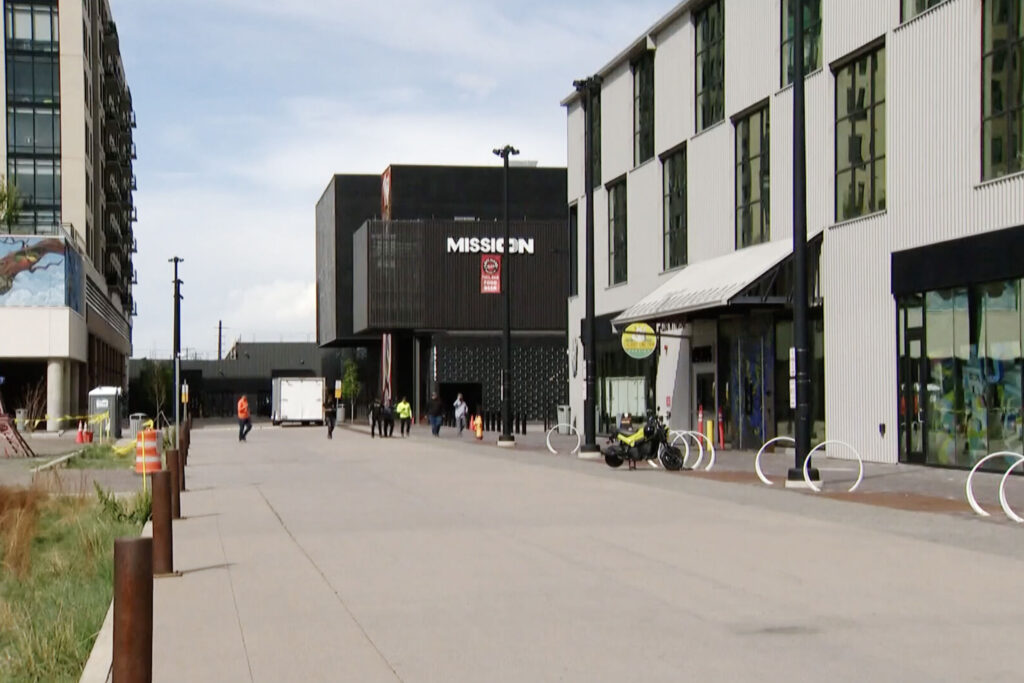
Mission Ballroom plaza to get Denver’s first alcohol license for common consumption
Bernadette Berdychowski
bernadette.berdychowski@denvergazette.com
Updated 4 hours ago
Guests will soon be able to drink at the outdoor plaza next to Mission Ballroom. The Denver City Council approved a bill in a block vote to designate the area around the concert venue as the North Wynkoop Entertainment District,...

Bernadette Berdychowski
Reporter

Primary challenges surge as Colorado lawmakers head into 2026 election cycle
Marianne Goodland
marianne-goodland@denvergazette.com
Updated 6 hours ago
As the 2026 election cycle begins, an unusually large number of Colorado lawmakers — many appointed through the vacancy process — are facing primary challenges that reflect deepening divisions within both major parties. But it isn’t only open seats that...
Marianne Goodland
Reporter
PREV
PREVIOUS

Denver area events for Jan. 5
If you have an event taking place in the Denver area, email information to carlotta.olson@gazette.com at least two weeks in advance. All events are listed in the calendar on space availability. Monday Denver Cocktails Tour — 4:30-6:30 p.m., Denver, $79-$85. Registration required: deliciousdenverfoodtours.com. Sipping N’ Painting Hampden — “First Snow,” 6:30-8:30 p.m., Sipping N’ Painting Hampden, 6461 […]
Denver weather: Sunny skies, temperatures in the 60s Monday, but snow is on the horizon
Monday’s weather around metro Denver will continue to be above seasonal averages as high temps climb above 60 degrees again, however, a change to much cooler weather later in the week is coming. Denver residents can expect sunny skies, with a high near 62, according to the National Weather Service in Boulder. Breezy conditions will […]