








Former chief traffic engineer says DOTI was right to scale back Alameda ‘road diet’ plan
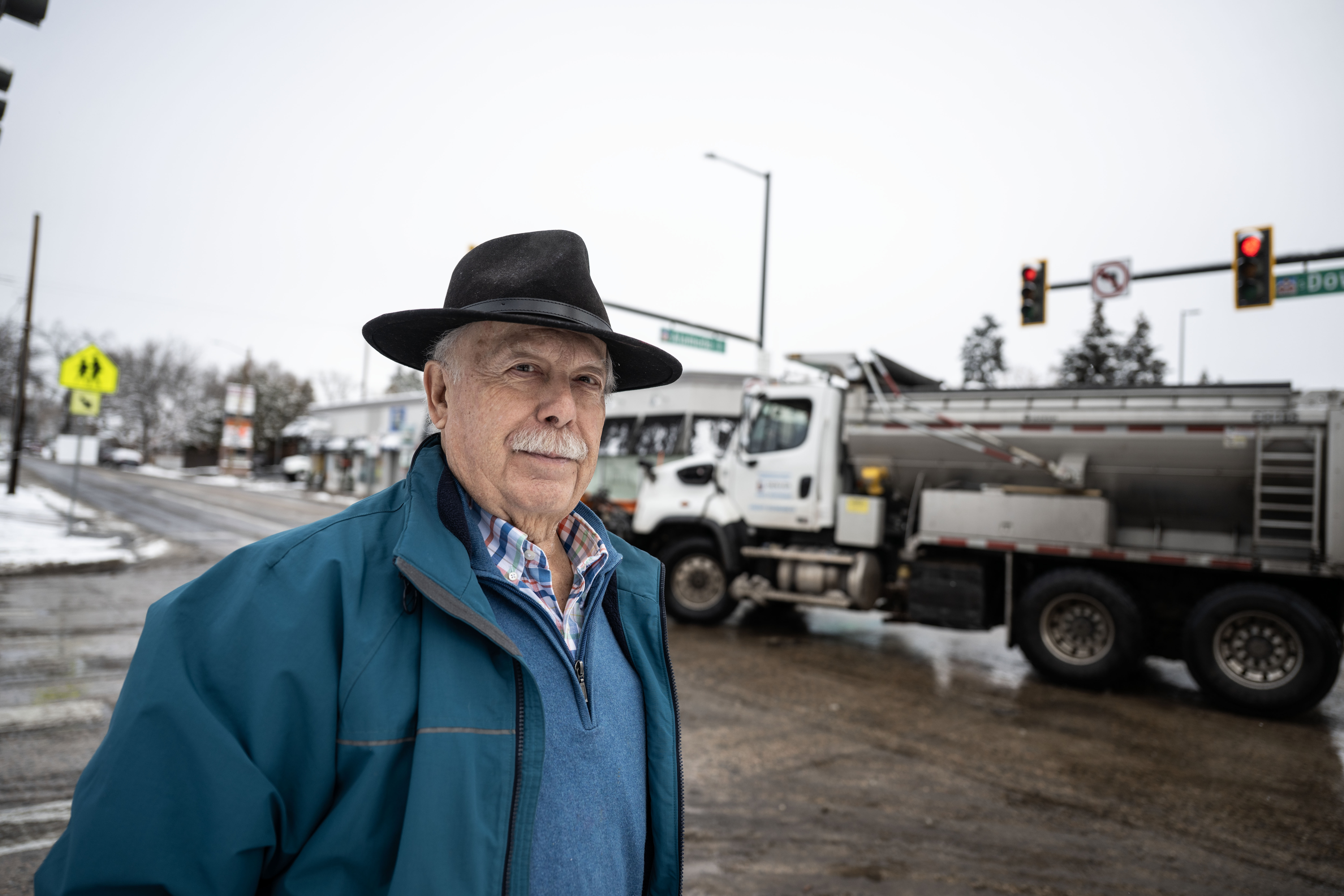
Was the city right to back off on its plan to narrow Denver’s busy East Alameda Avenue from four lanes of traffic to just two lanes — settling instead on a plan that eliminates a single lane and leaves two eastbound traffic lanes intact?
Absolutely, said former Denver Chief Traffic Engineer Dennis Royer.
Royer, who is now retired, reached out to a neighborhood group that opposed the city’s “road diet” plan.
“This was tried over 10 years ago and was a massive failure,” Royer told The Denver Gazette recently.
“It did exactly what the neighbors are worried about now, which is rerouting traffic into the neighborhood,” he added.
REROUTING TRAFFIC
Denver’s Department of Transportation and Infrastructure is back in the headlines after a second group that supports the original, more restrictive lane closure charged that the city, including Mayor Mike Johnston, ignored safety considerations in the redesign, caving to pressure from the opposition.
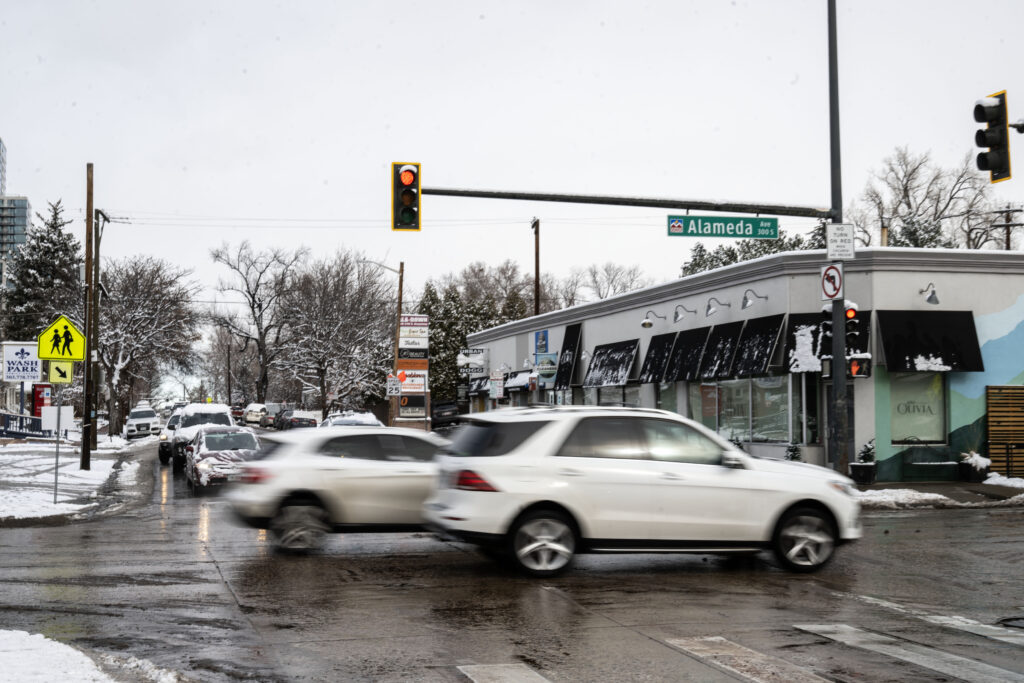
The city’s original “lane repurposing project” along Alameda would have cut the speed limit from 30 miles per hour to 25, while narrowing a 12-block stretch from South Logan Street east to South Franklin Street from four lanes of traffic to two. The repurposed lanes would be used for dedicated left-turn lanes, where drivers could make safer left turns, without feeling pressure from backed-up traffic.
After plans were announced, the group Action for Alameda sought to counter the proposal, arguing that the action would cause backed-up traffic to spill into the adjoining neighborhoods.
The plan could “create substantial and lasting negative impacts on traffic safety, neighborhood livability, and the vitality of local businesses,” the group wrote to Johnston.
Some 800 co-signers signed the letter, according to supporters.
In November, DOTI announced a compromise plan that would leave two lanes of Alameda’s eastbound traffic intact, while narrowing westbound traffic for a 1-mile expanse from South Humboldt Street to South Pearl Street to a single lane, still providing left-turn lanes that would feed into streets south of the avenue.
Opponents of the plan hailed the compromise. But the revision drew quick opposition from the West Washington Park Neighborhood Association, which charged that the city had compromised safety under pressure.
Among those opposed to the original plan was Jill Anschutz, who lives near the project site and helped to organize a petition opposing the original design. The Denver Gazette’s parent company, Clarity Media Group, is a wholly owned subsidiary of The Anschutz Corporation.
In another development, eight Denver councilmembers wrote Johnston and DOTI Executive Director Amy Ford, calling the original, more restrictive plan “community-vetted” and “evidence-based.”
The plan, they continued, was “designed to reduce deaths and injuries, and was supported by a clear majority of nearby residents.”
MAYOR SUPPORTS COMPROMISE PLAN
Jon Ewing, the mayor’s spokesperson, wrote The Denver Gazette, refuting the charge that the city’s top political leader had been influenced in changing the plan.
“Mayor Johnston was not involved in conversations regarding the Alameda project,” Ewing wrote.
“However, we are supportive of DOTI’s efforts to better protect pedestrians, cyclists, and drivers on Alameda without the unintentional effect of new and significant safety issues on side streets,” the mayor’s office said.
“Lost in this conversation is that this is a compromise in the truest sense of the word,” Ewing said. “It satisfies requests on both sides without giving either entirely what they asked for. DOTI has explained its reasoning in exacting detail, and we are confident this direction is in the city’s best interest.”
Ford of DOTI also responded to the allegations, writing the councilmembers that community response to the project, when it was introduced in 2024, had been mixed, “with half of the community supporting the project and the other half sharing concerns about the project’s impacts.”
As a community debate continued into last summer, Ford wrote, DOTI reviewed the plan.
“We have a strong history of incorporating public input into our projects,” Ford continued, citing a similar process in a number of neighborhood projects.
She denied an organization’s allegation that DOTI had instructed a traffic engineer not to reanalyze crash risks that might result from revisions to the project.
“We are committed to continuing that public engagement and will conduct an additional safety review and analysis as we progress design on the project,” Ford added.
All sides of the issue — neighbors who support or oppose the full two-lane closure, as well as city officials — each said that safety is their primary focus in the controversy.
The former chief traffic engineer, however, said neither the original nor the compromise solves the ongoing problems on what forms one of only a few east-west connections through the heart of the city.
“Find me another east-west thoroughfare you can drive on,” Royer told The Denver Gazette.
Royer added that he served 15 years as the city’s chief traffic engineer and headed traffic and public works for the city of Boston for another four years.
“This area is devoid of traffic capacity,” Royer continued. “They’re just chasing traffic off the arterials.
“The compromise Ford negotiated is a good proposal. In this segment, you really need two eastbound lanes. You at least have a left-turn lane that allows cars to pull out of traffic and gives a refuge for pedestrians halfway across.”
Royer is critical of the entire recent direction that DOTI has taken when it comes to street infrastructure, including the deployment of bike lanes and dedicated bus rapid transit lanes in major corridors.
VISION ZERO
“None of the people there now understand any of the history,” Royer said. “They just want to push this Vision Zero bull***t.”
Vision Zero is a widely adopted campaign started by Sweden 29 years ago to reduce traffic fatalities to zero. Denver adopted the program 10 years ago and cites it prominently in its web information concerning traffic safety.
Royer noted that Vision Zero’s performance in reducing accidents and deaths has not been supported by accident data either here or in other major American cities.
The city, which identifies the section of Alameda Avenue as a “high injury network,” includes accident information on its website that supports neighbors’ concerns about traffic diversion onto side streets. From 2021 to 2024, some 59 accidents were reported on East Virginia Avenue, a side street two blocks south of where Alameda would undergo proposed changes.
Nine of those accidents happened at Virginia and South Downing Street, a residential intersection at the northwest corner of Washington Park. Included were accidents involving two pedestrians hit in a crosswalk by left-turning vehicles, and two involving bicycles.
Nanci Ricks, a neighbor who spoke with The Denver Gazette early in the contretemps over the safety of Alameda and its side streets, said the pushback against the city’s compromise plan is irritating for those who had stood up against the original, full two-lane closure.


PHOTOS: Mary Jane Ski Resort Celebrates 50 Years
Stephen Swofford
stephen-swofford@denvergazette.com
Updated 9 hours ago

Stephen Swofford
Reporter
Polis, Johnston help unveil mural to the West to kick off Stock Show
Michael Braithwaite
michael.braithwaite@gazette.com
Updated 10 hours ago
The 120th iteration of the National Western Stock Show kicked off Saturday morning by debuting a mural paying tribute to the American West. Unveiled in the second floor of the newly-opened Sue Anschutz-Rodgers Livestock Center, the mural, created by local...

Michael Braithwaite
Reporter

Man found shot dead near Westminster’s Wolff Run Park, police seeking help
Michael Braithwaite
michael.braithwaite@gazette.com
Updated 10 hours ago
Police are asking Westminster residents for help after they found a man shot dead in a parking lot near Wolff Run Park Saturday morning. Officers responding to a welfare check in the 4700 block of West 76th Avenue around 7...
Michael Braithwaite
Reporter

Colorado ‘un santuario’ for drug activity, DEA chief says
The Denver Gazette
the-denver-gazette@denvergazette.com
Updated 11 hours ago
Colorado’s “sanctuary” laws, notably its prohibition against cooperating with federal authorities, are having a “chilling effect” on law enforcement’s ability to go after drug cartels operating in the state, an official of the U.S. Drug Enforcement Agency said. That situation...

The Denver Gazette
Reporter

Listening first: How Routt County’s new co-response team responds to mental health crises
Tricia Stortz
digital@denvergazette.com
Updated 11 hours ago
When Routt County launched its new Mental Health Response Team last fall, co-response models themselves were not new to Colorado. Teams pairing law enforcement with clinicians have operated for years in Colorado Springs and across the Front Range. What is...

Tricia Stortz
Reporter
Good’s friends in the Springs take issue with how she’s portrayed
Stephanie Earls
stephanie-earls@denvergazette.com
Updated 1 day ago
The shooting death of 37-year-old Renee Nichole Good by a federal Immigration and Customs Enforcement officer in Minneapolis on Wednesday has sparked nationwide protests, vitriol and outrage, from all sides. From those who maintain the mother of three, who grew...

Stephanie Earls
Reporter
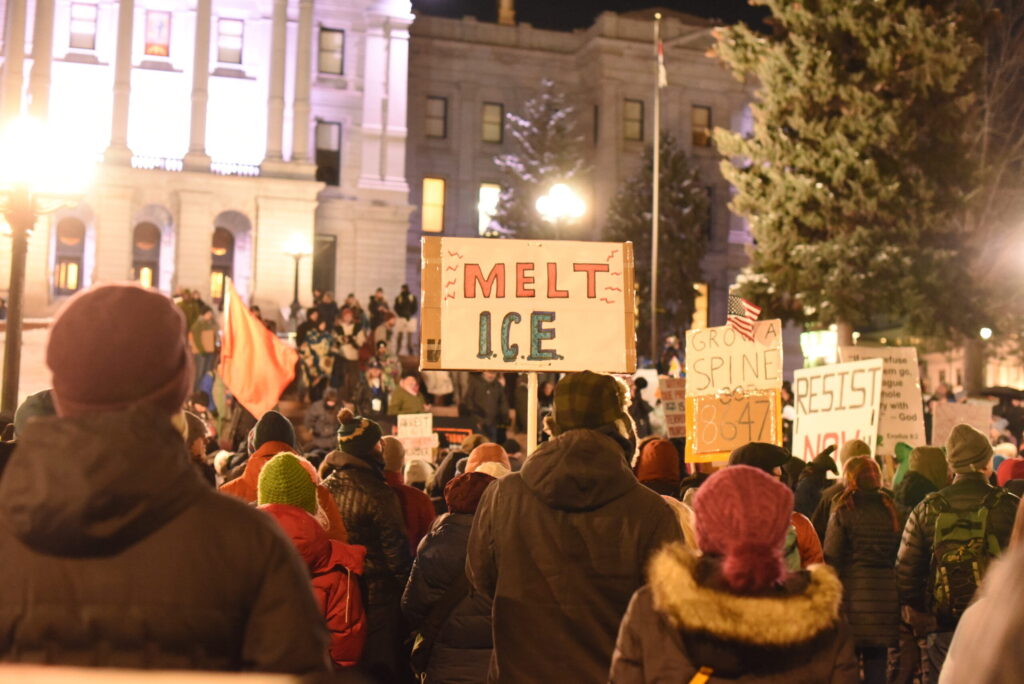
Hundreds protest death of Renee Good; streets close in downtown Denver
Michael Braithwaite
michael.braithwaite@gazette.com
Updated 18 hours ago
Those hoping to enjoy a dinner on 16th Street or drinks by Union Station were interrupted Friday night by a legion of people marching and chanting throughout downtown Denver. Hundreds of demonstrators, many holding signs featuring photos and slogans criticizing...
Michael Braithwaite
Reporter
Aurora lawmakers to vote on statement of opposition to ICE following shooting of woman from Colorado
Kyla Pearce
kyla-pearce@denvergazette.com
Updated 16 hours ago
In the first Aurora City Council meeting of the new year, councilmembers will vote on a proposed resolution that would declare the council’s opposition to “overreach by ICE agents” following the fatal Minneapolis shooting. If passed, the resolution, which was...

Kyla Pearce
Reporter
Aurora City Council Q&A: decorum on the dais
Kyla Pearce
kyla-pearce@denvergazette.com
Updated 1 day ago
In November’s election, Aurora voters flipped what was previously a seven-to-three conservative majority on the City Council to a six-to-four progressive majority. With the significant shift of the council’s political leaning could come policy changes and reversals. The Denver Gazette...
Kyla Pearce
Reporter
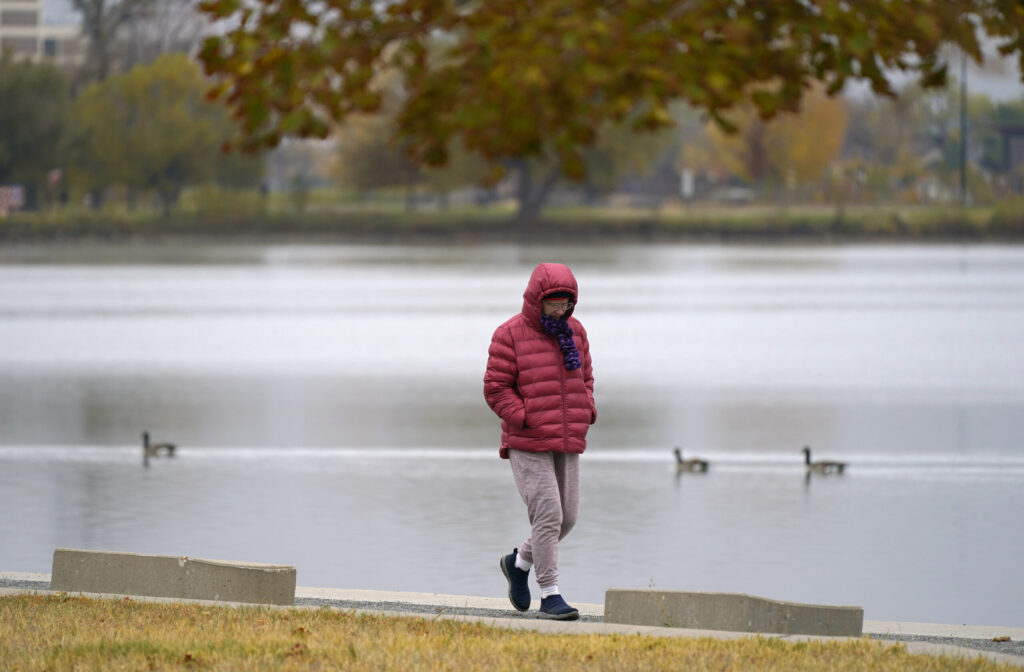
Denver Public Library’s new audiobook listening group takes walks at city parks
Stephen Barr
stephen.barr@gazette.com
Updated 1 day ago
Listen up, audiobook fans. Your time has come. Denver Public Library announced an audiobook listening and walking group Thursday. It’s called Audionauts, and it meets quarterly at parks around the city. The group’s first meetup is at Sloan’s Lake from...

Stephen Barr
Reporter
PREV
PREVIOUS
Lakewood mother and boyfriend sentenced in infant drug death
A mother and a man housing her face decades in prison after feeding her 11-week-old son a bottle containing methamphetamine. Jefferson County District Judge Tamara Russell sentenced both 35-year-old Alexander Avila and 33-year-old Lisa Johnson on Thursday and Friday, respectively, in connection to the 2024 death of infant Ezra Johnson. Johnson, the mother, was sentenced […]

Denver Public Library’s new audiobook listening group takes walks at city parks
Listen up, audiobook fans. Your time has come. Denver Public Library announced an audiobook listening and walking group Thursday. It’s called Audionauts, and it meets quarterly at parks around the city. The group’s first meetup is at Sloan’s Lake from 10-11 a.m. Jan. 18. “Whether you’re chasing mysteries, wandering through fantasy realms, or laughing at […]