








Gov. Jared Polis ‘frustrated, surprised’ at efforts to revive vetoed union bill

Gov. Jared Polis was surprised that Democratic lawmakers and labor groups are seeking to revive a union-backed legislation less than a year after he vetoed the bill due to concerns about its impact on businesses and mandatory dues.
Elected officials and labor unions gathered at the Capitol on Thursday to announce the return of a measure they are calling the “Worker Protection Act,” which proposes eliminating the state’s decades-old Labor Peace Act.
Under the Labor Peace Act, a simple majority of workers must vote in favor of union formation. What sets the 80-year-old law apart from other states, though, is the requirement for a second election in order to permit the establishment of a union security agreement at a unionized workplace. Under such an agreement, all the workers will pay unio dues, whether they are union members or not.
That election requires a higher threshold of 75% to pass. The labor-backed legislation would repeal that second election requirement.
Unions have claimed that the second election imposes an unnecessary barrier to unionization. Business groups countered that labor’s proposal has nothing to do with organizing a union, which is governed by federal laws. Instead, the business groups said, the issue centers around compelling non-union members to pay union dues.
A spokesperson for Polis pushed back on the renewed effort.
“The Governor is frustrated and surprised that the same piece of legislation could come forward, recognizing last year’s outcome and that nothing has changed,” his office said. “He urges labor and business to come together to work on a solution together that is right for Colorado.”
Last year’s version of the labor-backed bill, Senate Bill 005, passed both chambers of the legislature on party-line votes but was vetoed by Polis. In his veto message, the governor emphasized concerns about mandatory dues deductions and the lack of compromise between labor and business interests.
“At its core, this is about who has a say in whether union dues are deducted from employee paychecks,” Polis said at the time. “Mandatory dues deduction should require a high bar of both participation and support, particularly at a time when hardworking Coloradans are concerned about the cost of groceries, the economy, and their job security.”
Throughout the 2025 legislative session, Polis urged business and labor to reach a compromise. His office pushed its own deal, but negotiations collapsed in the final week of the session, and the bill that reached the governor’s desk was virtually unchanged from its introduction.
Business groups and Republican lawmakers echoed Polis’ worries, arguing the bill would impose fees on workers despite choosing not to join a union. Bill sponsors and labor leaders countered that unions are legally required to represent all workers at a unionized workplace and any victories at the bargaining table would accrue to everybody, regardless of membership, thereby making the dues fair.
Rep. Javier Mabrey, D-Denver, one of the bill’s sponsors, said the renewed push reflects growing frustration among workers facing high costs of living and stagnant wages.
“When working families are struggling to keep a roof over their heads and food on the table because billionaire-backed corporations keep wages low and their own profits high, it’s time to stand up for workers and unions,” Mabrey said.
Other sponsors include Assistant Majority Leader Jennifer Bacon, D-Denver, and Sens. Jessie Danielson, D-Wheat Ridge, and Iman Jodeh, D-Aurora. They were joined at Thursday’s rally by several hundred union members and Democratic officials, including Secretary of State Jena Griswold, who is running for attorney general.
Senate Majority Leader Robert Rodriguez, D-Denver, who sponsored last year’s bill, said he will not be involved in the 2026 version due to other obligations during his final year in office.
At the press conference, Kylie Anderson, a barista at Starbucks, said the company pushed back when she asked to change her schedule to attend college classes, as agreed when she was hired. She said she and her coworkers also faced retaliation for trying to form a union.
“We need the legislature to pass the Worker Protection Act now so workers aren’t punished for standing up for the ability to afford rent, go to school, and build a stable life,” Anderson said.
Meanwhile, Republicans and other critics of the Democratic majority have long argued that Democratic policies have made the state more and unaffordable, notably via the thickening layers of regulations they have adopted and imposed on businesses over the years.
While the proposal was being debated earlier this year, critics said the state risks upending a system that has served it well at a critical time for Colorado businesses.
Jamie Chavez of the Westminster Chamber of Commerce said the current law has provided Colorado workers and employers a “balanced solution” to labor-employer relations for nearly a century.
“It represents an effective and reasonable compromise that has protected workers’ rights to organize and collectively bargain, while simultaneously presenting Colorado as a favorable and attractive state to start, build, grow, or relocate businesses,” she said.


Telluride celebrates end to ski patrol strike
RACHAEL WRIGHT Special to The Gazette
rachael-wright-special-to-the-gazette@denvergazette.com
Updated 3 hours ago
The Telluride Ski Resort and the ski patrol union reached an agreement on Jan. 8, ending the longest ski patrol strike in U.S. history. Details of the agreement weren’t immediately released, and many remained worried about the economic damage to...

Vince Bzdek: Coloradans are fed up with the high price of cars
Vince Bzdek
vince-bzdek@denvergazette.com
Updated 1 day ago
Car buyers in Colorado – and America – are fed up. Cars are too damn expensive. The average price of a new car broke the $50,000 barrier last fall, according to Kelley Blue Book stats. The Wall Street Journal recently...

Vince Bzdek
Reporter
EPA rejects Colorado’s plan to tie coal plant shutdowns to cleaner skies
Scott Weiser
scott-weiser@denvergazette.com
Updated 1 day ago
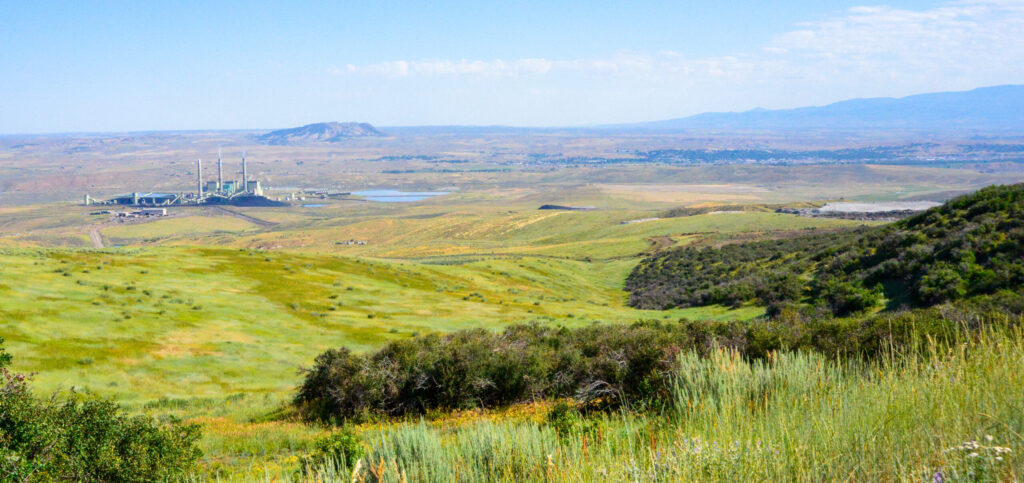
Federal air quality regulators on Friday rejected Colorado’s latest haze-reduction plan, saying the state wrongly tried to force coal-fired power plants to close early as part of efforts to clear up views in national parks and wilderness areas. The U.S....

Scott Weiser
Reporter

After sale, what’s next for Denver Pavilions?
Bernadette Berdychowski
bernadette.berdychowski@denvergazette.com
Updated 1 day ago
The Denver Pavilions and the parking lots attached to it are at last under the same ownership, opening up the possibility for redevelopment of the downtown shopping center. In late December, the Denver Downtown Development Authority closed on the mall...

Bernadette Berdychowski
Reporter

Red Carpet Reception proves new home’s a winner for Coors Western Art Exhibit & Sale | NONPROFIT REGISTER
Joanne Davidson Special to Colorado Politics
joanne-davidson-special-to-colorado-politics@denvergazette.com
Updated 2 days ago
NATIONAL WESTERN STOCK SHOW News: It wasn’t just the art that people were talking about at Thursday night’s Red Carpet Reception for the 34th Coors Western Art Exhibit & Sale. A good number of the 1,000-plus guests were on their first visit to the show’s spacious new location on the...


NASA taps Colorado companies to lead development on telescope searching for life on other planet
Alexander Edwards
alexander-edwards@denvergazette.com
Updated 1 day ago
NASA has selected two Colorado companies to help develop a future NASA space telescope that will look for signs of life on other planets. The flagship project, called the Habitable Worlds Observatory, will be the first space telescope purpose built...

Alexander Edwards
Reporter
Ski patrollers end strike against Telluride
RACHAEL WRIGHT Special to The Gazette
rachael-wright-special-to-the-gazette@denvergazette.com
Updated 1 day ago
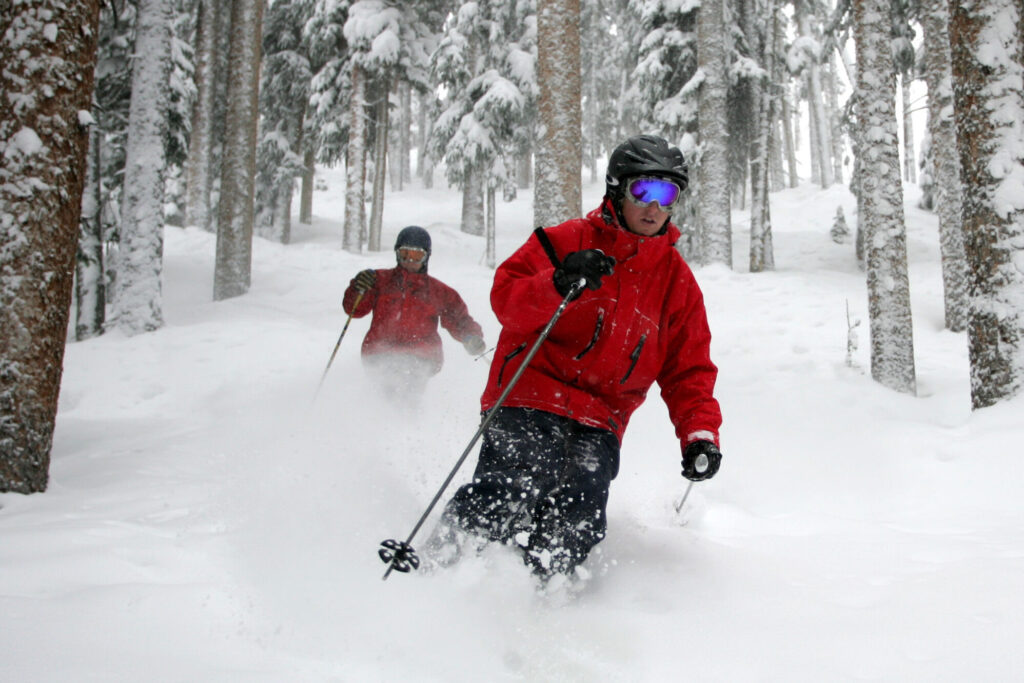
After 13 days, the longest ski patrol strike in U.S. history has come to an end. On Dec. 27, the 72-member Telluride Professional Ski Patrol Association voted to go on strike after approaching Telluride Ski Resort (Telski) owner Chuck Horning...

Xcel seeks back-to-back rate hikes totaling $546 million
Scott Weiser
scott-weiser@denvergazette.com
Updated 1 day ago
Colorado’s largest utility filed for major increases in both electric and natural gas rates within weeks of each other, a move that could add roughly $17 a month to the average household bill serving both services. Xcel Energy submitted a...
Scott Weiser
Reporter

Inside the ‘Boulder Bubble,’ a custom home is $17.25 million
Mark Samuelson
mark-samuelson@denvergazette.com
Updated 4 days ago
You’d expect a newer custom home in the Denver area, one with 9,000-plus feet of living space on a larger city site, with a pool and good mountain views, to have a lofty price, right? Maybe in the high-seven figures?...

Mark Samuelson
Reporter

Alaska Airlines sets out expansion, placing its largest Boeing order yet
Reuters
reuters@denvergazette.com
Updated 4 days ago
WASHINGTON – Alaska Airlines said Wednesday it will purchase 110 new Boeing aircraft — the largest single order in the carrier’s history — as part of an aggressive expansion and fleet modernization plan. The deal includes 105 737 MAX 10...

Reuters
Reporter
PREV
PREVIOUS

Red Carpet Reception proves new home’s a winner for Coors Western Art Exhibit & Sale | NONPROFIT REGISTER
NATIONAL WESTERN STOCK SHOW News: It wasn’t just the art that people were talking about at Thursday night’s Red Carpet Reception for the 34th Coors Western Art Exhibit & Sale. A good number of the 1,000-plus guests were on their first visit to the show’s spacious new location on the second floor of The Legacy, the recently completed, four-story, $100 million world headquarters for the National Western Stock Show. And […]

After sale, what’s next for Denver Pavilions?
The Denver Pavilions and the parking lots attached to it are at last under the same ownership, opening up the possibility for redevelopment of the downtown shopping center. In late December, the Denver Downtown Development Authority closed on the mall and the properties at 1518 and 1505 Glenarm Place in a deal totaling approximately $60 […]