







Democrats Michael Bennet, Phil Weiser and their backers bank $9 million for Colorado gubernatorial race

Democratic gubernatorial candidates U.S. Sen. Michael Bennet and Attorney General Phil Weiser, and the campaign committees that support them, entered the election year with almost $9 million on hand, as the race to succeed term-limited Colorado Gov. Jared Polis heats up.
Although Weiser started the year with more than twice as much campaign cash in the bank as Bennet, according to quarterly campaign finance reports filed last week, the super PAC backing Bennet had an even wider advantage over Weiser’s super PAC, giving neither candidate a significant edge.
Weiser finished the year with just under $3.5 million left to spend, ahead of the just under $1.6 million reported by Bennet.
Balancing the scales, however, the super PAC supporting Bennet, Rocky Mountain Way, had just under $3.3 million on hand at the end of the quarter, dwarfing the roughly $527,000 banked by Fighting for Colorado, the super PAC behind Weiser. Super PACs can receive unlimited contributions but can’t donate directly to candidates and are forbidden from coordinating spending with the candidates they support.
In the most recent quarter, Weiser led the pair in contributions to his campaign committee, with about $814,000 in receipts to Bennet’s roughly $776,000. Bennet spent almost exactly as much as he brought in during the period, while Weiser’s expenditures totaled just over $300,000.
Weiser, who launched his campaign at the beginning of last year, has brought in $4.5 million over the stretch. Bennet has just under $3.5 million in total donations since joining the primary in April.
Weiser’s haul for the year sets a record for the most money raised by a Colorado gubernatorial candidate who didn’t self-fund their campaign in the year before an election.
Rocky Mountain Way reported raising just under $1.4 million for the quarter, with more than half of that sum coming from a single $750,000 contribution from former New York Mayor Michael Bloomberg, bringing his total contribution to Bennet’s super PAC to $1.25 million. The PAC also received $150,000 from Brighter Future for Colorado, a nonprofit that doesn’t disclose its donors, bringing its total for the year to $700,000.
Weiser’s super PAC raised just under $350,000 in the three-month period, including $50,000 donations from Thomas Ray, who runs a private equity firm, and Arthur Reimers, a retired investor. Additionally, the PAC received $25,000 donations from prolific Colorado donors Merle Chambers, a former oil and gas CEO, and Blair Richardson, who runs a private equity and investment firm.
More than 20 Republicans are also running for the office, which hasn’t been won by a GOP candidate since 2002. The party’s leading candidates started the year with considerably less money in the bank than their potential Democratic opponents.
Colorado Springs-based ministry leader Victor Marx made a splash in his first quarter in the race, raising just under $620,000, including a $24,000 donation to his own campaign from Marx and his wife. After spending $271,000, he finished the year with almost $350,000 on hand.
Marx’s fundraising surpassed the other Republican candidate who posted six figures for the quarter, Republican state Sen. Barb Kirkmeyer, R-Brighton, a former congressional nominee. Kirkmeyer brought in about $192,000 over the period, spent a little over $108,000 and had almost $273,000 in the bank. Her total contributions since declaring her candidacy in September were nearly $382,000.
The other major Republican candidates trailed. State Rep. Scott Bottoms, R-Colorado Springs, raised almost $38,000 for the quarter and had just over $9,000 on hand at the end of the year after spending just over $45,000. Teller County Sheriff Jason Mikesell raised a hair over $6,000, spent almost $10,000 and finished with nearly $25,000 in the bank.
The two GOP candidates who withdrew from their party’s gubernatorial primary earlier this month didn’t fare much better in the last quarter. Former U.S. Rep. Greg Lopez, who left the Republican Party to run as an independent, raised a little over $9,000 in the quarter and finished with $5,000 and change on hand. State Sen. Mark Baisley, R-Woodland Park, jumped to the U.S. Senate primary after bringing in less than $5,000 for the quarter and reporting $657 in the bank at the end of the year.
Polis, a former five-term congressman from Boulder, won election in 2018 and was reelected four years later after defeating GOP nominee Heidi Ganahl, a former University of Colorado regent-at-large and the last Republican to hold statewide office in Colorado, by nearly 20 points.
The major parties pick their nominees for statewide office in Colorado’s June primary. Candidates can make the ballot via the assembly process, which kicks off with precinct caucuses in the first week of March, or by petitioning onto the ballot with signatures.

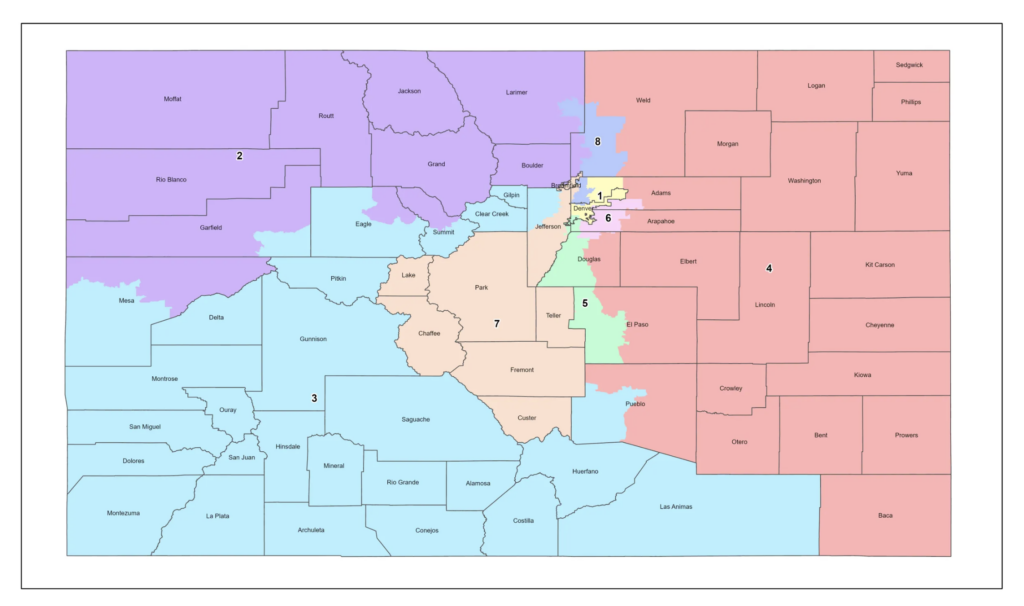
Redistricting scheme would give Colorado Democrats seven House members, split El Paso County | Bob Loevy
Bob Loevy
bob-loevy@denvergazette.com
Updated 3 days ago
A proposed redistricting plan, which could give Colorado seven Democratic members of the U.S. House of Representatives and only one Republican, would split El Paso County into two parts and thereby weaken the county’s influence in Congress. El Paso County,...

Bob Loevy
Reporter
Can deliberation save democracy? | Vince Bzdek
vince-bzdek
vince.bzdek@gazette.com
Updated 2 days ago
In September 2019, 523 Americans traveled to Dallas for an experiment called “America in One Room.” The gathering was designed to test a theory: Could representative citizens deliberate productively even in an era of intense polarization? The event focused on...

vince-bzdek
Reporter
U.S. House probes reports of fraud, waste in Colorado’s Medicaid program
Marianne Goodland
marianne-goodland@denvergazette.com
Updated 2 days ago
A congressional committee is probing reports of waste, fraud and abuse in Colorado’s Medicaid program, citing recent stories outlining over-billing in transportation spending and alleged improper payments in autism services. The U.S. House Committee on Energy and Commerce has sent...

Marianne Goodland
Reporter

Gov. Jared Polis, Upper Basin states criticize federal draft plan for managing the Colorado River
Marianne Goodland
marianne.goodland@coloradopolitics.com
Updated 4 days ago
With no agreement among the seven Colorado River states, which missed multiple federal deadlines, the Upper Colorado River Commission on Monday sharply criticized the U.S. Department of the Interior’s draft plan for managing the river after the current guidelines expire...

Marianne Goodland
Reporter
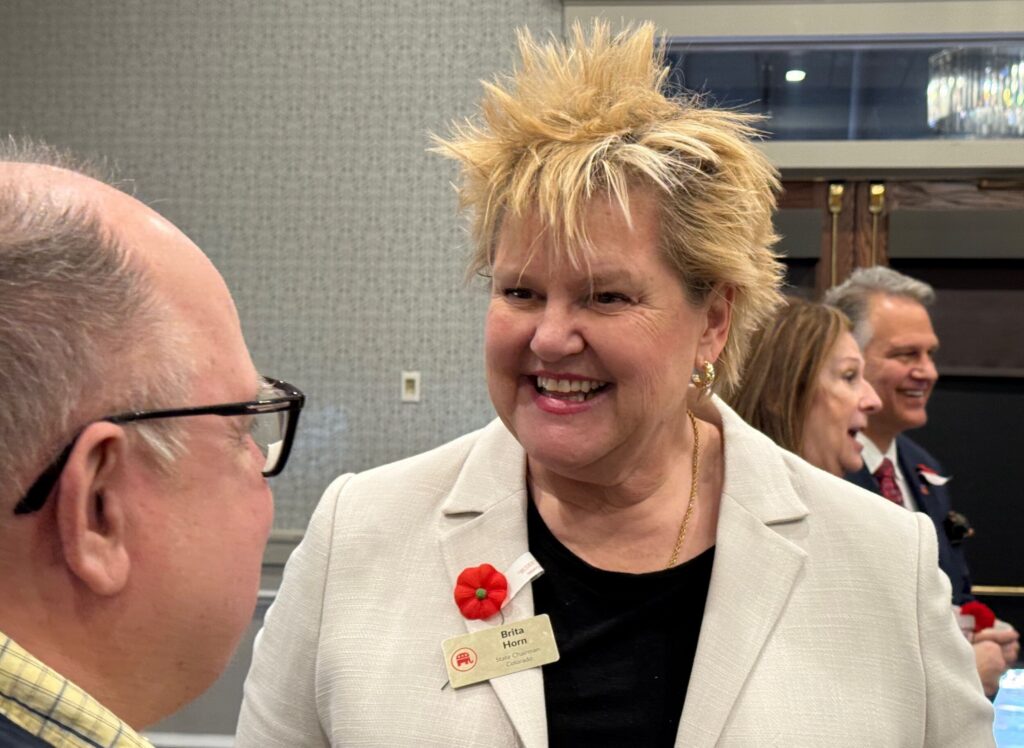
Colorado GOP chair Brita Horn loses ‘no-confidence’ vote, vows to refocus on ‘mending that divide’
Ernest Luning
ernest.luning@coloradopolitics.com
Updated 7 days ago
The Colorado Republican Party’s state central committee approved a resolution expressing “no confidence” in state chair Brita Horn in a landslide late Monday night near the end of an online meeting marked by rancor and confusion. Almost 80% of the...

Ernest Luning
Reporter

Democrat Michael Bennet turns in petitions for Colorado’s gubernatorial primary, plans to skip caucuses
Ernest Luning
ernest-luning@denvergazette.com
Updated 1 week ago
U.S. Sen. Michael Bennet, a Democratic candidate for governor, submitted nominating petitions for Colorado’s June primary ballot on Friday, his campaign and the Colorado Secretary of State’s Office said. Bennet plans to rely on his petitions to get on the...
Ernest Luning
Reporter
Colorado lawmakers react along partisan lines to Donald Trump’s State of the Union address
Ernest Luning
ernest-luning@denvergazette.com
Updated 2 weeks ago
President Donald Trump could have been describing two different countries in Tuesday’s State of the Union address — one entering a “Golden Age” and the other enduring daily stress under a “lawless” regime — at least as far as the...
Ernest Luning
Reporter

Trump pulls endorsement from Jeff Hurd over tariffs, backs Colorado Republican’s primary challenger
Ernest Luning
ernest-luning@denvergazette.com
Updated 2 weeks ago
President Donald Trump on Saturday rescinded his endorsement of U.S. Rep. Jeff Hurd and threw his support behind the Colorado Republican’s primary challenger, Hope Scheppelman, citing the first-term incumbent’s “lack of support” for the administration’s tariff policy. The move comes...
Ernest Luning
Reporter
In a meeting Colorado GOP chair Brita Horn calls ‘illegal,’ Republicans vote to demand her resignation
Ernest Luning
ernest-luning@denvergazette.com
Updated 2 weeks ago
Roughly half the membership of the Colorado Republican Party’s state central committee on Saturday voted overwhelmingly to approve a resolution expressing “no confidence” in state GOP Chairman Brita Horn’s leadership and calling for her immediate resignation in an online meeting...
Ernest Luning
Reporter

Democrats Michael Bennet, Phil Weiser make their cases to be Colorado’s next governor ahead of primary
Ernest Luning
ernest-luning@denvergazette.com
Updated 2 weeks ago
Nearly eight months before ballots will be counted in Colorado’s race for the its open gubernatorial seat, voters are lining up behind two of the state’s leading Democrats, who are facing off in a primary that will likely determine which...
Ernest Luning
Reporter
PREV
PREVIOUS

DPS budget update shows more than $6 million lost to declining enrollment
Denver Public Schools has lost more than $6 million in public funding tied to declining enrollment since the budget was approved, a financial update to be presented to the Board of Education on Thursday shows. The revenue loss is reflected in the district’s amended draft budget. DPS enrollment dropped by about 1,200 students — a […]

DA Padden finds Aurora officer justified in fatally shooting 17-year-old
The Aurora police officer who fatally shot an unarmed 17-year-old at a gas station in September was deemed to have used justifiable deadly force by District Attorney Amy Padden in a letter Friday. In the letter to Aurora Police Chief Todd Chamberlain, Padden stated that she found Officer Derek Paulson “justified in using deadly physical […]