







Denver sees 41% homicide rate drop in 2025, largest of major U.S. cities
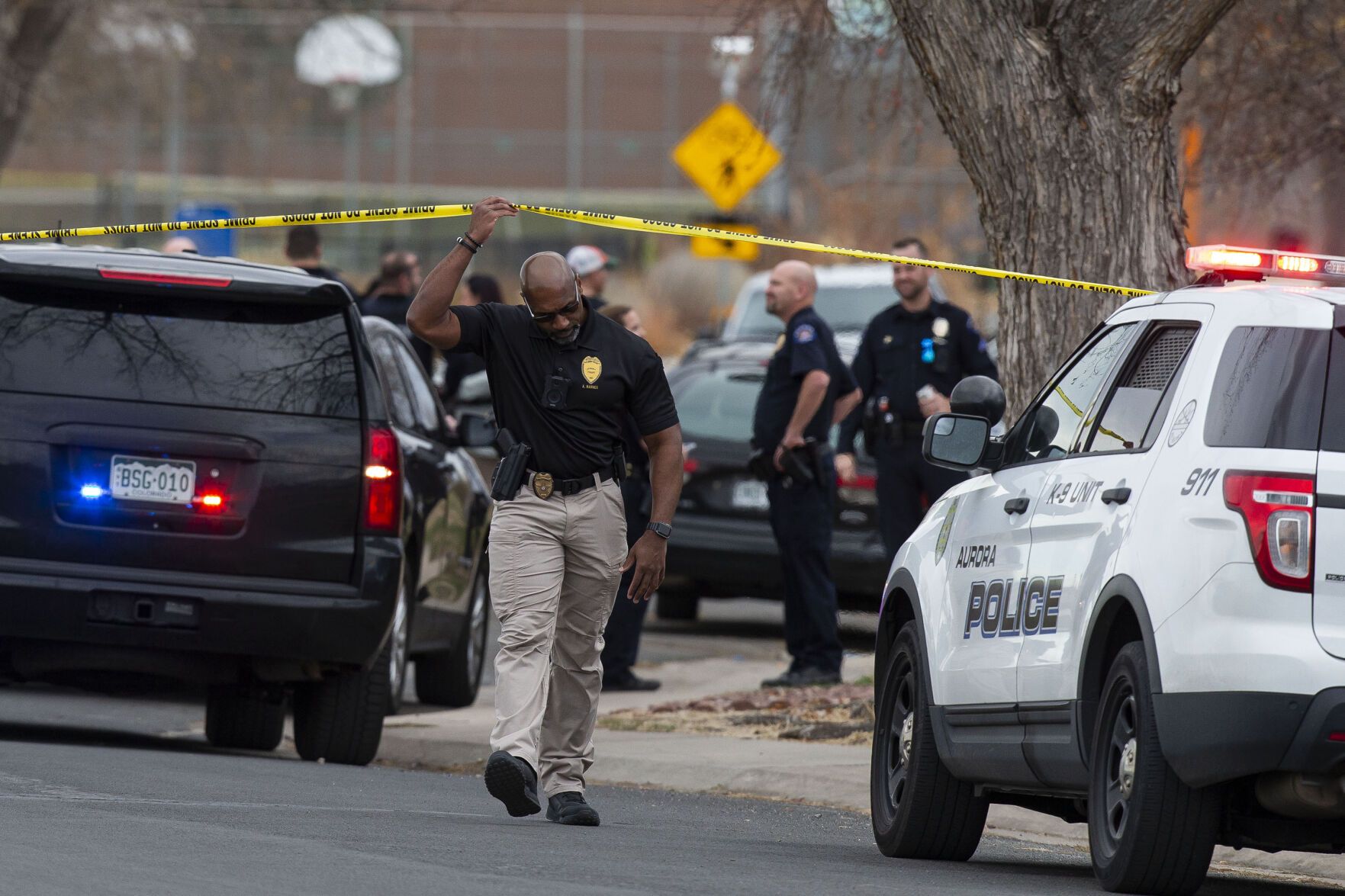
Denver saw the largest homicide rate decrease of any major U.S. city in 2025, according to a new report from the Council on Criminal Justice.
The city’s 41% drop in reported homicides from 2024-2025 ranked No. 1 among data collected from 35 American cities in the report, far ahead of other major cities such as Los Angles (36%), Atlanta (32%), Chicago (31%) and New York (22%), and well above the national average decrease of 21%.
The group’s reported drop is lower than that recorded by Denver Police Department officials, who said in a Jan. 2 news release that the city saw 48% fewer homicides in 2025 than the year prior, and its total of 37 was the third-fewest annual total they had seen since 1990.
When considering population growth, department officials added, 2025 saw the second-lowest homicide rate going back to that same year.
“I am extremely proud of our patrol officers, investigators and those whose ongoing efforts directly impacted the decrease in violent crime. We cannot do this without them and all our city and community partners,” said Denver Police Chief Ron Thomas in the release. “Making Denver safer continues to be the goal of the Denver Police Department, and while homicides and other notable crime categories are seeing strong declines, we still have work to do.”
The report from the Council on Criminal Justice, released on Thursday, tracked 13 crimes and recorded drops last year in 11 of those categories, including carjackings, shoplifting, and aggravated assaults. Drug crimes saw a small increase over last year and sexual assaults stayed even between 2024 and 2025, the study found.
Experts said cities and states beyond those surveyed showed similar declines in homicides and other crimes. But they said it’s too early to tell what is prompting the change even as elected officials at all levels — both Democrats and Republicans — have claimed credit.
Others have previously noted that the decreases in crime in metro Denver, which also coincided with a drop statewide, followed a string of changes to the statutes, notably in the area of car thefts. Notably, lawmakers, upon the urging of the governor, passed a law that made all car thefts a felony, decoupling the severity of the crime from the value of the car and tying it instead to behavior so that the penalty becomes more severe with repeat offenders.
Just a few years ago, Colorado earlier found itself atop most lists of states with the highest car thefts and associated crimes – record-breaking numbers that had been accumulating since 2020.
The Council on Criminal Justice collects data from police departments and other law enforcement sources. Some of the report categories included data from as many as 35 cities, while others, because of differences in definitions for specific crimes or tracking gaps, included fewer cities in their totals. Many of the property crimes in the report also declined, including a 27% drop in vehicle thefts and 10% drop in shoplifting among the reporting cities.
Denver Police recorded the most significant reduction in reported automobile thefts, with over 36% fewer in 2025 than in 2024, according to the release. Reported non-fatal shootings also saw a substantial decrease of 33.5%.

The 37 reported homicides in Denver were substantially lower than that recorded each year since 2021, which saw the highest number of reported homicides (96) since 1990, according to the release. It also continued a downward annual trend: 2022 saw 89 homicides, 2023 saw 84 and 2024 saw 70.
Denver Police attributed the 2025 decrease to several factors, including the increased safety provided by the Downtown Action Plan, targeted investigations in areas historically afflicted by violent crime, a quick and effective investigative process and the increased use of policing technology, according to the release.
Adam Gelb, president and CEO of the council — a nonpartisan think tank for criminal justice policy and research — said that after historic increases in violence during the COVID-19 pandemic, this year brought historic decreases. The study found some cities recorded decades-low numbers, with the overall homicide rate dropping to its lowest in decades.
“It’s a dramatic drop to an absolutely astonishing level. As we celebrate it, we also need to unpack and try to understand it,” Gelb said. “There’s never one reason crime goes up or down.”
Gelb said the broad crime rate decreases have made some criminologists question historic understandings of what drives trends in violent crime and how to battle it.
“We want to believe that local factors really matter for crime numbers, that it is fundamentally a neighborhood problem with neighborhood level solutions,” he said. “We’re now seeing that broad, very broad social, cultural and economic forces at the national level can assert huge influence on what happens at the local level.”
The only city included that reported a double-digit increase was Little Rock, Arkansas, where the rate increased by 16% from 2024, according to the council.
Republicans said tough-on-crime strategies, such as deploying the National Guard to cities like New Orleans and the nation’s capital, coupled with surges in operations targeting illegal immigration, have all played a role in this year’s drops.
Meanwhile, Democratic mayors are touting their policies as playing roles in the 2025 decreases.
Cities that saw no surges of either troops or federal agents saw similar historic drops in violent and other crimes, according to the group’s annual report.
Jens Ludwig, a public policy professor and the Director of the University of Chicago Crime Lab, stressed that many factors can contribute to a reduction in crime, whether that’s increased spending on law enforcement or increased spending on education to improve graduation rates.
“The fact that in any individual city, we are seeing crime drop across so many neighborhoods and in so many categories, means it can’t be any particular pet project in a neighborhood enacted by a mayor,” Ludwig said.
Ludwig added that, because the decrease is happening in multiple cities, “it’s not like any individual mayor is a genius in figuring this out.”
He said that, while nobody often knows what drives big swings in crime numbers, the decrease could be partly due to the continued normalization after significant spikes in crime for several years during the pandemic, a hypothesis that suggests the declines might not last.
“If you look at violent crime rates in the U.S., it is much more volatile year to year than the poverty rate, or the unemployment rate. It is one of those big social indicators that just swings around a lot year to year,” Ludwig said. “Regardless of credit for these declines, I think it’s too soon for anybody on either side of this to declare mission accomplished.”