







EDITORIAL: Left in the dark, Golden pushes back
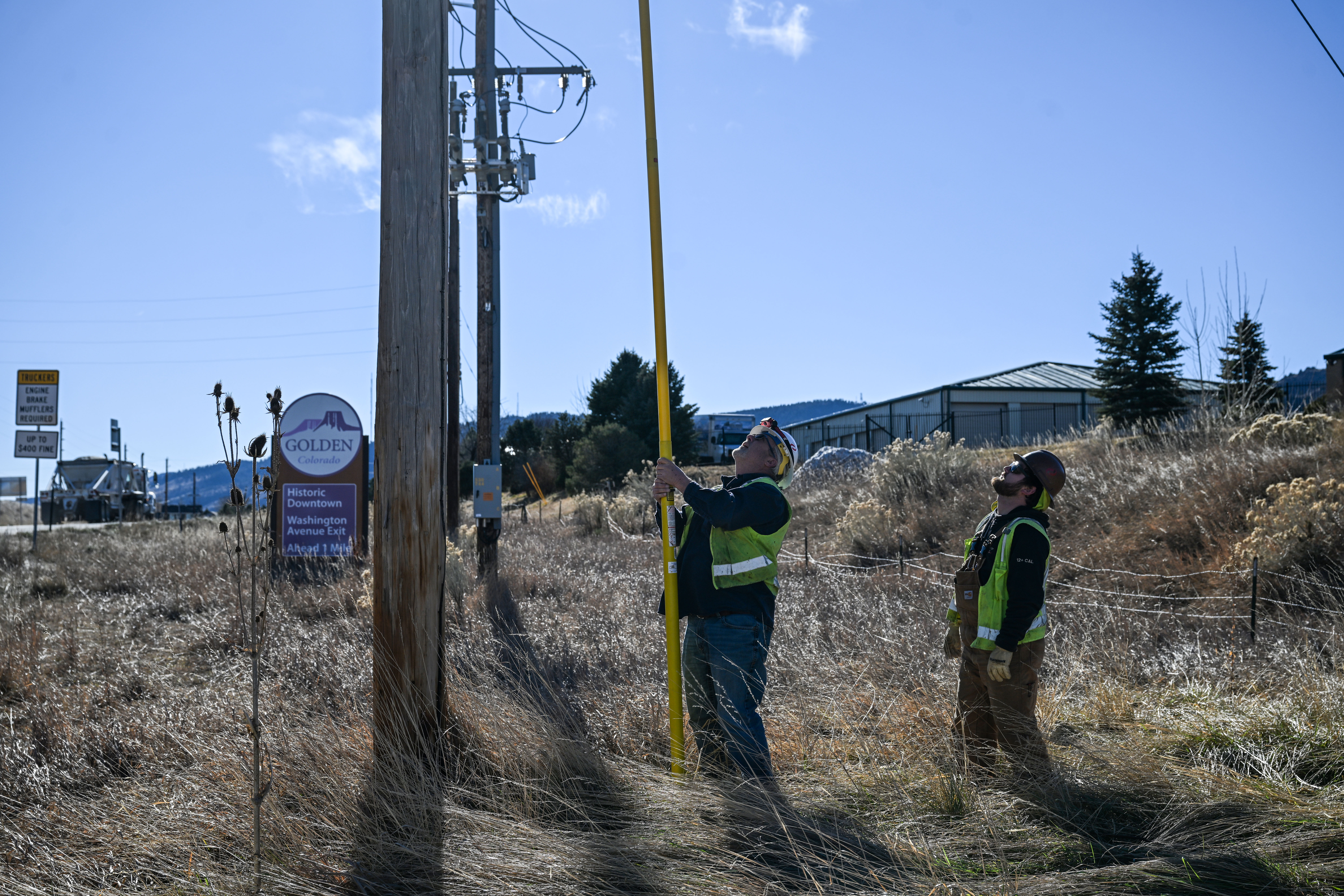
When Colorado became a territory in 1862, its first capital was Golden until Denver took over in 1867. Now, Golden is a small but still important city.
With its growing reputation as a haven for the high-tech sector, it’s no wonder the city wants to know why Xcel Energy isn’t taking steps other utilities have to handle bad weather.
The utility giant — a state-regulated monopoly — chose recently to shut off power to Golden among other Front Range communities in advance of high winds. Xcel did so with all the ensuing havoc and loss, and without helping or reimbursing families and businesses suffering from the blackout.
A month later, residents of Golden and other cities still are picking up the pieces.
A Jan. 2 letter from Mayor Laura Weinberg, sent on behalf of the city to Xcel Energy and the Colorado Public Utilities Commission, expressed deep concerns over December’s five-day shutoffs.
The letter asserted Golden was “disproportionately impacted due to poor weather prediction accuracy” and public outreach from Xcel was “inadequate, unclear and at times misleading.”
“Financial shocks — such as lost wages, spoiled food, or additional heating costs — can push already-strained households into deeper financial hardship,” the Weinberg wrote, pointing to residents with medical devices and people on fixed incomes.
The Gazette news staff interviewed Brandon Bortles, owner of Nosu Ramen and Abejas Bistro in Golden, who estimated he lost $50,000 to $75,000 in product and revenue during the five days his restaurants were forced to close.
“Xcel Energy, which reports annual profits of $1.5 billion or more, should be made aware of these costs,” the letter reads, “and we demand that Xcel invest in more resilient and hardy infrastructure… The current approach results in a loss of Xcel customer confidence.”
How do some other utilities practice proactive fire mitigation? Longmont Power & Communications has started moving electrical lines underground at targeted locations. The foothills community’s utility also has a system that automatically cuts off a power line when a fault is detected — rather than using preemptive outages — and the city contracts with a year-round tree-trimming company.
In other words common-sense strategies. Golden in its letter proposed similar steps, including hardening infrastructure, clearer timelines, improving weather predictions, and better coordination with local governments.
Xcel’s Colorado President Robert Kenney recently declared, “It doesn’t necessarily mitigate the risk to do targeted undergrounding everywhere.” Of course, no one’s suggesting it should be done everywhere. But making it a higher priority before the next windstorm sure beats leaving entire communities in the dark — and in the cold — for days.
Of course, there’s blame to go around. Fire risks from harsh winds are real — and the electrification agenda pushed by the Polis administration and the PUC actively diverts ratepayer dollars from needed infrastructure, like hardening the grid, to pay for expensive emissions mandates.
Nevertheless, Xcel could and should push for more emphasis on energy reliability. And the PUC, which has final say over Xcel’s rates and other policies, should prod the utility to prioritize accordingly. The public depends on it.
“Golden is a resilient community that can weather any storm,” Weinberg wrote. “Our residents and businesses are asking for and deserve a wildland fire risk response that is in step with public safety and economic vitality.”
You’d think ratepayers would be able to expect both.