







Colorado ski towns — where ‘snow is money’ — worry how long dry winter will last
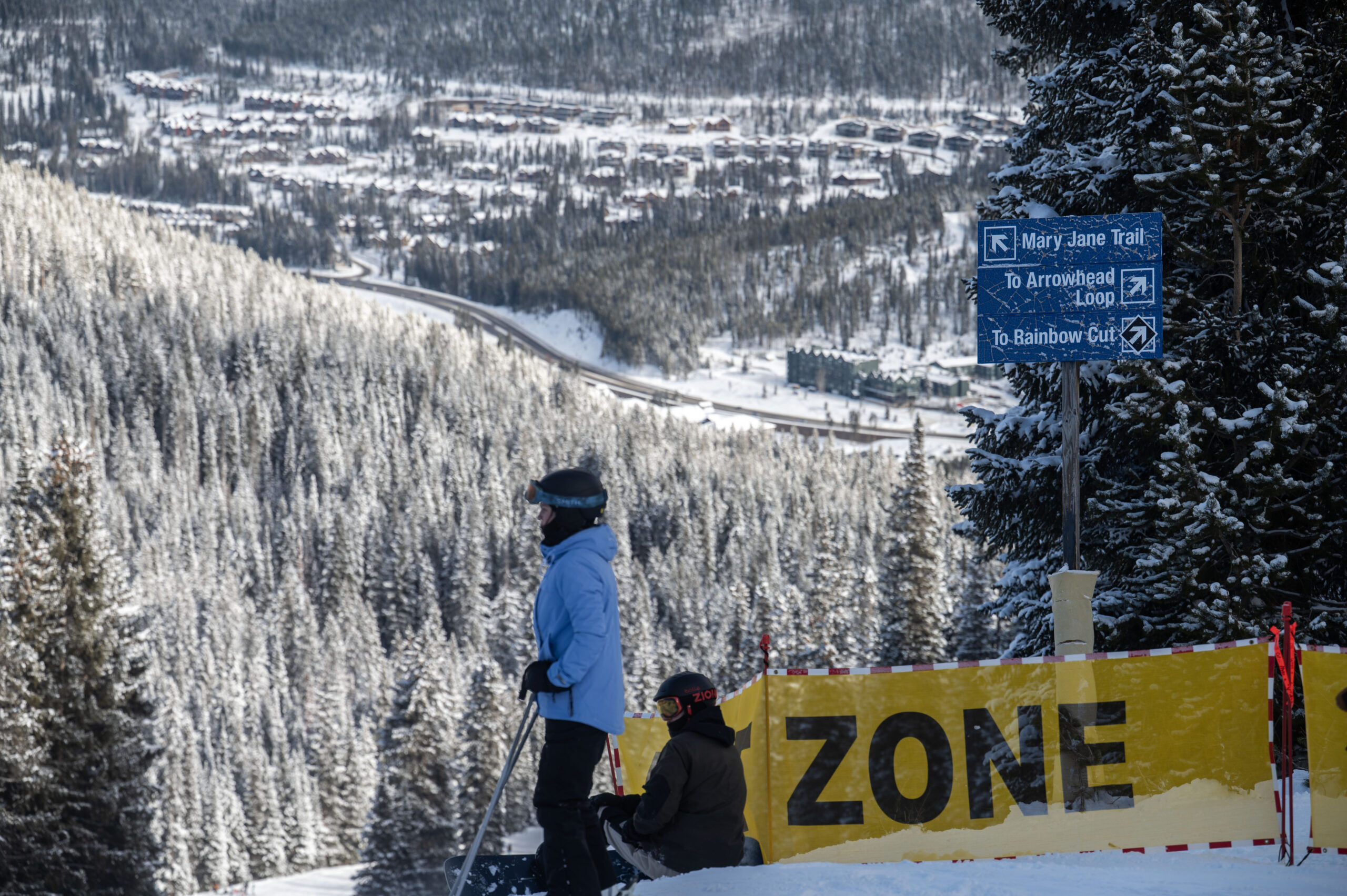
Snowboarders and skiers have long relied on an old superstition to bring in fresh powder: putting trail maps in the freezer.
But this year, amid an unusually dry winter, the need to do so seems more urgent than ever in Colorado.
Last month, the Winter Park ski resort in Grand County posted a video of someone opening a freezer filled to the brim with trail maps as a handful pour out.
“It can’t hurt to put your trail map, any trail map in the freezer,” said Catherine Ross, the executive director of the Winter Park & Fraser Chamber, the organization representing businesses around the ski resort. “Anywhere in Colorado we can help it snow, it would be great right now.”
Prayers and offerings to the Norse god of snow Uller from Breckenridge’s annual festival in his honor Dec. 18 also seemed to have gone unanswered.
Colorado’s snowpack for the 2025 and 2026 ski season is flirting with 30-year record lows, as much of the Western U.S. is facing winter drought conditions. If the trend continues, mountain communities are growing increasingly worried about the region’s water supply, wildfire risk and attracting tourists during their most important time of the year — all of which could have harmful economic effects for both winter and summer seasons.
“We want it to snow because snow is money in a ski town,” Ross said. “But we really need it to snow so that our mountain community can stay vital and healthy.”
Usually, in late January, Colorado’s average snowpack, measured by how much water is stored in the snow, is typically around nine inches.
After last weekend’s storm, the snowpack grew to just above five inches.
Colorado ski town economic leaders who spoke with The Denver Gazette said hotel bookings have slowed since Christmas and they’re also keeping an eye on sales tax revenues coming out in the next few months to see if anything else is drier than usual.
“Now is when we’re starting to get more nervous,” Ross said. “It needs to snow now. It just needs to.”
ANY SNOW BRINGS IN SURGE OF VISITORS
Colorado is the nation’s largest economic generator for winter recreation activities, by far.
The state’s snow activities spurred nearly $1.6 billion in 2023, accounting for about 20% of the nation’s winter sports, according to the most recent data from the Bureau of Economic Analysis. The second and third largest economies for snow activities, California and Utah, generated $700 million and $650 million, respectively.
The chamber, which represents the businesses around Winter Park Resort, posted on Instagram ahead of the Martin Luther King Jr. holiday weekend to not be “deceived by the limited snowfall” and check out all the other non-skiing activities there are to do.
Business has begun to slow around Winter Park and lodging reservations are not performing as well as they have in the past, Ross said. But there are still surges to downtown on some weekends, showing how uncertain visitors can still come at the last second.
“It’s the snow, but it’s also just how people are traveling now,” Ross said. “They’re just waiting for the last minute.”
This group of late-decision travelers can make a “big difference” in keeping businesses from seeing another weekend with a steep decline in sales this year, she explained. Events like Mary Jane’s 50th anniversary, which got just enough snow to open the resort in time for its birthday, have also been a big boost.
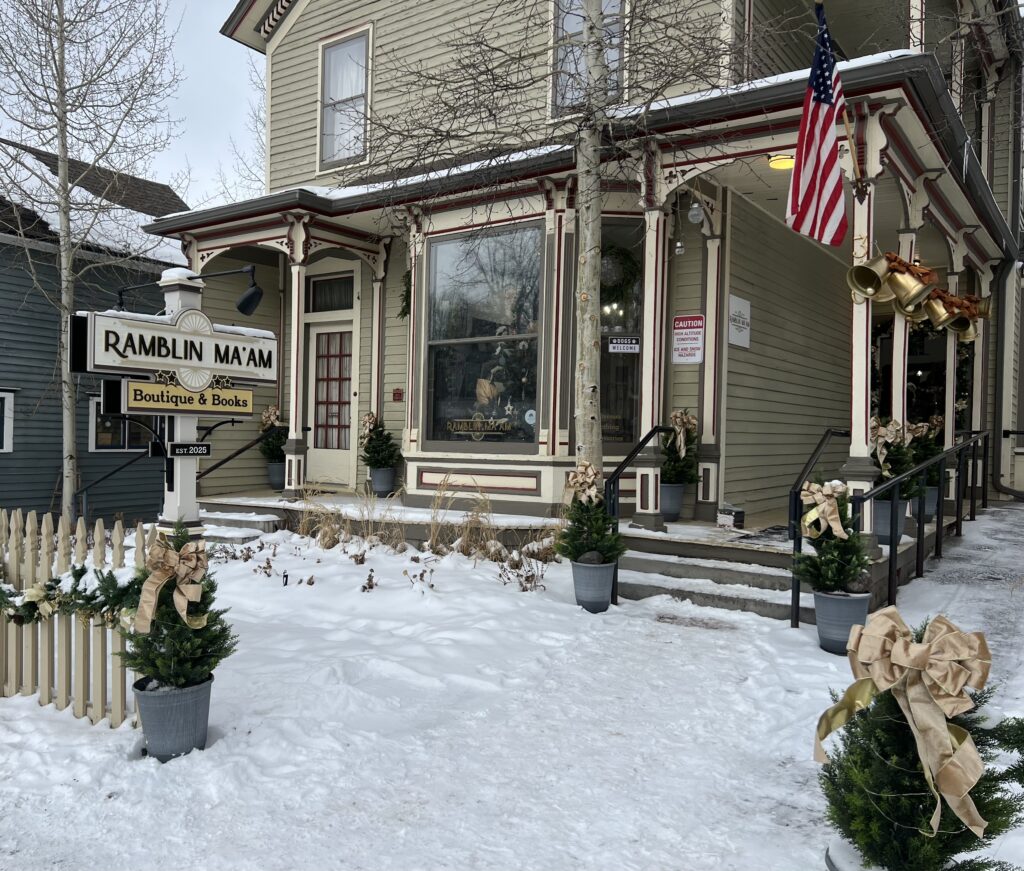
When any bit of snow comes to Breckenridge, Ramblin Ma’am Boutique & Books owner Lizeth Morris said her store gets significantly more crowded and “it’s wonderful to see.”
The boutique on 310 S Main St. opened in October, but Morris had the historical data of how the previous shop performed over past ski seasons because it was owned by a relative of hers.
“We had kind of an understanding of what to expect, but the fact that there hasn’t been as much snowfall was not expected,” she said.
Business owners like her had to get creative to get people who weren’t on the slopes through their door, she said, and make sure they leave Breckenridge with a good time despite not getting as much ski time. Her shop set up a fire pit on its outside courtyard to draw people in.
“Everyone wants snow. Everyone’s praying for the snow. But the cold is here,” Morris said. “And so we thought, well let’s help people out by giving them a place to warm up and gather.”
SKI VISITS ARE SLOPING DOWN
Vail Resorts reported skier visits were down by 20% compared to last year’s ski season, according to a letter sent to investors last week.
The Broomfield resort company’s revenues for ski schools and dining were also down by about 15%. Ski stores and rentals in North America saw revenues fall 6%.
While resort companies like Vail push ski pass sales well before the season begins to help lock in revenues for the year, the areas around them depend on who comes into town — and how often.
There were already concerns about the ski season before any snow came in, said Margaret Bowes, executive director for the Colorado Association of Ski Towns, an organization for mountain communities who are reliant on winter tourism.
The travel industry at large is worried about consumers pulling back on vacation spending and ski towns expect a decline in international tourism this year. President Donald Trump’s push for federal immigration enforcement and tariffs on foreign products have made a lot of tourists around the world hesitant about traveling to the United States. Even though domestic travelers make up the bulk of visitors to ski towns, international visitors are some of the heaviest spenders.
Yet during the holiday season in December, Bowes said many ski town businesses saw a boost from skiers spending less time on the slopes — and going shopping instead.
“The ski areas were less busy, but the towns were still busy,” Bowes explained. “We think it was past cancellation deadlines for lodging so people still came.”
After the holiday boost though, and word spread of dry slopes, visitors have started to be more cautious about booking their next ski trips. Many mountain towns have seen hotel reservations fall about 5% to 10% for January and February, Bowes said.
“We are starting to see results of a very dry, warm and late start to the ski season with folks canceling their trips to mountain towns,” Bowes said, “so pretty concerning.”
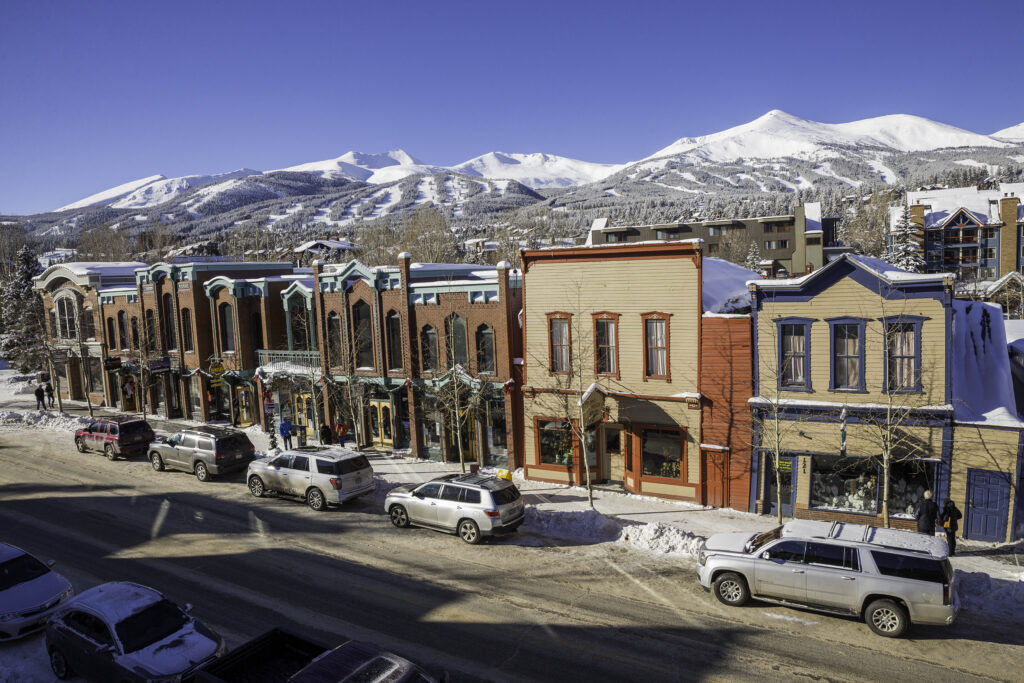
For example, lodging reservations are down 8% for the winter season spanning from November to April in Breckenridge, compared to last year, according to data from the town’s tourism agency.
Breckenridge saw a holiday bump with bookings up 3% year-over-year in December, but January was down 9% and February was lower at 13%.
The city still hopes to see those numbers improve after last weekend’s snowstorm, said Kerry O’Connor, spokesperson for Breckenridge’s Tourism Office.
While they’re not yet worried about the town’s economy due to the low snow year, she said the tourism team is “keeping an eye on it.” Sales tax numbers for Breckenridge for the winter season will come out in March, giving business officials a better idea of the impact the snowpack has had on the town.
Despite the conditions, the town is hopeful, O’Connor said, and the tourism team is working hard to amp up the messaging to visitors that there is a lot to do beyond skiing in Breckenridge.
“We’re lucky in Breckenridge that we have so many other recreational opportunities,” she said. “We have more than just skiing, and we’re glad we have enough of a support system in town.”
SUMMER BUSINESSES ARE KEEPING AN EYE, AS WELL
Snow is money in the summer too.
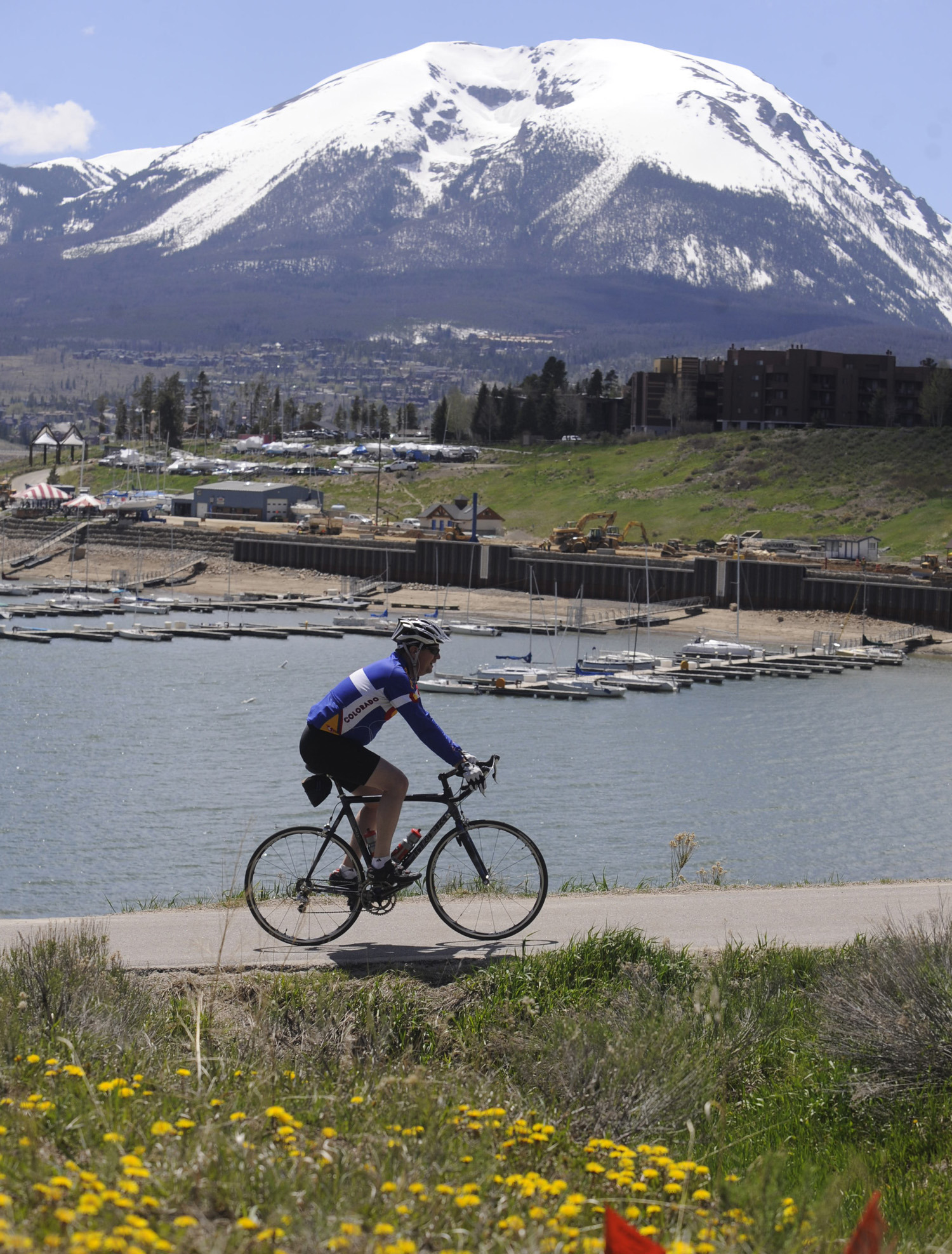
How much snow melts once winter ends affects the water conditions in the state’s most popular rivers and lakes, Bowes said. Places like Blue Mesa Reservoir, Lake Dillon and Grand Lake are huge tourism draws later in the year.
Lake Dillon could lose several feet of its shoreline and its attractiveness could be dampened, the ski town association director explained. Low water levels could affect recreational activities such as fishing, sailing, paddle-boarding and rafting.
It’s something on the mind of Tim West, the owner of fly fishing shop Breckenridge Outfitters on 101 N. Main St.
So far, the winter brought a slight uptick in people interested in fly fishing as skiers looked for alternative recreational activities, he said. But later in the year, the low snowpack could impact his busiest season.
“We’re looking to get the snowpack back to at least somewhere in a low average at this point,” West said. “If we don’t have the water to accommodate all of our reservoirs and manage the water resources, then it gets into a real struggle during the summer.”
Colorado is already dealing with water scarcity issues that can affect fishing in normal years, he said. A dry winter will only make it tougher in the summer.
A weaker snowpack means water temperatures are more likely to rise above 65 degrees, which creates dangerous conditions for trout.
For his guided tours, where they catch and release fish, he said the trout would struggle to survive when released back into the water. Fishing areas will be more likely to be placed under voluntary or mandatory closures and they’ll have to shift toward educational trips over fishing ventures.
Yet, West said his hopes remain high.
This is not the first dry spell he’s seen over his 21 years in Breckenridge and sometimes the Rocky Mountains see a surge of snow at the end of the season. The other droughts might not have been as bad or as long as this year, he explained, but it’s not a desperate situation yet.
“I am optimistic that we will still see some of those spring storm patterns come through,” West said. “And hopefully that will certainly help.”

What travelers can expect as Southwest Airlines introduces assigned seats
Rio Yamat
rio.yamat@associatedpress.com
Updated 3 hours ago
Southwest Airlines passengers made their final boarding-time scrambles for seats on Monday as the carrier prepared to end the open-seating system that distinguished it from other airlines for more than a half‑century. Starting Tuesday, customers on Southwest flights will have...

Rio Yamat
Reporter
$200M in federal funds to be deployed in Denver area for heat pumps aimed at reducing emissions
Sage Kelley
sage.kelley@denvergazette.com
Updated 3 hours ago
The Denver Regional Council of Governments (DRCOG) has officially launched a $200 million program to help reduce carbon emissions with heat pumps. The regional organization announced its new initiative, “Power Ahead Colorado,” which also includes partnerships with the Colorado Energy...

Sage Kelley
Reporter
Denver metro apartment rents fell in 2025, concessions soared
Bernadette Berdychowski
bernadette.berdychowski@denvergazette.com
Updated 1 hour ago
As more new apartments have hit the market, rents have fallen across the metro Denver area. The average rent fell nearly 5% in the last year to about $1,750, according to a fourth-quarter report from the Apartment Association of Metro...
Bernadette Berdychowski
Reporter

Forecast shows a slower commercial construction market
Mark Samuelson
mark-samuelson@denvergazette.com
Updated 4 hours ago
Commercial construction activity around the metro Denver area will continue to feel confined this coming year, as a surplus from projects launched during the COVID pandemic soaks up more recent demand, according to a new report. Arrivals of new industrial...

Mark Samuelson
Reporter
Colorado’s unemployment rate fell again in December
Bernadette Berdychowski
bernadette.berdychowski@denvergazette.com
Updated 4 hours ago
Colorado’s unemployment rate fell to 3.8% in December, according to new data released Tuesday. The rate dropped one-tenth of a percentage point, following a monthslong trend of declining unemployment in the state, according to the Colorado Department of Labor and...
Bernadette Berdychowski
Reporter

Big change coming to 2026 Great American Beer Festival
Dennis Huspeni
dennis.huspeni@gazette.com
Updated 3 hours ago
For the first time in its more than 45 years of existence, the Great American Beer Festival is moving outdoors. The 48th year of the festival sees it move from its longtime home at the Colorado Convention Center to Denver’s...

Dennis Huspeni
Reporter

Metro Moves: French aerospace company expands to Colorado
Bernadette Berdychowski
bernadette.berdychowski@denvergazette.com
Updated 15 hours ago
Welcome to the Denver Gazette’s Metro Moves. You’ll get the latest metro Denver openings, closings, hiring and promotion news here. To submit your company’s news, drop an email to bernadette.berdychowski@denvergazette.com. SODERN MOVES INTO DENVER AREA There’s a new aerospace company in...
Bernadette Berdychowski
Reporter

RTD rail service to Union Station to be halted for maintenance
Scott Weiser
scott-weiser@denvergazette.com
Updated 1 day ago
The Regional Transportation District will suspend commuter rail service to and from Denver’s Union Station on the A, B, G and N lines throughout the weekend Saturday and Sunday to perform federally required maintenance. Bus shuttles will replace train service...

Scott Weiser
Reporter

Colorado Democrats introduce bills on pricing, data privacy
Marissa Ventrelli
marissa-ventrelli@denvergazette.com
Updated 1 day ago
Democratic lawmakers have introduced a trio of bills dealing with data privacy and the retail and wholesale prices of goods. Sponsors said the bills would help Colorado consumers and small businesses tackle affordability woes. They are among a slew of...

Marissa Ventrelli
Reporter
Skybox view: Land broker forecasts where Denver is headed
Mark Samuelson
mark-samuelson@denvergazette.com
Updated 50 minutes ago
During a week when the entire country watched helicopter shots of Denver and its mountain skyline, commercial real estate broker Mike Kboudi with Cushman & Wakefield has a skybox view of the real estate playing field — and where the...
Mark Samuelson
Reporter
PREV
PREVIOUS

Big change coming to 2026 Great American Beer Festival
For the first time in its more than 45 years of existence, the Great American Beer Festival is moving outdoors. The 48th year of the festival sees it move from its longtime home at the Colorado Convention Center to Denver’s Levitt Pavilion at Ruby Hill in southwest Denver, according to a news release from the […]
Variable speed limit signs now active in Dowd Canyon west of Vail
New electronic variable-speed limit signs went live in mid-January along a high-risk stretch of Interstate 70 in Dowd Canyon west of Vail, automatically adjusting posted speeds to match real-time traffic congestion, weather and road conditions. It’s an effort by the Colorado Department of Transportation to try and reduce crashes on one of Colorado’s busiest mountain […]