







Denver metro apartment rents fell in 2025, concessions soared

As more new apartments have hit the market, rents have fallen across the metro Denver area.
The average rent fell nearly 5% in the last year to about $1,750, according to a fourth-quarter report from the Apartment Association of Metro Denver. It’s the lowest rent recorded since 2022.
Rent prices around the region began to decline halfway through 2024, as inventory expanded and vacancy rates went up. Last year, the Denver metro area saw more than 15,000 new units hit the market and about 72% of them filled up — leaving more than a third empty.
Over the last three years, Denver gained more than 45,000 new apartments.
The region’s vacancy rate grew from 6.9% to 7.6% between the last quarter of 2024 and 2025. The rise in empty apartments to the highest point in 16 years has significantly helped bring down rents, the report said.
Denver and Arapahoe County had the highest vacancy rate at 8.2%. Boulder and Broomfield County had the lowest vacancy at 6.5%.
“What all of this data means is there is an amazing opportunity for new renters to get into the market right now,” said Mark Williams, executive vice president of AAMD, in a news release. “These large increases in new apartments are naturally creating affordability across income levels and giving new renters more choice and negotiating power.”
Landlords have also offered more concessions, an amount “not seen in decades,” according to the association.
Concessions on rent, that are not included in the average rent data, grew to about $169 in the fourth quarter, more than $60 higher than in the third quarter. In short: renters are getting about four to five weeks of free rent.
It’s a sign Denver’s apartment supply has caught up to demand, said Scott Rathbun of Apartment Insights, author of the report.
“These concessions translate into real, immediate savings for new renters,” said Rathbun.
Even though the market is the most renter-friendly it has been in years, the association said it doesn’t mean it’s oversupplied. Rather, it finally caught up to the region’s population and job growth.
But the good conditions could be temporary, the association’s leaders said. While the supply has caught up, it is at risk of falling behind again.
Many of the new apartments coming into the market were planned several years ago, the report said, and the construction pipeline has slowed since its peak in 2023. Recent regulations on both state and local levels could reverse the trends, Williams said.
“Today’s affordability is largely the result of projects approved years ago, before the current regulatory environment took hold,” said Drew Hamrick, the association’s vice president of government affairs.

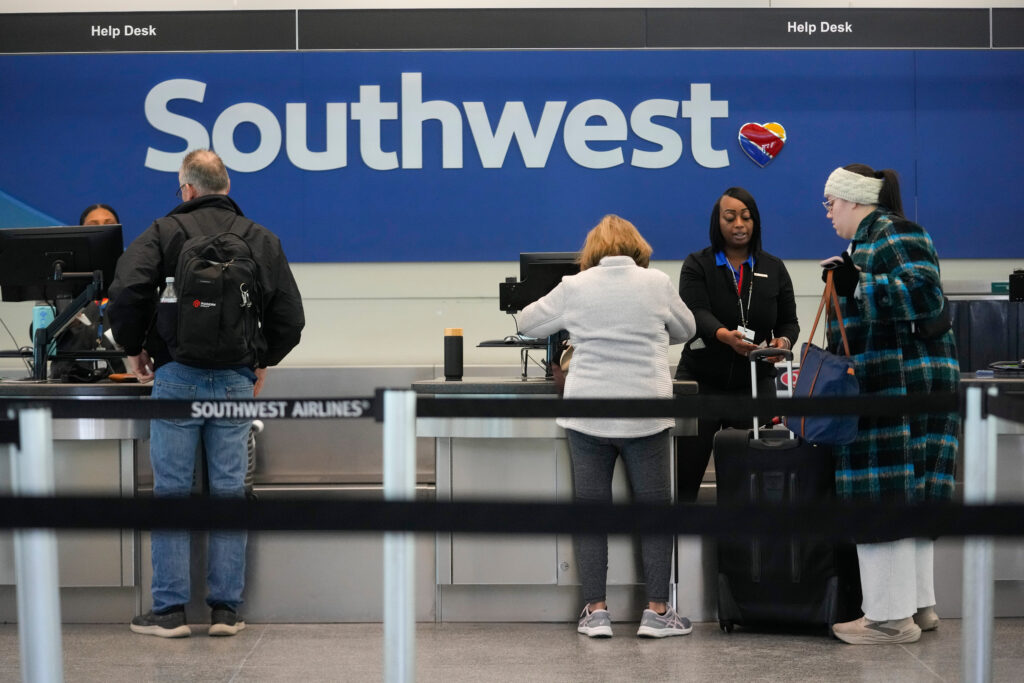
What travelers can expect as Southwest Airlines introduces assigned seats
Rio Yamat
rio.yamat@associatedpress.com
Updated 5 hours ago
Southwest Airlines passengers made their final boarding-time scrambles for seats on Monday as the carrier prepared to end the open-seating system that distinguished it from other airlines for more than a half‑century. Starting Tuesday, customers on Southwest flights will have...

Rio Yamat
Reporter
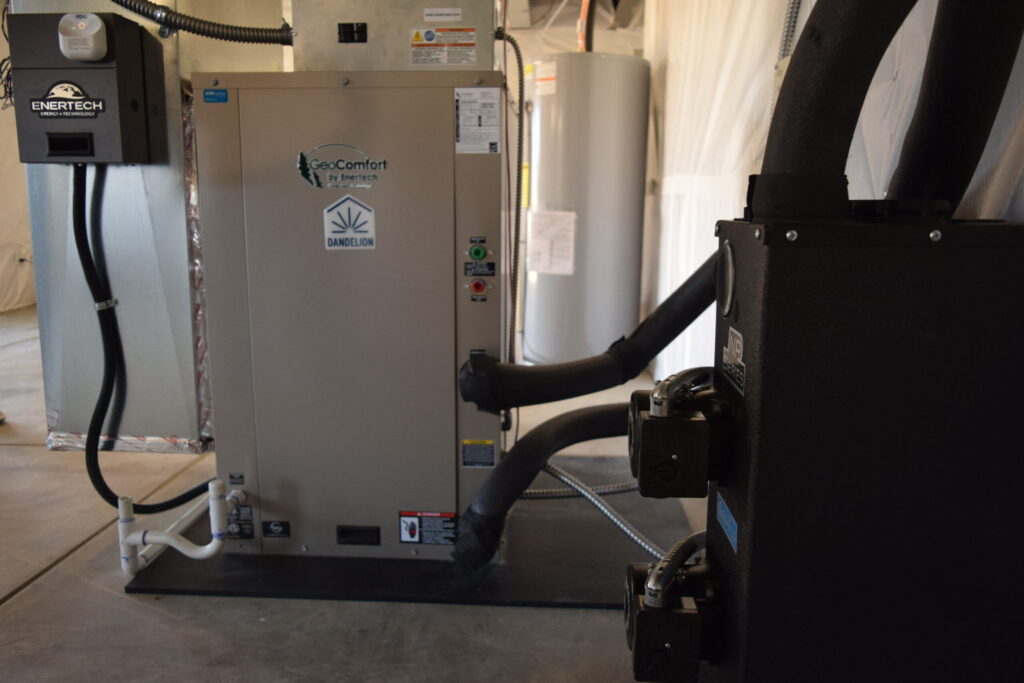
$200M in federal funds to be deployed in Denver area for heat pumps aimed at reducing emissions
Sage Kelley
sage.kelley@denvergazette.com
Updated 6 hours ago
The Denver Regional Council of Governments (DRCOG) has officially launched a $200 million program to help reduce carbon emissions with heat pumps. The regional organization announced its new initiative, “Power Ahead Colorado,” which also includes partnerships with the Colorado Energy...

Sage Kelley
Reporter

Forecast shows a slower commercial construction market
Mark Samuelson
mark-samuelson@denvergazette.com
Updated 7 hours ago
Commercial construction activity around the metro Denver area will continue to feel confined this coming year, as a surplus from projects launched during the COVID pandemic soaks up more recent demand, according to a new report. Arrivals of new industrial...

Mark Samuelson
Reporter

Colorado’s unemployment rate fell again in December
Bernadette Berdychowski
bernadette.berdychowski@denvergazette.com
Updated 7 hours ago
Colorado’s unemployment rate fell to 3.8% in December, according to new data released Tuesday. The rate dropped one-tenth of a percentage point, following a monthslong trend of declining unemployment in the state, according to the Colorado Department of Labor and...
Bernadette Berdychowski
Reporter
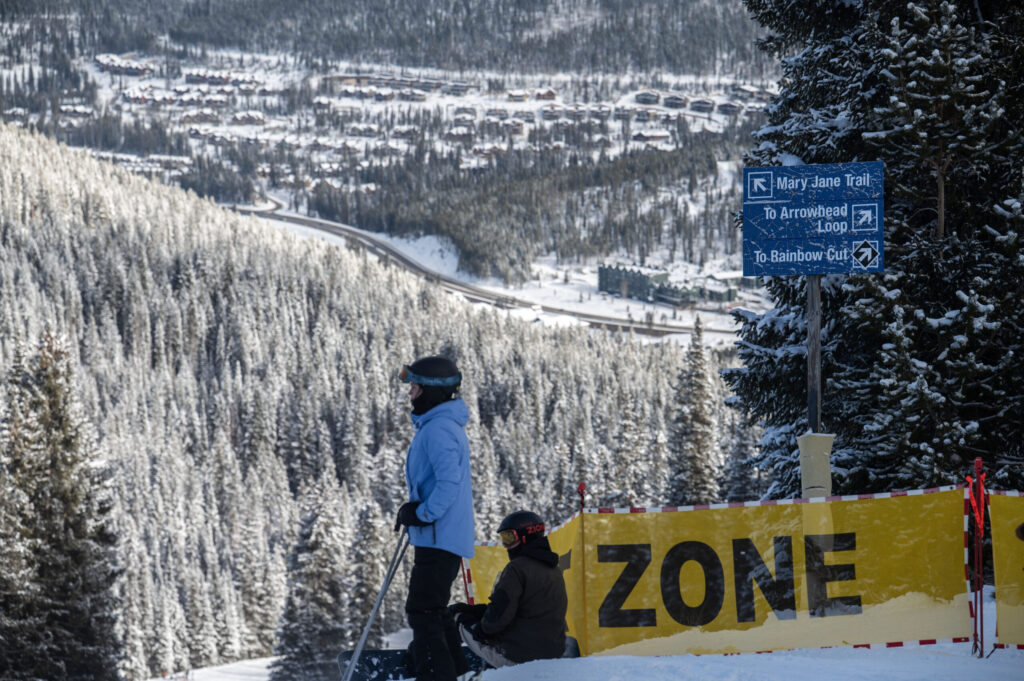
Colorado ski towns — where ‘snow is money’ — worry how long dry winter will last
Bernadette Berdychowski
bernadette.berdychowski@denvergazette.com
Updated 10 hours ago
Snowboarders and skiers have long relied on an old superstition to bring in fresh powder: putting trail maps in the freezer. But this year, amid an unusually dry winter, the need to do so seems more urgent than ever in...
Bernadette Berdychowski
Reporter

Big change coming to 2026 Great American Beer Festival
Dennis Huspeni
dennis.huspeni@gazette.com
Updated 6 hours ago
For the first time in its more than 45 years of existence, the Great American Beer Festival is moving outdoors. The 48th year of the festival sees it move from its longtime home at the Colorado Convention Center to Denver’s...

Dennis Huspeni
Reporter

Metro Moves: French aerospace company expands to Colorado
Bernadette Berdychowski
bernadette.berdychowski@denvergazette.com
Updated 17 hours ago
Welcome to the Denver Gazette’s Metro Moves. You’ll get the latest metro Denver openings, closings, hiring and promotion news here. To submit your company’s news, drop an email to bernadette.berdychowski@denvergazette.com. SODERN MOVES INTO DENVER AREA There’s a new aerospace company in...
Bernadette Berdychowski
Reporter

RTD rail service to Union Station to be halted for maintenance
Scott Weiser
scott-weiser@denvergazette.com
Updated 1 day ago
The Regional Transportation District will suspend commuter rail service to and from Denver’s Union Station on the A, B, G and N lines throughout the weekend Saturday and Sunday to perform federally required maintenance. Bus shuttles will replace train service...

Scott Weiser
Reporter

Colorado Democrats introduce bills on pricing, data privacy
Marissa Ventrelli
marissa-ventrelli@denvergazette.com
Updated 1 day ago
Democratic lawmakers have introduced a trio of bills dealing with data privacy and the retail and wholesale prices of goods. Sponsors said the bills would help Colorado consumers and small businesses tackle affordability woes. They are among a slew of...

Marissa Ventrelli
Reporter
Skybox view: Land broker forecasts where Denver is headed
Mark Samuelson
mark-samuelson@denvergazette.com
Updated 3 hours ago
During a week when the entire country watched helicopter shots of Denver and its mountain skyline, commercial real estate broker Mike Kboudi with Cushman & Wakefield has a skybox view of the real estate playing field — and where the...
Mark Samuelson
Reporter
PREV
PREVIOUS

Forecast shows a slower commercial construction market
Commercial construction activity around the metro Denver area will continue to feel confined this coming year, as a surplus from projects launched during the COVID pandemic soaks up more recent demand, according to a new report. Arrivals of new industrial space in metro Denver totaled only 3.3 million square feet last year, down from around […]

Holocaust survivors, DU officials announce endowed antisemitism professorship
Eighty-one years after Auschwitz’s liberation, the University of Denver announced a new endowed role to help keep the Holocaust’s memory alive. In the space west of the Capitol’s rotunda, and under the gaze of portraits of former state leaders on the northern wall, DU and state officials and Holocaust survivors celebrated International Holocaust Remembrance Day […]