







Lakewood zoning changes heading to special election
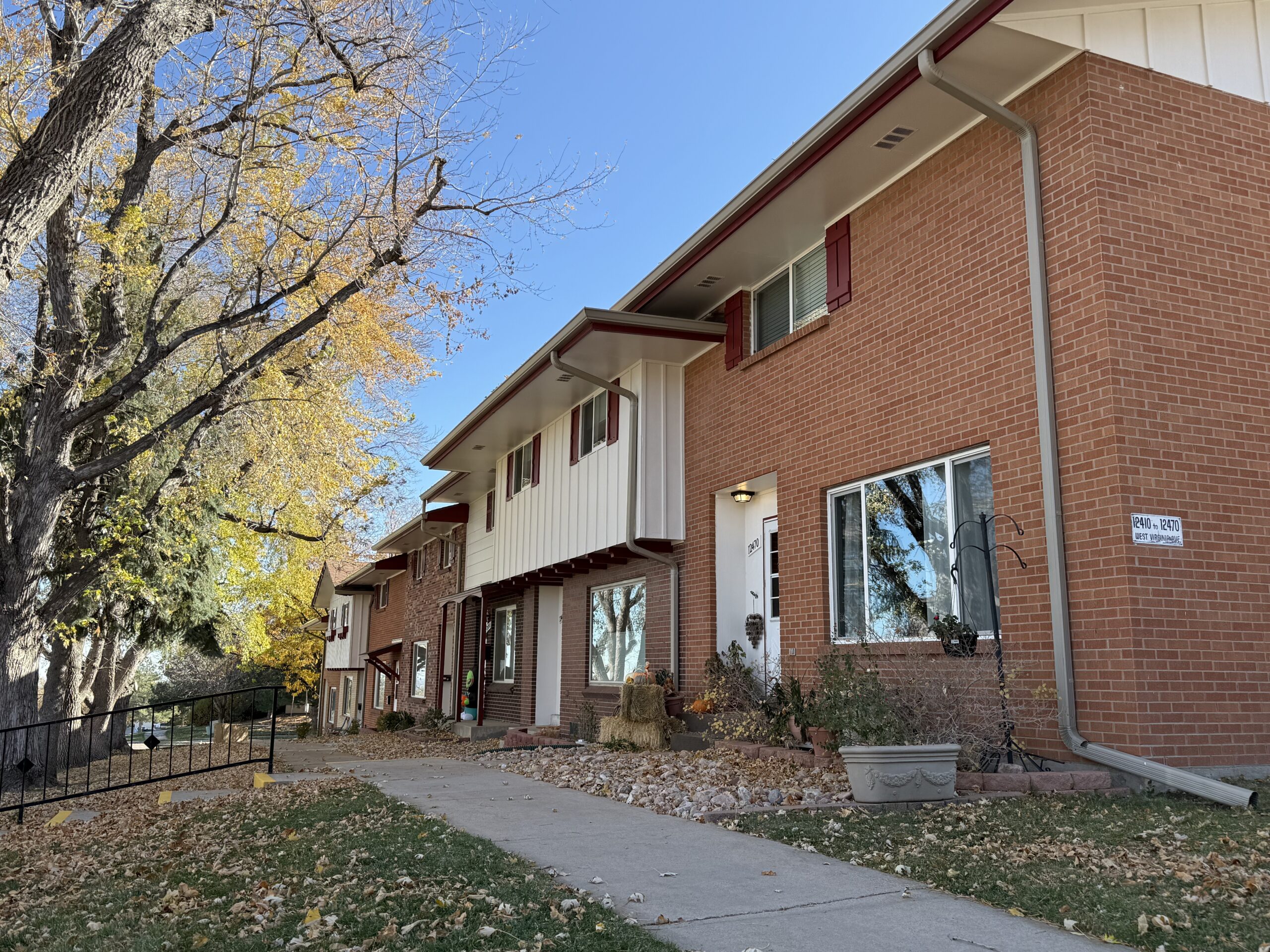
Lakewood’s long-debated zoning code changes will be heading to a vote this spring.
The Lakewood City Council on Monday unanimously voted to send four of the new zoning code’s ordinances to a special election on April 7, putting the fate of the city’s zoning changes in the hands of the citizens — a concept thousands of people fought for last year.
Lakewood City Clerk Jay Robb confirmed the sufficiency of four referendum petitions against Ordinances 2025-27, 28, 29 and 30 on Jan. 12.
The Lakewood Home Rule Charter requires “at least 3% of the total number of registered electors of the city of Lakewood on the date of the last regular municipal election” to deem a referendum petition sufficient.
All four of the petitions had at least 3,600 signatures, with three stretching past 4,000, and 3% of the around 117,000 Lakewood residents is just about 3,500.
The council had two options: repeal the petitioned ordinances or put them on a special election ballot. They all decided on the latter.
The ordinances were included in the nearly 400-page zoning code update that was officially approved by council between separate meetings last fall, with official approval of the entire update on Oct. 13.
The updates were debated for months, with vocal groups like Lakewood Citizens Alliance and Lakewood Stronger Together speaking out on social media and gathering petition signatures. Groups like Make Lakewood Livable fought to promote it.
The biggest issue raised by the opposition was the changing of the term “single-family zoning,” which does not appear in the new document. Instead, the city will use the term “residential dwellings.” A residential dwelling could be a single-family home, duplex, tri-plex or townhome in an effort to create more affordable housing.
Lakewood has never had single-family-only zoning, with all areas allowing some type of different usage like group homes or duplexes, but now all areas will allow the usage of multi-family residences.
Sophia Mayott-Guerrero, Make Lakewood Livable campaign manager and a former councilmember, told The Denver Gazette that the groups that started the petitions used fear-mongering and incorrect information regarding the changes.
She added that the updates are working to legalize starter homes in residential neighborhoods, creating stricter limits on large structures in order to preserve existing neighborhood character and allowing a more livable housing options.
“Too many things, from making rent to ever owning a home, feel out of reach for most people in Colorado,” she said. “Right now, Lakewood residents can’t afford to go backwards or waste any more time debating the importance of sustainability, accessibility, and affordability.”
Both sides of the issue, including Mayott-Guerrero and Karen Gordey, head of Lakewood Citizens Alliance, agree that sending the issue to a special election is the right move for transparency.
“Major land-use decisions should reflect informed public consent. A special election provides the transparency and voter participation necessary for the community to decide the future of its neighborhoods and the city as a whole,” Gordey said, adding that more than 6,000 unique registered Lakewood voters signed the petitions.
And now the vote will occur.
“I hope that everyone will come out and vote because this is an important issue and everyone deserves to weigh in on this,” Councilmember Roger Low said during the Monday meeting, noting that a special election does worry him because they often see less participation than normal elections.
“I hope that it’s not a low turn out election because I think it’s a matter of great consequence,” he said.
Ballots will be mailed to all active registered voters later this spring for the April 7 election.


Voters will decide proposal to repeal Colorado limits on police cooperation with immigration authorities
Marianne Goodland
marianne-goodland@denvergazette.com
Updated 6 minutes ago
A ballot initiative backed by the group Advance Colorado has qualified for the November general election, setting up a statewide vote on whether to undo limitations placed upon state and local law enforcement agencies’ ability to work with federal authorities....

Marianne Goodland
Reporter

Denver mayor aims to reduce gun violence, homelessness in 2026
Deborah Grigsby
deborah.smith@denvergazette.com
Updated 20 hours ago
Denver Mayor Mike Johnston on Monday outlined his top 2026 priorities, with an eye toward the city’s most persistent challenges, notably homelessness, which has been growing under his administration, though there had been gains in some areas. The city’s top...

Deborah Grigsby
Reporter

RTD pilots digital open meeting discussion tool
Michael Braithwaite
michael.braithwaite@gazette.com
Updated 12 hours ago
The Regional Transportation District debuted a digital tool last week that officials said is the first of its kind they’ve seen for open meetings use — at least in the Denver area. Utilized by the agency’s Board of Directors, the...

Michael Braithwaite
Reporter

Greenland is now Colorado’s problem. And that’s a good thing. | Vince Bzdek
Vince Bzdek
vince-bzdek@denvergazette.com
Updated 8 hours ago
The conclusion to the dizzying odyssey over Greenland this week reminded me a little of the ending of the “Wizard of Oz.” If you recall, Dorothy, the Scarecrow, the Lion and the Tin Man finish a great and frightful quest...

Vince Bzdek
Reporter

Denver City Council to mull spending $30M on homeless services
Deborah Grigsby
deborah.smith@denvergazette.com
Updated 1 day ago
The Denver City Council will consider a trio of resolutions totaling $30 million to support the city’s efforts to shelter the homeless. The first is a resolution to approve a $14 million, two-year agreement between the city and Bayaud Works,...
Deborah Grigsby
Reporter

Vape shops challenge Denver’s flavored tobacco ban in court
Deborah Grigsby
deborah.smith@denvergazette.com
Updated 3 days ago
The smoke has yet to settle in the battle over the city’s flavored tobacco ban as local vape shop owners have sued the City and County of Denver, asking the court to declare the ordinance unconstitutional and stop its enforcement....
Deborah Grigsby
Reporter

Rep. Ron Weinberg won’t seek reelection
Marianne Goodland
marianne-goodland@denvergazette.com
Updated 5 days ago
Republican Rep. Ron Weinberg of Loveland announced on Thursday evening that he will not seek another term in the Colorado House. “Serving this community has been one of the greatest honors of my life,” the two-term state representative said on...
Marianne Goodland
Reporter
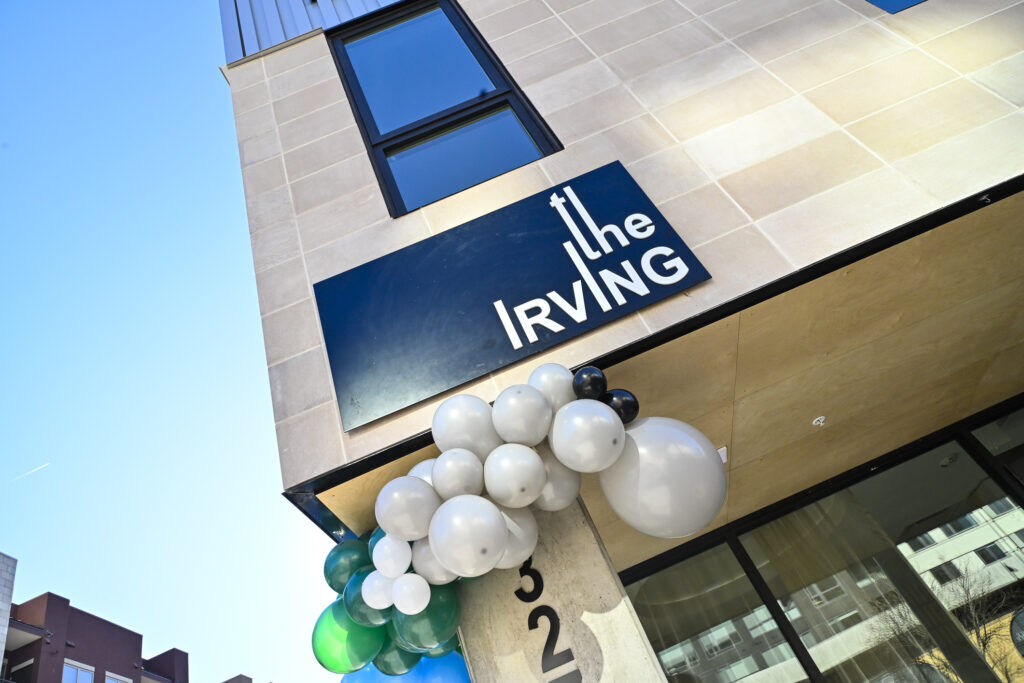
Denver unveils new all-electric, ‘permanently’ affordable housing
Deborah Grigsby
deborah.smith@denvergazette.com
Updated 4 days ago
The City of Denver welcomed its newest affordable housing community as Mayor Mike Johnston and other city leaders gathered for a brief ribbon-cutting ceremony on Thursday. Developed by the Urban Land Conservancy, The Irving at Mile High Vista is a...
Deborah Grigsby
Reporter

PUC schedules virtual hearing on proposed rules for public safety power shutoffs
Scott Weiser
scott-weiser@denvergazette.com
Updated 24 hours ago
The Colorado Public Utilities Commission will hold a virtual public comment hearing to gather input on proposed new rules for Public Safety Power Shutoff events, a wildfire prevention measure that temporarily cuts power to reduce ignition risks from utility equipment...

Scott Weiser
Reporter
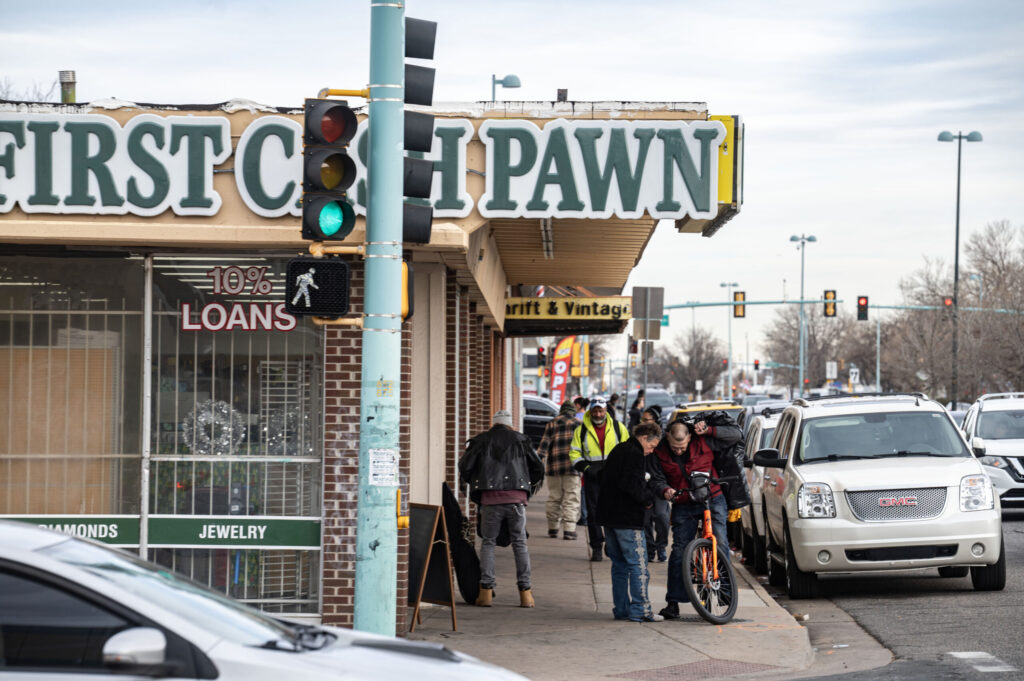
Applications open for Colfax revitalization project board
Kyla Pearce
kyla-pearce@denvergazette.com
Updated 2 days ago
Aurora’s Downtown Development Authority is seeking applicants to serve on the board that will oversee the Colfax Avenue revitalization project approved by voters in November. The application for board members opened Tuesday and the deadline to apply is Feb. 28,...

Kyla Pearce
Reporter
PREV
PREVIOUS

Colorado’s unemployment rate fell again in December
Colorado’s unemployment rate fell to 3.8% in December, according to new data released Tuesday. The rate dropped one-tenth of a percentage point, following a monthslong trend of declining unemployment in the state, according to the Colorado Department of Labor and Employment’s report. The national average also fell by the same amount to 4.4%. Colorado’s unemployment […]

Denver metro apartment rents fell in 2025, concessions soared
As more new apartments have hit the market, rents have fallen across the metro Denver area. The average rent fell nearly 5% in the last year to about $1,750, according to a fourth-quarter report from the Apartment Association of Metro Denver. It’s the lowest rent recorded since 2022. Rent prices around the region began to […]