







GUEST COLUMN: FRAMER Act works for American homebuyers
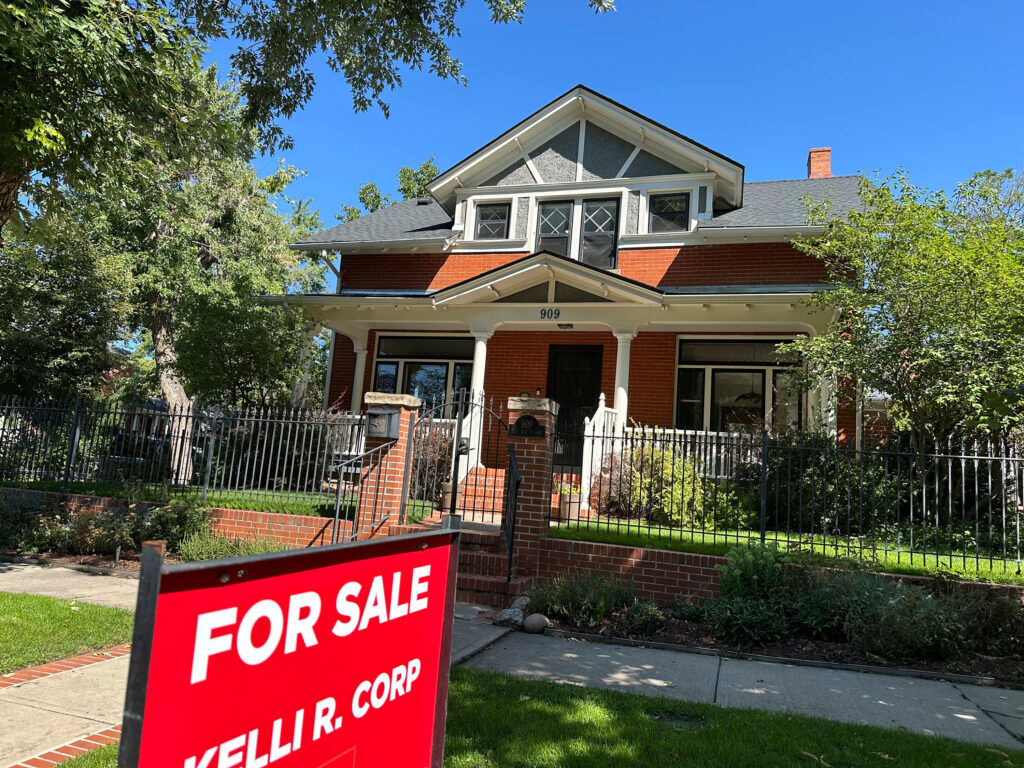
Unfortunately, the cost of homeownership continues to be out of reach for many Americans, as home prices continue to reach all-time highs, further jeopardizing the American dream. Many states’ energy efficiency codes, like those here in Colorado, have driven up the total cost of building a home by creating significant barriers to home development and worsening the housing affordability crisis.
These state energy housing codes leave home builders with no other option than to pass along the costs to the home buyer. This housing affordability issue is built on a flawed regulatory approach that will not resolve itself without a return to policies that promote home ownership and not agenda backed regulations.
Colorado is suspect number one when it comes to housing unaffordability, as determined by its own restrictive regulations created by the Colorado Energy Board. With 39% of the cost of building a home in Colorado attributable to regulatory costs, these energy code regulations set Colorado up to be ranked among the top five most expensive states in the United States by housing costs.
From day one, I promised the constituents of Colorado’s Fifth Congressional District that I would work towards fixing the affordability crisis in America. That is why I am pleased to announce that this week, I introduced The Freeing Residential Affordable Markets from Excess Regulation (FRAMER) Act, my first bill introduction of 2026. The FRAMER Act tackles this burden of regulations by incentivizing states to roll back energy and housing codes, easing the weight on home buyers and builders alike.
The FRAMER Act takes this action in three parts. First, it requires states that have a more stringent energy code requirement than the Department of Housing and Urban Development’s (HUD) standard to reimburse home builders for the cost of implementing these codes and regulations. To protect state’s rights, this legislation would only apply to homes that are built within a federal opportunity zone, a geographic zone that was first created by the Tax Cuts and Jobs Act in 2017.
Second, the bill requires the Government Accountability Office to create an annual report summarizing data from HUD, showing how much states and localities were required to pay in cost difference, the average payment per home in each state and locality, and how much each state’s regulations added to the total cost of building a home. Data collection is key in informing citizens and legislators as they advocate for legislation that address the most pressing needs with relevant data. The American people deserve to know how their state compares to others and how much more they are being forced to pay for a new home because of the regulatory harm put on home builders by states.
Lastly, the FRAMER Act ensures transparency to home buyers by informing them of any cost-saving reimbursements received by the homebuilder from the state as part of building their home. States should not sway homebuilders away from building homes with regulations and roadblocks when Americans are in dire need of new and affordable homes. This bill protects states’ rights while incentivizing states to roll back their overbearing energy efficiency codes to directly address the housing affordability crisis in America.
I am committed to ensuring that Americans, here in Colorado and across the nation, can live out the American dream of owning a home. While the Colorado legislature continues to slap on burdensome energy codes and regulations, I will continue to fight for a more affordable and deregulated home market for owners and builders alike.
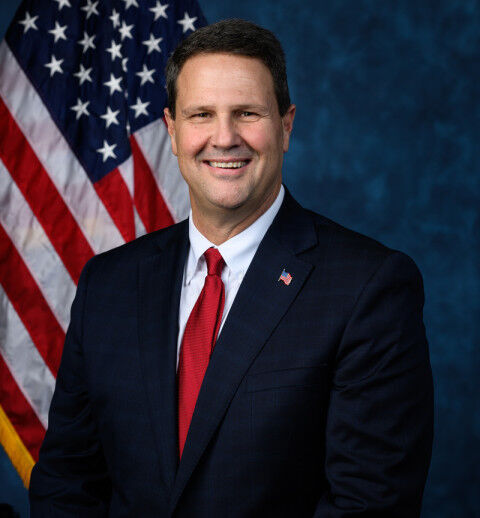
Jeff Crank represents Colorado’s Fifth Congressional District in the U.S. House of Representatives.