







EDITORIAL: Don’t leave Coloradans in the dark
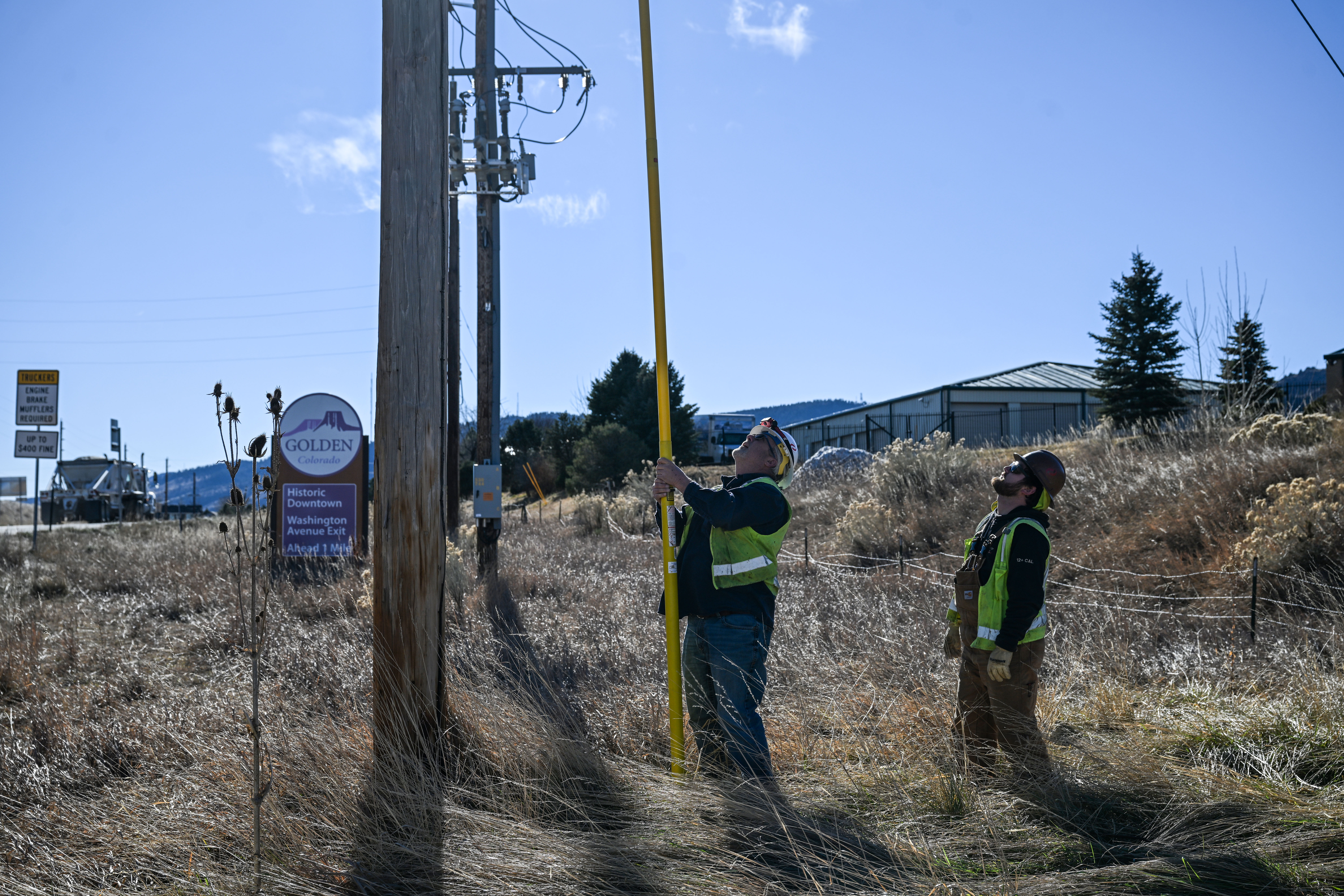
When residents spoke at last week’s meeting of the Colorado Public Utilities Commission, which regulates the state’s utility companies, they gave them an earful about Xcel Energy’s “Public Safety Power Shutoffs” in December.
The utility giant — a state-regulated monopoly — shut off power to Jefferson County, Boulder and other northern Colorado Front Range communities in advance of high winds. Amid the fallout, Xcel has neither helped nor reimbursed the families and businesses left in the dark and at risk.
“Three nights of no oxygen,” said 95-year-old Charlotte Krasnoff. “It took about a week or two until I became much more like myself.”
She wasn’t alone. Resident after resident, business after business, described spoiled food, millions in economic damage, and mounting frustration with a utility offering no support and no reassuring answers.
As The Denver Gazette reported, Boulder’s Chamber of Commerce counted $25,000 average losses per business, impacting 20,000 workers. Golden’s chamber reported $2 million in damages from roughly 100 businesses.
The testimony illustrated how leaving up to 69,000 customers without power for days wreaks havoc and inflicts real costs.
Then came Sunday this past weekend. A transformer failure at an Xcel substation caused a cascading outage, leaving 195,000 customers without electricity and bringing Denver International Airport’s trains to a halt.
Between intentional shutoffs and initially unexplained outages, the public deserves to understand what’s going on — and why.
While Xcel deserves its share of the blame, the shutoffs plan was approved by the PUC, whose members were appointed by Gov. Jared Polis.
Underlying the plan, the electrification agenda pushed by Polis’ administration and his regulators actively diverts ratepayer dollars from needed infrastructure — like hardening the grid to make it more stable and resilient — to pay for Colorado’s epic and ongoing transition to green energy.
The costs are in the billions of dollars. Ratepayers are footing the bill, only to get blackouts in return.
Xcel could and should prioritize energy reliability. The PUC, which has final say over Xcel’s rates and policies, should prod the utility accordingly.
Unfortunately, policymakers and legislators have directed regulators to pursue the narrow green agenda without considering the costs and tradeoffs — especially in terms of grid stability.
Hardening the grid and ensuring its reliability should be the PUC’s top priority for Xcel and other power producers under its purview.
Of course, policymakers must be fully informed in order to get it right when pushing for reliability.
Enter the Grand Junction-based Club 20 Foundation, which has launched a “first-of-its-kind energy impact analysis,” in partnership with Indiana-based Purdue University, Purdue’s Applied Research Institute and State Utility Forecasting Group, and KeyLogic.
Xcel is also Grand Junction’s utility service provider.
The foundation’s plan is to offer neutral, independent analysis so utilities, regulators and policymakers can have a complete picture of major electricity system options. The goal is to put them on “the same analytical footing” with apples-to-apples comparisons, evaluating decades of data on performance, reliability, costs, tradeoffs, environmental impacts and more.
This is the kind of analysis decision makers should consider when making energy policy. The study is pending, and the foundation is seeking $2 million to finance it. But add it to the list of things that should give the legislature pause on its electrification agenda.
The public has spoken. Now it’s on legislators, the Polis administration, and the regulators they control to listen — before they dig in their heels on an energy agenda that leaves more Coloradans in the dark.