







PERSPECTIVE: A crazy train to energy oblivion in Colorado
Colorado’s Green Energy Express is careening out of control and heading for a derailment. The only thing that can prevent it now are alert ratepayers recognizing the warning signs and regaining control of this runaway train. It’ll require a return to common sense and energy realism.
Nothing short of a utility ratepayer revolt will avert a crisis in reliable energy. Gov. Jared Polis, along with his Public Utilities Commission, Colorado Energy Office and a majority of state legislators, has been ignoring the dangerous curves ahead and still has the throttle wide open. None of them even seems to recognize we’re heading for a collision with reality.
Hastily delayed power plant closures; planned power outages; opposition to new data centers; punitive pricing schemes aimed at energy rationing; high anxiety over formerly routine weather events; reports of narrowing reserve margins (the energy buffer we must maintain to prevent system failures when demand spikes) — none of these were a normal part of the energy landscape not too long ago. Now, they are. And they’re all signs that Colorado’s Green Energy Express is quickly running out of track.
How did Colorado get to this point?
The train left the station in November of 2004, when voters passed Amendment 37, the first citizen-initiated renewable portfolio standard in the country. The goal: Colorado was to derive 10% of its total energy from renewable sources like wind an solar by 2015. It seemed achievable and maybe affordable. But instead of placating renewable energy hardliners, it whetted their appetites for more. And more. And more.
Then-Gov. Bill Ritter climbed aboard in 2007 and pulled open the throttle further. House Bill 07-1281 doubled the renewable energy target to 20% by 2020. Ritter created new state agencies to usher in greener energy; lured wind-turbine maker Vestas to build factories, and started talking about a “New Energy Economy” like it was the second coming. Nobody asked too loudly what it all would cost, or whether the benefits would outweigh the cost.
By 2010 the train was really moving. House Bill 10-1001 cranked up the state’s Renewable Energy Standard to 30% by 2020 — the highest in the nation at the time — and the legislature’s Clean Air-Clean Jobs Act started scheduling coal plants for early retirement. Still no serious homework was done on what happens when the wind dies and the sun sets. Still no credible cost-benefit analysis. People were just throwing arbitrary numbers on the wall to see what would stick.
Senate Bill 13-252 in 2013 dragged rural electric co-ops onto the train with 20% targets. Rural Colorado quietly started paying the tab for Denver’s virtue signaling on green energy. Then Polis took the controls when he was sworn in as governor in 2019 and, with an able assist from legislators, set the train on its current collision course.
House Bill 19-1261, signed into law by Polis, locked in greenhouse gas cuts: 26% by 2025, 50% by 2030, 90% by 2050. Senate Bill 19-236 promised 100% clean electricity by 2050 (if “technically and economically feasible” — that little escape hatch nobody talks about anymore). Polis then used his executive authority to swing for the bleacher seats — 100% renewables by 2040! Executive orders started electrifying state fleets and buildings. The 2021 GHG Roadmap and 2023’s net-zero-by-2050 bill just kept piling on, setting almost surreal standards.
Every ballot measure, every bill, every executive order, every press release was another accelerant. And at every step, someone forgot — or deliberately ignored — running the numbers on what this would actually cost families, businesses and the grid itself.
No one in charge asked if it was technically feasible, or whether the benefits would outweigh the costs.
Nor did they ask whether “the green energy revolution” would move the dial even slightly on the purported crisis of global carbon emissions.
Now look at us. We’re hurtling toward 100% clean energy by 2040 (or 2050, depending on who’s revising the fantasy calendar this week), but the wheels are shaking and the rails are starting to melt. The average Coloradan’s utility bills have roughly doubled since 2004, despite repeated promises that this might actually save us money. Even sharper price spikes are ahead.
There are clear signs the Green Energy Express is going off the rails.
There’s the sudden concern about new data centers, which enable the AI revolution but significantly boost demand on an increasingly frail and overloaded grid. Unlike most power users, data centers pull power continuously, 24/7. That wouldn’t be a problem (and might even be a plus) if Colorado were adding new “dispatchable” power generation — meaning instantaneous sources like natural gas or coal rather than intermittent sources, like solar or wind power. But the construction of dispatchable power plants has essentially flatlined — Colorado has opened only one new coal plant since 2000, while shuttering many — even as demand continues to grow.
Under the old paradigm — a paradigm that worked well and did not need radical reinvention — new dispatchable power units would be added to meet growing demand. We called it progress. And we welcomed it. But green energy advocates and climate crusaders chucked that paradigm. Now any demand drivers, like data centers, are feared as a drain that the frail green grid can’t handle. Expect Colorado to start scapegoating and obstructing any facility, industry or development that will place a strain on a shaky green grid. At least one bill pending in the 2026 General Assembly does exactly that.
Here’s another sign of trouble we shouldn’t ignore.
Coal power units that had been scheduled for closure aren’t closing as scheduled for fear that abruptly losing that much reliable power will dangerously reduce the reserve margins we need to ensure grid stability. President Trump’s EPA intervened to halt the scheduled closure of Unit 1 at the Craig Power station for fear, again, that the slated closure would leave too little margin for error if spikes in demand occurred. Trump’s EPA also criticized Colorado for using ginned-up clean air concerns as a specious pretext for rushing coal plant closures forward.
EPA rejected Colorado’s haze plan a few weeks ago, saying the state was trying to use federal clean-air rules to force non-consensual coal closures that weren’t even necessary to improve visibility in Rocky Mountain National Park and along the Front Range. Cyrus Western, the EPA’s Region 8 administrator told Colorado Public Radio that the state “did not need to shut down these coal plants to be compliant (with federal clean air rules).”
But the feds aren’t the only ones scrambling to avert a crisis by delaying the scheduled closure of Colorado’s most reliable power providers. Polis also has quietly worked to keep Comanche Unit 2 in Pueblo from a planned closure, acting through his minions and surrogates at the Colorado Public Utilities Commission and Colorado Energy Office.
That coal plants scheduled for closure need to be hastily saved from closure, to avert a possible crisis, shows the precariousness of Colorado’s position. It also shows that coal still matters, despite the environmental movement’s obsession with driving it to extinction.
Polis isn’t advertising this temporary bow to energy realism. Actually, he would really rather not talk about it, given his prominence as an anti-coal crusader. The delay risks infuriating his pals in the climate lobby, who are demanding the ritual sacrifice of all coal jobs and coal plants in Colorado, damn the costs or consequences. It doesn’t signal a change of heart for Polis, who used his final State of the State address to the legislature to cherry pick green energy success stories while papering over emerging problems.
This pumping of the brakes on the Green bullet train does not signal a retreat, a reversal, a reappraisal in light of emerging realities, or a bow to energy realism. These are tactical maneuvers meant to avert a short-term energy crunch and buy enough time for Polis to get off the train safely — this is the term-limited governor’s last year in office — before enraged passengers realize that they’ve been taken for a ride.
Weather-related anxiety attacks are another telling sign of trouble ahead. Coloradans may have noticed the sense of panic that creeps in when cold snaps or heat waves are in the forecast — something unheard of before we all were ushered aboard the Green Energy Express. Intense heat or extreme cold place strains on the grid, but weren’t a major cause for alarm before we dangerously destabilized the grid by overloading it with fluctuating, intermittent energy like wind and solar. Temperature swings that used to be taken in stride now have utility officials and politicians in a panic. That should tell ratepayers that something major has changed in terms of grid reliability and stability.
And how about another new feature of the “green energy economy” — planned outages! Who would have imagined, only 10 or 15 years ago, that pre-planned power outages would become a feature of life in America? We used to ridicule countries that couldn’t keep the lights on. Now we’ve joined their ranks, not because there’s a shortage of available energy in the United States — but because climate crusaders have set out to create energy scarcity in a land of energy plenty.
Now, to be clear, the last major planned outage you heard about (and experienced directly if you are an Xcel Energy consumer in metro Denver) wasn’t directly connected to an anticipated shortage of reliable energy. The power was cut during high winds for fear power poles and lines would blow down, causing another Marshall Fire-like catastrophe. But ask yourself why power poles and lines are suddenly so susceptible to blowdowns and the connection to the green energy spending splurge becomes evident.
“Green” power providers are underinvesting in the modernization and maintenance of tried-and-true technology, while overinvesting in “green” pie in the sky, which is why deteriorating old power poles along the Front Range can’t withstand a windy day. Xcel and some other Colorado power providers have been dumping billions of dollars into renewable facilities and the transmission networks that tie them into the grid, while neglecting the “old” infrastructure that still keeps the grid functional and reliable. They can’t adequately harden or fireproof power lines where people live because we’re pouring dollars into green energy gimmickry way out on the high plains, and on the new transmission lines and towers that connect wind and solar farms to the system.
Another area of growing concern, nationally and in Colorado, are reports of narrowing reserve margins. “Reserve margin” (also called planning reserve margin or anticipated reserve margin) is a key metric for electric grid reliability. It measures the percentage by which available generating capacity exceeds expected peak demand, providing a buffer for unexpected outages, extreme weather, forecasting errors or other disruptions.
Regulatory bodies like the North American Electric Reliability Corporation, or NERC, compare this against a reference or target level (often around 15% nationally). Falling below the target signals heightened risk of shortages or blackouts. Recent reports from regulatory bodies serve as clear warning signs of an impending energy crunch across the United States and especially in Colorado.
NERC’s 2025-2026 Winter Reliability Assessment found that while resources are adequate for normal winter peak demand conditions across North America, rising electricity demand (up 20 gigawatts since the prior winter) outpaces capacity additions. This, combined with thermal plant retirements and a shift toward variable resources like wind and solar, creates elevated risks of insufficient supplies during prolonged cold snaps or extreme conditions. Many areas face potential shortfalls if weather deviates from normal, highlighting tightening supply buffers that could lead to reliability failures without further mitigation.
The Federal Energy Regulatory Commission’s (FERC) 2025 Summer Energy Market and Electric Reliability Assessment also highlighted tightening reserve margins across the U.S., driven by rapid load growth from data centers and electrification, alongside the retirement of dispatchable generation like coal plants. FERC emphasizes that planning reserve margins are eroding, signaling potential reliability challenges if new capacity additions do not keep pace. In the subsequent 2025-2026 Winter Energy Market and Electric Reliability Assessment, FERC repeats these concerns, noting persistent pressures from rising demand outpacing supply additions and fuel assurance issues during cold weather events.
“We are losing dispatchable generation at a pace that is not sustainable and we are not adding sufficient equivalent generation capacity,” FERC Chairman Mark Christie said in a statement.
In Colorado, Public Service Company of Colorado (the formal name of Minneapolis-based Xcel Energy in the state) resource adequacy filings for 2025 and related analyses indicate similar challenges. Forecasts show reserve margins approaching or dipping below safe targets in the coming years, influenced by coal retirements, rapid demand growth (including from electrification and data centers), and delays in replacement resources. Independent reports project negative margins as early as 2026 and worsening significantly. This points to serious risks of energy scarcity, increased blackout potential during peaks, and the urgent need for accelerated resource additions and mitigation to prevent a crunch where the grid cannot reliably meet demand.
The final warning of looming trouble can be found by carefully reading your monthly utility bill. It’s not just the continually rising total that may shock you; it’s the game your energy provider may be playing with punitive pricing schemes and other “demand-side-management” tools. “Demand side management” is an industry euphemism for energy rationing. It’s an effort by power providers to deal with looming energy scarcity by conditioning customers to use energy when it is convenient for the power provider, not for the customer. They market such “innovations” to customers as a way to incentivize “wise-energy choices” using “market mechanisms.” But there’s nothing free market about it: it’s social conditioning that punishes customers for using power when customers need it most.
Take Colorado Springs Utilities’ “Energy Wise” rates. They slap you with higher prices during peak hours (5-9 p.m. weekdays), when families are cooking dinner, heating homes in winter, or just trying to live normally. It’s not “wise” — it’s punitive pricing that punishes you for using power exactly when you need it most. Xcel Energy is doing the same with its “Time of Use” rates, jacking up costs two to three times during those same evening peaks.
Why the sudden need for this sneaky rationing? Because Colorado utilities have poured billions into unreliable, intermittent wind and solar while rushing to shutter dependable coal and natural gas plants. Demand is surging from electrification, EVs, data centers, and population growth, but reliable supply is shrinking fast under the state’s heavy regulatory push for “green” energy. As the gap between rising demand and dependable supply widens, expect more demand-side management tactics — “time-of-use” penalties, “demand charges,” and other load-shifting schemes — to become the norm. They’ll call it “smart” or “efficient,” but it’s rationing meant to mask the grid’s growing fragility.
Where does this leave you, the average utility customer? It leaves you paying more and more for a service that’s becoming less-and less dependable. It leaves you as a passenger on a runaway train.
As Colorado pushes toward its aggressive clean energy targets — 80% carbon emission reductions by 2030 for major utilities like Xcel Energy and a statewide goal of 100% renewable or clean electricity by 2040 — ratepayers should brace for the worst. In late 2025, Xcel Energy requested a 9.9% residential rate increase effective this year, which would add roughly $10 per month to the average household bill to fund grid upgrades, wildfire mitigation, and the ongoing transition from coal. Looking further ahead, a January 2025 report from the Common Sense Institute forecasts that pursuing these mandates could cost residential households an extra $6,400 to $9,280 in electricity bills through 2040, driven by over $100 billion in projected investments for new wind, solar, battery storage, transmission, and other infrastructure. Xcel’s own projections suggest residential base rates could climb to around 21 cents per kilowatt-hour by 2032, a 30% jump from current levels, reflecting booming demand from electrification and data centers. For everyday Coloradans, the decade ahead likely means steadily rising monthly bills, potentially 20-50% higher by 2030 in many scenarios.
Since 2004, residential electricity rates have risen from about 8.4 cents per kilowatt-hour to roughly 16.3 cents in 2025, a near-doubling. Average monthly bills for typical households have climbed from $50-$60 to around $100-$110, with sharper jumps in recent years tied to coal plant retirements, green grid upgrades, and rising demand
Travas Deal, CEO of city-owned Colorado Springs Utilities, deserves a medal for candor. While most utility execs tiptoe around the emperor’s new clothes, Deal’s out there saying the quiet part loud: renewable bids are coming in 30%-50% over budget, transmission is bottlenecked, demand is exploding, and the scheduled closure of the Ray Nixon power plant, without replacements, is a recipe for blackouts and even higher rates.
“Mandatory retirement without reliable replacement power will threaten reliability and drive rates higher,” he recently wrote.
And what’s it all for? We’re saving the planet, right?
The vaunted environmental benefits are minuscule if you pull back and look at the big picture. Colorado is trying desperately to erase coal from the mix. But the rest of the world doesn’t care. Other countries don’t share our suicidal tendencies. Global coal demand hit a record 8.8 billion tons in 2024, up 1.5% from 2023, and it’s set to plateau at near-record levels through 2026. China? They burned 4.9 billion tons last year, a 1% increase, building new plants like it’s 1950. China added between 80 and 100 new coal power plants last year alone. Each of those plants could be burning coal for 50 years. India’s demand for coal surged 10% to 1.245 billion tons in 2023, and it’s still climbing. Indonesia? Up 150% since 2015. Asia-Pacific accounts for 77% of global use, with these giants offsetting every Western cutback. We’re shutting down clean, regulated U.S. coal mines and power plants, while polluting behemoths abroad laugh at us.
Colorado’s “greenhouse gas” emissions were about 130 million metric tons CO₂ in 2005. By 2023 we were down to roughly 118 — 9%-16% depending on how you slice the pie. The 2025 inventory says we’ve hit only 21% reduction when the law demanded 26%. We’re missing targets, chasing them a year or two late, and burning billions to do it.
Yet, globally, we’re not making any difference at all. Colorado’s entire output is 0.2% of global GHG emissions. Even if we hit the full 50% cut by 2030, it amounts to no more than a rounding error — less than a few days of China’s coal plants.
It’s time to hit the emergency brake on this runaway train. Nothing short of a ratepayer’s revolt will force our blinkered, climate-crusading “leaders” to heed the warning signs, get real, and plot a better course. PUCs meetings should be standing room only, packed to the walls with informed and angry ratepayers demanding that the commission put their interest ahead of the green special interests driving this agenda. No candidate for governor (or the statehouse) should be taken seriously who can’t foresee the mounting problem and present a detailed and realistic plan for restoring energy realism and extracting us from this mess.
Let’s go back to what actually works: practicality, affordability, common sense and energy realism. Reinvest in the tried and true. Temper the grand ambitions with hard skepticism toward anyone promising miracles that come with a six-figure price tag per household. Reversing course won’t be easy, or cost free, but pale in comparison to the cataclysmic costs of plowing blindly ahead on the present course.
The future doesn’t have to be a smoking pile of twisted metal. It can be a steady, reliable ride to prosperity — if we find the guts to admit the hype was hype, swallow the sunk costs if we have to, and get back on a track toward reality before this train flies off the trestle, ending in economic ruin and chronic energy insecurity.
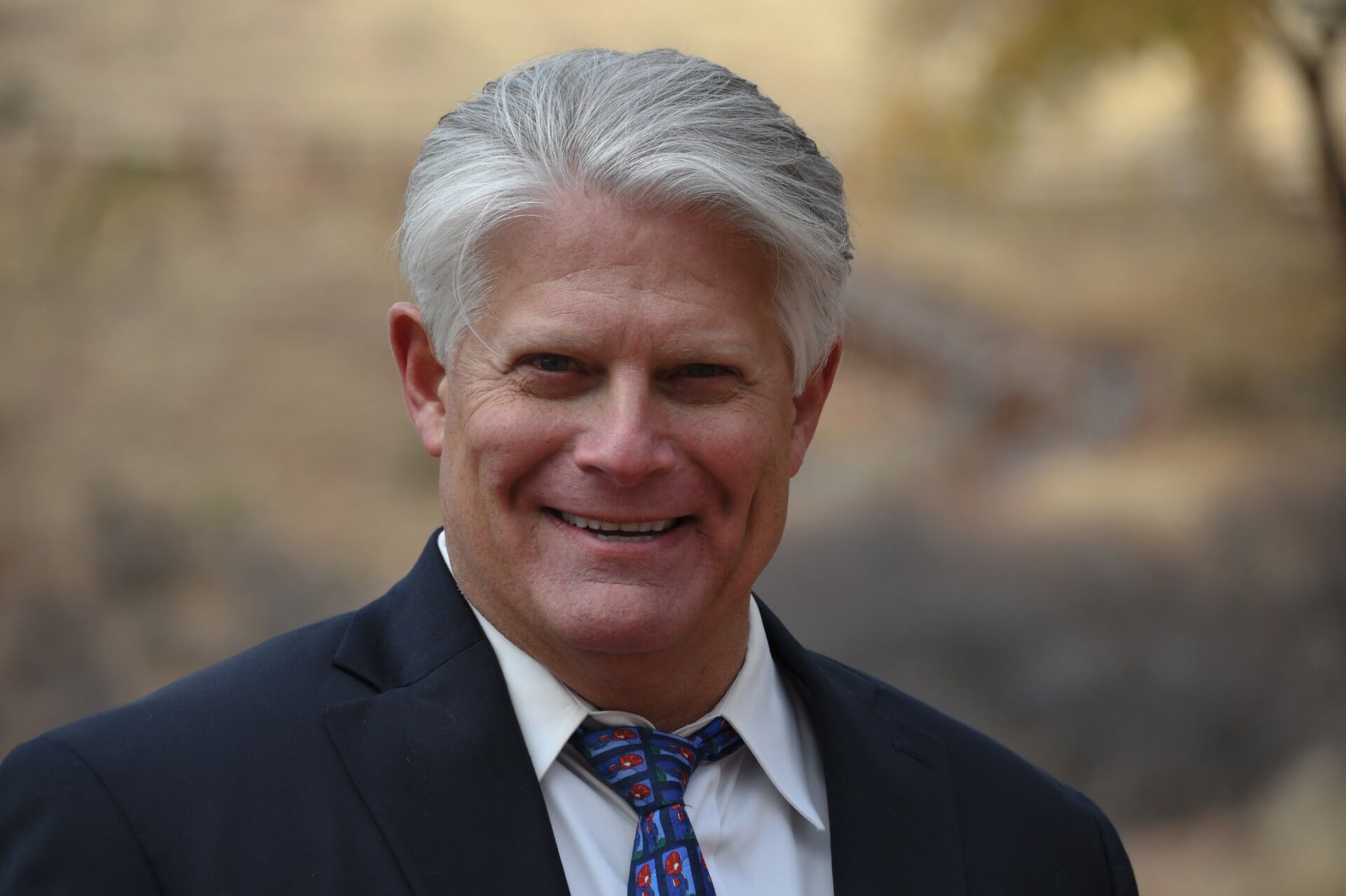
Sean Paige is a former Warren T. Brooks Fellow at the Competitive Enterprise Institute, a free market think tank, and served on the Colorado Springs City Council and Colorado Springs Utility Board. He has written extensively energy issues as a journalist.