




Longs Peak climbers become incapacitated at 14,000 feet during winter push to summit
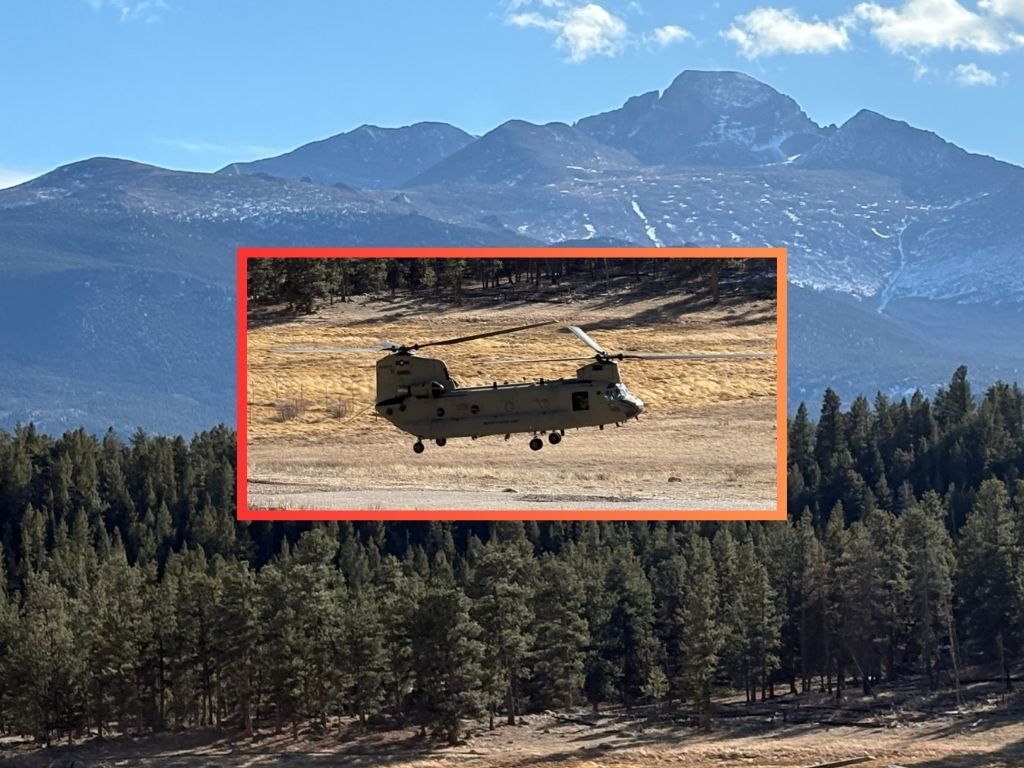
A rescue took place on Colorado’s 14,259-foot Longs Peak last Friday, highlighting how winter risks are still present in the state’s backcountry despite the general lack of typical snowpack.
According to a press release from Rocky Mountain National Park, two male climbers age 47 and 50 requested assistance after becoming incapacitated while climbing Longs Peak’s Kiener’s Route. Also known as the Mountaineer’s Route, this mixed rock and snow route is found on the East Face of the mountain and includes climbing up a couloir that’s at an angle of about 50 degrees with this stretch alone climbing about 1,000 vertical feet. In addition to that feature, there’s plenty of high-risk scrambling with class four moves in the mix, according to Mountain Project. In other words, this route is much more technical and difficult compared to the standard Longs Peak route most know, requiring special winter gear, like crampons.
Per the press release related to the matter, park rangers were contacted about the situation late on Friday, with the two climbers unable to continue their route at about 14,000 feet of elevation. The climbers had not planned to spend the night on the mountain, but that’s what ended up happening.
With the call for help coming in late, communication was maintained with the climbers overnight and rescue operations were initiated for early Saturday morning.
While two helicopters were forced to abort rescue efforts due to strong winds, a Chinook helicopter that was requested from the Colorado National Guard Army Aviation Support Facility at Buckley Space Force Base was able to successfully land on the summit of the mountain with the climbers able to reach its position. It’s worth noting that the summit of Longs Peak is notably large and flat, which was likely a factor that attributed to this landing being possible.
The climbers were then flown to Upper Beaver Meadows Road within Rocky Mountain National Park.
Following the rescue of the two climbers, Rocky Mountain National Park reminded visitors that even when there’s not as much snow as usual, other winter hazards can pose serious risks, including ice, high winds, and subzero temperatures. This makes it crucial to pick adventures wisely and to prepare with proper gear – that includes gear that will keep you warm if you have to wait it out on the mountain overnight.
In additional to Rocky Mountain National Park personnel, Larimer County Search and Rescue, Colorado Search and Rescue, Alpine Rescue, Rocky Mountain Rescue, and the Colorado National Guard were involved in this mission.
STAY INFORMED: Get free Colorado news with our daily newsletter (Click here)
Get OutThere
Signup today for free and be the first to get notified on new updates.
PREV
PREVIOUS

Colorado breweries win top awards in beer competition
The Colorado Brewers Guild has recently announced the winners of the annual Colorado Brewers Cup, which “showcases the exceptional quality of craft beer in Colorado.” Glenwood Canyon Brewing won small brewery of the year, which includes brewers with under 675 barrels, and Weldwerks Brewing won for mid-sized brewery of the year. Glenwood Canyon is located […]

30" of snow could fall in Colorado with three winter storms expected
At long last, a shift in the weather pattern should start to bring more consistent snow to Colorado as mid-February starts to hit. A first wave of snow is expected to start in northern Colorado on February 10, pushing south as it continues into February 14. By the time snow stops falling, decent accumulation should […]