







‘Don’t give up on Symes Building’: Office-to-housing conversion on hold
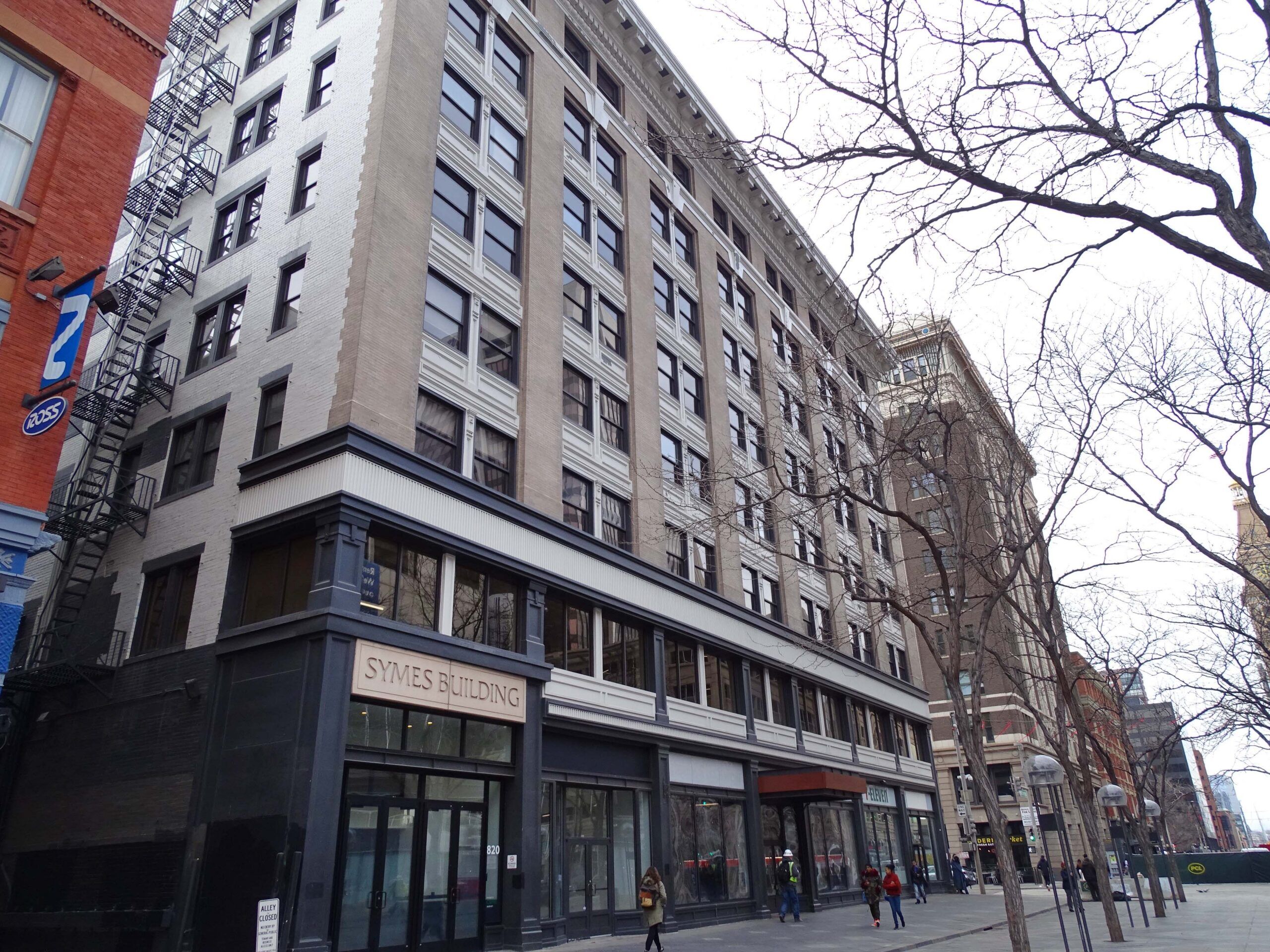
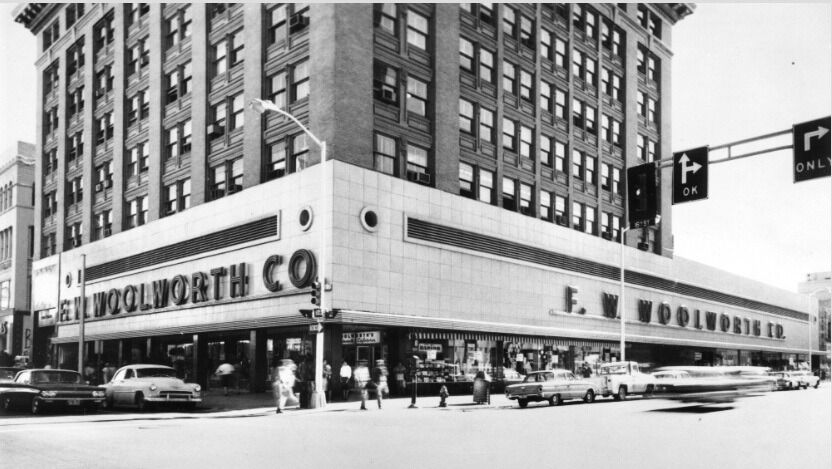
The eight-story Symes Building at 16th and Champa Streets was the tallest in Denver when it topped off in 1906, and Coloradans knew it for decades for its F.W. Woolworth’s five-and-dime store and lunch counter.
Now it could become apartments, something that could add new residents and foot traffic to a central business district anxious to rebuild its vibe.
Or it could sit idle in a no-man’s-land, at a moment when downtown buildings are trapped between low vacancies and declining square-foot values.
The apartment conversion idea was moving ahead after a California developer bought the building for $24.5 million in 2018. Denver’s Downtown Development Authority had offered a supplementary loan of $17 million toward construction to help move it along.
However, the project’s primary lender took the Symes back last week, reportedly after the subsidiary developer, Colorado-based Massandra Harbor George Owner, LLC, failed to make payments. That cast a shadow over what was seen as a particularly good conversion prospect.
ANOTHER CHAPTER
But Bill Mosher, chief project officer for the DDA, said it’s too early to give up on the Symes Building.
“I wouldn’t say it hasn’t worked out, it’s another chapter in the thing,” Mosher told The Denver Gazette.
The city has actually spent nothing on the project, Mosher noted. DDA’s development loans, designed to finance 20% or 30% of total construction costs, are always contingent on final approval of a construction loan.
Meanwhile, the Symes Building checks off many boxes of what the city would like to see move ahead as downtown confronts vacancies and other problems that arrived in the wake of the worldwide pandemic.
Unlike newer office towers purchased for residential conversions, the building has the smaller footprint of a more manageable project. Its good-looking lines still stand out as one of downtown’s most attractive offices.
New York architects Hunt & Hunt get the credit. Some recent sources have given it to Frank Edbrooke, who did the Denver Dry and Joslin’s department stores. Not true, said Rob Naiman, whose family had been long-time owners.
Naiman, whose first job was working for his uncle, Marv Naiman, on the eighth floor, recalls Woolworth’s lunch counter as having the best pizza in downtown.
“A slice and a large Coke was 90 cents, which fit the budget of a starving real estate agent,” he told The Denver Gazette.
The Symes is new enough to have been built with steel construction, but old enough to have a deep air well lining its backside — necessary before central air conditioning. That well could offer daylight to homes and common areas.
Meanwhile, the smaller scale would allow apartments to be more of what renters expect from a building, with a larger proportion of them facing the windows. Office towers from a half-century later often have floorplates with largely unusable cores for restrooms and elevators, harder to incorporate in a residential layout.
Better yet, the Symes faces newly reopened 16th Street, a priority for the city. It sits across Champa from the 12-story University Building, built in 1911, another office tentatively approved by DDA for a residential conversion.
“I get a lot of people who tell me you ought to just tear down some of those old buildings,” Mosher said. “We’re not tearing down University or Symes.”
Mosher notes that the century-old landmark has another advantage that would encourage a return of downtown’s vibrancy, harking back to its days as a five-and-dime.
“We’re encouraging first-floor retail, so the property becomes mixed-use, which adds to its commercial value. People don’t necessarily want to live with their door on the 16th Street Mall,” Mosher said.
“The cool thing about downtown is how many iterations these have gone through, and people still love the buildings,” he said. “You just don’t tear them down.”
Finished Symes units, Mosher adds, are projected to rent low enough to be affordable at 80% of the area’s median income, in a location surrounded by lots of jobs.
But historic buildings like the Symes sit at a disadvantage now, at a moment when recent sales of office towers in upper downtown have gone at much lower costs per-square-foot.
Mosher, however, notes that DDA’s financing structure for potential projects tends to level out any pricing disadvantages that older, historic purchases carry along. Loans are weighed with total construction costs included, along with what developers have paid for the properties.
CONTACTS WITH LENDER
“It’s disappointing, but I’m hopeful,” Mosher added, noting that the DDA has been contacted by the lender, Los Angeles-based Thorofare Capital.
“I think the lender will either find a buyer or would joint-venture it with a buyer,” he said.
Contacted by The Denver Gazette, a senior associate at the lender declined to comment.
Adding to the project’s attractiveness, Mosher noted, is that it comes with a city-approved site development plan — something not all properties ventured for redevelopment have. The potential scale, originally set for 117 units, would require less capital and would likely face fewer construction hurdles than office tower conversion projects.
“In the long term, we’d like to get 4,000 units into upper downtown, to eliminate some of the static vacancies,” Mosher said. “But we can only absorb so many at a time. If we could get 1,000 or 1,500 units underway, hopefully others will come and do the same.”
What other alternatives are there for downtown?
“It has to become a neighborhood or it’s going to make recovery even more difficult,” he said.

9NEWS compared food prices inside and outside Denver’s airport
9News
9news@denvergazette.com
Updated 2 hours ago
By Steve Staeger, Anna Heewson Every business that sells products inside Denver International Airport is subject to a policy little known by the public – an attempt to keep prices down for the passengers traveling through. Items inside the airport...

9News
Reporter

Restaurants take Girl Scout cookies to a new level | NONPROFIT REGISTER
Joanne Davidson Special to Colorado Politics
joanne-davidson-special-to-colorado-politics@denvergazette.com
Updated 3 hours ago
GIRL SCOUTS OF COLORADO Denver News: Girl Scout Cookie season is in full swing, and Girl Scouts of Colorado CEO Leanna Clark is once again pleased to announce that enjoyment of the sweet treats can be enhanced by dining at Denver’s...


Hail drives up to 54% of homeowners’ insurance premiums in parts of Colorado
Marissa Ventrelli
marissa-ventrelli@denvergazette.com
Updated 23 hours ago
Hail is the largest cost driver of homeowners’ insurance spikes in many parts of the state, according to data collected by the Colorado Division of Insurance. The department requested data from 20 homeowners’ insurance carriers to calculate average premiums and...

Marissa Ventrelli
Reporter
CU Boulder, state launch economic research in coal-transition areas
Scott Weiser
scott-weiser@denvergazette.com
Updated 7 hours ago
Communities in northwest Colorado built on coal mining and power plants are losing hundreds of high-paying jobs and a major share of their tax revenue as operations wind down. In a yearlong effort, the University of Colorado Boulder is teaming...

Scott Weiser
Reporter
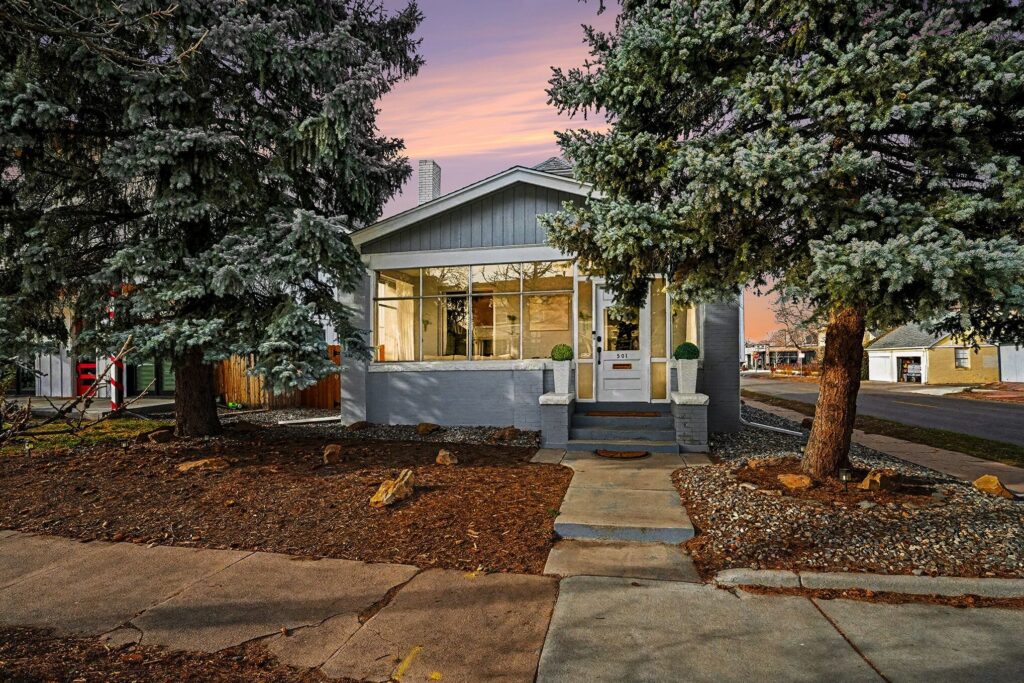
Pop-top’s romantic primary suite lies five blocks from Wash Park
Mark Samuelson
mark-samuelson@denvergazette.com
Updated 12 hours ago
If you’re looking for a romantic dining spot for Saturday night, you’re too late for a table at Bon Ami Bistro at east Alameda Avenue and Pennsylvania Street in West Wash Park — already booked up for Valentine’s evening. If,...
Mark Samuelson
Reporter

Every Colorado restaurant is now eligible for Michelin stars
Bernadette Berdychowski
bernadette.berdychowski@denvergazette.com
Updated 1 day ago
The Michelin Guide announced Wednesday it will expand its awards to the entire state of Colorado. The acclaimed restaurant guide was first introduced to Colorado in 2023 but limited to the cities of Denver, Boulder, Aspen, Snowmass Village, Vail and...

Bernadette Berdychowski
Reporter
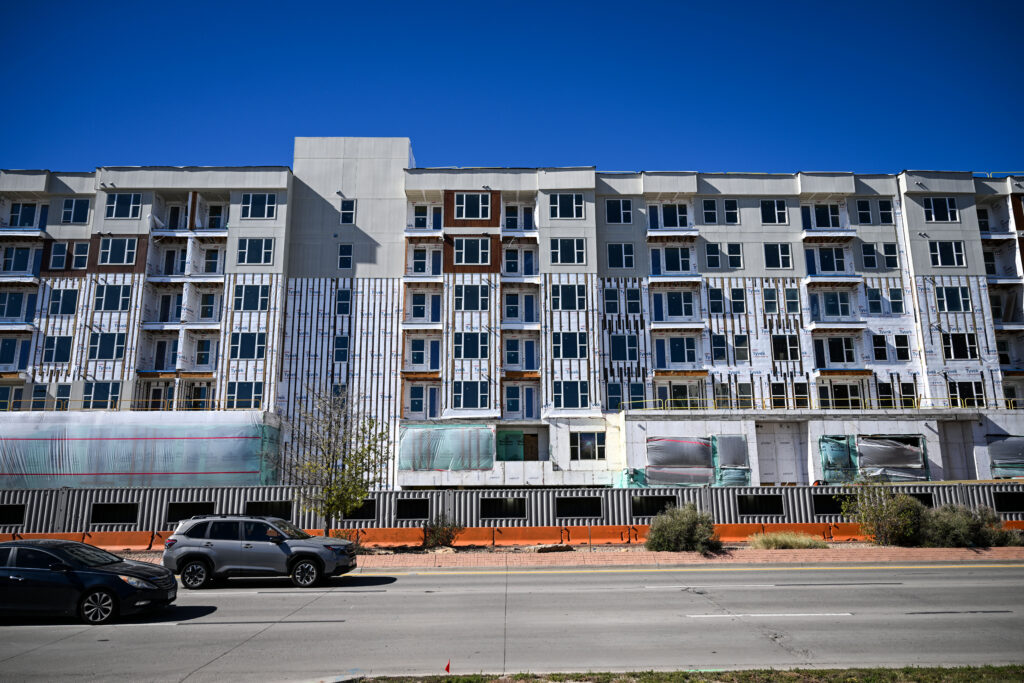
Lakewood City Council urges residents to keep zoning changes
Sage Kelley
sage.kelley@denvergazette.com
Updated 1 day ago
Lakewood’s long-running zoning fight is headed for a spring showdown at the ballot box, spearheaded by a new resolution from the City Council. The Lakewood City Council amended and confirmed a resolution on Monday expressing the councilmembers’ desire for residents...

Sage Kelley
Reporter

Colorado’s federal energy lab hit with another round of 100+ layoffs
Bernadette Berdychowski
bernadette.berdychowski@denvergazette.com
Updated 1 day ago
The National Laboratory of the Rockies, formerly known as the National Renewable Energy Lab, laid off 134 workers Monday, a spokesperson for the lab confirmed. The layoffs at the federal lab based in Golden hit both research and operations workers,...
Bernadette Berdychowski
Reporter
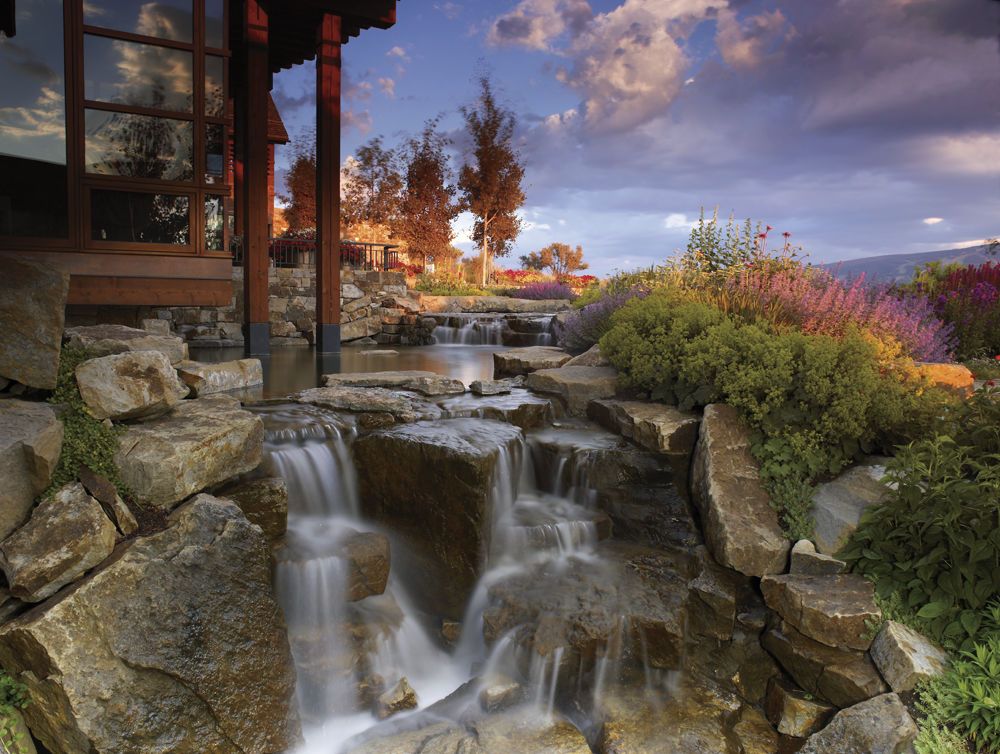
Colorado landscape plants, trees, need winter watering during warm, dry weather
Scott Weiser
scott-weiser@denvergazette.com
Updated 2 days ago
Dry, sunny, warm and windy winter conditions have left many Colorado landscape plants short of moisture, and Colorado State University Extension specialists recommend supplemental watering to prevent root damage and promote healthier spring growth. Evergreens, newly planted trees and shrubs,...
Scott Weiser
Reporter
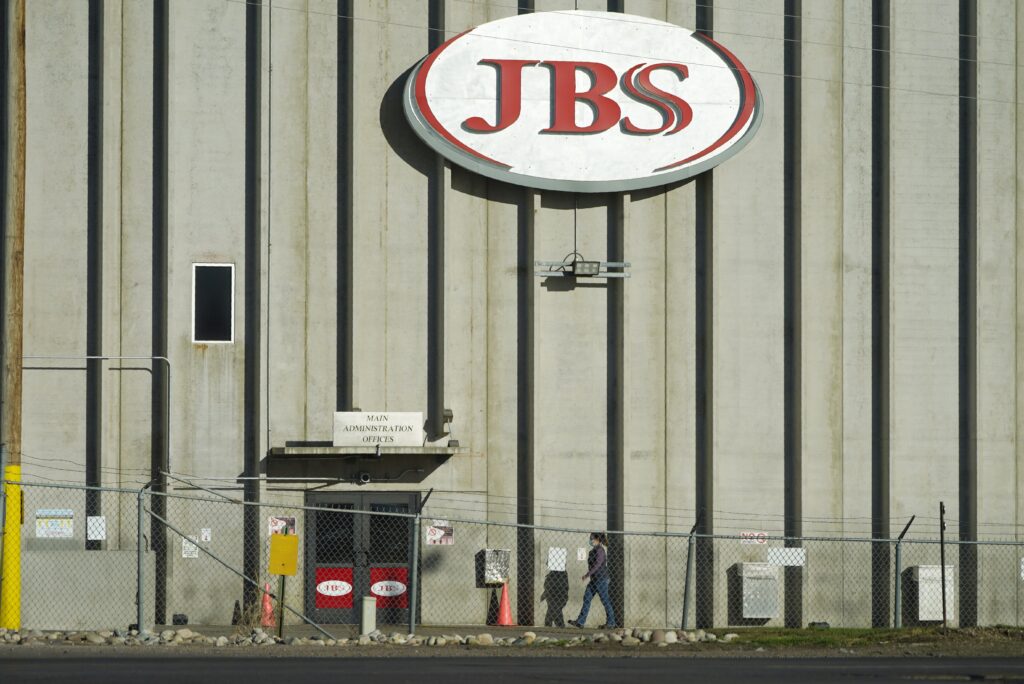
JBS strike could trip up Greeley’s economic surge
Hap Fry, Special to The Gazette
hap-fry@gazette.com
Updated 2 days ago
GREELEY – The upward trajectory of Greeley has been hard to match by other Colorado communities in the here and now. The city is on the verge of experiencing dramatic growth and change. Greeley is in the midst of developing a...

Hap Fry, Special to The Gazette
Reporter
PREV
PREVIOUS

Pop-top’s romantic primary suite lies five blocks from Wash Park
If you’re looking for a romantic dining spot for Saturday night, you’re too late for a table at Bon Ami Bistro at east Alameda Avenue and Pennsylvania Street in West Wash Park — already booked up for Valentine’s evening. If, however, it’s a romantic bedroom suite you’re after, you can tour that Sunday, two blocks […]
CU Boulder, state launch economic research in coal-transition areas
Communities in northwest Colorado built on coal mining and power plants are losing hundreds of high-paying jobs and a major share of their tax revenue as operations wind down. In a yearlong effort, the University of Colorado Boulder is teaming up with the state’s Office of Economic Development and International Trade to help these areas […]