







No deal: Basin states remain deadlocked as Colorado River negotiations collapse again

With a Feb. 14 deadline looming, the seven states in the Colorado River Basin have not reached an agreement on how to manage the river after the 2026 operating guidelines expire later this year, and John Entsminger, Nevada’s chief negotiator, said there is no deal in place.
“The seven Colorado River basin states have failed to reach an agreement to collectively protect our respective communities and economies in the face of almost certain reductions to our use of the river,” Entsminger said. “As I talk with people throughout Southern Nevada, I hear their frustrations that years of negotiations have yielded almost no headway in finding a path through these turbulent waters.”
Entsminger added, “As someone who has spent countless nights and weekends away from my family trying to craft a reasonable, mutually acceptable solution only to be confronted by the same tired rhetoric and entrenched positions, I share that frustration.”
The statement was initially reported by the Water Desk at the Center for Environmental Journalism at the University of Colorado-Boulder.
Entsminger’s statement refers to the inability of the upper basin states, which include Colorado, Wyoming, Utah and New Mexico, and the lower basin states, including California, Arizona and Nevada, to come up with the dwindling water supplies of the Colorado River and whether the states can agree on cuts to their allocations.
Tom Buschatzke, Arizona’s Colorado River negotiator, also lamented the failure of the negotiations.
“Arizona and its Lower Basin partners have offered numerous good-faith compromises to the representatives of the Upper Basin states. In that time, virtually all of them have been rejected,” he said in a statement Friday.
He noted the options the lower basin states have offered, such as substantial cuts to their Colorado River allocations: 27% for Arizona, 17% for Nevada and 10% for California. “Not enough” for the upper basin states, he said.
Last summer, the lower basin states “proposed a revolutionary and innovative method of dividing the river’s bounty holistically based on a three-year rolling average of the ‘natural flows’ in the river.” The upper basin states rejected that, too, he said.
The message from the Upper Basin states has been consistent, he said: no firm commitment to reduce their allocations, “no matter how dire the conditions of the river may be.”
“We have offered to do more,” Buschatzke said, “But we simply cannot take on the task of saving this precious river system on our own.”
In a last-ditch effort to get through to the states on the importance of an agreement, the White House invited the governors of the seven states to discuss the path forward.
As it turns out, there wasn’t one.
The ball is now back in the court of the Department of the Interior and the Bureau of Reclamation, which has been without a permanent commissioner since President Donald Trump took office.
While Trump has acted quickly to fill many major cabinet and department positions, he has acted slowly on the Bureau. The first nomination was withdrawn last August due to objections from upper-basin state senators, notably Sen. Mike Lee, R-Utah, who chairs the Senate Energy and Natural Resources Committee, which has the authority to recommend the reclamation nominee.
Trump has yet to name another nominee.
In the meantime, Interior Secretary Doug Burgum named Scott Cameron as acting commissioner, formerly the Interior Department’s principal deputy assistant secretary for policy, management, and budget, and previously, the acting assistant secretary for water and science.
The Trump administration has twice set deadlines for the seven states to reach agreements, yet they have remained deeply divided over one major issue: how much water the upper and lower basins should receive, and by how much that allocation should be reduced.
The Colorado River is no longer capable of providing the amount of water outlined in several long-standing agreements, starting with the 1922 Colorado River Compact.
Under those agreements, the lower basin was allocated 75 million acre-feet of water over 10 years, with the upper basin receiving the same amount. The upper basin states, however, note they’ve never taken the full amount.
The lower basin states actually took about a million acre-feet more annually, in part because they did not account for factors that would reduce that allocation, such as evaporation and transit losses. The lower basin states have since agreed to account for those losses.
What’s at stake: the winter of 2025-26 has been among the worst in history for poor precipitation, largely the snowpack that feeds the Colorado River, beginning at its headwaters in Rocky Mountain National Park.
Downstream, low water levels at Lake Powell, the water bank for the upper states, and Lake Mead, the bank for the lower states, could mean both reservoirs, the largest in the nation, could struggle to provide water to 40 million residents of the seven states, supply water to millions of acres of agriculture and provide hydropower through the reservoirs’ two dams, Glen Canyon and Hoover, respectively.
The federal government last month released a draft Environmental Impact Statement that could form the basis for the agreement, but it’s one the seven states aren’t happy with.
When the draft EIS was released, Andrea Travnicek, the assistant secretary at the Department of the Interior for water and science, said the department “is moving forward to ensure environmental compliance is in place so operations can continue without interruption when the current guidelines expire.”
She added that the river and the 40 million people who rely on it cannot wait.
“In the face of an ongoing severe drought, inaction is not an option,” she said.
The Department of the Interior has said they want to see an agreement in place by Oct. 1, the start of the next water year.
Colorado’s negotiator, Commissioner Becky Mitchell, did not respond to a request for comment. The Upper Colorado River Commission, which represents the upper basin states and of which Mitchell is a member, also did not comment on the collapse of the negotiations.

HF Sinclair gives state regulators preliminary report on contaminated fuel incident
Dennis Huspeni
dennis.huspeni@gazette.com
Updated 27 minutes ago
HF Sinclair has provided regulators with the state’s Division of Oil and Public Safety a preliminary report on the cause of the Jan. 7 contaminated fuel fiasco that impacted more than 1,000 motorists, but the investigation is still weeks from...

Dennis Huspeni
Reporter
Colorado General Assembly, friends and family pay tribute to late Sen. Faith Winter
Marianne Goodland
marianne-goodland@denvergazette.com
Updated 2 hours ago
The Colorado Senate on Friday, joined by current and former lawmakers from both the House and Senate, memorialized the late Sen. Faith Winter, noting her contributions to public policy in transportation, family and medical leave, and climate change. But the...
Marianne Goodland
Reporter

Push to regulate high concession prices in Colorado could hurt vendors, critics warn
Bernadette Berdychowski
bernadette.berdychowski@denvergazette.com
Updated 3 hours ago
High food and drink prices have long been a staple of going to a sports game, concert, festival or even the airport. But as inflation has increasingly pinched people’s wallets, pushback against excessive concession prices is growing. The issue has...

Bernadette Berdychowski
Reporter
Arvada man sentenced for tampering with woman’s dead body
Sage Kelley
sage.kelley@denvergazette.com
Updated 22 minutes ago
An Arvada man will spend a decade in prison after tampering with a 29-year-old woman’s dead body. Jefferson County District Court Judge Megan Miloud sentenced 41-year-old Daniel Ryan Clark to 10 years Wednesday after Clark pleaded guilty to a charge...

Sage Kelley
Reporter

Denver taps Jonathan Norloff as new county assessor
Deborah Grigsby
deborah.smith@denvergazette.com
Updated 2 hours ago
Denver named Jonathan Norloff as its new county assessor, according to a statement Thursday by the Department of Finance. Norloff, who has been with the Assessor’s Office since 2012, has served as deputy county assessor since 2024. He replaces former...

Deborah Grigsby
Reporter
4 killed in plane crash near Steamboat Springs
9News
9news@denvergazette.com
Updated 5 hours ago
The FAA says the plane crashed under “unknown circumstances” just after midnight Friday. STEAMBOAT SPRINGS, Colo — Four people were killed when a small plane crashed near Steamboat Springs early Friday. According to a preliminary report from the FAA, the...

9News
Reporter
Colorado Democrats seek to legalize prostitution by July
The Denver Gazette
the-denver-gazette@denvergazette.com
Updated 5 hours ago
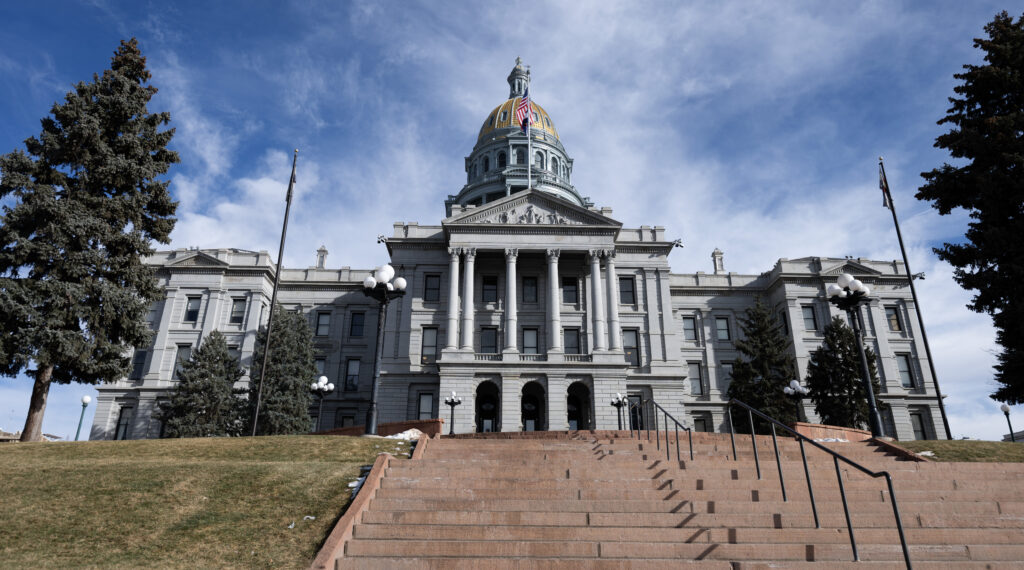
A group of Democrats is seeking to legalize prostitution in Colorado, arguing that current penalties “endanger” consenting adults. The proposal, if enacted, would decriminalize prostitution statewide and preempt local ordinances. If signed into law, it will take effect this July,...

The Denver Gazette
Reporter

Evergreen CommonSpirit gunman identified as previous patient
9News
9news@denvergazette.com
Updated 34 minutes ago
A gunman who shot into a primary care office in Evergreen Thursday afternoon was previously a patient at the facility, authorities said. Lance Black, 62, fired about 19 shotgun rounds into various pieces of equipment, computers and walls at a...
9News
Reporter

Denver weather: A chance for rain Friday night
Daniel Boniface
dan.boniface@denvergazette.com
Updated 9 hours ago
If you’re planning a romantic evening out in Denver with your Valentine on Friday, you might want to pack an umbrella, the weather service advises. The National Weather Service in Boulder said there’s a 60% chance of rain in Denver...

Daniel Boniface
Reporter
Colorado policymakers scramble with prisons on track to exceed capacity
Marianne Goodland
marianne-goodland@denvergazette.com
Updated 7 hours ago
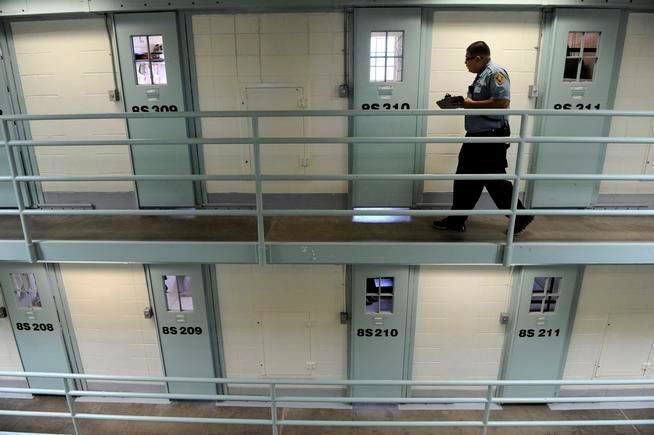
Colorado’s prison system is on track to exceed capacity within the next year, driven by a sharp slowdown in parole releases, staffing shortages and an aging inmate population — all as lawmakers grapple with an $800 million general fund shortfall...
Marianne Goodland
Reporter
PREV
PREVIOUS

Push to regulate high concession prices in Colorado could hurt vendors, critics warn
High food and drink prices have long been a staple of going to a sports game, concert, festival or even the airport. But as inflation has increasingly pinched people’s wallets, pushback against excessive concession prices is growing. The issue has reached Colorado’s Capitol this year. A group of Democrat policymakers seek to curb expensive game […]
Colorado General Assembly, friends and family pay tribute to late Sen. Faith Winter
The Colorado Senate on Friday, joined by current and former lawmakers from both the House and Senate, memorialized the late Sen. Faith Winter, noting her contributions to public policy in transportation, family and medical leave, and climate change. But the memorial to the late senator who died in an auto accident on Nov. 26 at […]