







Denver heads for full ‘road diet’ on Alameda Avenue as councilmembers question rising city traffic deaths
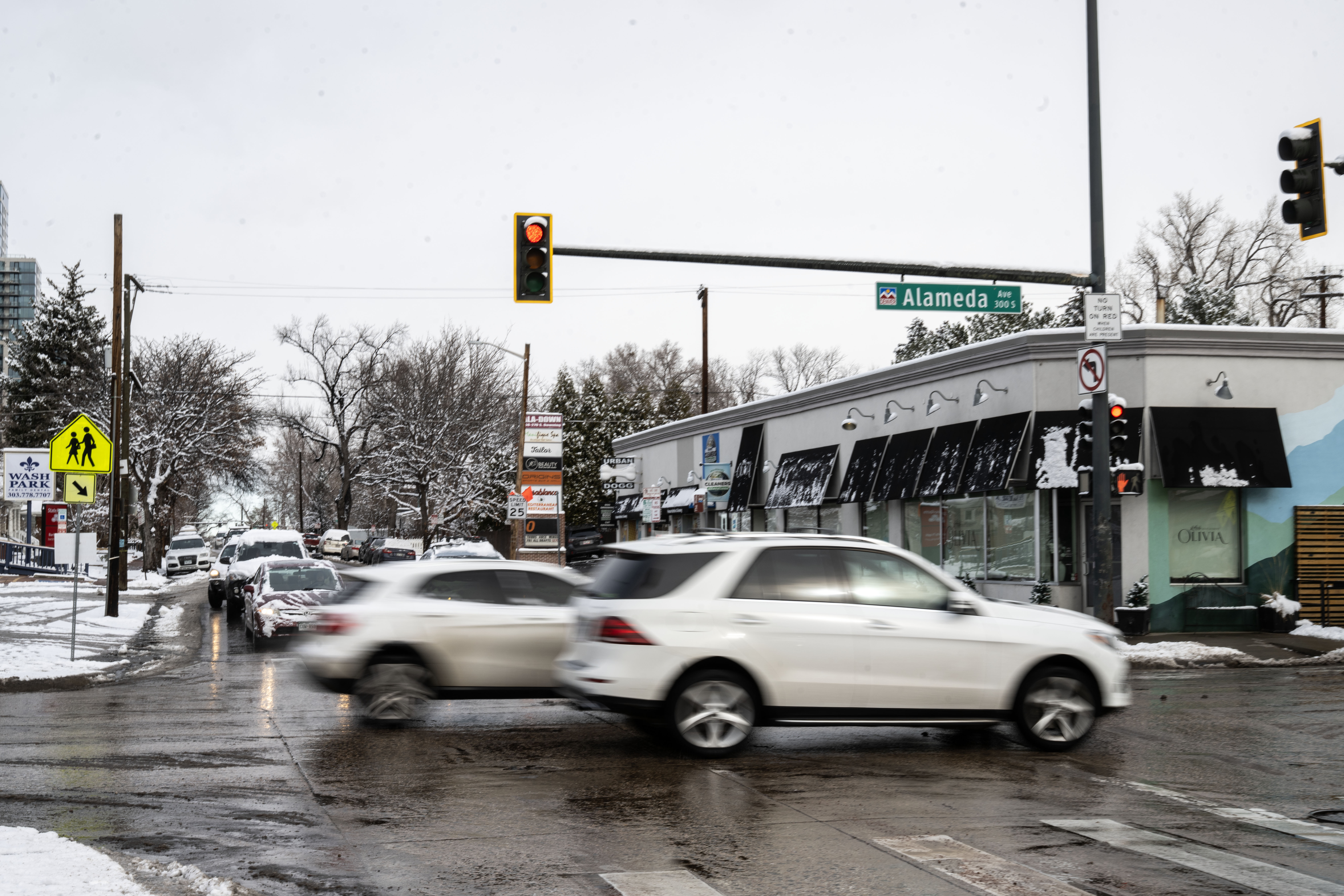
The rise in traffic deaths in the Mile High City over the past year has caught the attention of councilmembers, as the Denver’s transportation agency is doubling down on its Vision Zero strategy for ending fatalities.
That issue came to a head at a City Council subcommittee meeting on Wednesday, as the Department of Transportation & Infrastructure again announced a revision in a “road diet” project targeting East Alameda Avenue through central Denver.
District 10 Councilmember Chris Hinds noted that the city saw a jump in traffic deaths last year from 80 to 93. Current tracking data released by DOTI shows 10 new fatalities in the early days of 2026.
Tykus Holloway, the department’s chief transportation officer, told the council that the city remains focused on the Vision Zero program for curbing fatalities and would extend that brand to all of its road alteration programs.
FULL-LANE REDUCTION ON ALAMEDA
Included in that strategy is an ambitious “road diet” test program along busy Alameda, where the city intends to curb a heavily used four-lane stretch of the arterial to just two lanes of traffic.
The city announced a compromise plan to maintain three lanes of traffic on the arterial in November after a neighborhood group petitioned the city, concerned about traffic overflow onto residential streets.
A city spokeswoman confirmed to The Denver Gazette that the program was being changed again from a partial reduction to a full reduction, retaining only a single lane of traffic in each direction along a mile-long stretch. DOTI engineers will test the repurposing to gather data and inform a final design, she said.
Holloway told the council that DOTI intends for all of its programs to be directed by Vision Zero’s values.
“It is a way of life for us,” he said.
Vision Zero, a Swedish-designed program created to bring an end to road deaths and severe injuries, has been widely adopted in the U.S. The program was hailed after its introduction in Europe, but its record in American cities is mixed, with many, like Denver, experiencing no improvement or actual increases in deaths since its vision was applied.
Over the span since 2017, when Denver adopted a Vision Zero-inspired traffic program, deaths in Denver are up 82%. Crashes resulting in serious injuries in the city during the period have climbed 22%.
Vision Zero has been implemented in Denver with a growing infrastructure of bollard-lined bike lanes, traffic circles and other installations, some on residential streets, others on major arterials like east Alameda.
Efforts to narrow the flow of traffic on arterials to fewer lanes have been informally referred to as “road diets.”
Today, a debate rages over whether the measures have served to reduce the likelihood of accidents or to further them.
Holloway told the council that the statistics indicated that current applications aren’t working, but also that Denver’s Vision Zero efforts are being paralleled in cities across the country.
Meanwhile, the city presented an updated view of the Vision Zero measures, including a new effort to curb a spate of pedestrian crashes along a one-mile stretch of west Mississippi Avenue between south Quivas and south Eliot streets.
FULL-LANE REPURPOSING
Across town, the revised plan for a test-oriented diet for east Alameda Avenue follows a battle that broke out between activists and competing neighborhood groups over the measure.
What it calls a temporary demonstration project would test a full lane-repurposing to one lane of travel in each direction, while incorporating dedicated left-turn pockets and bike lanes.
The department would measure speeds, volumes, crashes and comfort, among other metrics. DOTI announced it would convene a working group of neighborhood and business representatives to “iron out additional details of the demonstration,” according to a statement from the department.
On Alameda, the test would incorporate flashing crosswalk beacons, as well as safety improvements at east Virginia Avenue and south Downing Street, two blocks south of Alameda, where neighbors fear an overflow of arterial traffic.
The speed limit along the affected part of Alameda would be reduced from 30 miles per hour to 25. DOTI said that the demonstration would be installed this summer and that the test would wrap up in winter 2027.
State data showed that, between 2020 and 2024, there was only one crash involving a bike, plus two crashes involving pedestrians out of the 168 total crashes on Alameda, from S. Logan to S. Franklin. There were no fatalities out of the 47 injuries reported within that timeframe.
Councilmembers expressed a variety of worries over DOTI’s efforts.
Hinds told The Denver Gazette that he worries that cost concerns for the programs are overriding the program’s intent to improve safety. He questioned why the measures are just a pilot effort.
“If a full lane reduction on Alameda is now going into a test, I want to make sure DOTI’s comments about Vision Zero permeating the program are true,” he said.
NEAR IDENTICAL PROJECT
District 2 Councilmember Kevin Flynn asked DOTI representatives whether the city had adequately evaluated a near-identical road diet that had been tried on Alameda in 2012.
“They did a road diet in almost identical fashion, one lane in each direction,” Flynn told The Denver Gazette. “In 2012, it resulted in a significant increase in crashes and congestion.”
At a previous session last month, Flynn had complimented DOTI for having adopted a compromise Alameda plan to maintain three lanes of traffic.
Bike activists have been critical of the compromise, with a consortium of groups issuing a “D” report card to Mayor Mike Johnston for supporting it.
Two neighborhood groups had taken opposing views of the measure, with one charging that a full lane reduction would increase traffic on quiet east Virginia Avenue, while another charged that the city had caved to lobbying pressure over the issue.
Two traffic experts had previously told The Denver Gazette that the implementation of Vision Zero might itself be contributing to traffic deaths, adding they worry about the program’s continuing revisions.
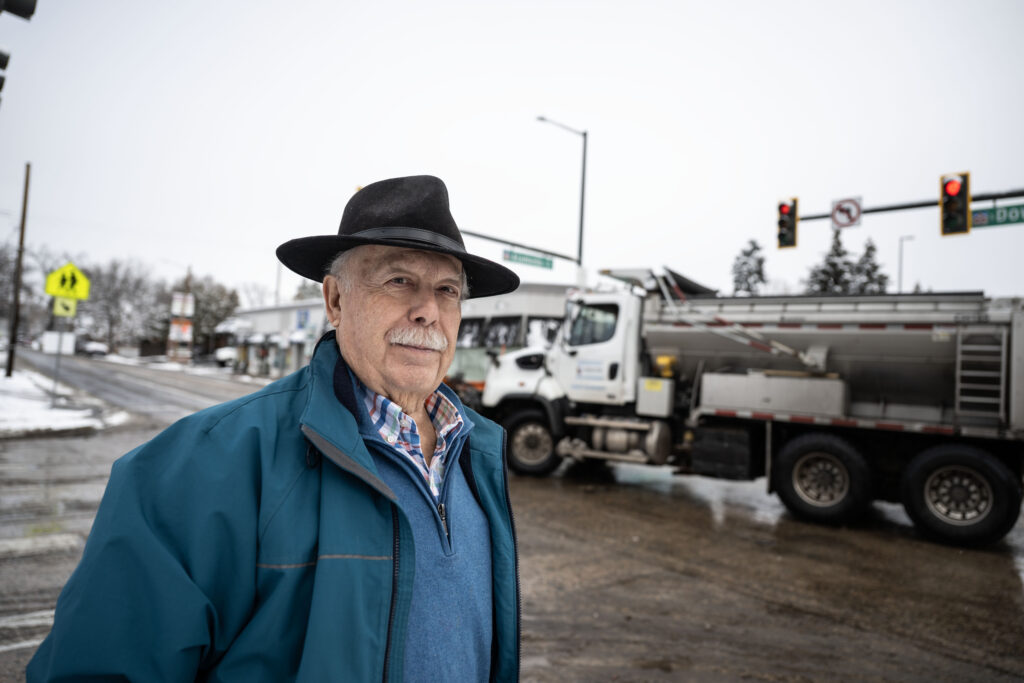
Dennis Royer, who had been chief traffic engineer for Denver when flows along many of the city’s arterials had been originally designed, said that road diets and other Vision Zero-inspired installations could themselves be responsible for increases in crashes and pedestrian deaths.
He questioned whether a program designed in Sweden and which had been successful in European cities is being correctly applied in U.S. metropolitan areas, given the latter’s very different traffic situations and experiences.


The Braun brother arrives
John Moore
john.moore@denvergazette.com
Updated 8 hours ago
For this tight-knit basketball brood representing the Nuggets and Roadrunners, it’s family first It’s wild to think that Christian and Landon Braun, two tightly bonded basketball brothers from Burlington, Kan., play their home games about 1,000 feet apart in Denver....

John Moore
Reporter

ABA series screening soars ‘above the rim’
John Moore
john.moore@denvergazette.com
Updated 8 hours ago
‘Soul Power’ gathering brings players, fans, family and media to sold-out Sie FilmCenter for nostalgic look back at Denver’s renegade basketball past “Bring back the ball!” That was Hall of Fame coach George Karl’s message to the NBA at Wednesday’s...
John Moore
Reporter

Researchers to study universal health care, as Coloradans face $1 billion in medical debt
Mary Shinn
mary-shinn@denvergazette.com
Updated 9 hours ago
Colorado residents owe about $1 billion in medical debt. The sky-high number is a small portion of the nation’s medical debt estimated around $220 billion, according to a 2024 analysis by Peterson Center on Healthcare and KFF, formerly the Kaiser...

Mary Shinn
Reporter
Audit finds Caring for Denver Foundation misused taxpayer funds
Michael Braithwaite
michael.braithwaite@gazette.com
Updated 10 hours ago
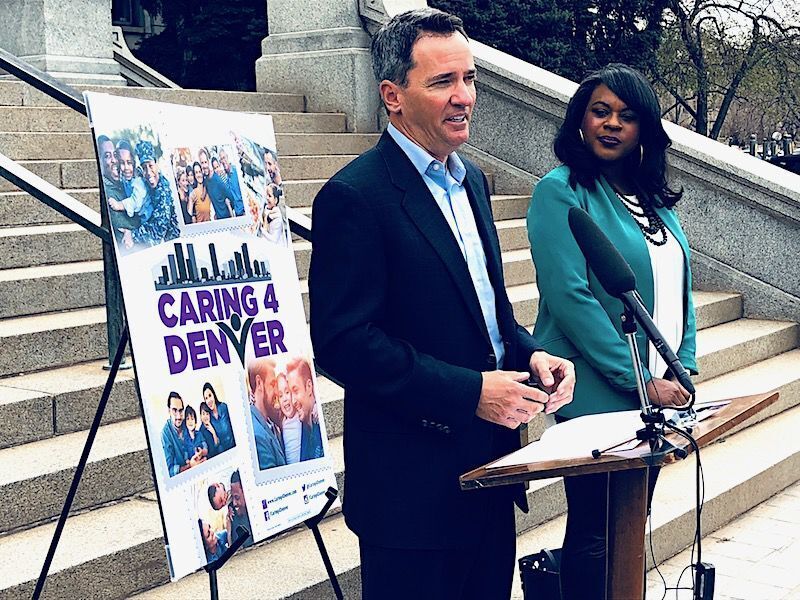
An audit of a nonprofit contracted by Denver to manage a fund intended for social services found the organization misused taxpayer dollars. The Caring for Denver Foundation, under a contract by the Denver Department of Public Health and Environment (DDPHE),...

Michael Braithwaite
Reporter
Aurora police gun violence team expands investigative reach as nonfatal shootings decline
Kyla Pearce
kyla-pearce@denvergazette.com
Updated 13 hours ago
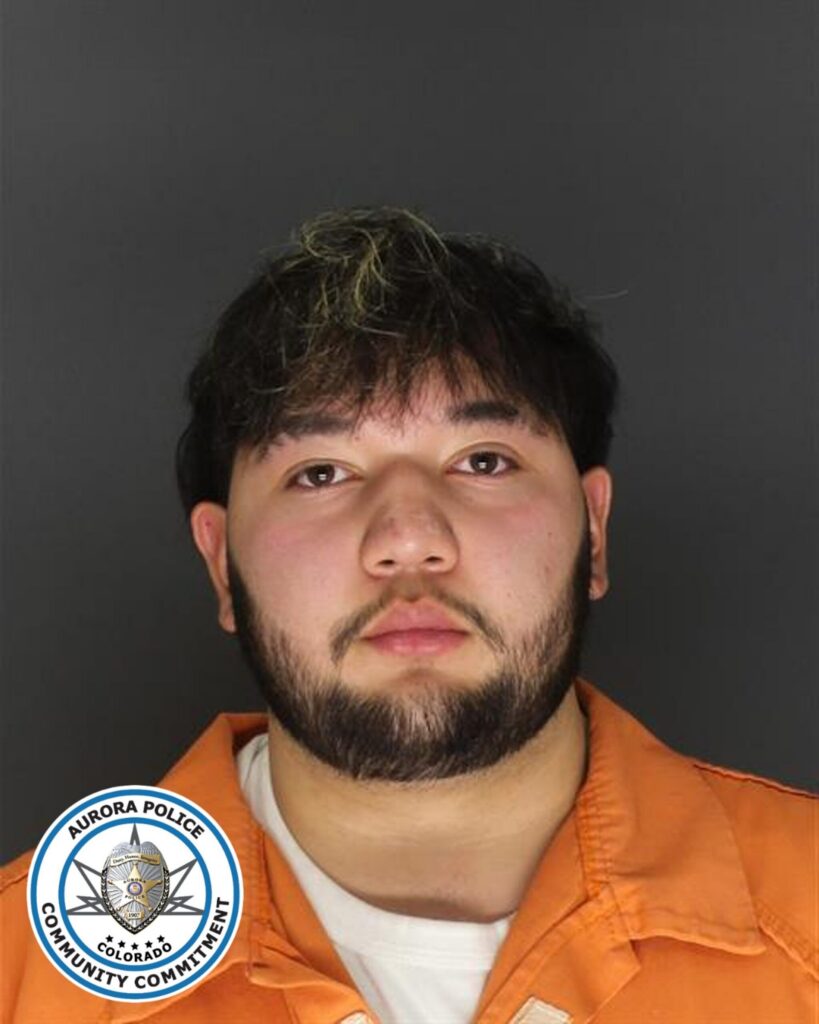
Aurora Police Department officials touted the success of its recently expanded Gun Violence Suppression Team after the team’s first shooting investigation ended in an arrest this week. The team, which expanded its focus to all nonfatal shooting investigations in late...

Kyla Pearce
Reporter
They surrendered their pets that turned aggressive, then they got sued for thousands of dollars by a dog rescue group
9News
9news@denvergazette.com
Updated 14 hours ago
Court records reveal 2 Blondes All Breed Rescue has filed multiple lawsuits for breach of contract, costing their former clients thousands of dollars. DENVER — For Cody Backer, surrendering his beloved dog was one of the most heart-wrenching experiences of...

9News
Reporter

Colorado Medicaid spending doubled over the past decade, study finds
Nicole C. Brambila nico.brambila@denvergazette.com
nico.brambila@denvergazette.com
Updated 15 hours ago
Spending by Colorado’s Department of Health Care Policy and Financing reached $16 billion in 2025 — a 101% increase from 2015 — while Medicaid enrollment has returned to nearly its 2015 level, according to an analysis by the Common Sense...


Colorado joins California in lawsuit to restore federal clean energy funding
Scott Weiser
scott-weiser@denvergazette.com
Updated 15 hours ago
Colorado has joined a multi-state lawsuit challenging the Trump administration’s termination of more than $600 million in congressionally approved clean energy grants for Colorado projects, Colorado Attorney General Phil Weiser and California Attorney General Rob Bonta announced Wednesday. The suit,...

Scott Weiser
Reporter

State seizes Denver deli Leven Supply for nonpayment of taxes
Angela Case
angela-case@denvergazette.com
Updated 17 hours ago
The Colorado Department of Revenue has seized Leven Supply for nonpayment of taxes, according to a notice on the door of the Washington Park West cafe. The notice says the restaurant owes more than $138,000 in taxes. In a statement...

Angela Case
Reporter
Long-dreamed Ute Pass Trail to expand in hills west of Colorado Springs
Seth Boster
seth-boster@denvergazette.com
Updated 13 hours ago
For more than 20 years, El Paso County has worked to build a trail roughly following a historic route of tribal people ー a seasonal hunting route now defined by U.S. 24 through the foothills between Manitou Springs and Teller...

Seth Boster
Reporter
PREV
PREVIOUS

Colorado legislators challenge lottery rules allowing credit card purchases
Back in November, legislators told the Colorado Lottery Commission to hold off on rules that would allow, for the first time, purchases of lottery products with credit cards. The commission went ahead anyway and approved those changes. And now lawmakers have responded with Senate Bill 117, introduced on Thursday, that would limit the purchase of […]

Aurora police gun violence team expands investigative reach as nonfatal shootings decline
Aurora Police Department officials touted the success of its recently expanded Gun Violence Suppression Team after the team’s first shooting investigation ended in an arrest this week. The team, which expanded its focus to all nonfatal shooting investigations in late January, made what the department called a “first-of-its-kind” arrest Tuesday, according to an APD news […]