







Is this the worst ski season for the Rockies? Vail Resorts CEO says it’s been worse than 2012
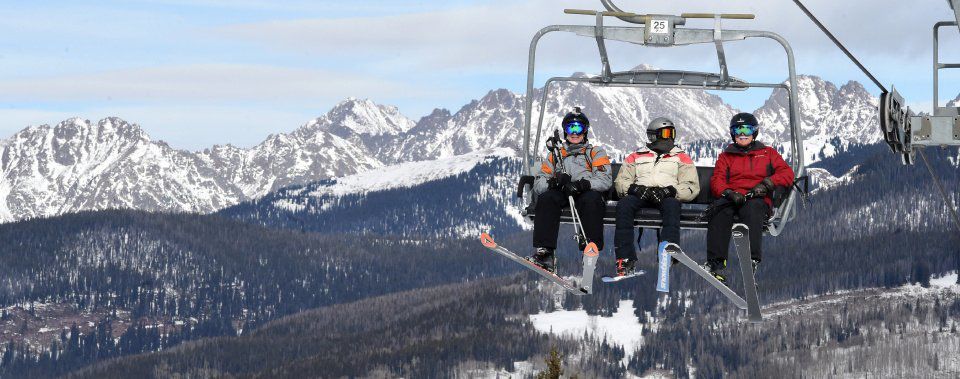
Vail Resorts has affirmed what many in Colorado’s mountain communities have felt over the last few months: This ski season has been rough.
It has been the “most difficult weather environment in the Rockies we have ever seen,” said Robert Katz, CEO of Vail Resorts, during an earnings call.
He said this season has been worse than 2012’s fiscal year, “which had previously been our season with the worst conditions in the Rockies.”
The Rocky Mountain region — with resorts spread out across Colorado and Utah — is the largest driver of income for the public ski company based out of Broomfield. Its recent earnings reports gave a glimpse into how the ski season has fared as the winter season reaches its historical peak snowpack.
The number of skiers who have visited Vail Resorts through March 1 has been down nearly 12% compared to last year, according to the report released Monday.
Revenues are down across the board: ski school revenue dropped by more than 8%, dining by almost 9%, and retail and rentals by 6%. Lift revenues were also down by almost 4%, but it’s been one of the stronger aspects of the business with the help of early Epic Pass sales.
Vail Resorts’ income was $210 million in the second quarter of 2026, down from $244 million in the same period last year.
The earnings report comes just as Colorado’s snowpack is about to peak, which typically happens in early April. The state’s snowpack was less than two-thirds of where it normally is at this point of the year on Wednesday and is only half of the median peak.
It’s not only the lack of snow that has hurt Vail Resorts, Katz said the warmer temperatures have also made it more difficult to open terrain.
By the end of February, about 70% to 80% of the resort’s acres in Colorado and Utah had opened. This year also marked the latest opening of the Back Bowls at Vail Mountain and Imperial Lift at Breckenridge in the company’s history.
It’s not all bad news. Katz said the push for Epic Passes and diversification of the regions it operates in has helped Vail Resorts navigate weather conditions.
“While that benefit is less evident this year, given the severity of conditions in the Rockies, diversification has provided more support than it did historically, and it will continue to play an important role over time,” he said.
Ski resorts are prepared to deal with fluctuations in snow and temperatures, but this year is tougher than most because of the high temperatures that make it more difficult to make their own snow, said Natalie Ooi, a ski area economic expert and director of the University of Colorado Boulder’s Masters of the Environment graduate program.
Larger ski corporations like Vail Resorts and Alterra Mountain Co. can cushion some of their losses with the amount of snow that came to their East Coast resorts, she said, but smaller resorts in Colorado are more susceptible to the seasonal changes.
For this ski season, the last major opportunity to capture visitors will be spring break, Ooi said. But even hope for late snow is drying up by the minute.
Forecasts show a heat wave could hit Colorado from Monday to March 23, 9News reported.
The Denver metro area could see temperatures reach more than 80 degrees, potentially 90 degrees. The heat dome could also cause “early onset of high-elevation snowmelt,” according to the National Weather Service Climate Prediction Center.
People may either cancel or shorten their trips or spend their money on activities other than skiing, she said.
While early sales of season passes have helped buoy Vail Resorts, Ooi said customers may be less willing to spend on a pass next year.
Vail Resorts said its subscription model is becoming more important as the outdoor recreation industry slowed down in 2024. Skiing is now a “low growth industry,” and weather volatility is placing greater emphasis on Epic Passes, according to an investor’s presentation from Vail Resorts.
Now, the question is whether people will buy passes again after a season like this?
When asked about it, Katz said people may definitely take it into account, but many passholders will also understand this year has been an “aberration.” Just because this year was bad doesn’t mean next year will also see the same trend.
Still, he’s unsure how much of a hit there will be.
“Not to say — obviously, since we haven’t seen a year like this, it’s hard to know exactly how this will play out,” Katz said. “But I don’t think this is going to impact kind of long-term engagement in the sport.”
As passes have begun to go on sale for the next ski season, discounts have also popped up.
Earlier this month, Vail Resorts announced a special deal for Generation Z customers aged 13 to 30, who can get the Epic Pass at 20% off, as it tries to target a group with less purchasing power.
“That’s why we’re starting to see some of these deals come through and recognition that if people aren’t skiing right now and they’re not thinking favorably about the current ski season, it will impact their buying for the future season,” Ooi said.