







EDITORIAL: All In Mile High’s gaping, glaring holes
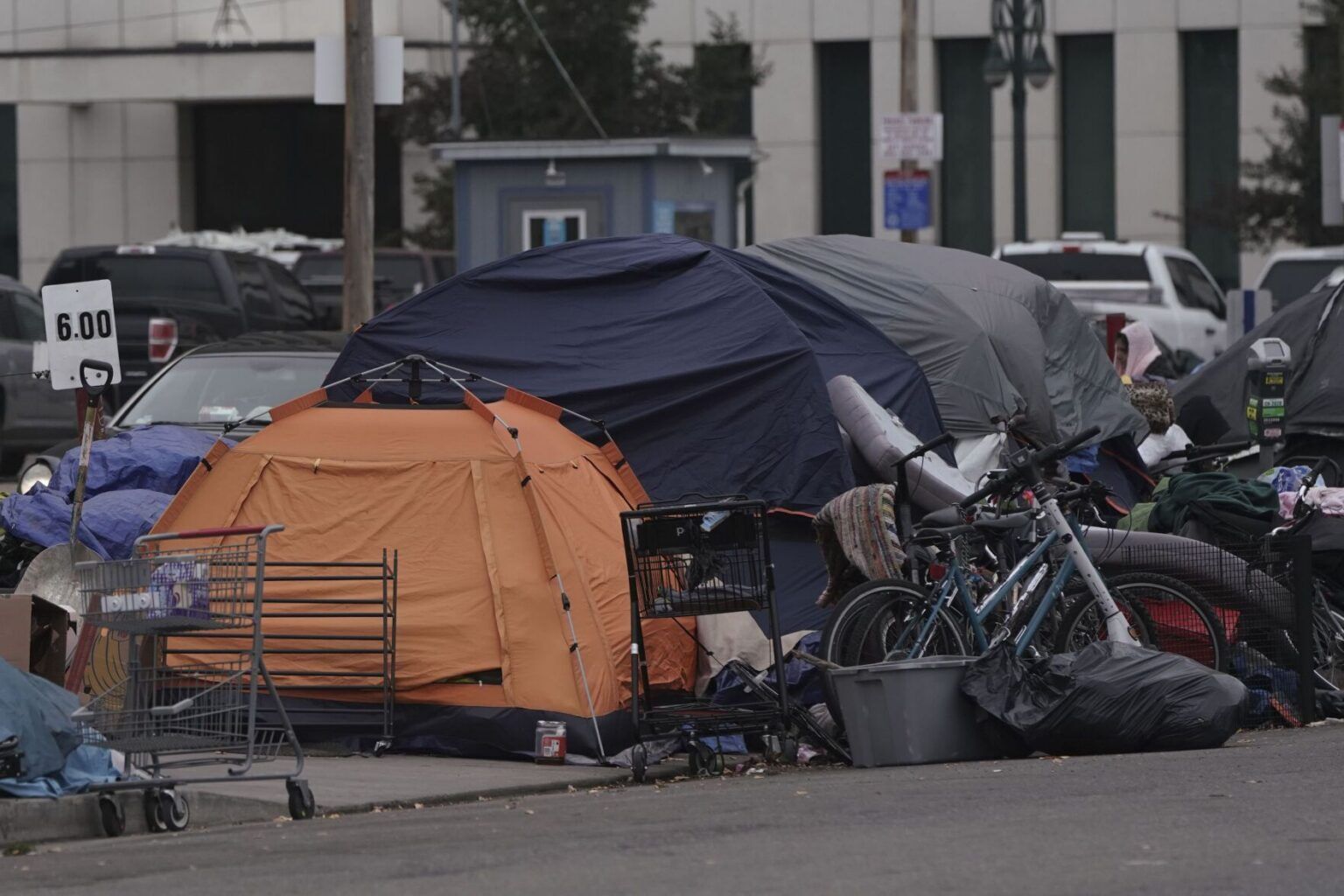
Another report from watchdog Denver City Auditor Tim O’Brien has identified major issues with how Mayor Mike Johnston’s office has accounted for his signature All In Mile High homelessness initiative.
As The Gazette reported, Johnston’s office informed the City Council in October 2025 that the total cost of the program from July 2023 through June 2025 was $158 million.
When auditors cross-checked those expenses against the city’s official record-keeping system, Workday, they discovered actual expenses totaled roughly $178.1 million.
“$20 million in underreported costs is a lot of money, especially when the Mayor’s Office is cutting budgets,” O’Brien said in a statement. “It is alarming there’s been no central oversight of spending and measurements of success keep changing.”
The audit cites internal concerns from city staff that “a lot of risks (were) left on the table” because All In Mile High was “moving forward rapidly” as the mayor’s office moved to the next initiative without fully completing the prior one.
Johnston’s office couldn’t substantiate overall spending figures and “refused” to grant auditors access to expense-tracking spreadsheets, dismissing them as “deliberative planning documents,” The Gazette reported.
If someone moves into permanent housing but returns to homelessness later on, they aren’t removed from the dashboard’s count of people moved into housing. “Their data is still counted toward the mayor’s permanent housing goals,” the audit states.
Johnston’s office insists they didn’t underreport any figures, testily claiming the audit “misstates key facts and is, in some instances, willfully misleading.”
The fact remains that taxpayer dollars weren’t accounted for — and the public received incomplete and misleading information.
O’Brien has proven a fount of information and accountability, offering a much-needed reality check on Denver government. He’s old school on these things — he actually expects government to track its dollars and cents — and he recognizes that good intentions don’t mean good outcomes.
O’Brien’s audit recommended 12 reforms. The city accepted seven — including implementing a system for tracking All In Mile High expenses, which should have been standard practice all along — but refused five common-sense recommendations.
The rejected reforms include conducting a needs assessment, which the city justified by maintaining rising homelessness is a “self-evident” issue. Yet, Johnston’s office never evaluated the specific needs of program participants and whether adequate resources were available to meet them.
Auditors recommended revising the public dashboard, which staff themselves identified as deeply flawed. The dashboard groups other homelessness programs under the banner of All In Mile High — making them appear to be part of the same program — and misleadingly counts temporary housing as permanent.
How can data be trusted when it isn’t calculated consistently or presented honestly?
The city rejected another auditor’s recommendation to document compliance with competitive bidding processes, a basic good-governance practice. The Salvation Army scored a $9.28 million contract, justified as a no-bid “sole source,” and the Colorado Coalition for the Homeless received a $3 million contract.
Johnston’s office said other vendors weren’t available or couldn’t produce complete bid proposals.
Competitive bidding isn’t a mere suggestion. How can taxpayers feel confident they’ve gotten the maximum value and that contracts weren’t doled out to friends of City Hall?
Denver’s homeless initiatives have yielded some positive outcomes, notably reducing the number of illegal homeless encampments — if only temporarily.
But worthy goals accompanied by some modest results don’t excuse poor accounting, a misleading dashboard and no-bid contracts — let alone inspire public confidence.