







New Mexico throws lifeline to newspapers. When will Colorado?| Vince Bzdek
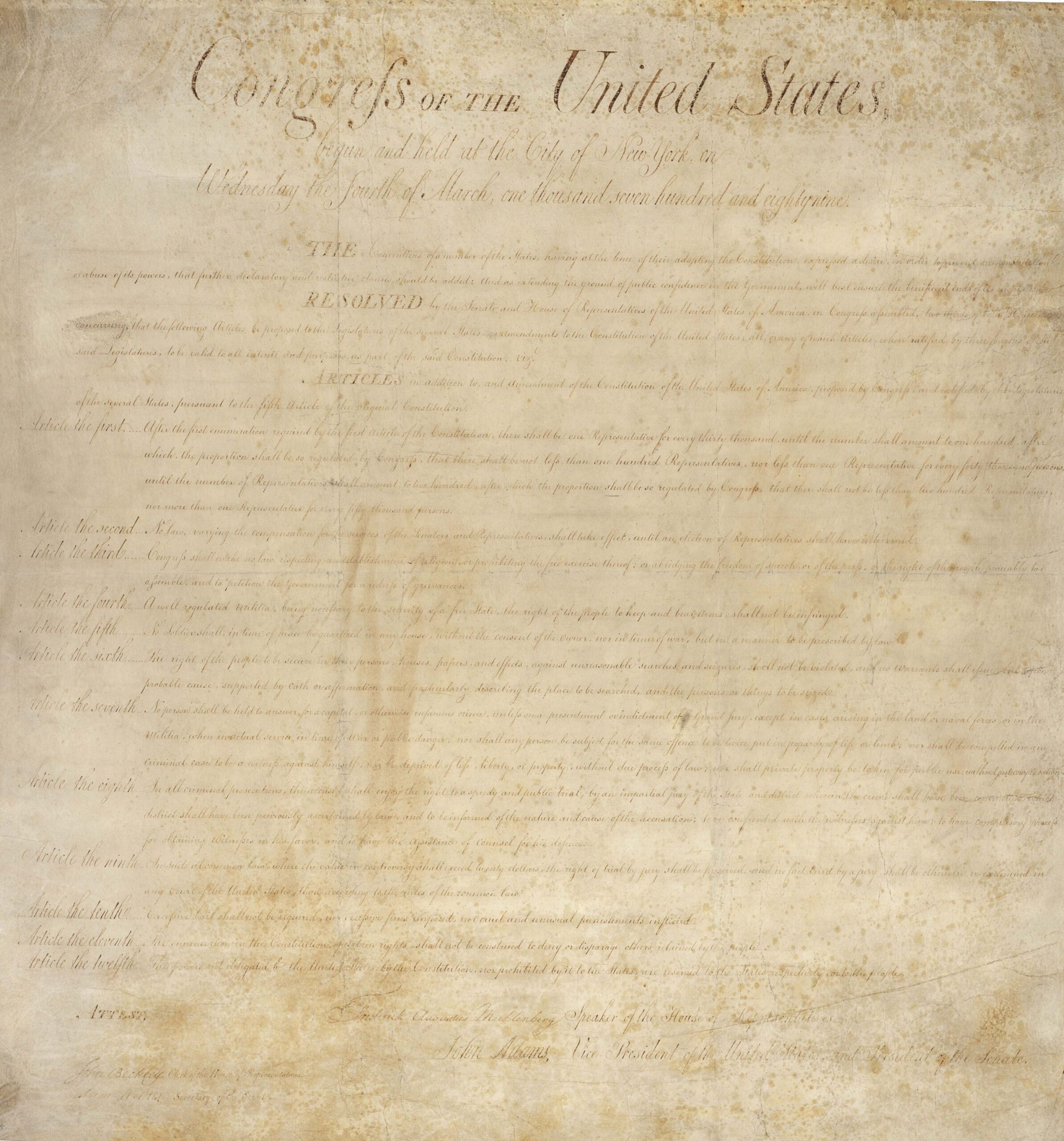
There is one single profession mentioned in the U.S. Constitution.
Journalism.
“Congress shall make no law … abridging the freedom of speech, or of the press.”
That’s because our profession isn’t just a profession; it’s an essential civic cornerstone. The free press has always been one of the central pillars holding up the foundation of our democracy.
But what is happening through neglect in our states right now, as more and more newspapers close, is exactly what authoritarians do by fiat: Limit the flow of information, keeping the citizens who are supposed to run the country in the dark. Welcome to the accidental autocracy, folks.
Happily, our neighbors in New Mexico just recognized that this is an emergency, and did something about it last week.
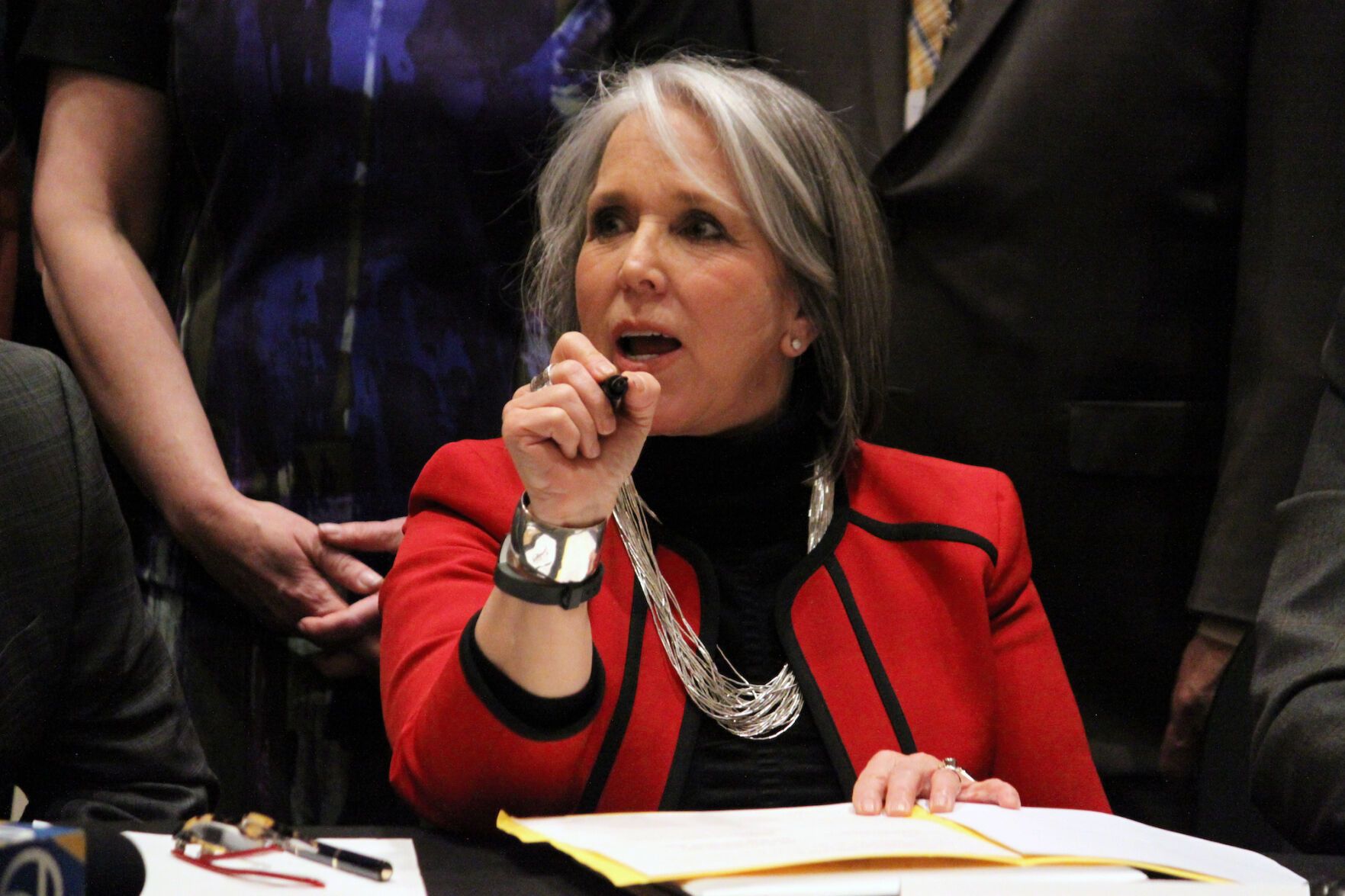
Gov. Michelle Lujan Grisham put New Mexico on the national media map by signing a bill that gives tax credits to businesses employing local journalists and printing newspapers. The credits are meant to give local journalism a fighting chance.
New Mexico becomes only the fourth state — along with California, New York and Illinois — “to address the diminishing number of local journalists and its impact on the democratic process, and the first state to implement a newspaper printing credit,” wrote Bill Church, executive editor of the Santa Fe New Mexican.
“For a long time, we’ve all been talking about the crisis in local journalism, watching newspapers close and newsrooms shrink. What happened this session is a recognition that local news isn’t just another industry — it’s civic infrastructure,” Belinda Mills, president and CEO of the New Mexico Press Association, wrote in an email to Church. “New Mexico chose to act before more communities lose the reporters who tell their stories and hold power accountable.”
Why is this important?
The number of journalists in New Mexico has dropped about 60% compared to a decade ago. The State of Local News Project shows six New Mexico counties with no news outlets. And during the legislative session itself, the Gallup Independent shut its doors on Jan. 31, causing the state to lose both a newspaper and a print plant.
Let me point out right here that the government has always underwritten journalism to some degree exactly because it is so essential to the smooth working of democracy. A lot of us have just forgotten how essential.
To make their brand-new of-by-for the people democracy succeed, our founders knew they had to get information out to every citizen in the country so they could run it themselves. So the founders passed the Postal Service Act of 1792, which created deeply discounted mail rates for newspapers, about 1-1.5 cents per copy versus 6.25 cents for letters. And they allowed free exchanges between publishers.
So my question is this: When is our state going to do its share to make sure democracy doesn’t crumble further into dust?
Fifty-two local newspapers in Colorado have closed in the last decade, and three of our own counties now have no news outlets, according to the Colorado News Mapping Project.
In New Mexico, local newspapers, broadcasters, and online outlets will receive tax credits worth up to $15,000 per journalist, designed to help save newsroom jobs and support new hiring. Republican and Democratic legislators agreed this cause was worth up to $4 million a year.
An additional policy provides tax credits of $5,000 to $10,000 per employee at the state’s two remaining newspaper printing presses — in Hobbs and Santa Fe — to help offset rising production costs.
The state also budgeted $3 million in emergency funding to support public broadcasters affected by federal cuts, and $200,000 for its news fellowship program.
The credits are structured around objective criteria — number of professional journalists employed — which is designed to prevent the government from picking favorites or influencing news coverage.

“These tax credits are meant to give newspapers and other local media organizations some breathing room to better align their business models to the realities of the current marketplace,” Patrick Dorsey, The Santa Fe New Mexican publisher, said to Church. “There is not one answer; it is about implementing many strategies within their local communities to support a strong local news operation and best serve their community.”
How much does Colorado spend on tax credits to make sure local journalism survives? Zero dollars for zero journalists in zero counties.
Here’s my wish: that some of our lawmakers walk over to the History Colorado Center and take in the Moments that Made Us exhibit, which will help them remember that their livelihoods depend heavily on a free press.
On display there is the front page of the New York Weekly Journal from 1735.
John Peter Zenger was the printer of the Journal when it published sharp criticism of New York’s royal governor, William Cosby. In 1734, Zenger was arrested for the crime of publishing material that undermined the authority of the British government.
But Zenger’s attorney made a bold argument: Publishing true statements about a corrupt official could not be criminal, and that free people must have the right to complain about tyrannical government.
The American jury agreed, forever setting a precedent that the truth is a defense.
When the Founders drafted the Bill of Rights 56 years later, the Zenger case was referred to repeatedly and became its foundation. Gouverneur Morris, the penman of the Constitution, famously described the case as “the morning star of that liberty which subsequently revolutionized America.”
Vince Bzdek, executive editor of The Gazette, Denver Gazette and Colorado Politics, writes a weekly news column that appears on Sunday.