







EDITORIAL: Polis preached well at ag fest, but doesn’t practice it
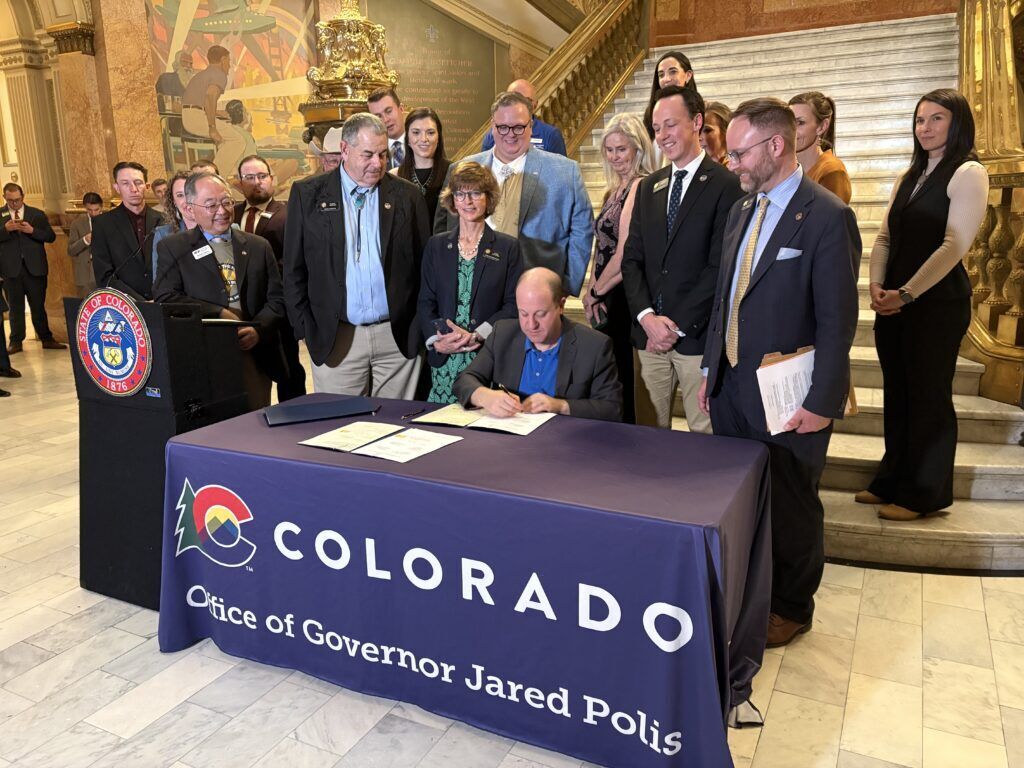
What shall we make of Colorado Agriculture Day and the way our state government, led by Gov. Jared Polis, celebrated the occasion last week? That is, when comparing it to actual state policy affecting agriculture, an economic cornerstone and lifeblood of the Centennial State?
It’s good to see the governor and others in our state’s elected leadership show some appreciation in marking the event. Hundreds gathered in the state Capitol’s west foyer last week enjoyed lamb, brisket and pulled pork, along with baked beans and potato salad.
It certainly was a pivot from Polis’ “Meat Out Day” debacle from a few years ago. No longer is the governor advocating for veggie burgers.
Even if the governor’s appearance was partly about optics, he and our state government deserve plaudits for a few of the pro-ag bills he signed into law via the occasion. Senate Bill 26-064 expands the state’s Agricultural Future Loan Program to cover water conservancy, water conservation, water and sanitation districts, irrigation districts and ditch-and-reservoir companies. House Bill 26-1067 enables the Department of Agriculture to use the state’s diseased livestock indemnity fund for certain emerging threats to livestock health — namely bird flu and the “New World screwworm.”
These are bipartisan strides but, laudable as these Colorado Agriculture Day happenings are, they hardly atone for our governor’s and our increasingly urban legislature’s indifference if not outright hostility to farmers, ranchers and rural life in general in our state.
When it comes to the meat and potatoes of the most consequential policy, Polis and far too many under the Gold Dome have disregarded Colorado’s agriculture and ranching community. Polis’ picks for the Parks and Wildlife Commission, along with other appointments; his handling of the wolf reintroduction that has become a Dumpster fire; even the fact rural highways in particular are in such poor repair and undermine rural life — all speak to a deaf ear for ag.
The $47 billion industry not only literally keeps us alive but supports 195,000 jobs via tens of thousands of farm operations. That’s why it was heartening to hear Polis’ acting commissioner of agriculture with more than 75 years of family farming experience in Adams County, Robert Sakata, get down to brass tacks in acknowledging how Colorado has lost 3,000 ag producers and 1.5 million acres of farmland in the past five years.
“Colorado agriculture is at a tipping point,” Sakata said to those assembled last Tuesday at the Gold Dome.
That includes, as the event highlighted, securing the state ag community’s water present and future, especially after a record-low snowpack for the 2025-26 winter. But the tipping point doesn’t merely include the water well.
From rural road infrastructure, to wildlife management, to activism in state agency appointments, it involves an overall change in tack and follow-through in decision-making in order to regard rural Colorado once again as a central constituency of the Centennial State.
Colorado as we know it heading into its 150th birthday wouldn’t be what it is without the pioneering settlers who worked hard to harvest what we have today, whether it be food, other resources or communities. It’s past time Polis and the Gold Dome practiced via policy much more of what they preached in the Capitol’s west foyer.