







Iran-backed Houthis join war as more U.S. troops reach region
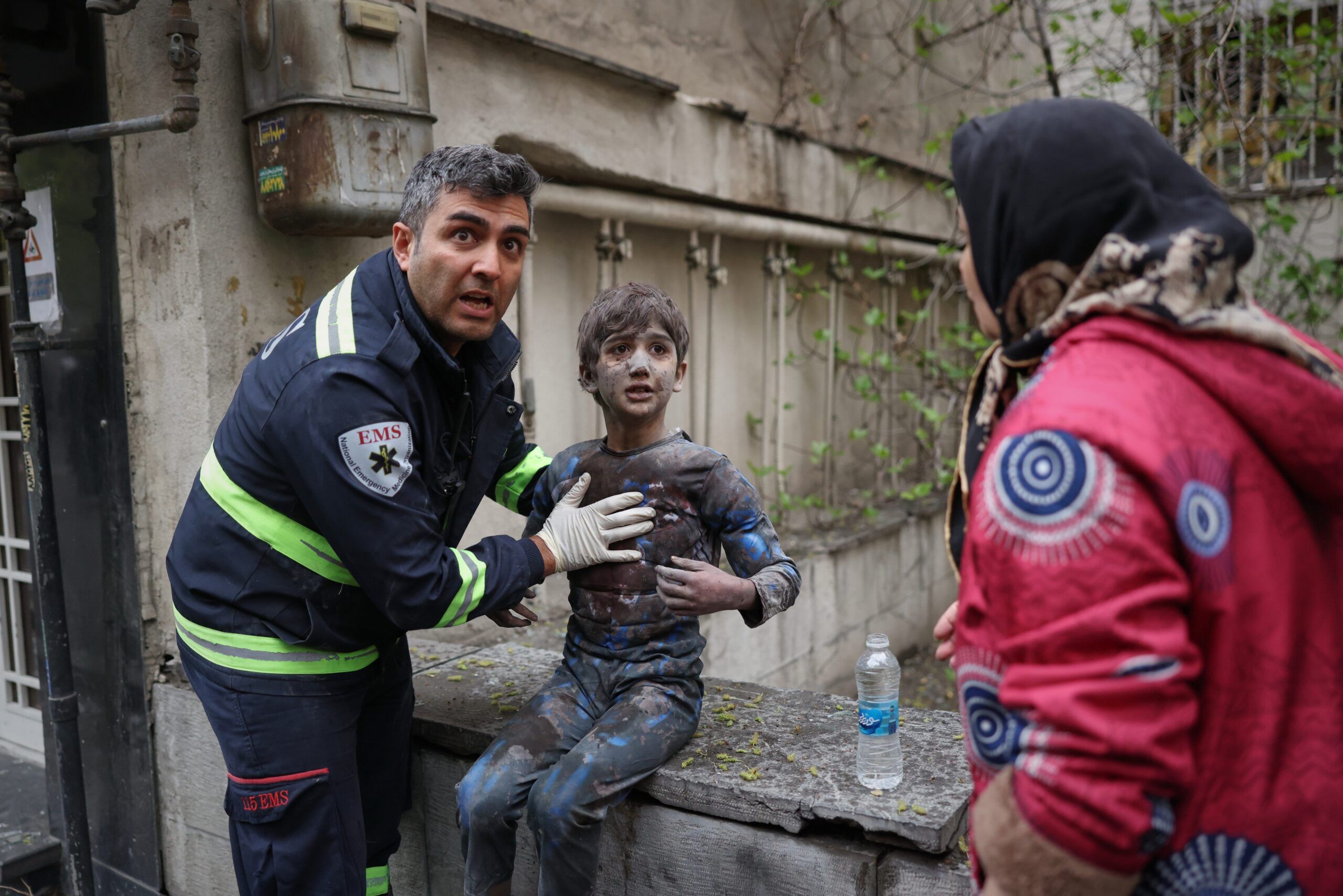
Houthi militants launched ballistic missiles at Israel on Saturday morning, marking their entry into the monthlong Iran war that has already caused chaos in energy markets and killed thousands of people.
Some 3,500 sailors and Marines arrived in the region on an amphibious assault ship, according to the U.S. military. Israel continued bombing Iran overnight and on Saturday, while Tehran stepped up strikes across the region and wounded more than a dozen American personnel in an attack on a Saudi base, according to multiple media reports.
The Yemen-based Houthis, who are supported by Iran, said they would continue operations until U.S.-Israeli attacks on the Islamic Republic and its proxy militant groups, including Hezbollah in Lebanon, cease.
Israel’s military said it identified the launch of a missile from Yemen toward its territory, but did not immediately say if the projectile was intercepted.
The move by the Houthis — announced via a statement on Telegram — opens a new front in the war and raises fresh risks for the oil market. The group hasn’t launched strikes on Israel since a ceasefire in the country’s war against Hamas in Gaza began in October.
While the Houthis didn’t say they would target tankers or other vessels transiting the southern Red Sea and the Bab el-Mandeb Strait, they have the capability to do so. The group effectively shut the waterway to most Western shippers after the war in Gaza began in 2023, forcing vessels to reroute and disrupting a key shipping corridor.
The Saudi Arabian port of Yanbu, which the kingdom is using to bypass the closed Strait of Hormuz for its oil exports, is well within the range of Houthi missiles.
For now, the Houthis are likely to avoid targeting Saudi oil sites, New York-based political consultancy Eurasia Group said in a note to clients. The Islamist militants agreed a truce with Saudi Arabia in 2022, which has largely held and involved the Saudi government making some payments to areas under Houthi control.
While the Houthis “need to be seen as participating in the war effort, they remain inclined towards minimizing the downsides of further entanglement in the war and keeping their tacit understanding with Saudi alive,” Eurasia analysts including Firas Maksad said on Saturday. “The Houthis may still target Saudi oil exports under pressure from Iran in case of escalation.”
Iran launched what it said were retaliatory strikes on Gulf Arab states and Israel after U.S.-Israeli attacks on its atomic facilities and steel plants on Friday.
The United Arab Emirates on Saturday reported fires at its Kezad industrial site in the emirate of Abu Dhabi. Those followed ballistic missile interceptions that wounded at least six people.
Emirates Global Aluminum, the Middle East’s largest producer, said its Al Taweelah site at Kezad was damaged significantly by Iranian drone and missile attacks.
A strike on Prince Sultan Air Base in Saudi Arabia on Friday left at least 15 U.S. troops wounded, including five seriously, and damaged several refueling aircraft, The Associated Press reported. One of the damaged airplanes was an E-3 Sentry, which is equipped with airborne warning and control system radar to help track drones and missiles, according to the Wall Street Journal.
Iran fired six ballistic missiles and almost 30 drones at the base, the AP reported, citing unnamed officials. The U.S. military hasn’t commented yet publicly. The AP also said more than two dozen U.S. troops have been wounded in Iranian attacks on the same base — about 60 miles (97 kilometers) southeast of Riyadh — in the past week.
Kuwait said its airport came under several drone attacks on Saturday, with a radar system sustaining major damage. In Oman, Salalah port was targeted by multiple drones, halting operations and injuring one person.
One person was killed in an Iranian strike on Tel Aviv, according to Israel’s emergency services. The Israeli military also said nine soldiers were injured, at least one of them severely, in southern Lebanon on Friday.
The U.S. military said in a social media post on Saturday that it had struck more than 11,000 targets and destroyed more than 150 Iranian vessels since the conflict began.
The escalation is adding to fears the conflict will drag on. There’s still little sign that Iran and the U.S. will meet for peace talks soon, even though President Donald Trump has pushed for negotiations this week. He delayed his deadline to April 6 for Tehran to agree to reopen the vital Strait of Hormuz or have its power plants demolished.
Iran rejected a 15-point proposal from Trump, which essentially offered Tehran sanctions relief in return for it dismantling nuclear facilities and reducing its missile arsenal, as well as reopening Hormuz. The waterway — through which a fifth of the world’s oil and liquefied natural gas supplies normally flow — has been all but closed since the U.S. and Israel started the war on Feb. 28 with strikes on Iran.
Iran, for its part, is insisting on war reparations, recognition of some form of control over Hormuz and pledges that the U.S. and Israel won’t attack it in future.
The foreign ministers of Pakistan, Saudi Arabia, Turkey and Egypt are set to meet in Islamabad on March 29-30 to discuss efforts to deescalate the conflict. Pakistani Prime Minister Shehbaz Sharif spoke to Iranian President Masoud Pezeshkian for more than an hour on Saturday as part of those mediation efforts.
Pakistan has emerged as a key mediator and has offered itself as a venue for any U.S.-Iran talks.
Pakistani Foreign Minister Ishaq Dar said in a post on X that Iran had agreed to allow 20 Pakistani-flagged ships to pass through the Strait of Hormuz and will allow two a day going forward. “It is a harbinger of peace,” he said.