







EDITORIAL: Lawmakers were out of their lane on therapy ban
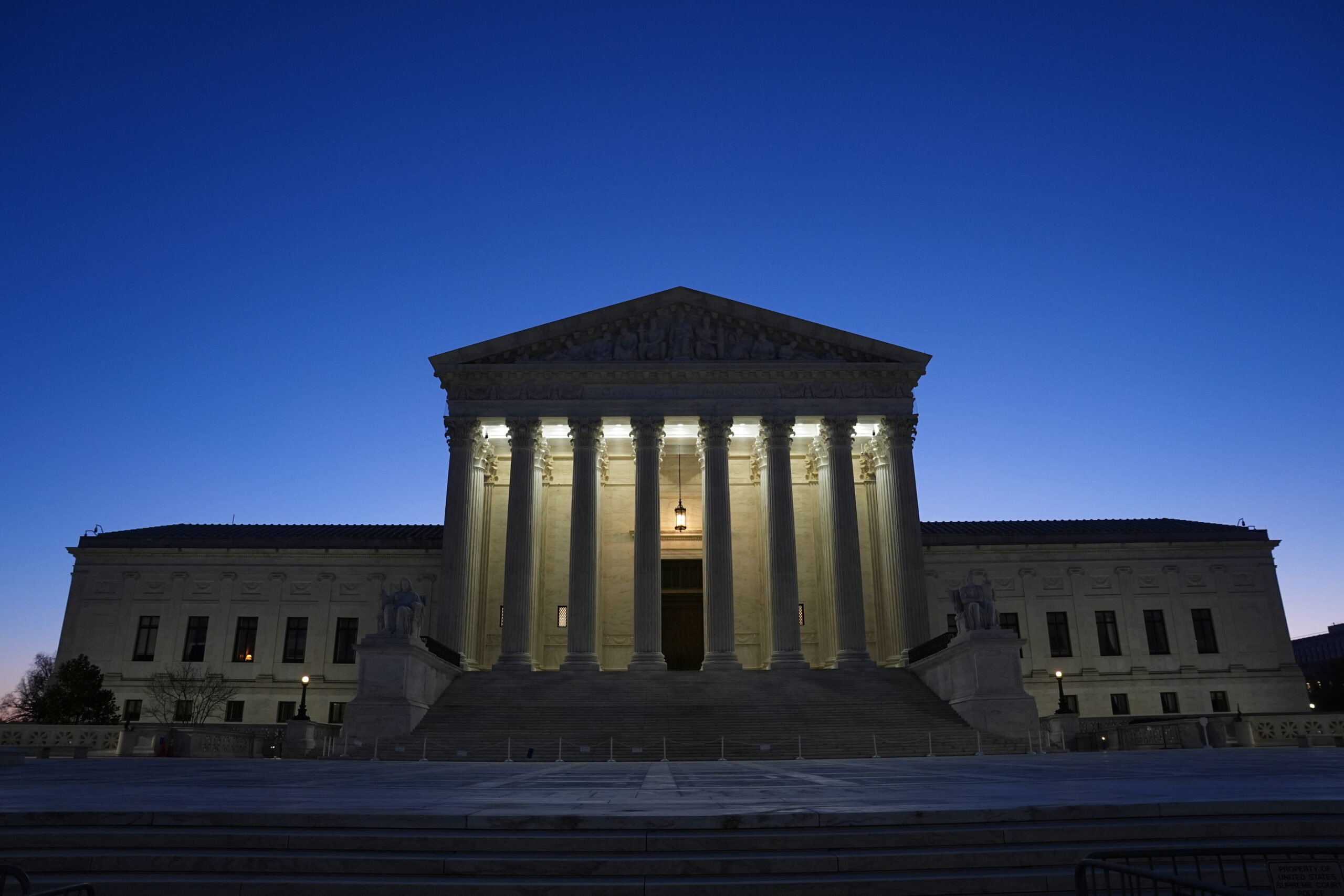
The U.S. Supreme Court’s unsurprising, 8-1 ruling Tuesday telling Colorado it can’t micromanage the advice therapists give patients — particularly on sexual orientation or gender identity — is a rebuke to our legislature to stay in its lane. And to get back to work.
Alas, the actual job description of our elected state lawmakers may be more mundane but is also more essential to their duties. It involves chores like untangling the fiscal knot they tied as they engorged the state budget in recent years. There’s lots of cutting they now must do; incoming revenue can’t seem to keep pace with their ambitious spending.
It’s time to roll up their sleeves and dig in as debate over the annual budget bill approaches.
And it’s time to move on from legislating blanket bans that appear to be more about political posturing than practical policymaking.
Whether or not so-called “conversion therapy” harms patients — as lawmakers contended when they enacted Colorado’s ban on the practice for minors in 2019 — is a question well above their pay grade. Simply trying to define it, as a matter of law, is a fool’s errand for a politician when even professional practitioners aren’t all in agreement on such matters.
Unlike specific surgical or other invasive medical procedures that understandably warrant a measure of legislative oversight, the 2019 ban’s broad attempt to police mere talk between practitioner and patient was bound to invite a legal challenge.
The law’s official legislative summary made that clear. It defined conversion therapy as, “…efforts to change an individual’s sexual orientation, including efforts to change behaviors or gender expressions or to eliminate or reduce sexual or romantic attraction or feelings toward individuals of the same sex.” So, who can say precisely what to whom, and when?
It was a vague and clumsy intrusion into what’s supposed to be a private therapy session. It second-guessed the judgment and insights of mental-health professionals who must consider their patients’ nuanced needs case by case.
When one of those mental-health professionals sued, the outcome was almost foreordained. Kaley Chiles, a Christian counselor from Colorado Springs, argued that the law violated her First Amendment right to free speech in dispensing the care she deemed best.
The court overwhelmingly agreed. The plaintiff’s fellow Coloradan, Justice Neil Gorsuch, wrote for the majority that the law “censors speech based on viewpoint” and that the First Amendment “stands as a shield against any effort to enforce orthodoxy in thought or speech in this country.”
Chiles lauded the ruling, as reported by The Gazette.
“Counselors walking alongside these young people shouldn’t be limited to promoting state-approved goals like gender transition, which often leads to harmful drugs and surgeries,” she said. “The Supreme Court’s ruling is a victory for counselors and, more importantly, kids and families everywhere.”
Meanwhile, Colorado lawmakers also may want to back off of a bill this session that would lift the statute of limitations on lawsuits filed by plaintiffs who say they were harmed at some point by conversion therapy.
As with their ban on such therapy, setting a new civil standard for litigation over it exceeds their expertise. House Bill 26-1322 presumes to know better than mental health professionals what kind of advice they should give behind closed doors. And it barges in to silence voices it disagrees with by exposing them to ruinous litigation over their work, no matter how long ago.
All Coloradans already may sue for damages within a reasonable time, including for therapy they believe harmed them. There’s no need to further enrich the plaintiff’s bar.