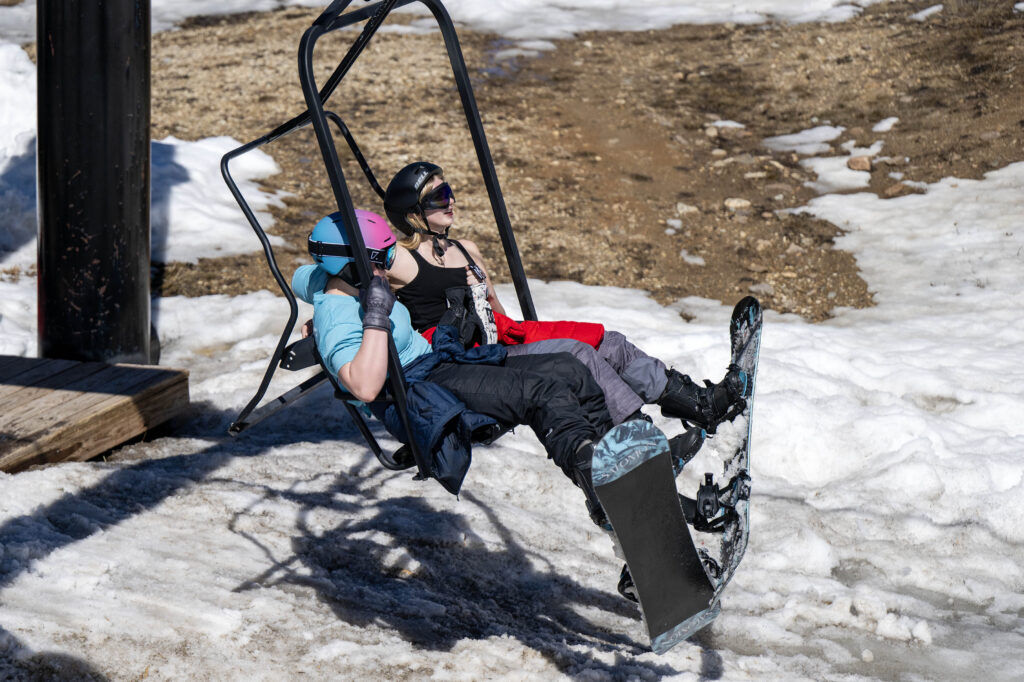
Colorado ski area closing early amid heat wave, ending a dry season
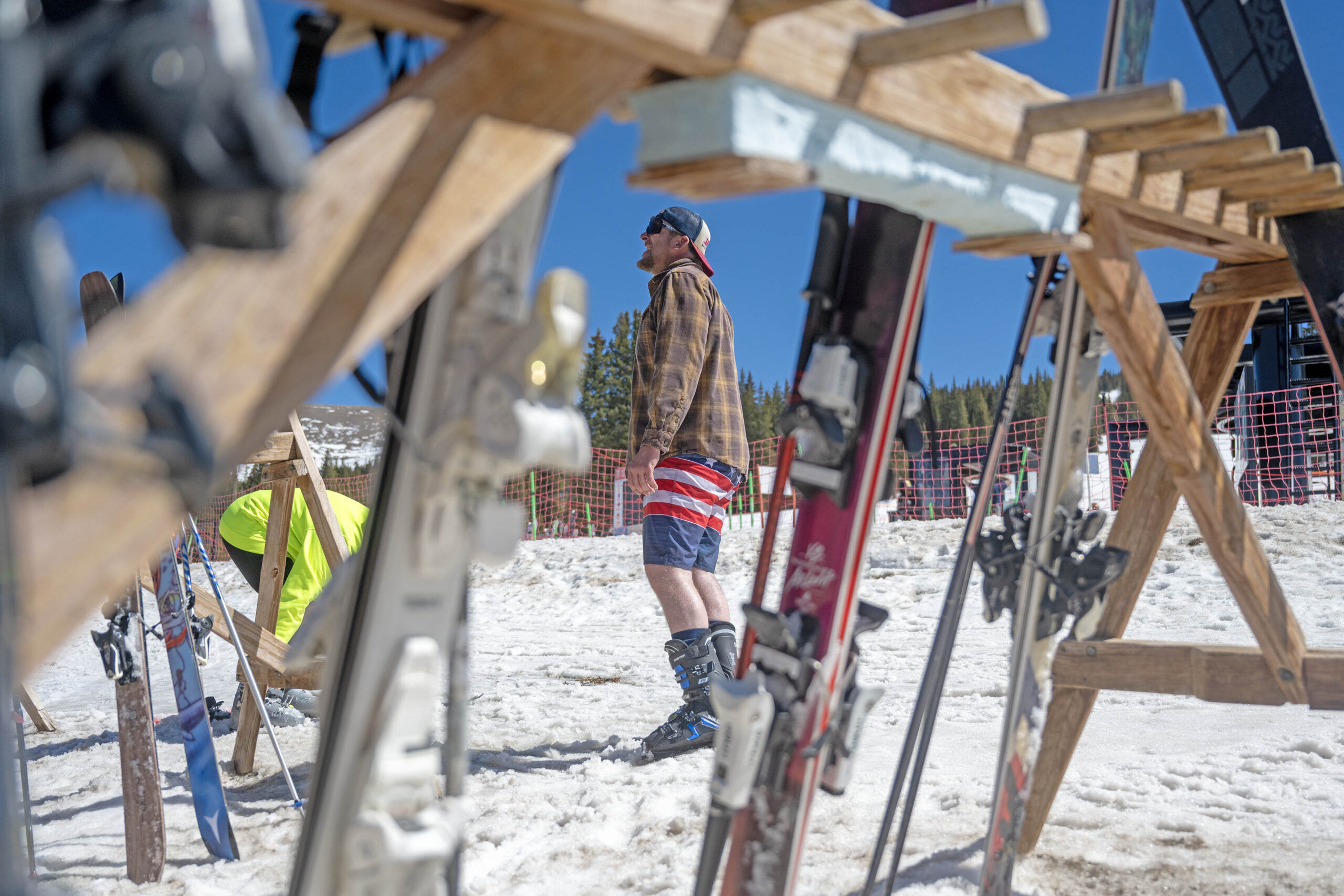
Friday afternoon at Ski Cooper near Leadville, Tim Kerrigan was watching guests glide down the slopes in shorts and T-shirts ー a fairly common sight come spring in the Rockies.
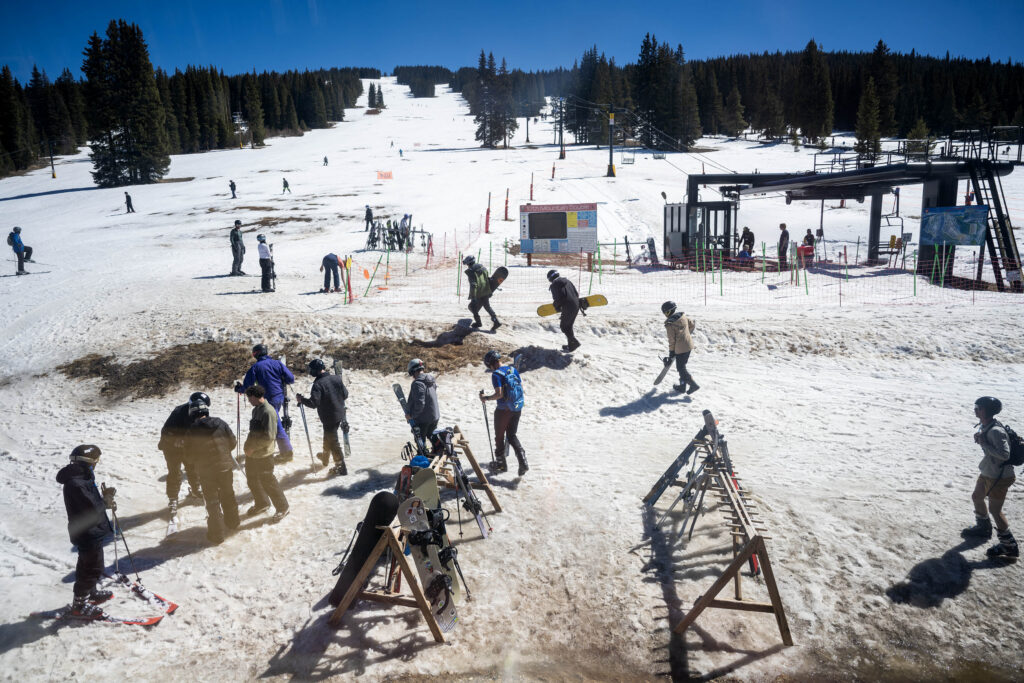
Uncommon: the amount of dirt Kerrigan was seeing between the snow that was quickly vanishing amid a record-breaking heat wave that met Colorado ahead of the weekend.
“Once we start showing more dirt, (the snow) goes quick,” said Kerrigan, Ski Cooper’s vice president of mountain maintenance. “I’m watching it shrink by the moment. Boy, it’s tough.”
That helps explain “the difficult decision” the beloved ski area announced Friday.
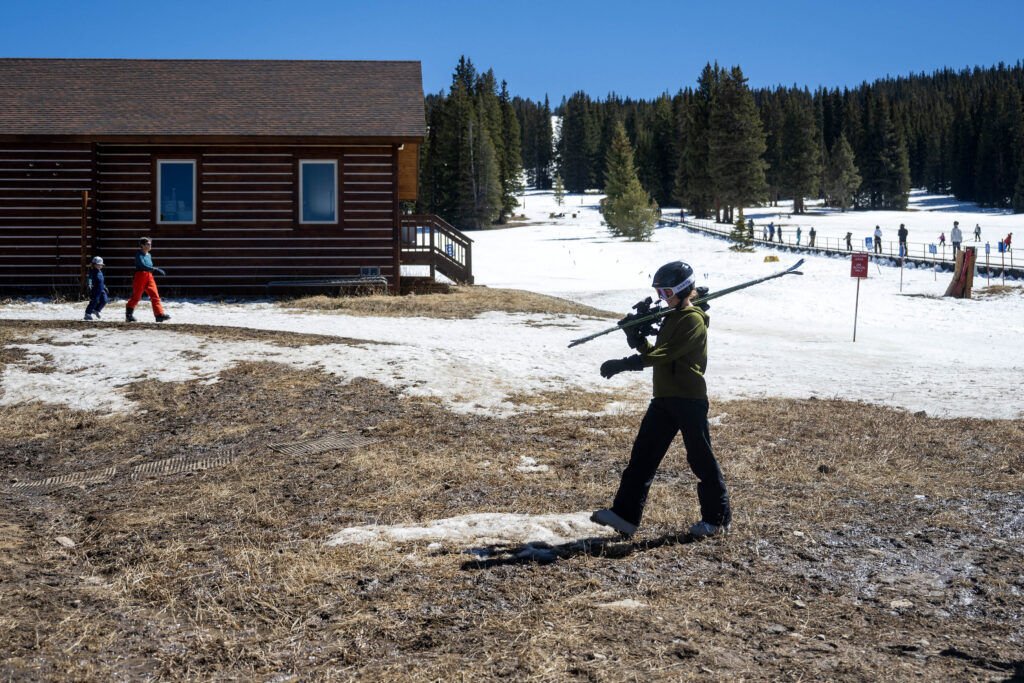
Ski Cooper will be closing Sunday after barely notching 100 days on the season. The ski area typically stays open through the first or second weekend of April.
In his 30-plus years at Cooper, Kerrigan couldn’t recall an earlier closing. Nor could he recall a season like this here and all over Colorado, where unusually high temperatures have persisted and snowpack has lingered around record lows since measurements began in the 1980s.
Earlier this month, in a report to investors that outlined drops in visitation and revenues, Vail Resorts CEO Rob Katz described it as “the most challenging winter across the Rockies that we have ever experienced.”
While the company’s mega resorts have struggled to open terrain, the struggle has been magnified at smaller ski areas like Cooper, which does not make snow. The ski area joined Glenwood Springs’ Sunlight Mountain and Steamboat Springs’ Howelsen Hill in announcing early closures.
And with forecasts remaining warm and dry through the industry’s otherwise celebratory spring break period, Kerrigan predicted more announcements in the days ahead. “I think after this weekend, they’re gonna start dropping like flies,” he said, noting resorts’ reports of declining terrain availability.
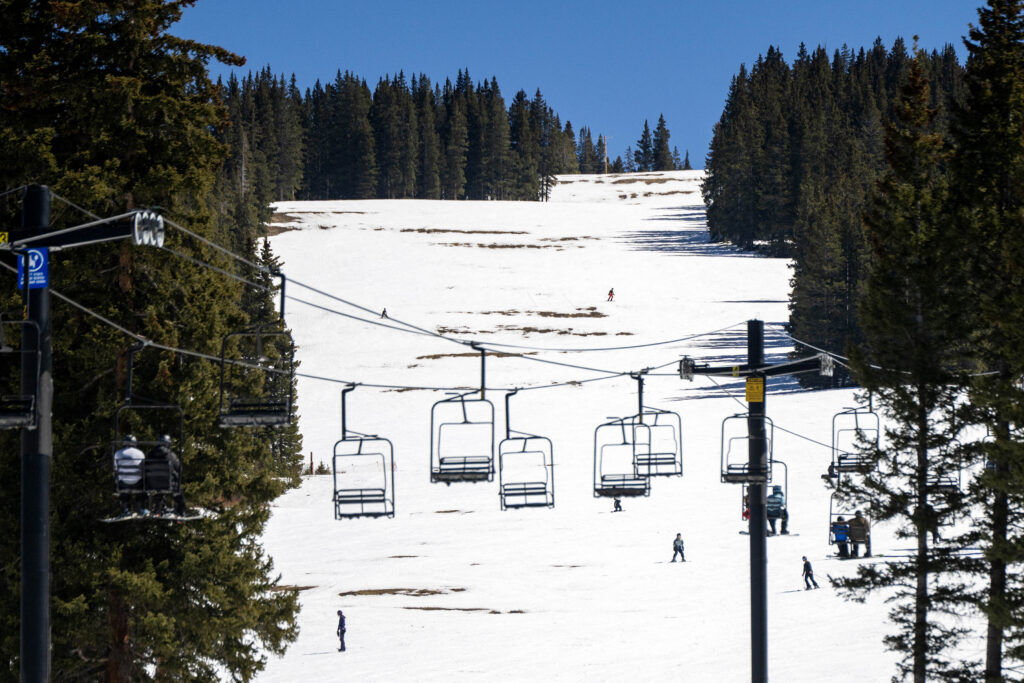
Cooper never opened its cherished backside terrain, Tennessee Creek Basin. Here and at other ski areas, workers vied to haul snow from parking lots and fill dirt patches across runs.
But snow hardly came to Cooper’s parking lot, Kerrigan said. “I think we plowed a total of four or five times.”
And “we barely did any grooming,” he added, “because we just couldn’t put a groomer out there.”
He and his crew tried to keep their hopes up as the dry days gave way to dry weeks and dry months.
“Everyone would be looking at their favorite weather report and comparing notes,” Kerrigan said. “Everyone was just trying to see something over the horizon … it just never happened.”
There’s always next season, he said.
“It’s like farming. Farmers have a bad year, and we had a bad year. But we’ve got enough capital in the bank to make sure everything is there to where we’re gonna be here next year.”