







Early warm weather brings increased insect, snake activity to Colorado
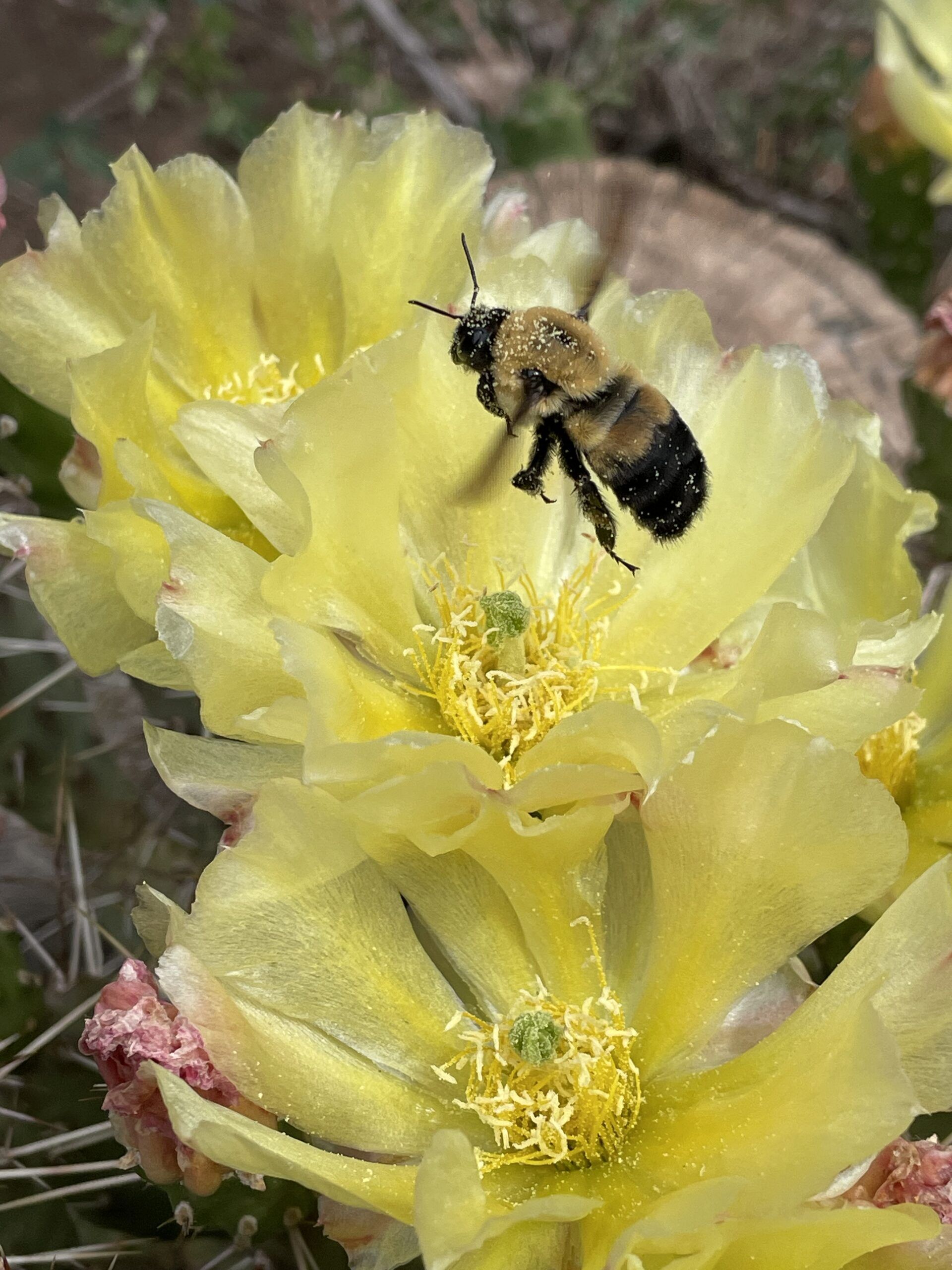
While Colorado’s warmer-than-usual winter may be causing a premature end to ski season, for some, the warmer-than-usual temperatures bring an increase in activity.
If you have six legs or crawl, that is.
This winter was Colorado’s warmest winter on record, and the second-warmest for the Denver metro area. A recent heat wave set multiple March temperature records. It was also one of the driest, with record-low snowpack and historic drought conditions leading to water restrictions being imposed in many areas and early closures for ski resorts across the state.
With temperatures warming up earlier than normal, Coloradans may notice more critters out and about. As temperatures rise, both insects and reptiles become more active as they are drawn out of hibernation from the cold winter months, with many animals this year becoming active a few weeks earlier in the year than they would otherwise, thanks to the mild winter and early heat waves.
Madeline Barr, community habitats manager at the Butterfly Pavilion in Westminster, said this can be both a blessing and a curse for insects. Barr said many insects will seek covered shelter, such as under logs or leaf litter, during the winter and enter a state similar to hibernation when temperatures are cold.
Barr said insects will begin to emerge when temperatures rise, and this year they are out a few weeks earlier than normal. Species that are emerging early include bees and midges, Barr said.
However, Barr said a drop in temperatures or a freeze can prove disastrous for some insects as they may not be equipped to survive the temperature drop. She also said some food sources, such as pollen-rich flowers, may not be in bloom just yet. The dry winter and lack of moisture can also pose a challenge for insects.
Earlier blooms can also come with the early uptick in temperatures, according to Panayoti Kelaidis, a senior curator at the Denver Botanic Gardens. Kelaidis, who has been with the Gardens for more than 40 years, said this is one of the mildest winters he’s seen and is possibly one of the earliest blooming seasons for plants, with many plants blooming up to three weeks earlier than last year.
Much like with insects, early highs can pose a problem for plants. With the dry winter and water restrictions in place, Kelaidis said water can become an issue for some plants. And similar to the bugs, Kelaidis said a late freeze, which can sometimes come as late as May, can have a negative effect on plants already ready for spring and summer weather.
In addition to early blooms and early insect activity, reptiles, including snakes, may be active earlier than normal this year. Brian Aucone, chief conservation officer with the Denver Zoological Foundation, said typically, snakes start becoming active and leaving hibernation in late April to early May, but again are becoming active earlier this year.
Unlike the insects and plants, Aucone said snakes are more adaptable to survive sudden drops in temperature thanks to their cold blood.
With the earlier snake activity, Aucone warned hikers to take extra care when on trails and not to bother snakes, as they are more scared of you than you are of them.
To help insects that may still be in hibernation, Barr suggested waiting to clean up yards of fallen leaves until temperatures become consistently warm.