







Single-payer would give patients peace of mind | Pius Kamau
Most Americans do not think of their individual health care often, and if they do, they don’t seriously consider its financial cost. The cost of providing health care to us is borne by the health care system: physicians and the late comers to the dance: HMOs. It often seems to me that when many Americans get sick, they are thrown into a churning sea’s waters in which they can’t swim, where their financial outcomes are not as good as the results of the care they receive — often inexplicably expensive. Because of the fragmented confusion about what is done for patients — each fragment’s distinct cost seemingly unrelated — frustrated, many patients throw up their hands. They don’t pay close attention to the many requests to pay their bills, invariably ending up in bill collectors’ clutch. With institutions or individual doctors seeking payment for services rendered, it’s a short walk to court.

In June 2024, Gov. Jared Polis signed into law HB 24–1380, “Regulation of Debt-Related Services.” Journalists’ investigation of debt collection practices of the University of Colorado health system revealed that thousands of patients were sued every year; the actual suing entity was UCHealth’s debt collectors. UCHealth’s debt collection habits tarnished its name. The question, “why was UCHealth so aggressive to sue?” was never asked. UCHealth’s $6 Billion annual haul didn’t mean it shouldn’t expect payment of what it is owed.
But for doctors who receive payment up front from patients before procedures are done, most doctors are today paid by HMOs. Sadly though, many patients have to pay large deductibles out of their pockets. As I look at the health care terrain, I tremble to think that many people we take care of can’t afford to pay for their care; often our fees have to be written off. Uncle Sam gives no one relief for uncompensated time and labor expended by doctors.
I have been enmeshed in the difficult task of getting bills owed to me paid by some patients for my services. After caring for them, offering them kindness and pain relief and sometime holding their hands, then comes the stage when things get sticky. The patient is confronted by, “now you have to pay.”
In my practice, I had a billing service that did the hard, sometimes unpleasant job of getting patients to pay what they owed. Most patients respond to the billing services, just as I do when I’ve had care from my doctors. But because of confusion, or thinking that doctors’ services should be free, or any number of other excuses, non-responding patients enter the last stage in the process. They are sent to collections. This maybe up to two years after services were rendered. The trigger in all of the stages is, patients ignoring mail or phone calls from the billing and later collections services.
In March 2026 Colorado lawmakers introduced a law to prohibit wage garnishments that old unpaid medical debts are subject to. A court has to approve making a person’s employer hand over a piece of a debtor’s earnings, a legal practice in most states of the union. In Colorado, Florida, Hawaii, Indiana, Maine, Michigan, Ohio and Washington, legislation to stop wage garnishment for medical debt is underway.
I don’t think wage garnishment and the use of debt collectors are salutary practices — for patients and for healthcare providers. It converts physicians and the society they serve into inimical neighbors. It is however a symptom of the sad failure of America’s health care system, something ameliorated but not quite cured by Obamacare.
There is great unfairness in our system that separates the handsomely insured from the group not so poor to get Medicaid; their deductibles are unbearable. American health care is untenable because our leaders lack the wisdom and courage to choose a system that is fair to one and all.
A single-payer insurance system would resolve the problems that health care providers and their patients confront each time they meet. Such a system would reimburse all caregivers for their services and offer peace of mind to America’s patients. I say the foregoing well aware that as long as we live in a MAGA world, the foregoing is but a dream unlikely to ever occur.
In the meantime, patients must remember to be vigilant, be mindful of your medical bills. Do not ignore them. Call your doctor, talk to their billing service. Just don’t let them take you to collections.
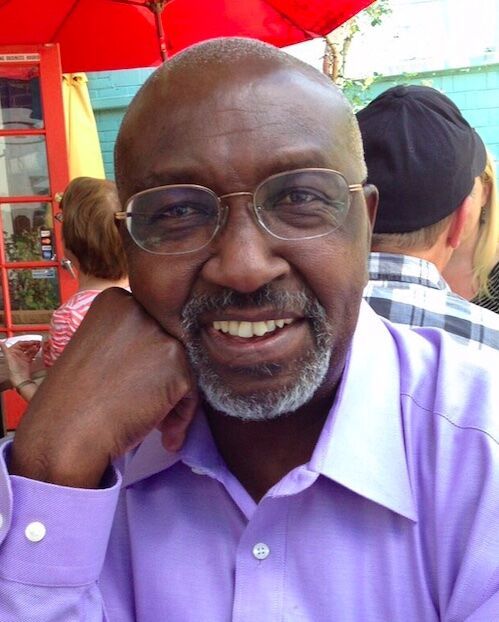
Pius Kamau, M.D., a retired general surgeon, is president of the Aurora-based Africa America Higher Education Partnerships; co-founder of the Africa Enterprise Group and an activist for minority students ‘STEM education. He is a National Public Radio commentator, a Huffington Post blogger, a past columnist for Denver dailies and is featured on the podcast, “Never Again.”