







Will Denver Police Always Respond to Car Accidents, and What Happens if They Do Not?
The Denver Gazette newsroom and editorial staff were not involved in the creation of this content.
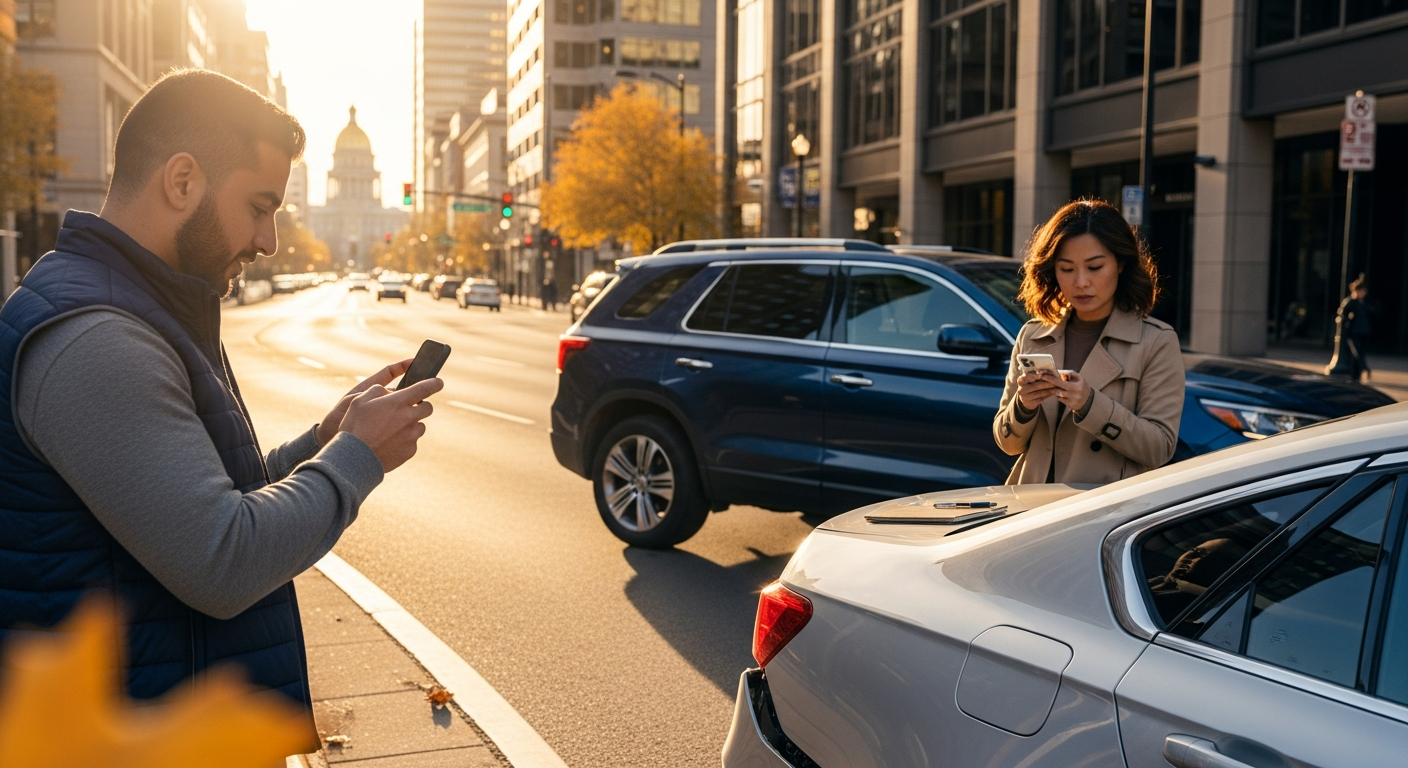
It’s a scenario familiar to many Denver drivers: the jarring crunch of a minor fender-bender in a King Soopers parking lot or a slow-motion rear-end collision on Speer Boulevard during rush hour. The initial shock gives way to the routine of checking for damage, exchanging information, and calling the police. However, many residents are surprised by the response on the other end of the line: an officer will not be dispatched. With over 15,701 car accidents in Denver in 2024 alone, police resources are often stretched thin. This reality raises a critical question for metro-area drivers: When are you on your own after a collision, and what are your legal responsibilities when law enforcement doesn’t respond?
Analyzing the Denver Police Department’s Response Protocol
The decision of whether to dispatch an officer to a crash scene is not arbitrary. The Denver Police Department (DPD) uses a triage system to prioritize calls, ensuring that limited resources are directed toward the most critical incidents. This section breaks down the specific criteria that distinguish a high-priority emergency from an incident that drivers are expected to handle themselves.
High-Priority Incidents That Guarantee a Police Response
DPD will always prioritize accidents involving specific critical factors that require an official investigation and immediate scene management. These are situations where public safety is at imminent risk or a potential crime has been committed.
- Reported Injuries or Fatalities: Any crash where a person is hurt, no matter how minor the injury seems, requires a police and emergency medical response. Recent incidents across Denver involving serious injuries and even fatalities underscore the urgency of these calls.
- Suspected Impaired Driving: If a driver appears to be under the influence of drugs or alcohol, the situation becomes a criminal investigation. This is a top priority for law enforcement, especially since preliminary data shows that 30% of Colorado’s 2024 traffic fatalities involved an impaired driver.
- Traffic Blockage: A collision that shuts down lanes on major arteries like I-25 or Colfax Avenue necessitates police presence for traffic control, clearing the roadway, and preventing secondary accidents.
- Hit-and-Run: Leaving the scene of any accident is a crime. A police report is required to initiate an investigation and document the event for insurance purposes, as seen in cases that sometimes follow other criminal disturbances, such as a recent firearm incident in Colorado Springs.
- Government or Commercial Vehicle Involvement: Accidents involving city vehicles, RTD buses, or large commercial trucks have additional legal and liability complexities that mandate an official report from a responding officer.
The Reality of Minor Collisions and DPD Resource Allocation
When the police do not respond to a simple fender-bender, it is not a sign of negligence but a calculated allocation of limited resources. Police departments must prioritize their response to more severe calls, from violent crime to major traffic incidents like a vehicle crashing into a building. The sheer volume of accidents, often caused by careless driving, makes a universal response impractical. This is a common municipal challenge; for example, police in Lexington, KY, had to temporarily stop responding to non-injury collisions after being overwhelmed, illustrating the strain that departments nationwide face.
| Accident Scenario | Likelihood of Police Response | Driver’s Immediate Action |
| Multi-vehicle crash on I-70 with injuries | High | Call 911 immediately; do not move vehicles unless necessary for safety. |
| Suspected drunk driver causes a collision | High | Call 911, report your suspicion, and keep a safe distance from the driver. |
| Parking lot fender-bender, no injuries | Low | Move vehicles out of traffic, exchange information, and prepare to file an online report. |
| Hit-and-run in a residential area | High | Call 911, provide a description of the fleeing vehicle, and do not pursue them. |
Navigating Colorado’s Self-Reporting Requirements After a Collision
Even when drivers are told to handle an accident themselves, they still have legal duties to fulfill at the scene. This section serves as a practical guide to meeting those obligations and creating the official record necessary for insurance claims and legal protection.
Fulfilling Your Legal Duty at the Scene
Colorado law is clear about the information drivers must exchange after any accident, regardless of whether police are present. Failure to provide this information can result in penalties, including points being added to your license and fines. You are legally required to share the following with all other parties involved:
- Names and addresses of all parties involved.
- Driver’s license numbers.
- Vehicle registration numbers.
- Proof of valid insurance, including the policy number and insurance company name.
How to File an Online Civilian Crash Report
When police do not respond, drivers should file a “counter report,” also known as a civilian crash report, online with the Colorado Department of Revenue. This report, while not a police investigation, creates an official, time-stamped record of the incident that insurance companies recognize as valid documentation for initiating a claim. It is important to understand that this report is your version of events and does not assign official fault. This distinction makes the evidence you collect yourself even more important for proving what happened.
Protecting Your Claim When You Are the Only Investigator
Without an officer’s impartial report and diagram, the burden of proof in an accident falls entirely on the drivers involved. Meticulous documentation at the scene becomes the key to a successful insurance claim and is your best tool for proving fault and the extent of your damages.
What to Document After a Denver Car Accident
The following checklist details what to document after a Denver car accident and provides actionable steps for drivers to gather crucial evidence at the scene. These will form a strong foundation for a compensation claim.
- Photographic Proof: Take more photos than you think you need from various angles. Include wide shots of the accident scene to show vehicle positions, then take close-ups of the damage to all involved vehicles, including license plates. Document road conditions, weather, traffic signs, and any skid marks.
- Video Recording: Use your smartphone to take a short walk-around video of the scene. Speaking while you record to describe what happened can capture details you might later forget.
- Witness Information: If anyone saw the accident, politely ask for their name and phone number. Independent witnesses are incredibly valuable for corroborating your version of events with insurance adjusters.
- Official Documents: Take clear photos of the other driver’s license, insurance card, and vehicle registration. This prevents errors that can occur when writing down information under stress.
- Immediate Notes: As soon as it’s safe, write down or use a voice memo app to record the date, time, specific location, and a detailed, step-by-step description of how the accident occurred from your perspective.
Why Your Documentation Is Critical for Insurance Negotiations
In the absence of a police report that assigns fault, your photos, videos, and witness statements become the primary evidence that insurance adjusters use to determine liability. This documentation is especially critical in Colorado, where an estimated 17.5% of drivers are uninsured. Having undeniable proof is essential when filing an uninsured motorist claim with your insurance company. A lack of strong evidence gives adjusters leverage to dispute your claim, assign you partial fault, or undervalue your damages.
Being Prepared Is Your Best Defense on Denver Roads
The jarring reality for Denver drivers is that for many minor accidents, you are your own first responder, investigator, and record-keeper. The Denver Police Department must prioritize its response to the most severe incidents, leaving the documentation of less critical collisions to the parties involved. So, will the police always respond? The answer is clearly no. But by understanding the official reporting process and meticulously documenting the scene yourself, you can safeguard your rights and ensure you have the evidence needed to navigate the insurance process effectively. In a city where advocates recently held a “die-in” to protest the record number of traffic deaths, being proactive is the most powerful tool a driver has.